Lip care packaging should follow the formula texture, dispensing method, and intended application—not a single category-wide rule. A solid balm, rich overnight mask, particle-containing scrub, fluid lip oil, and lightweight serum may all belong to one lip care range, but they do not need the same opening, applicator, or closure.

This guide helps B2B buyers compare the main packaging routes before sampling. Each lip care packaging is reviewed through how the product moves, how it leaves the container, how it is applied, and which components must work with the formula.
Quick screening framework:
- Formula texture: solid, semi-solid, rich cream, particle-containing scrub, oil, gel, or lightweight serum.
- Dispensing method: twist up, squeeze, scoop, roll, or withdraw with a wand.
- Application area: direct swipe, broad lip coverage, controlled massage, or precise placement.
- Daily handling: pocket carry, overnight use, vanity use, or repeated on-the-go application.
- Production route: filling entry, required cooling, component assembly, sealing, and packing.
1. Start with Formula Texture and the Required Application Route
Formula texture narrows the packaging choice, but it does not make the decision alone. Buyers should consider how easily the product flows, whether it contains visible particles, whether it needs heating during filling, and how much product should reach the lips in one application.

- Solid or semi-solid formulas: often suit twist-up sticks or selected push-up structures that support direct swipe application.
- Soft balms and gel-like treatments: may use squeeze tubes, jars, or other direct-apply containers depending on flow and outlet size.
- Rich masks and scrubs: often need a wider opening or an outlet that can pass the formula without clogging.
- Fluid oils and lightweight serums: usually require more controlled dispensing through a wand, roller, squeeze tip, or another compatible applicator.
The sample should be evaluated with the actual formula. Two products described as “lip mask” or “lip oil” may have different viscosities and therefore need different package structures.
2. Lip Balm Can Use Twist-Up, Squeeze, or Jar Formats
Lip balm containers cover several routes because balm formulas range from firm sticks to soft treatments.
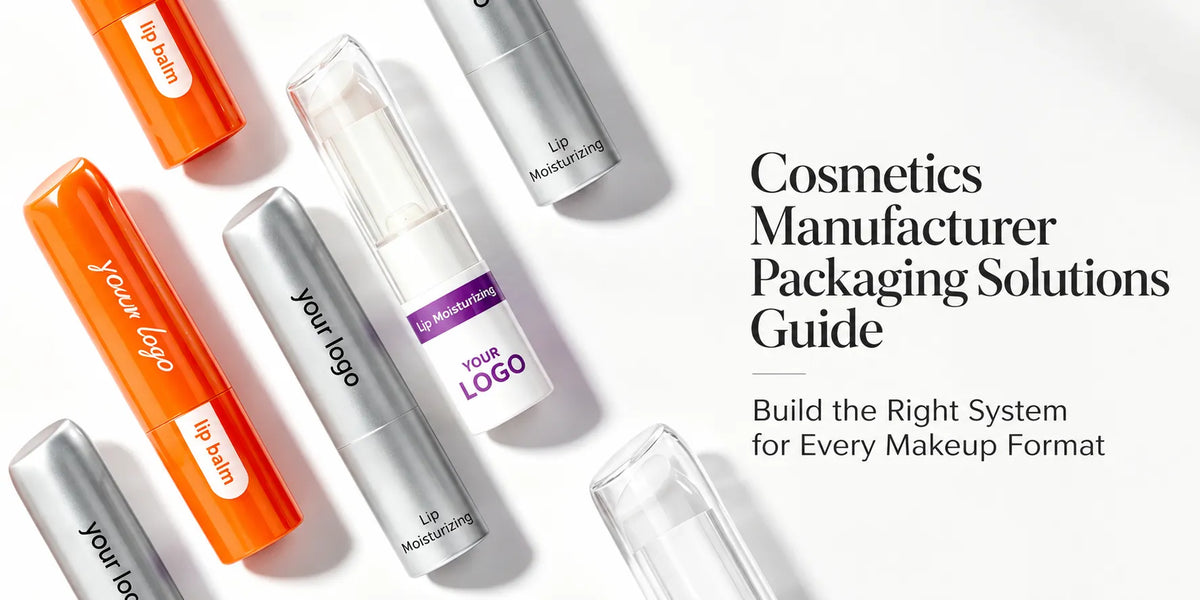
- Twist-up balm tube: suitable for a formula firm enough to remain supported during direct swipe application. Buyers should confirm the cup diameter, raising movement, cap clearance, filling route, and the formula's behavior in warm conditions.

- Squeeze balm tube: better suited to a softer balm or gel that can move through the selected outlet. Tube wall flexibility, nozzle design, tail filling, sealing, and product cutoff all affect use.

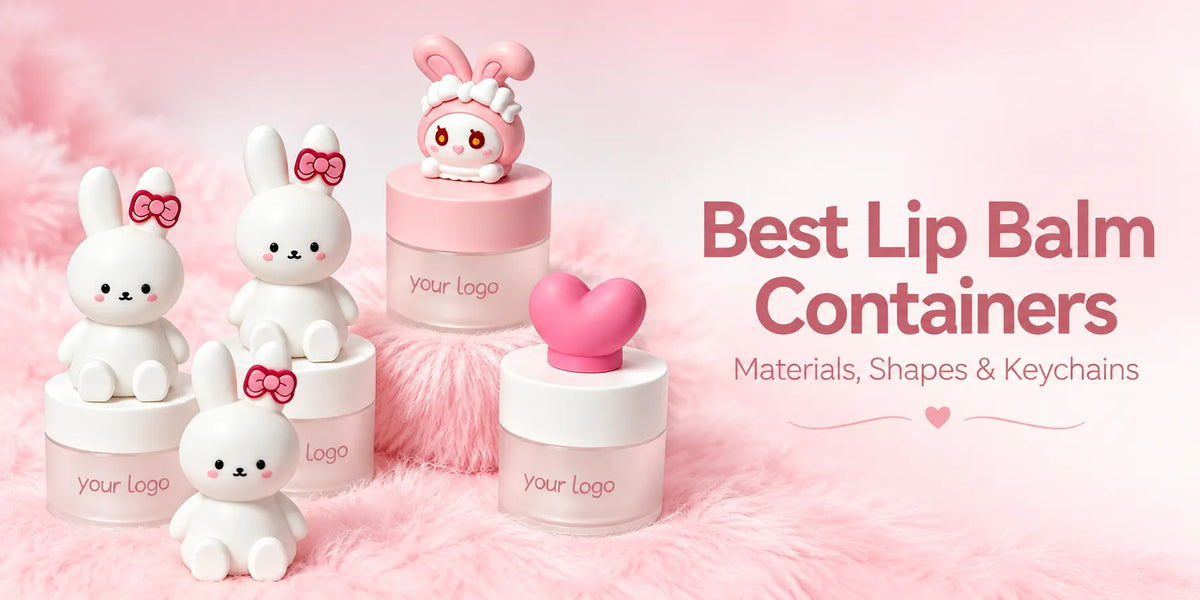
- Lip balm jar: provides broad access for soft, rich, or treatment-led formulas. The jar opening, lid fit, material, capacity, and whether an applicator is included should be reviewed together.

The right choice depends on whether the formula should be swiped, squeezed, or scooped. Portability and visual positioning can then refine the decision after the functional route is clear.
3. Lip Mask Packaging Needs to Match Richness and Access
Lip masks are often richer than daily balms, but their textures still vary. A wide-opening lip mask jar gives direct access to dense or slow-moving formulas and can accommodate a small spatula or brush. Jar capacity, opening width, lid fit, and inner sealing details influence how practical the format is.

A squeeze tube can suit a smoother lip mask that moves consistently through the outlet. Standard slant tips, smooth direct-apply heads, soft applicators, and selected multi-hole heads provide different spreading patterns. Buyers should match the outlet to formula flow rather than assuming every mask can pass through the same tip.

The decision is therefore not simply “jar for premium” and “tube for portable.” It is whether the formula can be accessed and dispensed cleanly through the selected structure while maintaining the intended application amount.
4. Lip Scrub Packaging Must Accommodate Texture and Particles
Buyers comparing lip scrub containers should begin with the formula base and particle size. Sugar, salt, or other visible particles suspended in balm, oil, or gel affect the opening and dispensing route.
- Wide-mouth jar: gives the buyer fewer restrictions on particle passage and allows the product to be scooped or picked up with a tool. The lid and liner should still be reviewed with the oil content and expected transport conditions.

- Lip scrub tube: can provide controlled dispensing when the formula flows and the particles can pass through the selected outlet. The tube, shoulder, nozzle, and seal need to be evaluated as a complete route.

- Direct-apply tip: may support targeted spreading, but the outlet pattern should not trap large particles or require excessive squeezing force.
For scrub projects, testing should check flow through the opening, product separation where relevant, residue around the outlet, and whether the package remains practical after repeated use.
5. Lip Oil Packaging Requires Controlled Pickup and Sealing
A lip oil container must control both dispensing and closure because the formula is usually more fluid than many balm and mask products. Three routes are commonly considered within KAIYA's lip care packaging range:
- Wand-and-wiper container: the applicator is withdrawn through a wiper that removes excess formula. Formula viscosity, wiper opening, stem diameter, applicator material, bottle neck, and cap closure determine pickup and neck cleanliness together.

- Roll-on container: a rotating ball picks up and spreads a lighter oil. Ball material, housing fit, formula movement, application feel, and leakage performance should be confirmed with the actual formula.

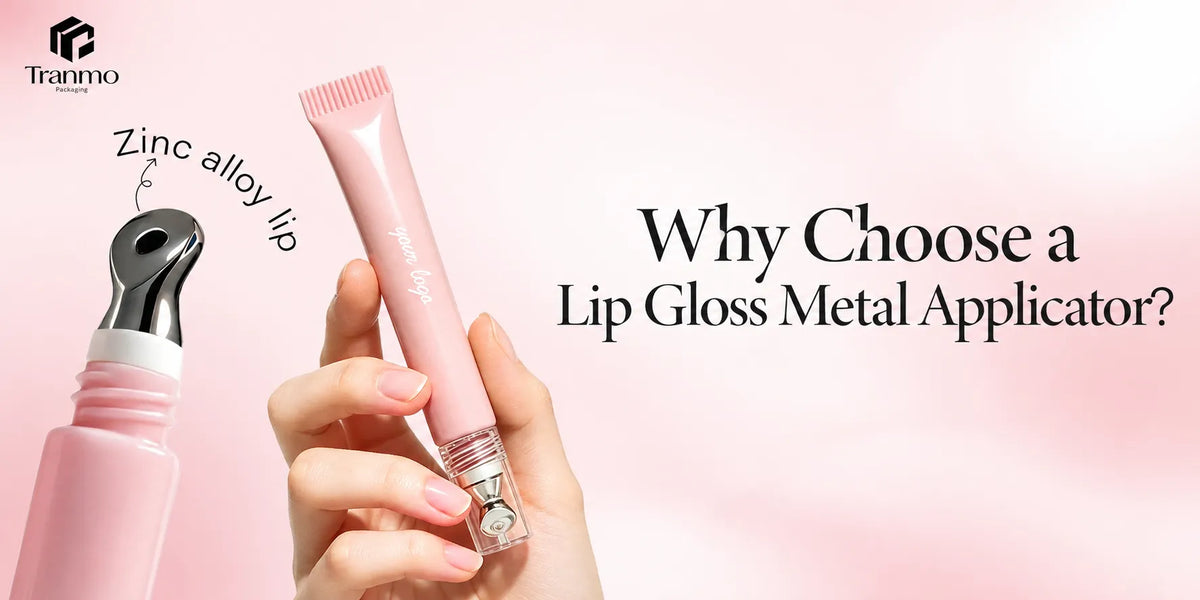
- Squeeze format: a small outlet can dispense oil or oil-gel formulas directly. The outlet should provide controlled release without continual oozing after pressure is removed.

A visually attractive clear bottle is not enough. Buyers should confirm the complete dispensing system with the intended oil because small changes in flow can alter pickup, leakage, and application amount.
6. Lip Serum Packaging Usually Benefits from More Precise Dispensing
Lip serum formulas are often positioned around targeted care and may be lighter than masks or balms. Suitable routes can include a slim wand container, roller, squeeze tube, silicone tip, or selected sponge applicator. The choice depends on viscosity and how precisely the brand wants to place the product.
- Wand or sponge applicator: supports direct placement and a familiar lip-product format; the wiper and applicator must control the serum load.

- Silicone or smooth squeeze tip: combines dispensing and spreading in one component; the outlet size and tube recovery affect the amount released.

- Roller: can suit selected lightweight serum-oil textures that need a smooth, narrow application path.


The word “serum” does not define one viscosity. Buyers should provide a representative bulk sample or clear formula information before deciding the applicator.
7. Compare the Main Lip Care Packaging Routes
| Product direction | Packaging routes | Main reason | Priority checks |
|---|---|---|---|
| Lip balm | Twist-up, squeeze tube, jar | Direct swipe, controlled squeeze, or broad access | Hardness, outlet, cup, cap, filling route |
| Lip mask | Jar or squeeze tube | Access to rich formula or cleaner direct dispensing | Viscosity, opening, tip, lid, capacity |
| Lip scrub | Jar or compatible squeeze tube | Particle access and controlled dispensing | Particle size, flow, outlet, residue |
| Lip oil | Wand, roller, squeeze format | Controlled pickup and fluid dispensing | Flow, wiper, applicator, closure, leakage |
| Lip serum | Wand, roller, squeeze or silicone tip | More targeted application | Viscosity, dosage, outlet, applicator fit |
These are practical starting directions rather than fixed formula rules. The final selection should be confirmed with the actual formula, component sample, intended filling process, and finished-product review.
8. Match Lip Care Packaging to the Real Product with KAIYA
KAIYA supplies packaging for lip balm, lip mask, lip scrub, lip oil, lip serum, and related care products. Available directions include jars, squeeze tubes, twist-up sticks, wand containers, rollers, and different direct-apply tips, together with custom colors, printing, surface finishes, and selected structural development.

When requesting options, provide the product type, formula texture, particle information where relevant, filling condition, target capacity, application method, order quantity, and design direction. KAIYA can then compare packaging routes against the actual formula and prepare a more focused sampling plan.