A lip gloss squeeze tube is more than a softer alternative to a conventional gloss bottle. Its flexible body becomes part of the dispensing system: pressure from the hand moves the formula toward the opening, while the tip controls how the product reaches the lips. This creates a compact and direct application route for lip gloss, lip oil, serum gloss, balm gel, and selected treatment-style lip products.、

For B2B buyers, the value of this format depends on how well the formula, tube body, outlet, applicator, and cap work together. This guide explains where squeeze tubes create a clear product advantage and what brands should define before selecting a structure.
Quick screening framework:
- Formula behavior: how easily the product moves when pressure is applied.
- Dispensing control: whether the opening releases an appropriate amount without excessive flow.
- Application method: nozzle, rigid plastic, silicone, fixed metal, sponge, or brush-led route.
- Portable use: cap protection, handling, and repeated opening.
- Visual direction: clear, translucent, colored, or opaque tube body.
1. A Squeeze Tube Creates a Distinct Lip Product Route
Unlike a wand-led package, a squeeze tube does not depend on repeatedly withdrawing an applicator from a reservoir. The product moves through the package when the tube body is pressed, making the tube, opening, and applicator one continuous dispensing route.

This structure can support products positioned around direct use, compact handling, or a softer lip-care presentation. It is not limited to promotional minis or inexpensive gloss. With the right proportions, tube clarity, cap design, and applicator, lip gloss squeeze tube containers can be developed as complete retail products.
2. Applicator Innovation Is Redefining the Lip Gloss Squeeze Tube
KAIYA's empty lip gloss squeeze tubes can be considered with several tip structures and materials. Shape determines where the formula exits and how the surface meets the lips; material changes softness, glide, temperature, formula visibility, and the way residue appears after use.
- Narrow nozzle: concentrates the formula into a smaller exit point. It can place product directly or dispense it onto a fingertip, but the outlet diameter still needs to match the formula's flow.
- Rigid clear plastic tip: can be formed as a smooth dome, slant, or other contoured surface. Its transparency keeps the formula path visible, while the fixed surface spreads product without the softness of silicone or sponge.
- Soft silicone or elastomer tip: gives the contact surface more flexibility and a softer feel. Slanted and rounded forms can spread the dispensed gloss directly, but the material, outlet, and cap space must suit the selected tube.
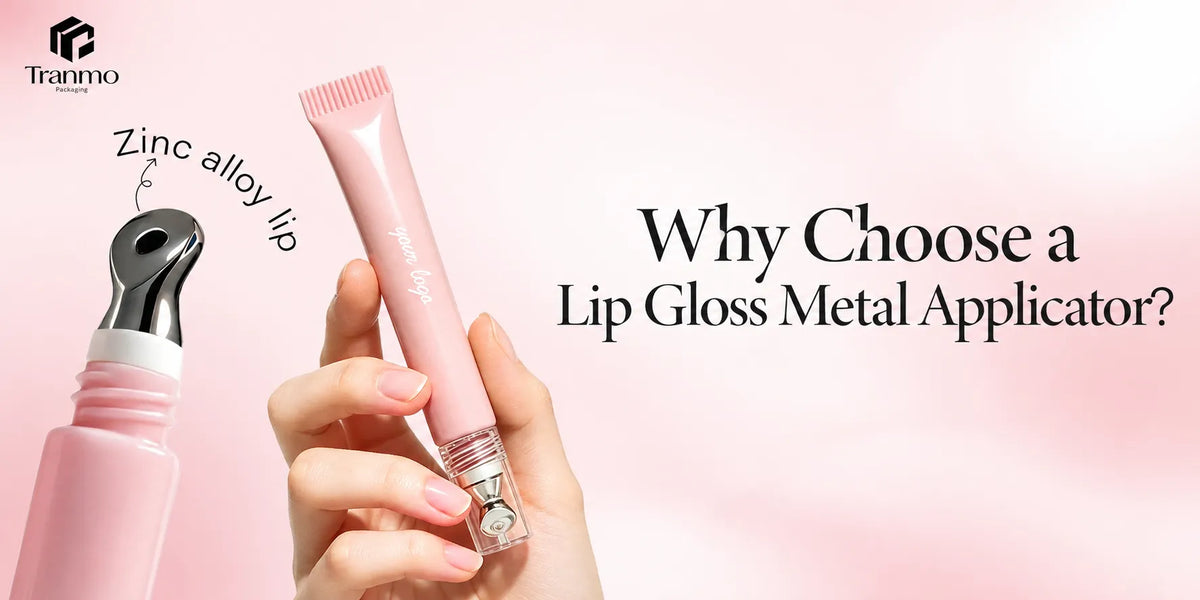
- Fixed metal applicator: provides a smooth, cool-contact surface for spreading the formula. The outlet position, metal contour, formula flow, and cap clearance should be evaluated together.

- Sponge or flocked tip: creates a soft application surface and can hold a small amount of product around the contact area. The internal feed, loading speed, residue, and cap clearance need to be checked with the actual gloss.

- Brush tip: uses fine bristles to distribute formula across the lips. The brush density, exposed length, flow through the center, and tendency to retain product should be reviewed together.

The best option depends on viscosity, desired application area, application feel, and how much residue the brand considers acceptable around the tip. A visually attractive applicator is only practical when the formula can reach it at a controlled rate and the cap protects it without excessive contact.
3. Keychain Lip Gloss Squeeze Tubes Turn Portability into Part of the Design
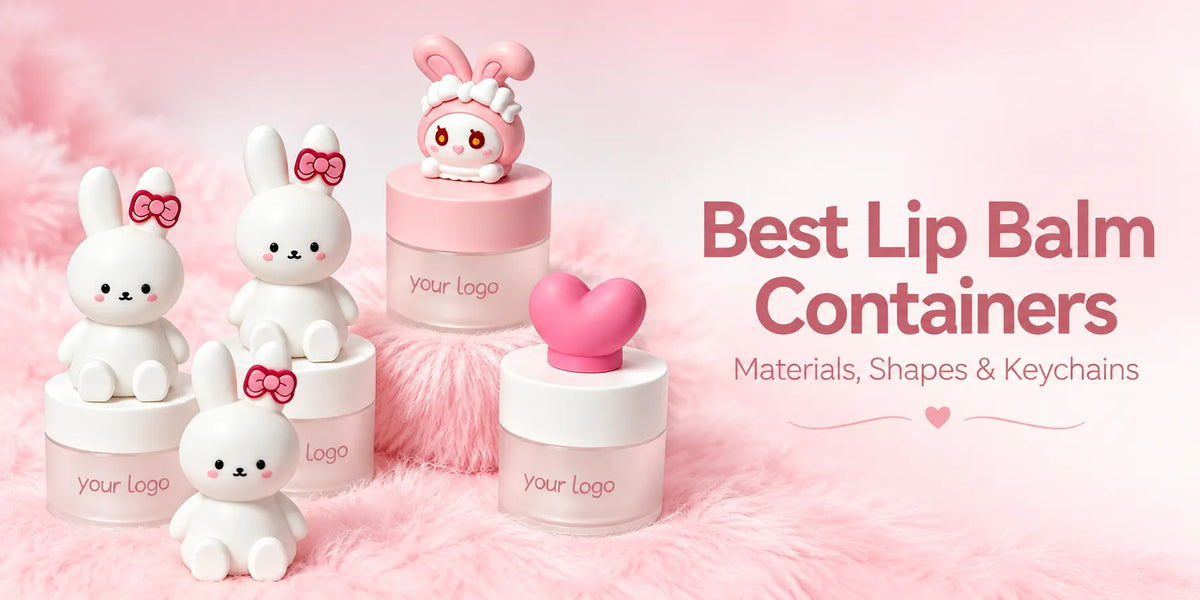
A compact squeeze tube is already easy to carry, but a keychain structure makes portability more visible and more convenient. By adding a chain, hanging loop, clip, or decorative charm, the lip gloss can be attached to a handbag, cosmetic pouch, backpack, or key ring instead of being stored loosely inside. The package begins to work as both a lip product and a small beauty accessory.

This direction also creates more room for visual expression. The keychain color and decorative detail can coordinate with the tube body, cap, logo, or lip gloss shade, helping a simple soft tube feel more playful, collectible, or suitable for a themed product series. KAIYA offers selected keychain-style makeup packaging directions for portable lip-product concepts.

The attachment should still be considered as part of the package rather than a separate ornament. Its connection position, cap security, hanging balance, opening direction, repeated movement, and possible surface rubbing need to be reviewed so the keychain remains convenient without interfering with dispensing or damaging the finished appearance.
4. One Squeeze Tube Can Express Clear, Playful, or Premium Lip-Care Styles
A flexible tube may begin with a simple structure, but it does not have to look basic. Formula visibility, body color, cap design, and restrained decoration can move the same squeeze-tube family toward very different lip-product positions:
- Clear and formula-led: a transparent body lets the gloss color, shimmer, pearl, or jelly texture become the main visual feature. Pairing it with a clear, white, or softly colored cap keeps the package fresh and light.

- Soft and treatment-led: frosted, translucent, milky, nude, or pastel tones can give lip serum, balm gel, and nourishing gloss a gentler lip-care appearance. An off-white or cream body created through controlled spray coating can feel clean and warm; adding a soft pink cap, logo, or small color detail prevents an all-white package from appearing too plain.

- Bold and trend-led: high-saturation pink, red, orange, blue, or another strong brand color can be paired with individual silk-screen graphics or hot-stamped details. Strong color establishes the visual attitude, while the logo, lettering, or graphic treatment gives the tube a more recognizable trend-led identity.

- Refined and premium: silver combined with vacuum metallization creates a bright, reflective metallic effect. Paired with clear, white, black, or another restrained tube color, this finish can give the squeeze tube a cleaner and more high-end appearance.

The design does not need every element at once. A clear formula-focused body with one distinctive cap, an off-white tube softened with pink, a saturated tube with expressive printing, or a restrained body with a silver vacuum-metallized accent can each create a clear style. This also allows one tube family to support multiple SKUs while keeping the collection visually connected.
5. Formula Movement Still Determines Whether the Design Works
The formula needs to move when the tube is pressed but remain controlled once pressure stops. A highly mobile lip oil can run too quickly through an unsuitable opening, while a thicker balm gel may require more force or a different outlet. The same empty tube can therefore behave differently after two formulas are introduced.
- Fluid lip oils and lightweight glosses: usually need closer control of the opening and cap area so dispensing remains manageable.
- Medium-viscosity glosses and serum textures: need a balanced combination of tube softness and outlet size.
- Thicker balm gels or treatment textures: may need a softer body, a wider flow path, or a spreading applicator, depending on the actual formula.

These are selection directions rather than fixed rules. Filled testing should include the first squeeze, repeated dispensing, flow after pressure is released, residue left at the tip, and performance after the tube has been stored in different orientations.
6. Tube Softness, Recovery, and Cap Fit Control Dispensing
The visible tip is only one part of the dispensing route. Four elements work together:
- Body softness: affects how much pressure is needed to move the formula.
- Body recovery: influences how the tube returns after pressure is released and whether residual pressure continues pushing formula toward the outlet.
- Flow path: includes the internal opening and the route through the selected applicator.
- Cap fit: protects the outlet and provides enough internal space without pressing, bending, or rubbing the applicator.

A practical package should release a usable amount with deliberate pressure and slow down promptly after the hand stops squeezing. An oversized outlet may allow product to continue into the cap, while an overly restrictive route may require uncomfortable pressure or produce uneven dispensing.
7. Lip Gloss Squeeze Tubes Are Commonly Filled Through the Open Tail
For a typical plastic or laminated squeeze tube, the cap and shoulder end are already formed while the opposite tail remains open. During production, the tube is commonly placed with the capped end downward, the formula is dosed through the open tail, and the filled tail is then sealed and trimmed. Plastic and suitable laminated tubes generally use a heat-sealing route; the exact equipment and seal construction depend on the tube material.

This production sequence affects more than filling. Buyers should confirm the formula's filling behavior, the usable fill height, the clean area required for sealing, the final tail length, and the direction of the printed artwork before bulk production. If the logo is positioned without considering the finished seal, the front panel may not align as intended when the filled tube is displayed.
8. When a Squeeze Tube Is More Suitable Than a Wand Tube
The two formats can support different product concepts. The comparison should clarify the decision without turning every gloss into the same structure:
- Choose a squeeze route when: the product benefits from direct dispensing, compact handling, a lip-care influence, or a soft applicator integrated into the package.
- Choose a wand route when: the product depends on applicator withdrawal, wiper-controlled loading, more detailed placement, or the familiar ritual of a conventional lip gloss tube.
- Confirm with the formula when: flow, pickup, residue, or application control cannot be judged from the empty package alone.
9. Develop Lip Gloss Squeeze Tubes with KAIYA
KAIYA supplies lip gloss squeeze tubes in different capacities, visibility levels, tube colors, cap directions, and available applicator structures. We can help brands narrow the options according to formula flow, required contact surface, filling route, visual direction, and production quantity, then prepare samples for filled evaluation.
To begin a project, provide the formula type and approximate viscosity, target capacity, preferred applicator material and shape, tube appearance, decoration, filling location, and order quantity. KAIYA can then recommend a practical combination for sampling and further development.