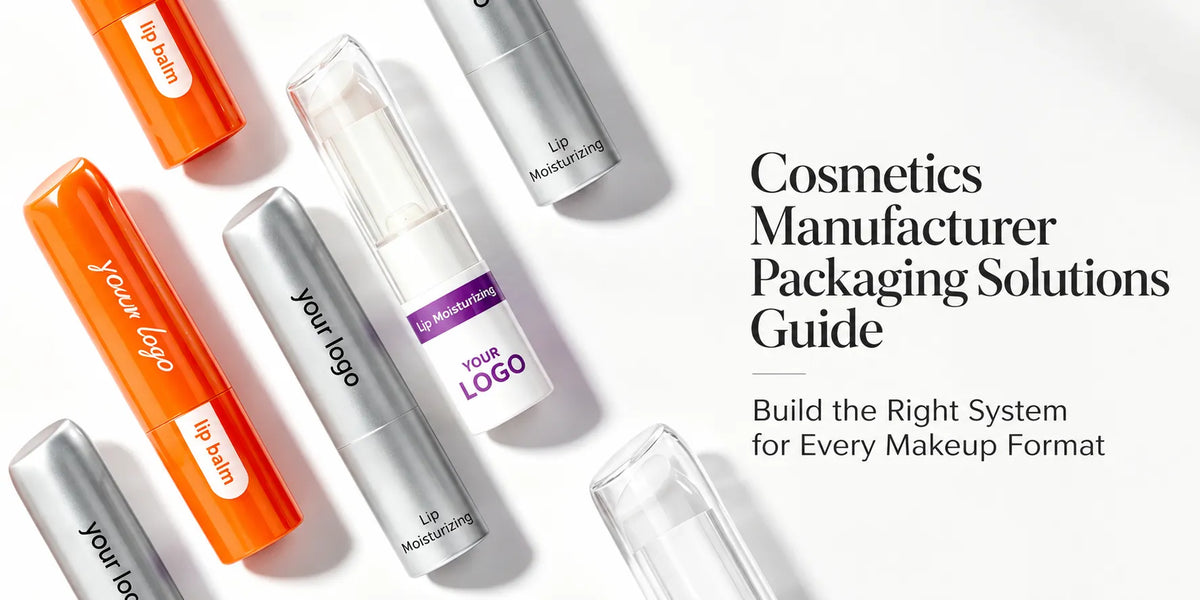
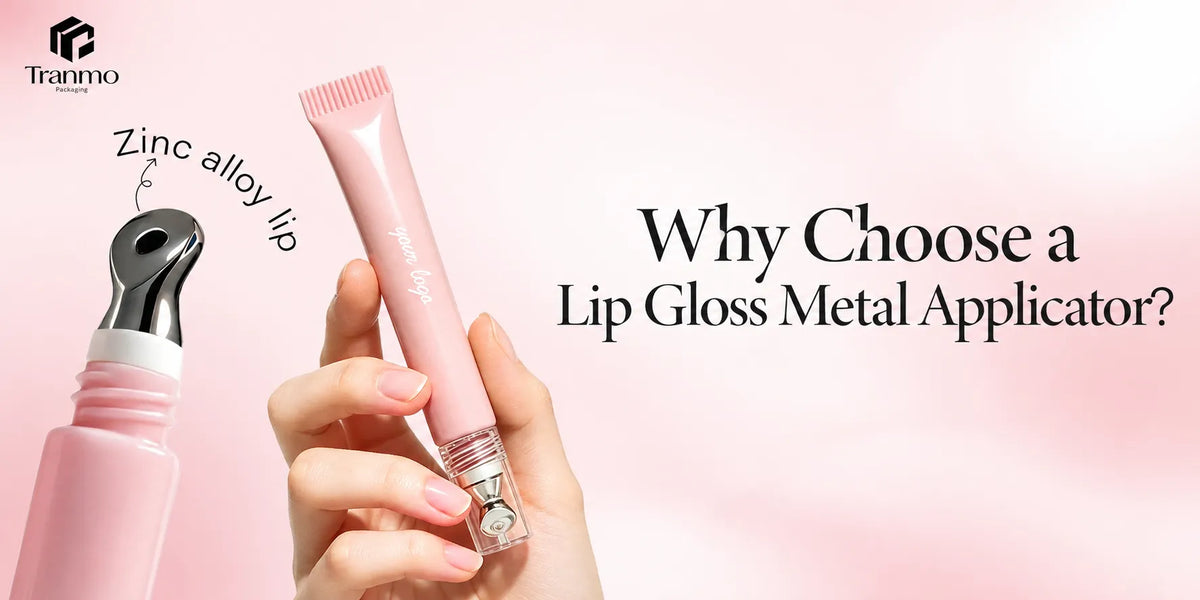
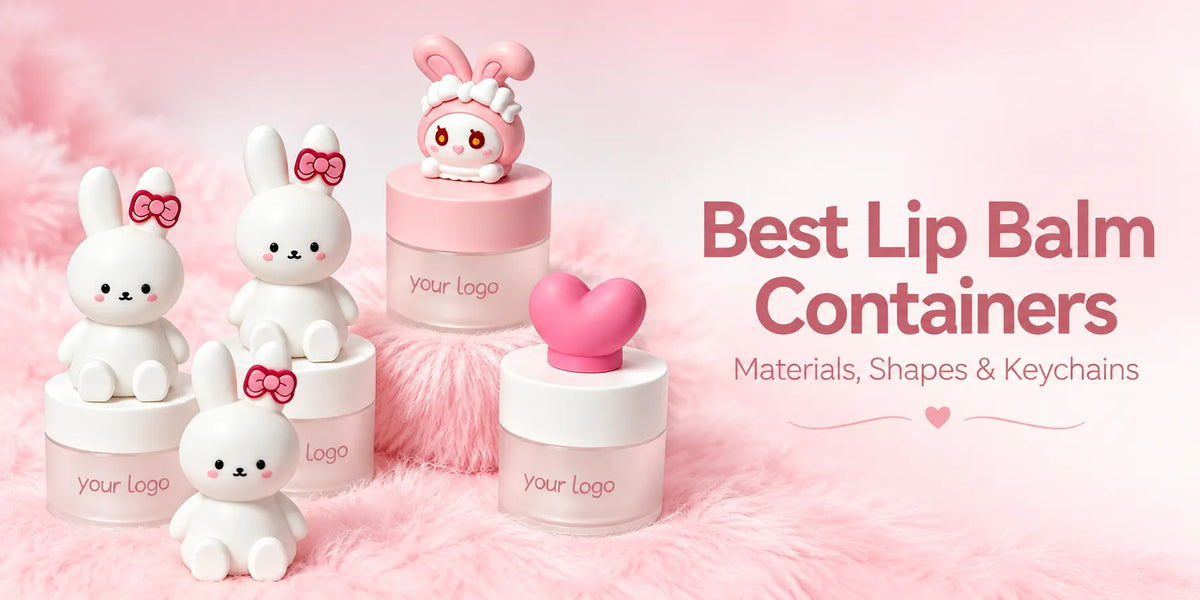
Plastic, aluminum, and paper lip balm tubes can all hold a recognizable lip care product, but they do not create the same structure, hand feel, visual result, filling route, or sustainability direction. Material selection should therefore begin with the complete tube—not with the assumption that one material is automatically more premium or more suitable for every balm.

KAIYA supplies lip balm tube packaging across plastic, aluminum, and paper directions. The practical comparison is whether the chosen material supports the required mechanism, formula, appearance, order plan, and experience in the hand.
Quick material overview:
- Plastic: broad structural and visual flexibility with lightweight handling.
- Aluminum: real-metal exterior character with a firmer, cooler touch.
- Paper push-up: paper-led construction with bottom-push operation.
- Paper twist-up: printed paper shell combined with a familiar plastic rotating mechanism.
1. Plastic Lip Balm Tubes Offer the Broadest Practical Range
Plastic lip balm tubes are the most widely adaptable route because plastic can form the outer body, cap, base, cup, and rotating mechanism in coordinated components. Existing molds cover classic cylinders, oval and square profiles, slim and mini sizes, thicker clear walls, rounded forms, and more playful silhouettes.

The main advantage is design freedom without automatically changing the entire operating structure. A brand can retain a proven twist mechanism while adjusting the body proportion, molded appearance, transparency, cap shape, or exterior finish. Plastic is also lightweight and generally provides a practical cost route for larger production runs or collections with several coordinated SKUs.

Plastic should not be treated as one uniform material experience. Resin selection, wall thickness, clarity, rigidity, surface process, formula contact, and filling conditions all influence the result. A thick clear component can feel more substantial, while a thin compact tube emphasizes portability. The intended plastic cosmetic packaging sample therefore matters more than the material name alone.
2. Aluminum Lip Balm Tubes Create a Real-Metal Exterior
Aluminum lip balm tubes are selected when the project needs a genuine metal shell rather than a metallic-looking coating. The material gives the exterior a firmer structure, cooler first touch, and more precise tactile character while remaining relatively lightweight compared with many other metal packaging routes.

Its strongest advantage is the combination of authentic metal texture and a clean, refined appearance. Depending on the component and project, aluminum can support silver, gold, selected colored, matte, gloss, printed, or engraved directions. It should not be confused with vacuum metallization, which creates a reflective metal-like surface on another base material but does not reproduce the same real-metal texture and feel.

An aluminum exterior does not mean every part is metal. Selected tubes use an aluminum shell around plastic components that provide the cup, rotation, or cap connection. This mixed construction preserves the familiar balm mechanism while giving the outside a genuine metal identity. Any sustainability claim should still consider the complete component composition and the relevant collection and recycling route.
3. Paper Lip Balm Tubes Include Two Different Structures
Paper lip balm tubes offer a warmer tactile surface, lighter visual character, and a broad area for custom artwork. They can support natural kraft styling or refined full-color printing, but their most important difference is structural: KAIYA works with both push-up and twist-up paper routes.

- Push-up paper tube: the user presses the bottom platform to raise the balm. This route can use a paper-led construction without a plastic rotating mechanism, making it the clearer choice when reducing the conventional plastic mechanism is central to the project. Its advantages are a direct material story, warm paper touch, lightweight body, and a large printable surface. The trade-off is that the manual push action feels different from a standard twist tube.

- Twist-up paper tube: the printed paper outer shell is combined with a plastic rotating mechanism. It keeps the familiar twist-up operation and gives brands the visual and tactile character of paper without asking users to change the way they raise the balm. Its advantage is therefore convenience and paper-led appearance together, but it must be described accurately as a mixed-material package rather than a 100% paper tube.

Both structures can carry kraft graphics, full-color patterns, illustrated collections, or restrained branded artwork. Buyers still need to confirm the inner contact surface, wall construction, balm support, cap fit, filling condition, storage, and repeated opening. The environmental value of paper should be connected to the actual structure and material composition rather than assumed from the outer appearance.
4. Material Changes the Way the Tube Feels and Operates in the Hand
Hand feel is one of the clearest differences among these materials, and it is easier for a buyer to understand through a physical sample than through a material specification alone.
- Plastic: feels light and familiar. A smooth glossy wall, soft-touch coating, thicker clear structure, or rounded shape can change the experience significantly, so plastic should not be reduced to one low-cost tactile result.
- Aluminum: feels cooler at first contact and more rigid around the outer shell. The real-metal surface can make a slim tube feel more precise and structured even when the internal operation is similar to a plastic mechanism.
- Paper: feels warmer, drier, and less slippery. Printed board, kraft texture, and tube wall construction influence how handmade, natural, or refined the package appears.

Operation also changes the experience. A plastic or aluminum-shell twist tube raises the balm through rotation. A paper twist tube keeps that familiar movement, while an all-paper push-up tube requires the user to press the platform manually. Material and mechanism should therefore be presented together when samples are compared.
5. Formula and Filling Requirements Follow the Complete Structure
Solid balm performance depends on the formula, product diameter, cup or platform, filling or molding route, cooling behavior, and cap clearance. Material alone cannot confirm suitability.
A plastic twist tube may use a direct-filled or separately formed balm route depending on the component and formula. An aluminum-shell tube normally relies on the inner structure—not the decorative metal shell—to support the product. Paper push-up and twist-up formats need their own review of formula hardness, filling condition, inner contact surface, cooling, and how the balm remains supported during use.
Production-representative filled samples are especially important when changing from one material route to another. A balm approved in a plastic twist tube should not automatically be assumed to behave the same way in a wider paper platform or another cup design.
6. Surface Processes Must Follow the Material
The material determines which process will look convincing and remain practical on the finished component. Instead of applying the same decoration list to every tube, buyers should match the artwork and desired tactile effect to the actual surface.
- Plastic: spray coating can create matte, gloss, gradient, or selected soft-touch directions; silk screen printing supports clear logos and spot-color graphics; hot stamping adds defined foil details; and vacuum metallization creates a reflective metal-like appearance. The process must suit the resin, curvature, and handling area.

- Aluminum: the real-metal surface can remain visually prominent or receive selected printing, surface finishing, and laser engraving according to the component. Engraving can create a precise permanent detail, while printed or finished areas should be sampled to confirm adhesion, contrast, and texture.

- Paper: the outer shell is especially suitable for full-surface printed artwork, repeated patterns, kraft-led graphics, and confirmed hot-stamped details. Artwork should account for seams, edges, cap alignment, and the visible direction of the tube when opened and closed.

Decoration proofs should use the final material and component geometry. A flat artwork file cannot show how a logo crosses a curve, how foil sits near an edge, how a coating changes the grip, or how a paper pattern aligns around the tube. The approved physical sample should therefore remain the production reference.
7. Compare the Main Lip Balm Tube Material Routes
| Material route | Main character | Use experience | Priority confirmation |
|---|---|---|---|
| Plastic | Broad shapes, colors and transparency | Light, familiar, finish-dependent | Resin, mechanism, clarity, decoration |
| Aluminum shell | Real-metal exterior | Cooler, firmer, more structured | Complete material set, inner mechanism, finish |
| Paper push-up | Paper-led construction | Manual bottom push | Formula, platform, inner contact, closure |
| Paper twist-up | Paper shell with plastic mechanism | Familiar rotation | Material composition, mechanism, artwork |
8. Select the Material from the Product Priority
Choose plastic when the project needs broad shape freedom, custom colors, transparency, integrated mechanisms, and an efficient scale route. Choose aluminum when a genuine metal exterior and firmer tactile identity are important. Choose paper when the brand accepts either a manual push-up operation or a mixed paper-and-plastic twist structure in exchange for the desired paper material story and printed surface.
The final decision should be made from complete samples. Compare weight, grip, cap and mechanism movement, formula support, decoration, packing, and the actual material composition side by side.
9. Build the Material Choice into the Complete Lip Balm Project
KAIYA can help brands compare plastic lip balm containers, aluminum-shell tubes, all-paper push-up tubes, and paper-shell twist-up tubes according to the desired appearance, hand feel, operation, formula, filling route, customization, and production quantity. Material selection works best when it is made early enough to guide the structure and artwork—not added as a label after the tube has already been designed.