To start a lip gloss line, define the customer and product experience first, then choose a manufacturing route, build a focused shade assortment, match the formula with an applicator and container, and approve samples before placing a production order. Budget for the complete launch—not only the price of the filled tube.
At a glance:
- Define your customer, product types and desired finish.
- Choose a manufacturing route and plan shades and quantities.
- Match the formula with the applicator and container.
- Approve samples and budget for production and launch.

1. Define the Role of Your Lip Gloss Line
Start by writing a short product brief: who will use the gloss, where it will be sold, the intended price position and what the product should look and feel like. A line built around a clear everyday shine will require different decisions from a collection centered on pearl effects, strong color or an interactive color change.
Give each proposed product a distinct role. For example, a first assortment might include a clear gloss for layering, a sheer pink gloss for everyday color and a pearl gloss for a more visible reflective finish. This is an example, not a mandatory launch size. Check whether each direction answers a separate customer need before adding another shade or effect.
- Research Comparable Lip Gloss Lines Before Sampling
Choose a small set of products sold through the channels you intend to use. Record each reference's retail price, size, color and finish, applicator, claims and packaging presentation. Then compare them with customer reviews or retailer feedback: are customers asking for more pigment, less tack, a different applicator or better control of the amount applied?
Turn those observations into a product brief rather than copying another brand. For example, a brand targeting a mid-priced online collection might ask KAIYA to sample a sheer everyday gloss with a more cushioned feel and a controlled applicator pickup. Treat the benchmark as a starting reference; define the changes, pricing target and intended customer experience in your own terms.
2. Choose Your Product Types and Finish
Within KAIYA's private label lip gloss range, buyers can discuss clear, tinted, pearl, plumping and selected color-changing directions. These are product choices rather than interchangeable shade names.
- Clear gloss: prioritizes transparent shine and can be worn over another lip color.
- Tinted gloss: adds visible color while retaining a glossy finish; choose the desired balance of transparency and coverage.

- Pearl or shimmer gloss: combines shine with reflective particles; compare how the pearl looks in the tube and on the lips.

- Plumping gloss: adds a fuller-looking effect and may include a warming sensory direction. Define the intended intensity and comfort with the manufacturer.

- Color-changing gloss: offers a visible color response or a changing reflective appearance, depending on the selected product direction.
- Metallic peel-off lip gloss: applies as a liquid coating with a metallic finish, then dries into a peelable film. After the film is removed, a base color remains on the lips. KAIYA offers black, silver and gold metallic directions for brands seeking a distinctive color-reveal experience.

Adjacent products can extend the range, but should have their own role. A lip oil may offer a more fluid oil feel, while a lip tint or lip stain focuses on the color left behind. Choose them because your customer needs that experience, not simply to increase the number of SKUs.
3. Select a Manufacturing Route
Choose the route according to how much of the product you have already defined and how much development your lip gloss line needs.
- Private Label: Start with an Available Product
With private label cosmetics, the buyer selects an available formula, shades and compatible packaging, then adds brand artwork. KAIYA coordinates samples and production. This route reduces early formula development for a branded lip gloss line.

- OEM: Manufacture to Your Product Brief
For OEM cosmetics, the buyer provides a formula, benchmark sample or technical specification. KAIYA prepares the product for sampling and production. This route gives buyers a defined product standard for approval and repeat orders.
- Custom: Develop Your Desired Lip Gloss Experience
A custom formulation project starts with the buyer's target texture, color and finish. KAIYA develops the formula and compatible presentation around that brief. This route gives brands more room to differentiate their product, with sampling scoped to the project.
A benchmark sample can help with either OEM or custom development. Explain what you want to keep and change—for example, the reference has the right shine but feels too sticky, or the color looks attractive in the tube but is too sheer on application.

- What to Compare When Choosing a Manufacturer
Ask each prospective partner which parts of the project it manages: formula selection or development, shade sampling, packaging sourcing, filling and repeat production. Request a sample that uses the proposed formula and applicator together, then clarify who approves artwork, who coordinates relevant testing and documents, what the minimum covers and what happens if a component changes on a repeat order. Compare the quoted scope and responsibilities as well as the per-unit price.
4. Plan Shades and Quantities Together
For each proposed shade, record the tube appearance, color on application, coverage, undertone and finish. KAIYA can prepare shade samples around the selected formula direction so buyers can compare color and finish side by side: two shades that look distinct in the bottle can appear too similar on lips. A clear launch plan should state the intended quantity by shade, expected sales channels and how you will replenish successful colors.
KAIYA's standard starting point for applicable private label, OEM and custom cosmetics projects is 12,000 pieces per SKU. Where formula and production conditions allow, that total may be allocated among multiple colors; the number of shades and allocation must be confirmed for the project. Special projects may have different terms. Ask for the quotation to show exactly how the proposed assortment and quantities are treated.
5. Match the Formula, Applicator and Container
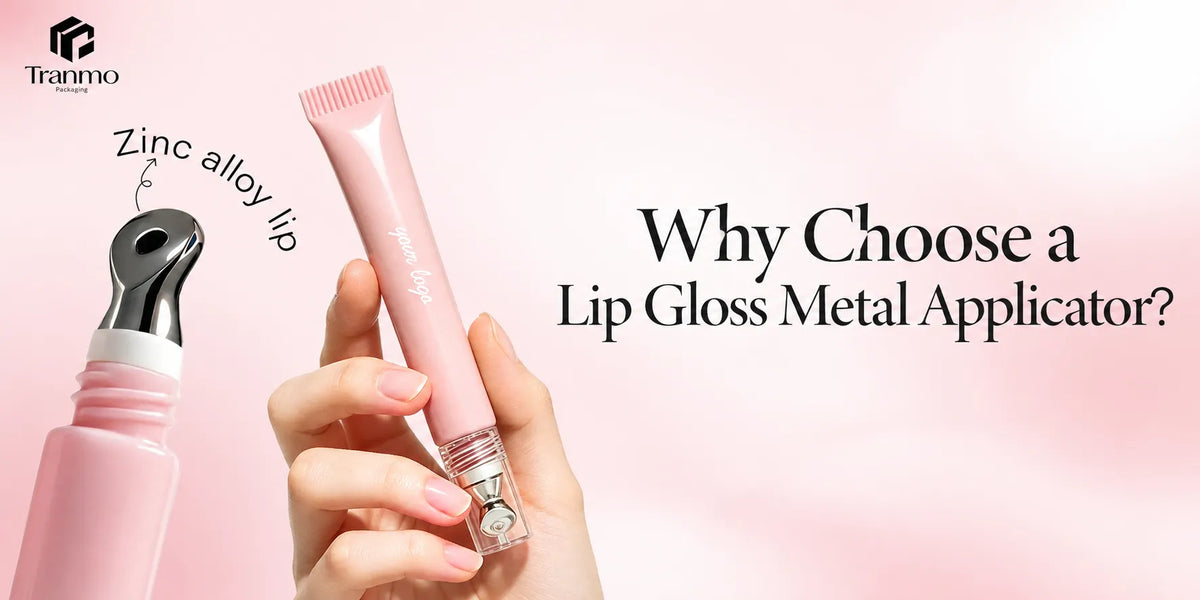
The container should work with the formula as well as the brand design. A wand tube combines the reservoir, wiper, stem and applicator: together they affect pickup, the amount deposited and cleanliness around the opening. A squeeze tube uses a different dispensing method and needs suitable flow and outlet design.

Compare samples as complete units. Check whether the applicator picks up enough gloss, whether the wiper removes excess product, whether the cap closes properly and whether the package remains suitable for the formula during handling and storage. KAIYA can coordinate finished-product development with compatible lip gloss containers, so packaging decisions are reviewed alongside formula and application.

6. How Much to Start a Lip Gloss Line?
There is no reliable single launch price: the cost depends on the formula route, number of shades, quantities, container, decoration, market and distribution plan. Request a project-specific quotation and separate one-time costs from costs that recur per unit or order.
- Product development: existing formula selection versus custom formulation, additional shades and sample revisions.
- Samples: compare the scope of unbranded, OEM and logo-decorated samples. KAIYA's existing stock samples and OEM samples have no sample fee; samples with a buyer's printed logo incur a fee based on the packaging and printing requirements. Shipping is confirmed separately.
- Manufacturing and primary packaging: formula, filling, tube, applicator, wiper, cap and the requested quantity.
- Branding and outer packing: artwork, printing, decoration, cartons, inserts and any project-specific tooling.
- Market and launch costs: applicable testing and documentation, freight, duties, storage, photography, marketing and sales-channel fees.
For a practical comparison, ask for the same quote breakdown for two options: an available formula in an existing container, and your preferred custom direction. Check which costs are included, when they are payable and how the unit price changes with quantity. A lower unit quote does not automatically mean a lower total launch budget if it requires more inventory or tooling.
7. Review Samples and Market Requirements
Before approval, compare the complete product against the brief: color on lips, gloss, feel, applicator pickup, closure and artwork. KAIYA reviews the chosen formula with its container and applicator, helping the buyer assess the product as a complete unit rather than approving each component in isolation. Review the formula and package together under the handling and storage conditions relevant to the destination. Agree on the approval reference, inspection expectations and any changes that need a new sample.
Confirm the requirements in each intended market before finalizing labels or claims. For the United States, the FDA provides an overview for small cosmetics businesses, including labeling and relevant regulatory resources. The responsible parties and applicable requirements depend on the project and market; review them with qualified local support.
8. Prepare a Brief for Your Manufacturer
A clear product brief helps the manufacturer recommend a practical starting point and prepare a relevant quotation. Include:
- Market and customer: Destination countries, target buyer, selling channels and intended price position.
- Product direction: Gloss types, desired shine, coverage, texture, after-feel and any flavor or effect requirements.
- Shades and references: Target colors, finish references and benchmark samples, including what you would like to change.
- Packaging and branding: Container and applicator preferences, logo method, artwork and outer-box requirements.
- Quantity and schedule: Estimated total, proposed shade or flavor allocation, and required delivery date.
- Project requirements: Target budget, any known testing or documentation needs, and decisions where you need the manufacturer's advice.
Mark the requirements that are fixed and those you are open to adjusting. KAIYA can then review the formula, packaging and production route around the same brief.
9. Prepare the Launch and Plan Reorders
Before confirming your first order, work backward from the planned selling price and channel. Add the expected product cost, inbound freight and duties, sales-channel fees, fulfillment, marketing and returns allowance to estimate the cost of selling each unit. A practical working estimate is: expected selling price minus these variable costs equals the amount available toward fixed launch costs and profit. Use your actual quotation and channel terms; do not treat a manufacturer's ex-factory price as the finished landed cost.
Prepare product photography and shade descriptions using the approved samples, and plan how customers will compare finishes and colors. Decide which launch channels you can support, then track sales by shade, customer feedback and stock levels. Before reordering, review the approved formula, artwork and component specifications with the manufacturer, especially if you plan to change a wiper, applicator or supplier.
Start Your Lip Gloss Project with KAIYA
KAIYA coordinates formula selection or development, shade samples, compatible packaging, filling and branded finished-product production. Send us your target custom