Foundation Manufacturing Process: From Brief to Production
As one of the experienced makeup foundation manufacturers supporting private label projects, KAIYA coordinates formula selection or development, sampling, primary-package matching, filling or forming, assembly, finished-product review and repeat production. Buyers provide the target market, format, coverage, finish, skin-type positioning, shade plan and packaging direction, so each approved decision remains connected through commercial production.
KAIYA supports brands seeking China makeup foundation manufacturing by connecting the product brief, formula or reference, shade plan, primary packaging and production requirements through one project team.
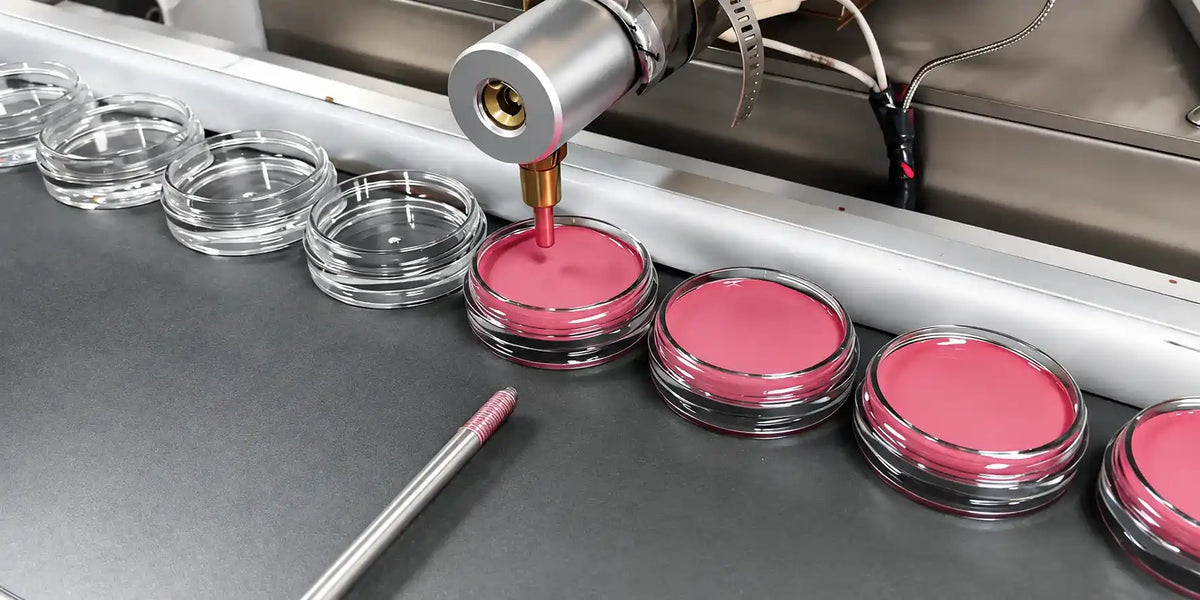
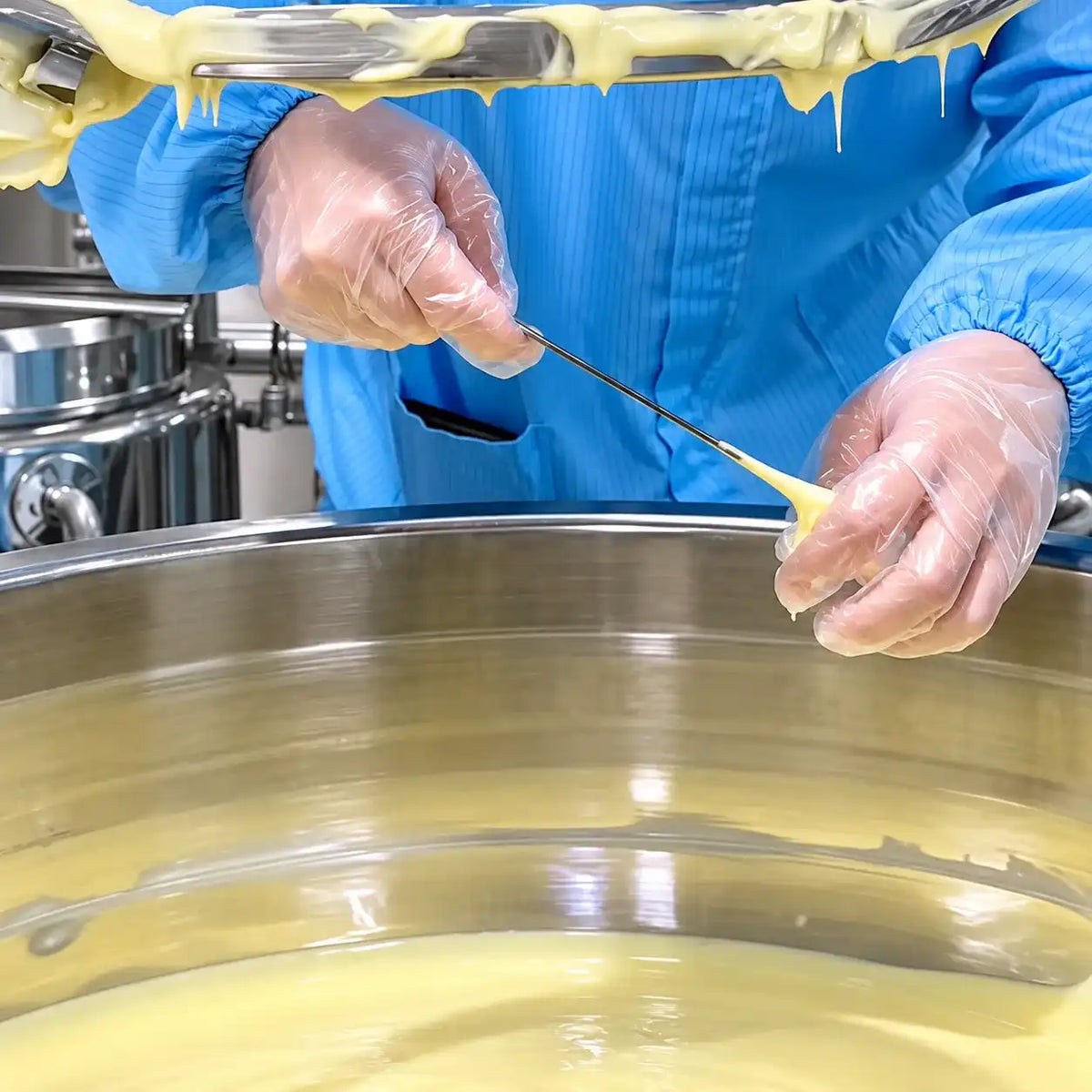
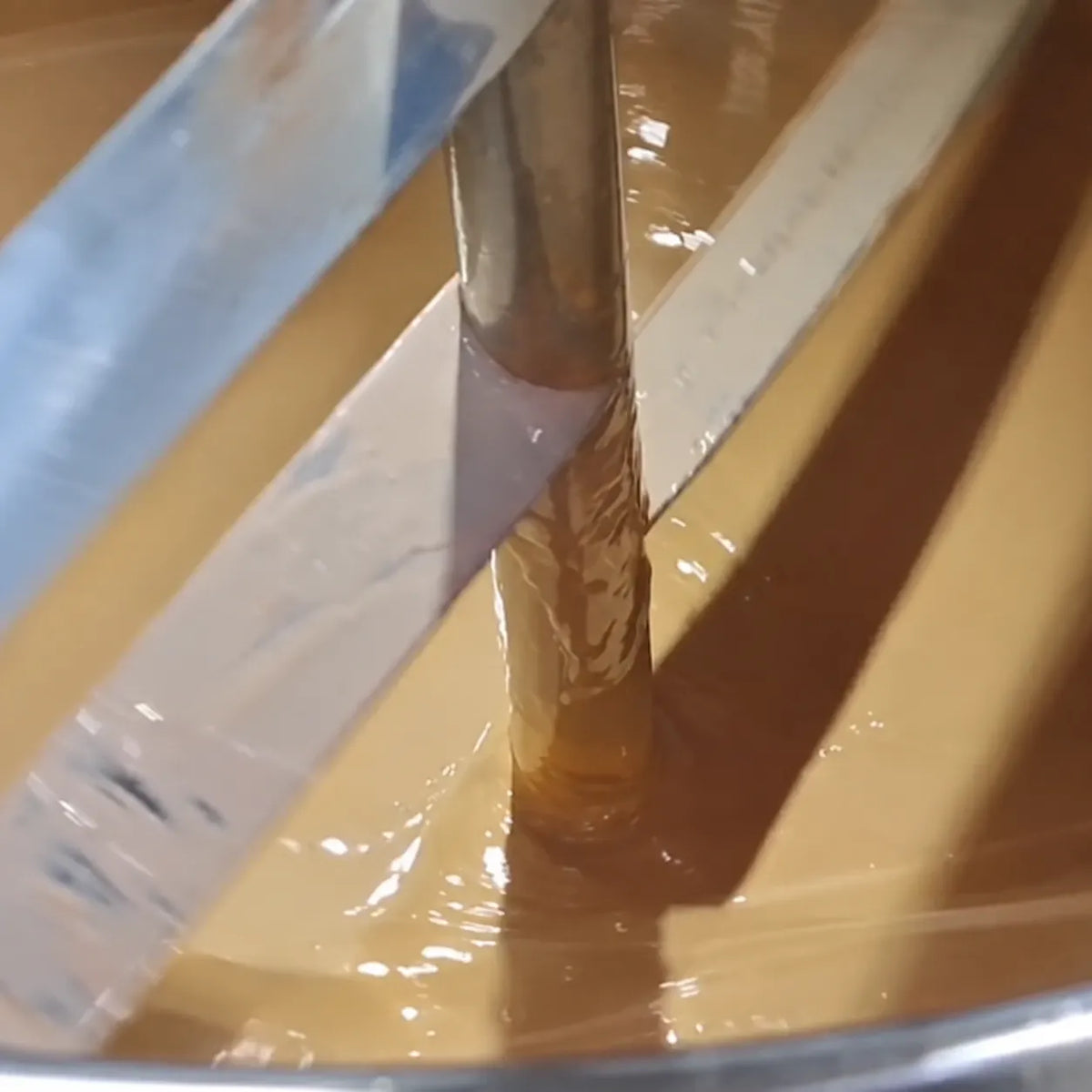
For applicable liquid and cream batches, vacuum emulsifying and homogenizing equipment supports phase mixing, pigment dispersion and air control. A liquid foundation manufacturer must also match viscosity and particle behavior to the filling and dispensing system. Stick and cream formats require heated handling and controlled filling or forming, while bubble and color-reveal formulas need suitable handling to preserve their visible particles.

Choose the Format
The first decision is how the foundation should move, apply and travel with the consumer. Liquid, cushion, stick and cream formats can reach similar finish or coverage directions, but they require different application habits, formula structures and primary packages.
Liquid Foundation
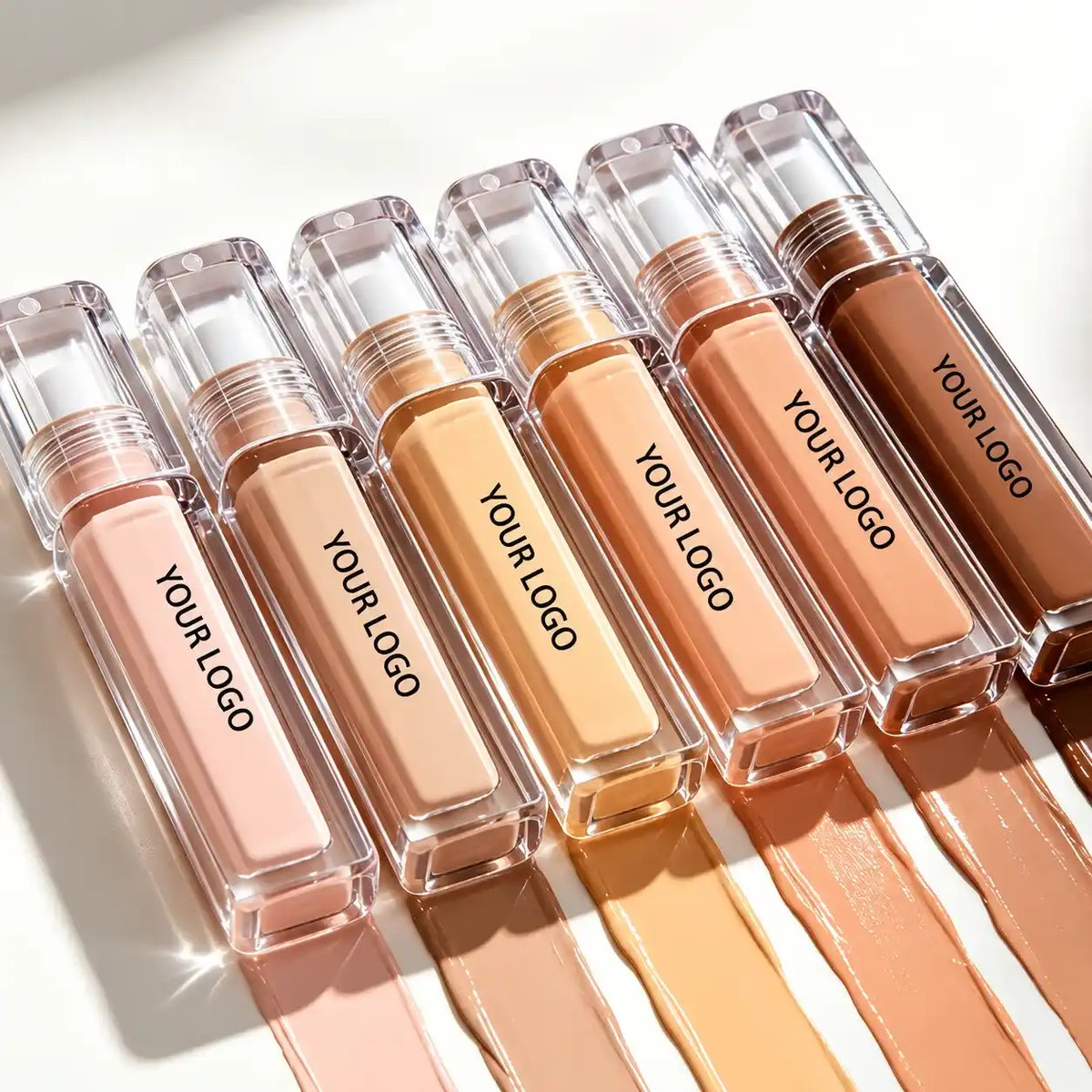
Liquid foundation uses a fluid or lotion-like emulsion that spreads across the face in a thin, adjustable layer. As a liquid foundation manufacturer, KAIYA can develop matte, semi-matte and luminous directions with light, medium or buildable coverage, depending on the brief. For a private label liquid foundation project, buyers should define whether easy spread, rapid setting, oil control, radiance or one-pass coverage has priority.
Foundation Stick
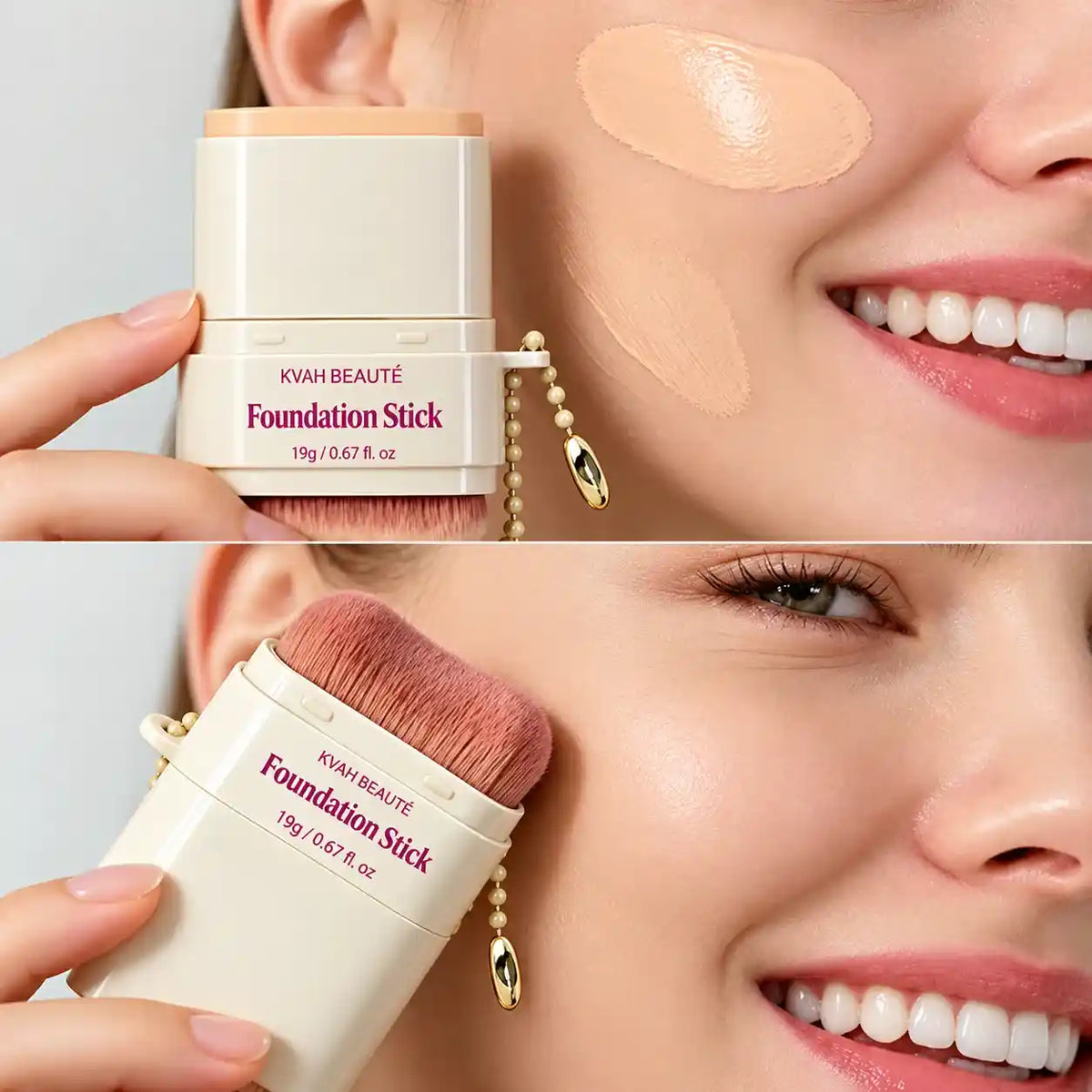
A foundation stick holds a smooth cream formula in a twist-up format for direct application to targeted areas or the full face. KAIYA's current direction has a semi-matte finish, medium-to-high coverage and a creamy glide that blends without an oily after-feel. A private label foundation stick can be adjusted around payoff, hardness, spread and the balance between coverage and natural skin fit.
Cushion Foundation
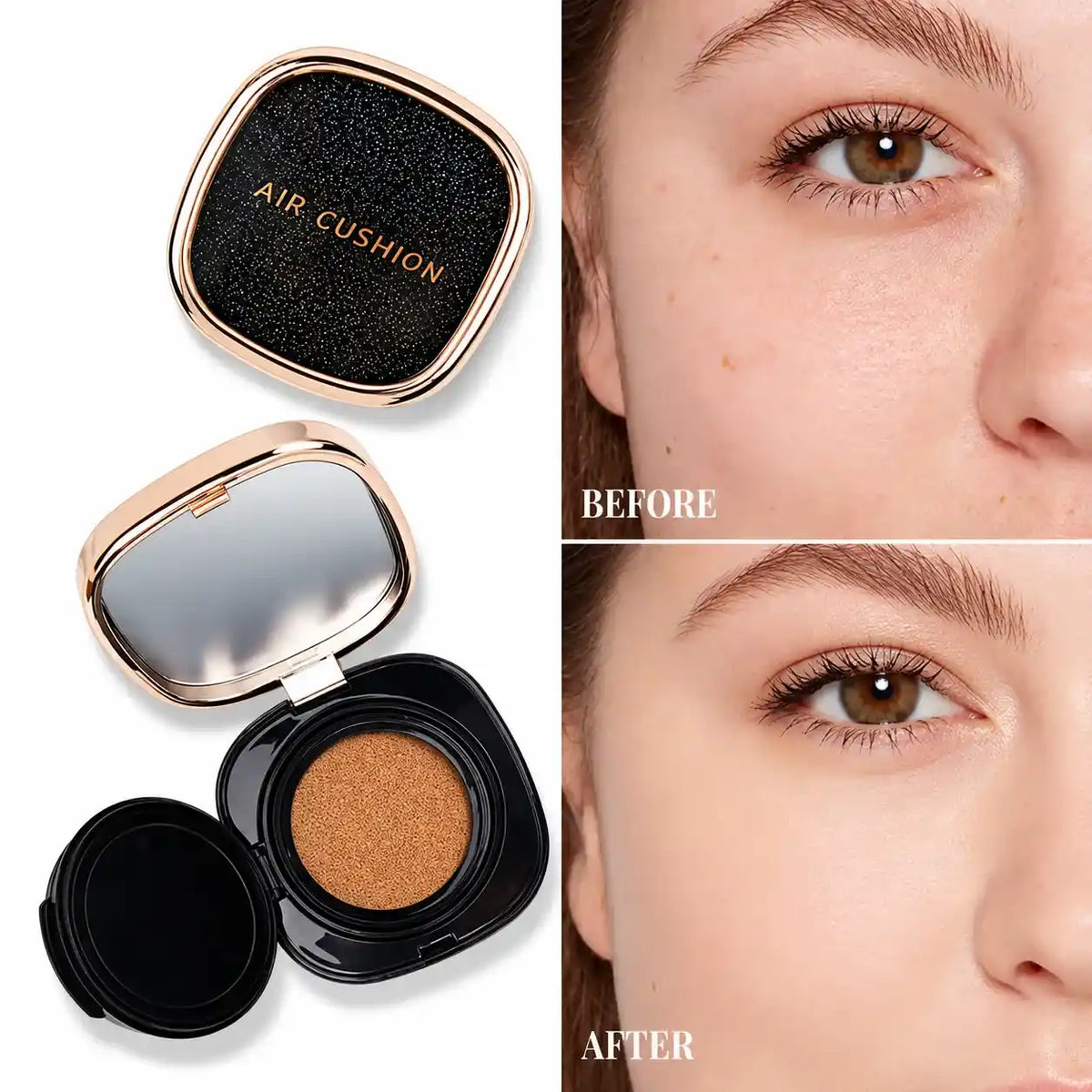
Cushion foundation places a lightweight, cream-like base formula beneath a mesh dispensing surface for controlled pickup with a puff. KAIYA's current air cushion direction has a light feel and slight dewy finish. Formula viscosity, emulsion stability and sealing must be reviewed together because overly fluid bulk can separate, release surface oil or leak during transport.
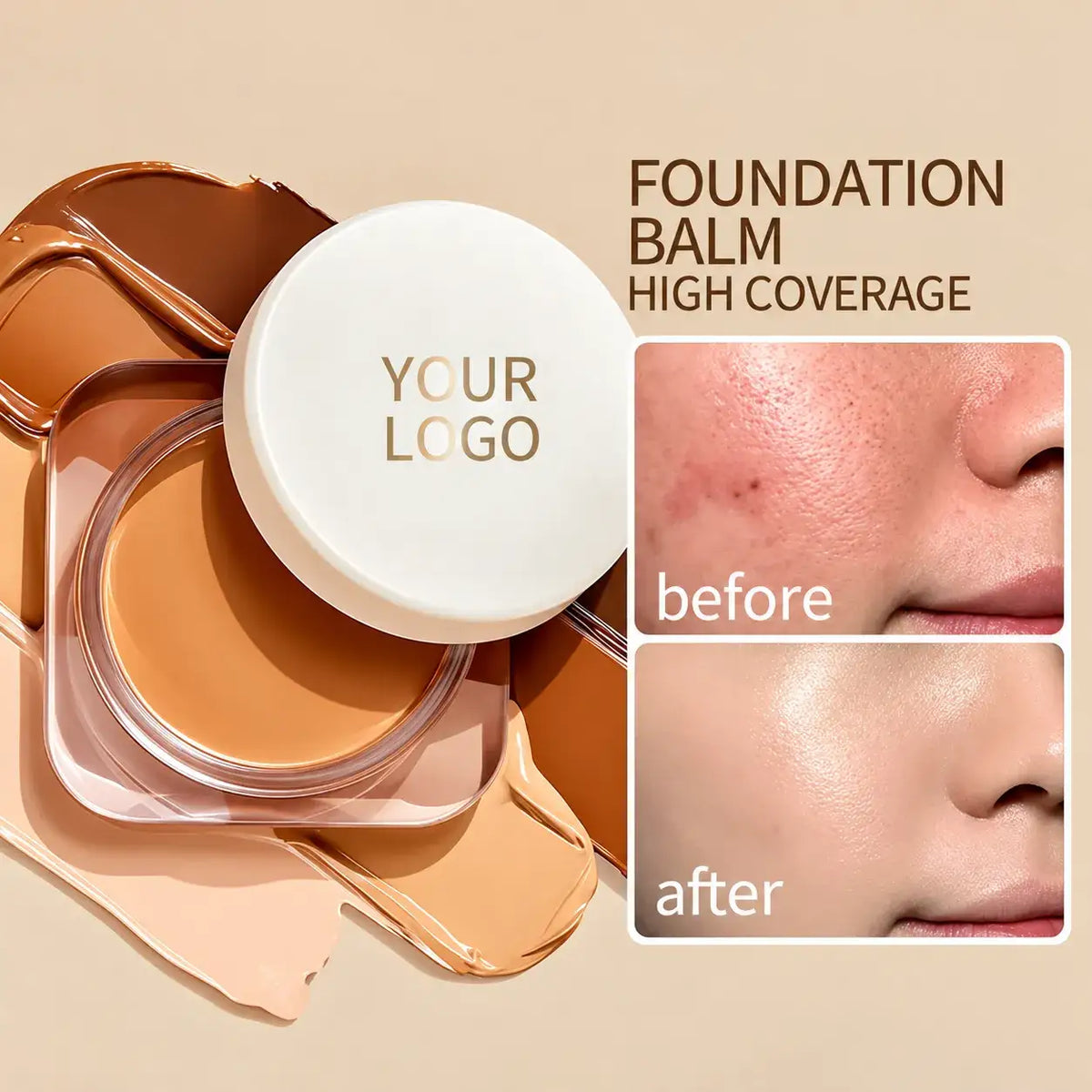
Cream Foundation
Cream foundation has a denser, scoopable texture that can provide controlled pickup and concentrated coverage without using a liquid pump. KAIYA can develop a semi-matte direction with a medium-light feel, good skin adhesion and strong coverage. Selected cream structures can soften through circular pickup before application, while other versions can be designed for direct sponge or fingertip use.
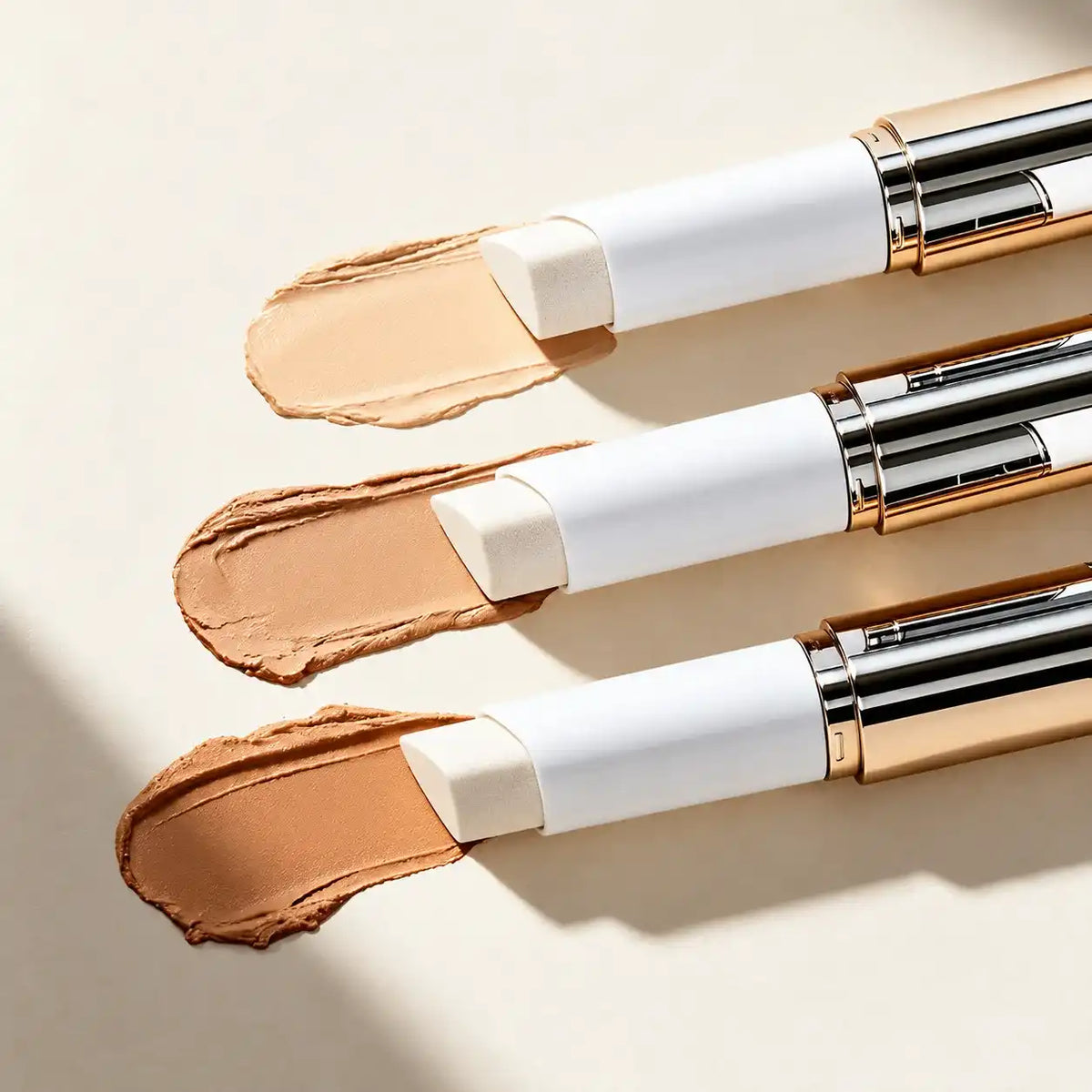
Color-Changing Foundation Stick
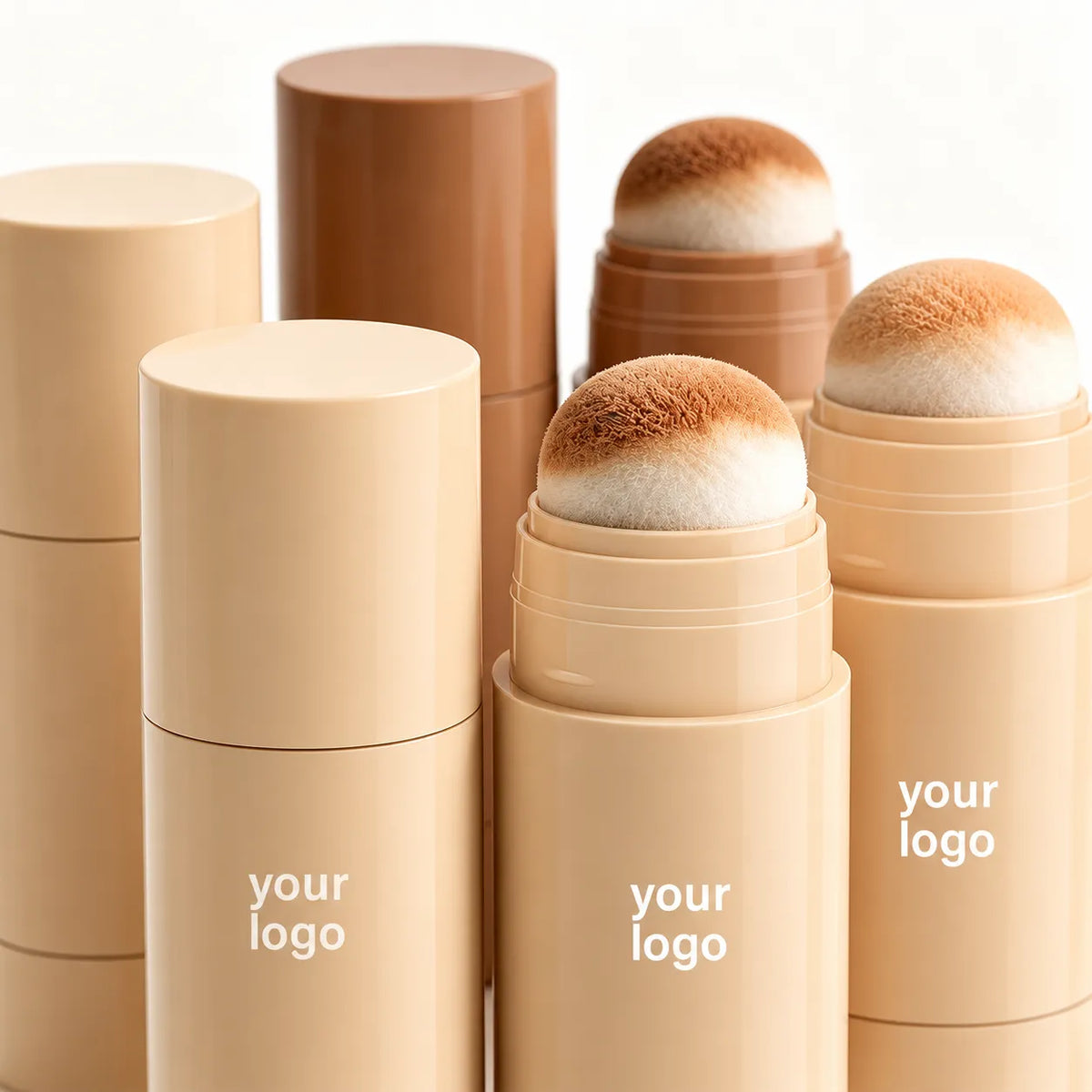
A color-changing foundation stick begins as a white or pale cream bullet and reveals a pre-developed complexion shade as it is blended across the skin. The formula can be directed toward a lightweight semi-matte finish with smooth glide and moderate coverage. Particle release, stick hardness and shade development should remain even so no pale streaks or concentrated pigment marks remain after application.
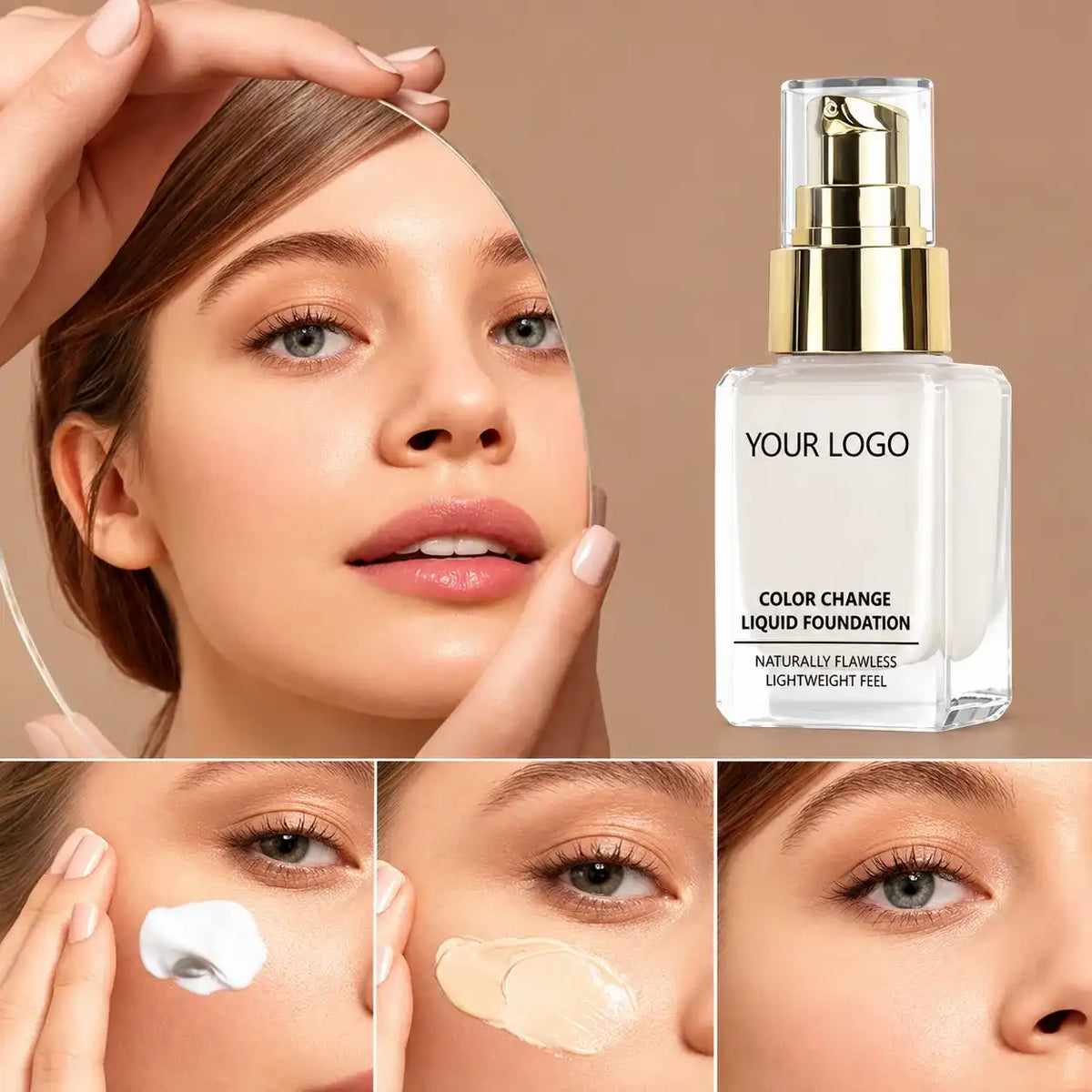
Color-Reveal Liquid
Color-reveal particle foundation begins with a white, grey or lightly colored base. Rubbing or blending releases encapsulated pigments and reveals a planned complexion shade. KAIYA can evaluate matte, semi-matte or luminous versions, but each formula still needs a defined target shade; the product does not create an unlimited individual match for every skin tone.
Private Label Foundation Collection
Custom Liquid Foundation Formulation
KAIYA develops a custom liquid foundation by defining color, texture, finish and skin-type positioning as one connected brief. These decisions should be reviewed together because higher coverage, faster setting, stronger oil control or a more luminous finish can change spread, comfort and package behavior.
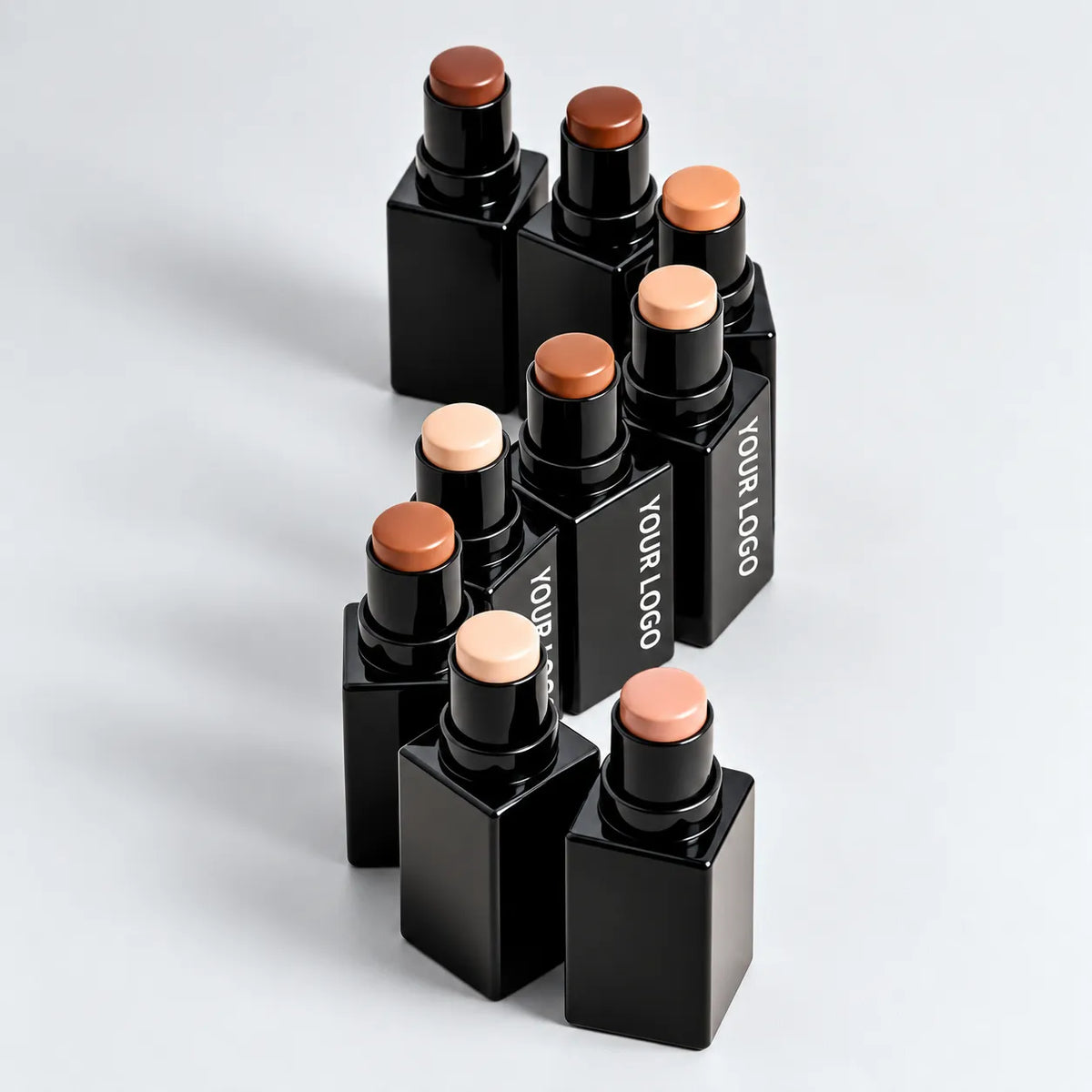
Custom Color Direction
A liquid foundation range can cover fair, light, medium, tan, deep and rich-deep depths, with cool, neutral, warm, golden, olive or red undertone directions. Each custom foundation shade can begin from a physical reference or agreed target, then be confirmed after application and set-down rather than relying on shade names alone.
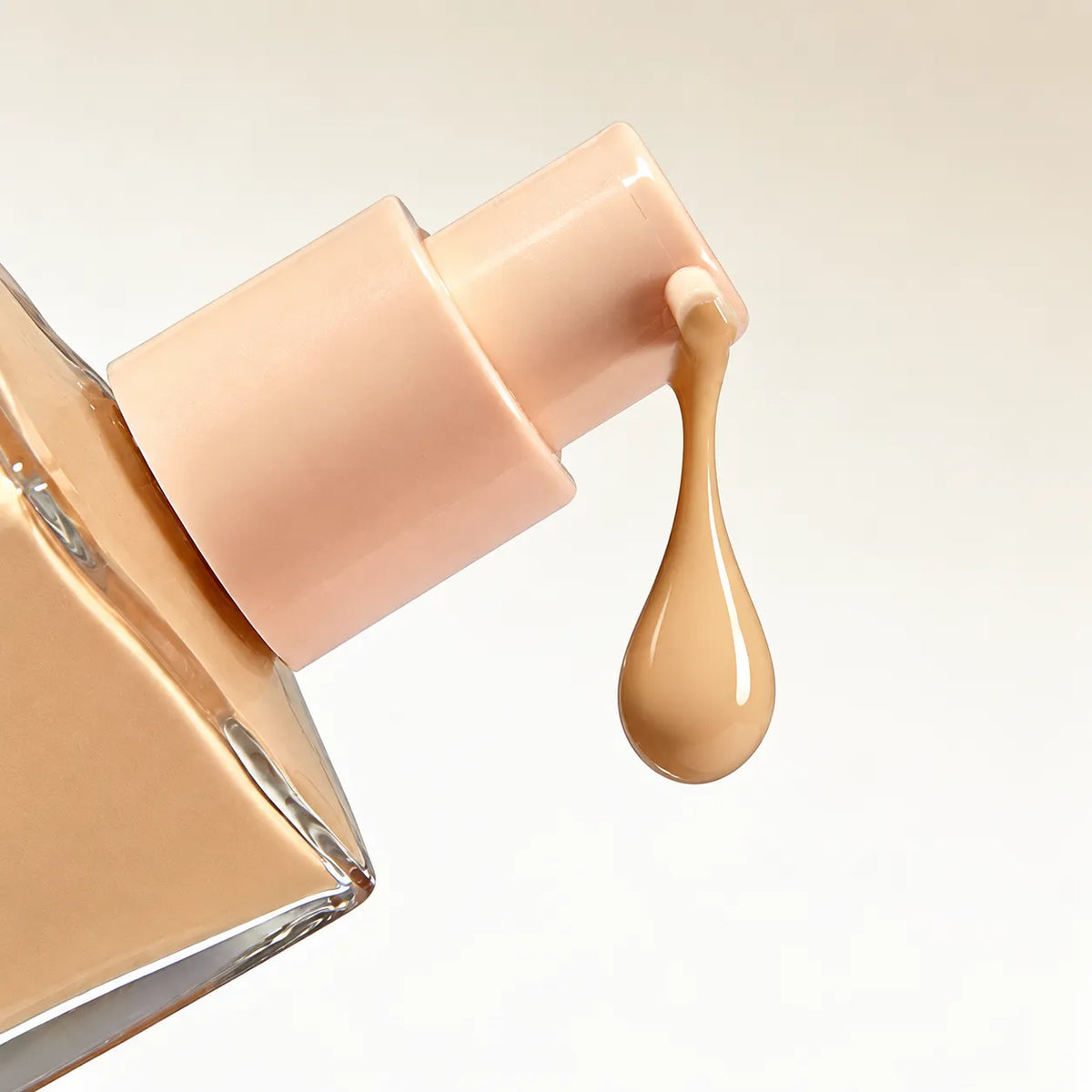
Lightweight Texture
Liquid foundation can range from very fluid, lightweight emulsions to slightly richer textures. KAIYA reviews spread, slip, working time, skin feel, absorption and layer build-up so the formula remains comfortable, flexible and easy to apply without feeling heavy during daily wear.
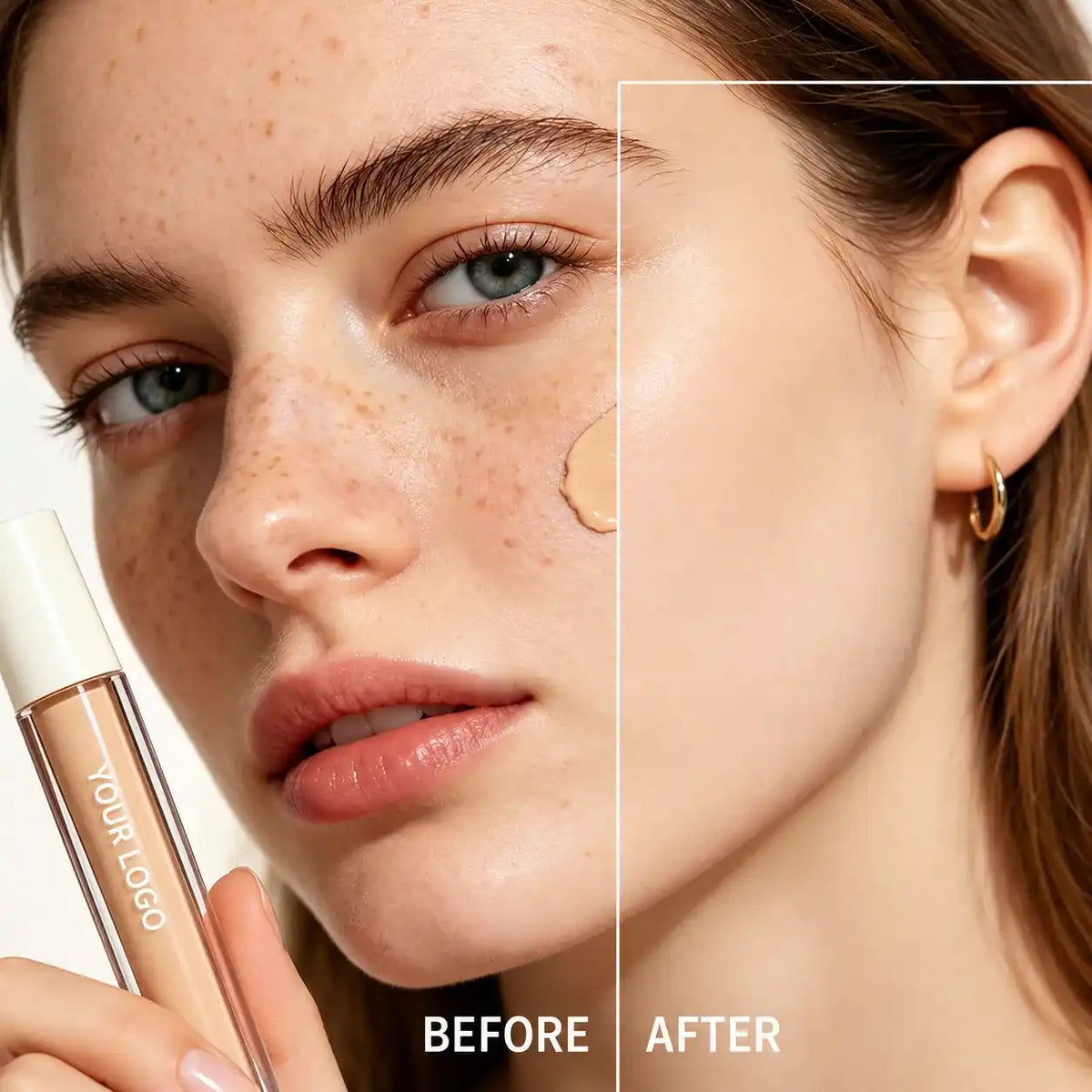
Coverage Direction
Coverage can be developed from sheer and light to medium or higher coverage depending on the product brief. KAIYA adjusts pigment load, dispersion, opacity and buildability so the selected coverage level remains even, natural-looking and suitable for smooth repeated layering across different application needs.
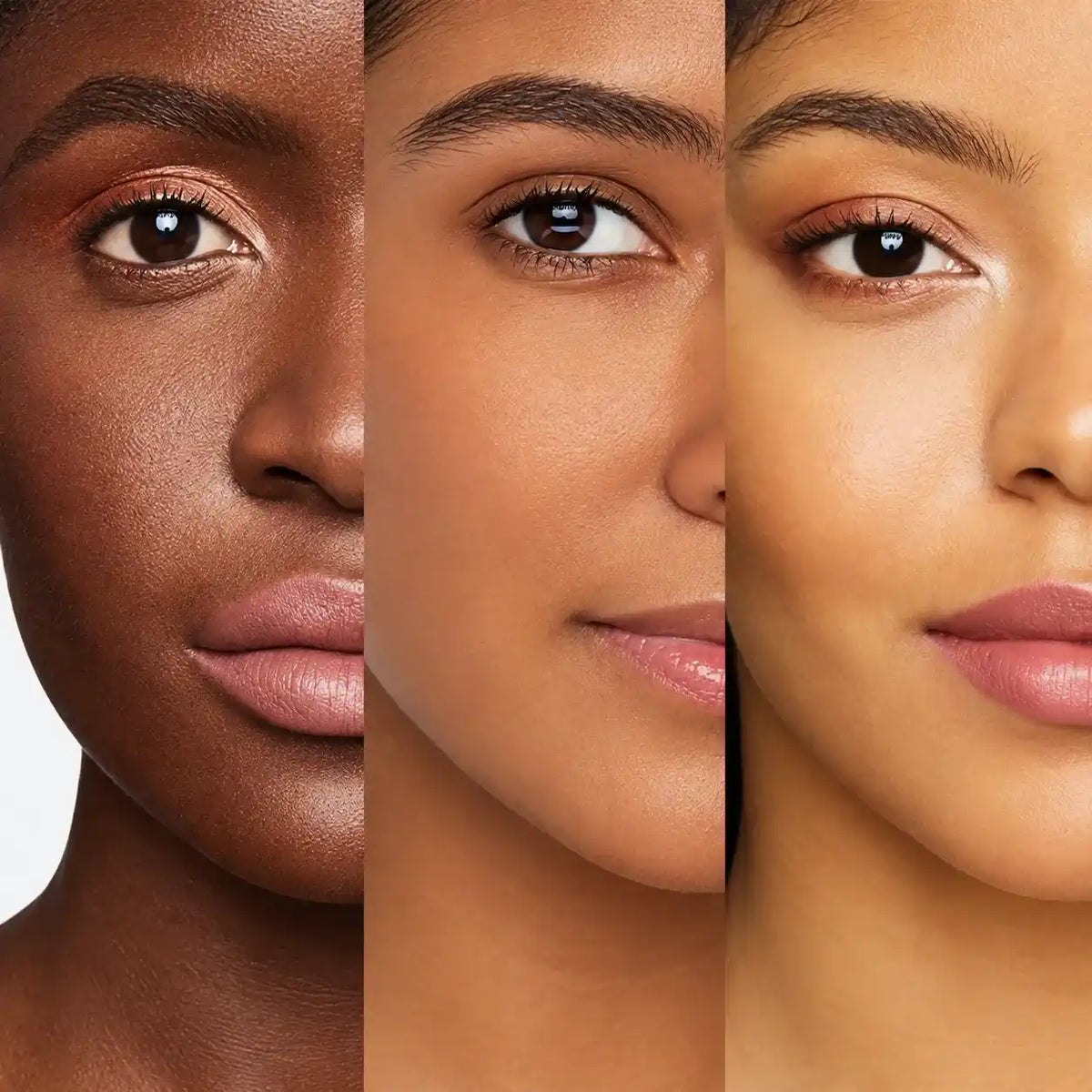
Finish Direction
Finish directions include matte, semi-matte, natural and luminous or dewy. Matte usually emphasizes controlled shine and firmer setting; semi-matte balances polish with a less flat appearance; luminous directions prioritize radiance and slip. The final choice should remain connected to coverage, comfort and wear priorities.
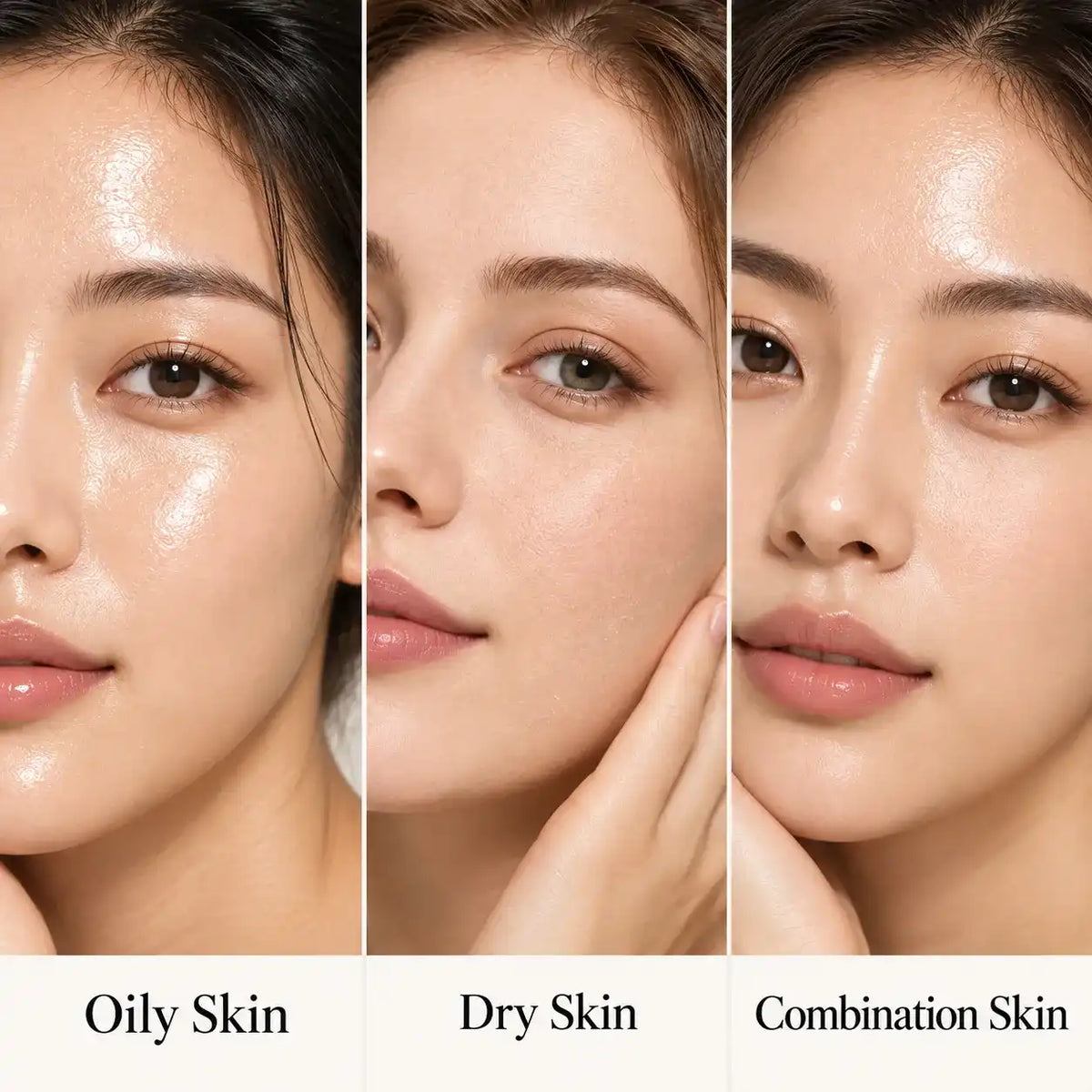
Skin-Type Positioning
For oily-skin positioning, the brief may prioritize controlled shine, firmer setting and wear. Dry-skin positioning may give more weight to slip, comfort and a moisturizing or luminous feel. Combination-skin positioning needs a balance between T-zone control and comfort on drier areas. These are development directions, not universal claims for every consumer.
How Your Foundation Project Begins
The right working model depends on what the buyer already has at the start: available product options, an established reference, a new performance brief or a finished assortment to purchase.

Private Label Makeup Foundation
Start with: Available formula, shade and package options.
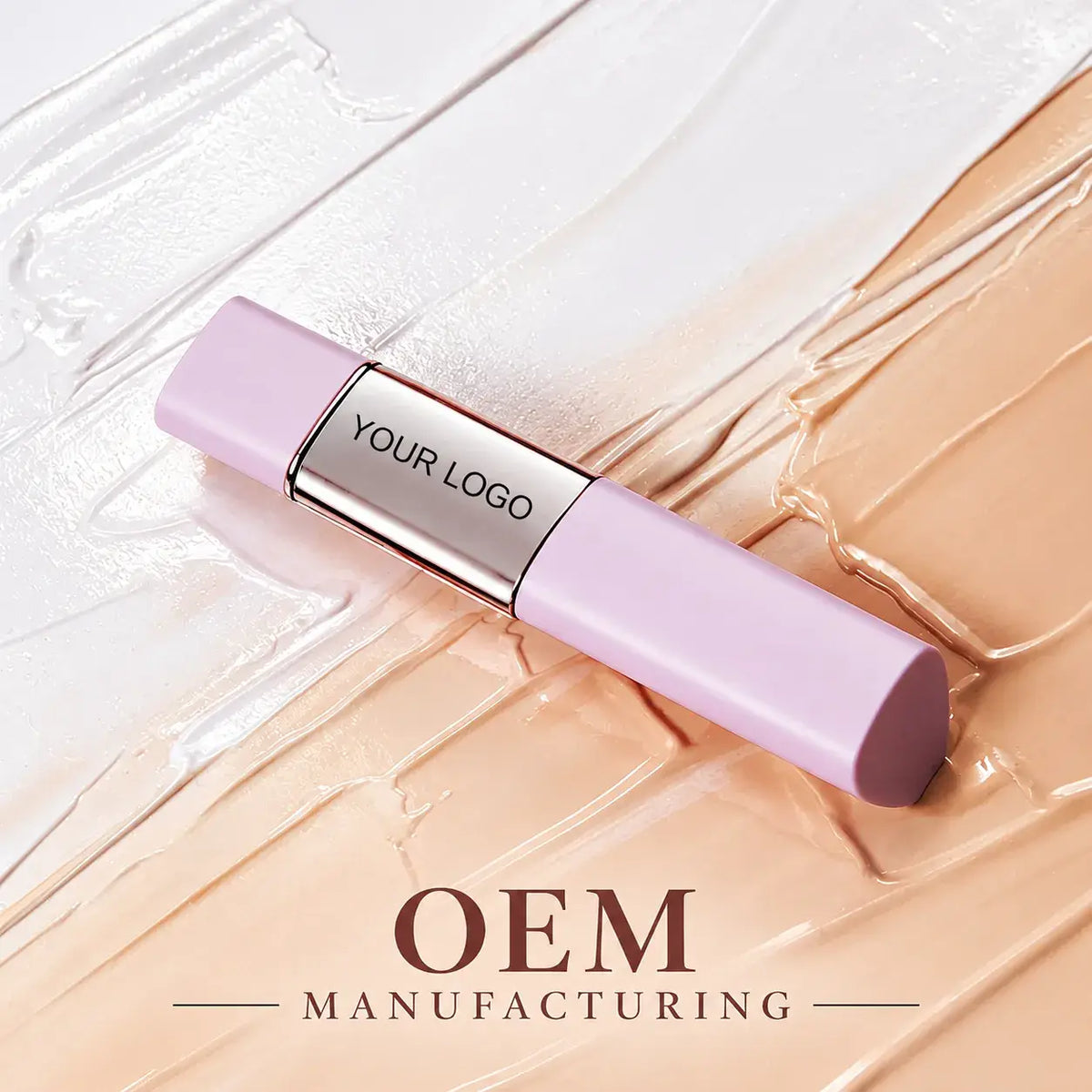
In a private label makeup foundation project, the buyer selects an available formula direction, shade plan and compatible package. KAIYA coordinates samples, branding requirements and finished production, reducing the amount of formulation work needed before launch.
Foundation OEM
Start with:A formula, benchmark sample or defined technical standard.
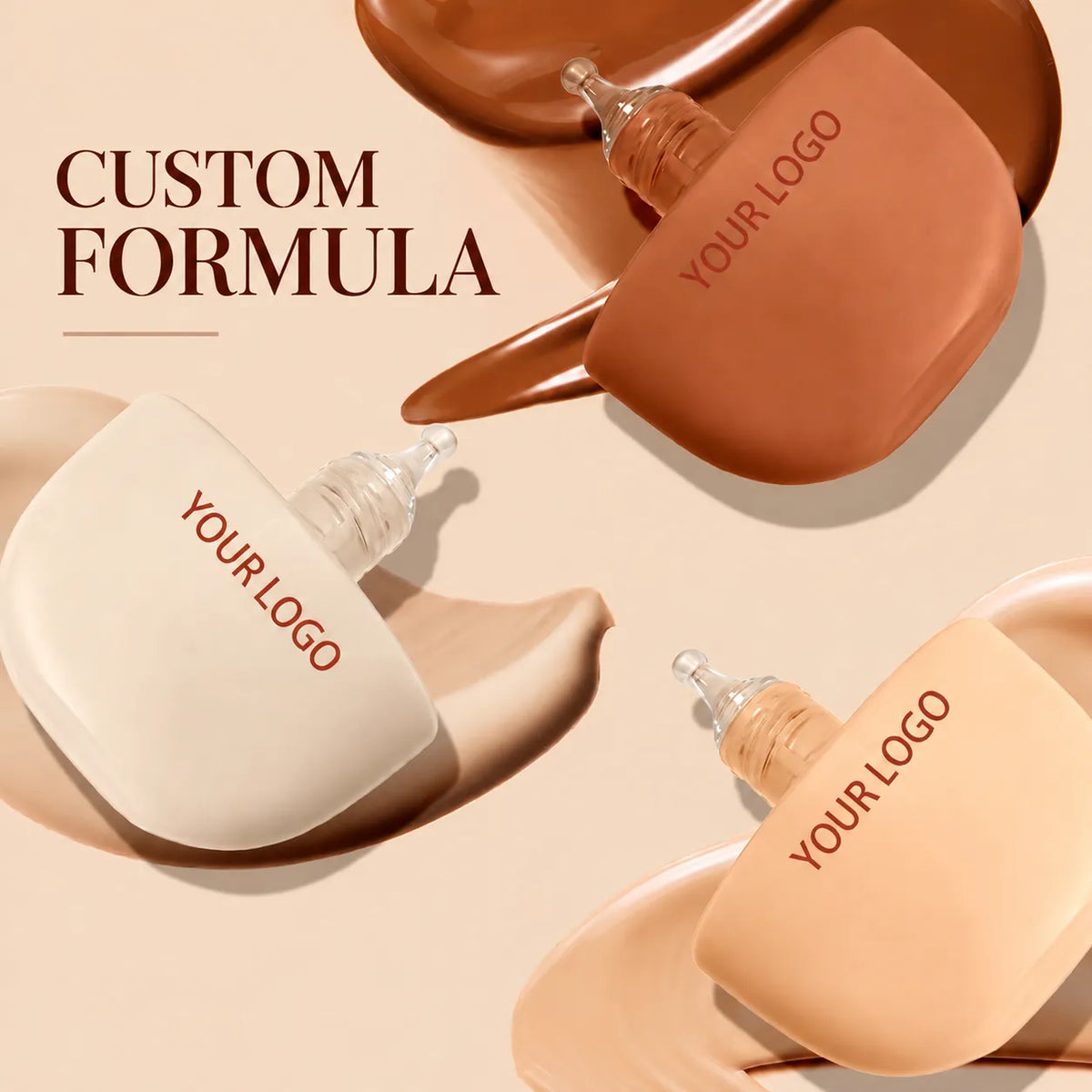
For foundation OEM, the buyer provides a formula, benchmark sample or defined technical standard. KAIYA converts that reference into samples, production requirements and an approval basis for repeat orders, giving the buyer closer control over an established product target.
Custom Foundation Formulation
Start with: A new consumer, performance and shade brief.
A custom foundation formulation begins with the intended consumer result. The buyer defines skin positioning, coverage, finish, wear, shade range and packaging experience, while KAIYA develops and adjusts the connected formula, color and component direction through sampling.
Wholesale Foundation Makeup
Start with: A finished assortment currently available for commercial ordering.
Wholesale foundation makeup begins with finished solutions that are currently available for commercial ordering. KAIYA confirms the applicable assortment, package and quantity options so buyers can build or replenish a product range with fewer development steps.
Match Formula and Foundation Packaging
Foundation packaging should follow the product texture and intended application method. KAIYA reviews the actual formula with the selected component so dispensing, direct application, sealing and assembly can be confirmed as one finished-product system.

Pump Foundation Bottle
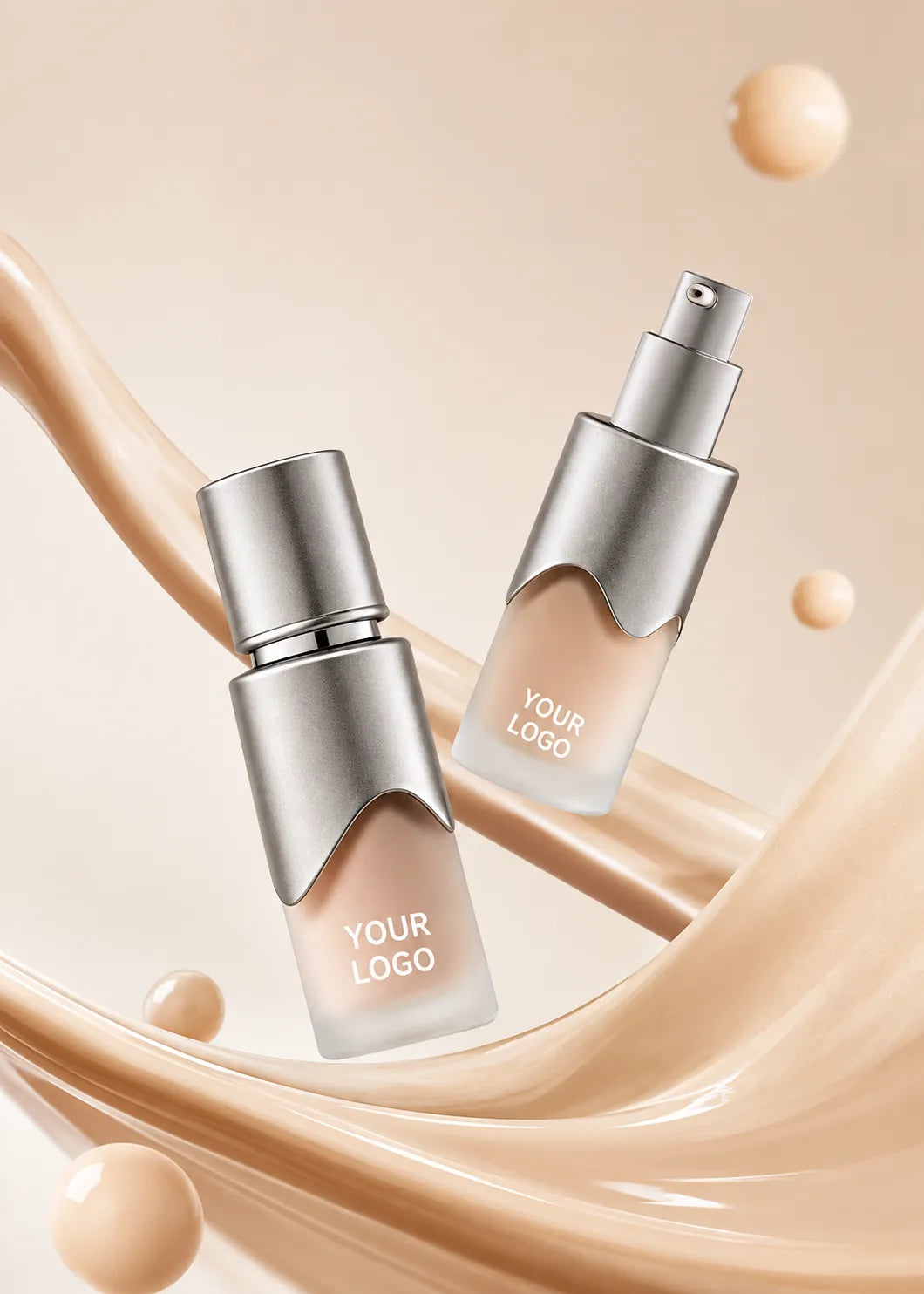
A pump foundation bottle suits liquid or lotion-like formulas dispensed by pressing the pump. Formula viscosity, pump output, dip-tube reach, bottle neck, fill level and closure are reviewed together so each press provides controlled product delivery without frequent clogging or leakage.
Foundation Stick Packaging
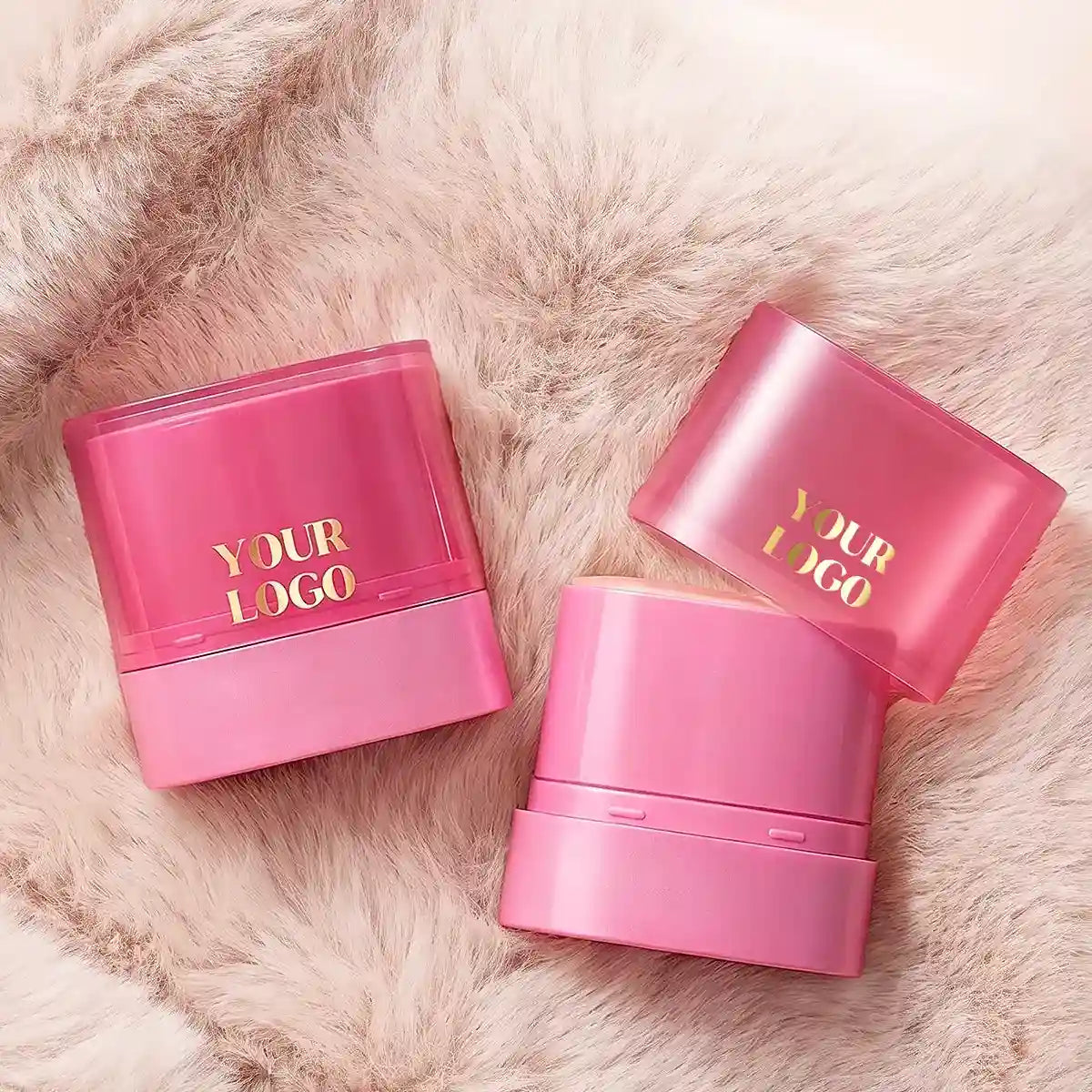
Foundation sticks use a lipstick-like semi-solid cream bullet held in a twist-up component for direct application. KAIYA reviews each foundation stick container around bullet diameter, formula hardness, inner cup support, twist travel and cap fit so the product rises, applies and retracts without becoming loose or unstable.

Foundation Bottle with Applicator
A foundation bottle with applicator holds liquid or creamy foundation with a built-in doe-foot, brush or compatible direct-application tip. The neck, wiper, applicator pickup, dosage and cap seal should work with the formula so the product reaches the skin evenly without excessive loading, flooding around the opening or premature drying.

Cushion Foundation Packaging
Cushion foundation packaging combines a compact, inner reservoir or mesh, sealing structure and puff. Formula viscosity and emulsion behavior affect pickup, return beneath the mesh and dosage on the puff, while the sealing film and compact closure help control leakage and drying during storage and transport.
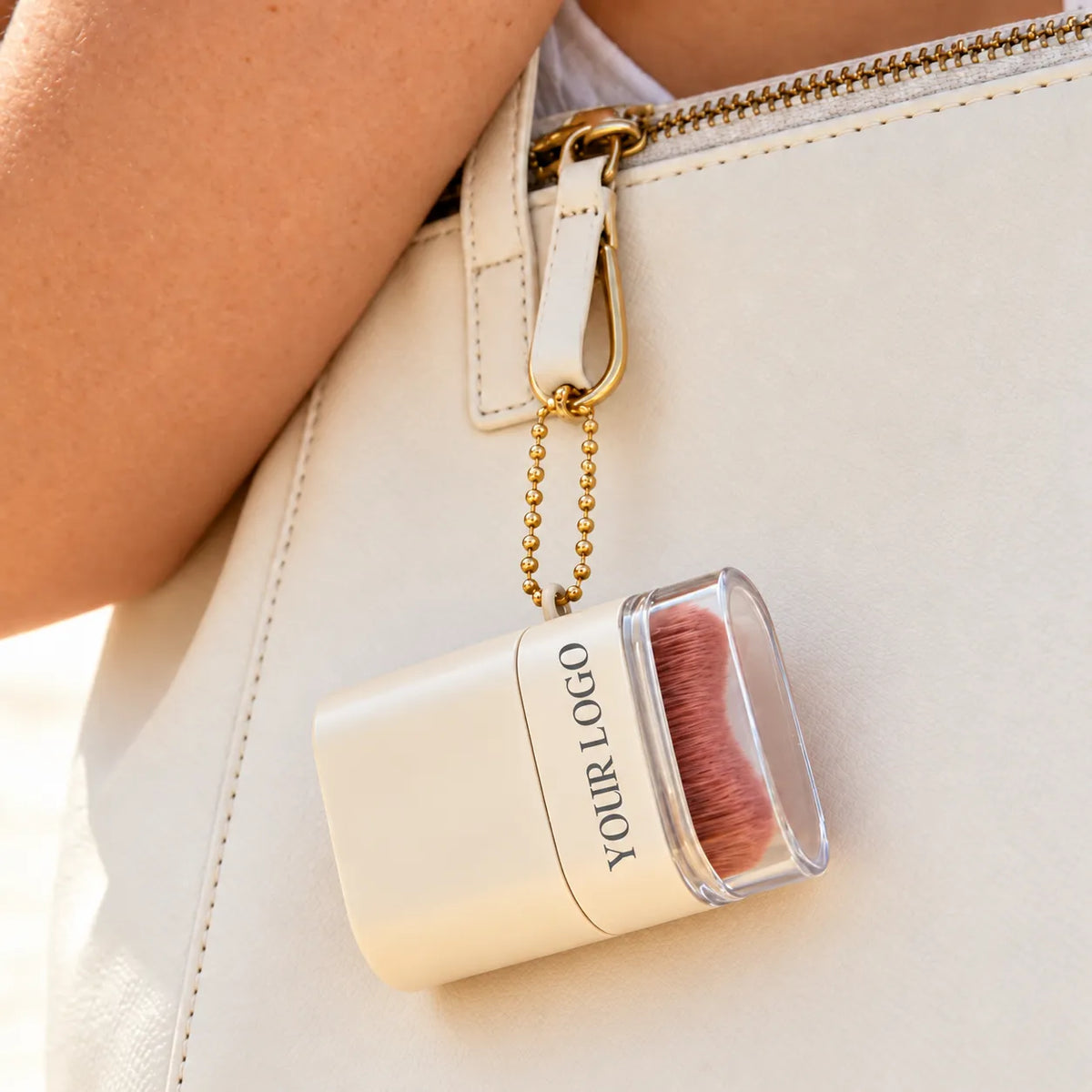
Keychain Foundation Packaging
Keychain foundation packaging adds a hanging attachment to a compact stick or direct-application component for easy bag carrying and touch-ups. For brush-ended designs, KAIYA reviews the keychain joint, cap retention, applicator protection, formula chamber and weight. The attachment must remain secure without affecting closure, cleanliness or product use.
Problems We Help Resolve
Foundation feedback is most useful when it names the visible problem and the application conditions. KAIYA can then connect the issue to the formula, shade or package variables that need review.
| Classic problem | Variables to review | KAIYA project response |
|---|---|---|
| Coverage feels heavy or insufficient | Pigment load, layer weight, spread and buildability | Compare one-pass coverage with thinner layered application and confirm which result has priority |
| The formula sets too quickly or looks patchy | Film formation, working time, slip, powder balance and application tool | Review blending time and set behavior on the intended skin positioning before locking the finish |
| The shade darkens or changes undertone | Initial color, set-down color, pigment balance, application amount and observation conditions | Compare fresh and set shades under consistent conditions, then adjust dispersion or pigment balance where needed |
| Stick or cream use is unstable | Hardness, cup support, twist movement, surface pickup and container opening | Match formula structure to the mechanism or pickup method before confirming the finished system |
Certifications and Market Documentation
KAIYA can discuss which available factory certificates or project documents may be relevant to the foundation format and destination market. Relevance depends on the document scope, current validity and the product being developed. View KAIYA's certifications and compliance documents for more information.
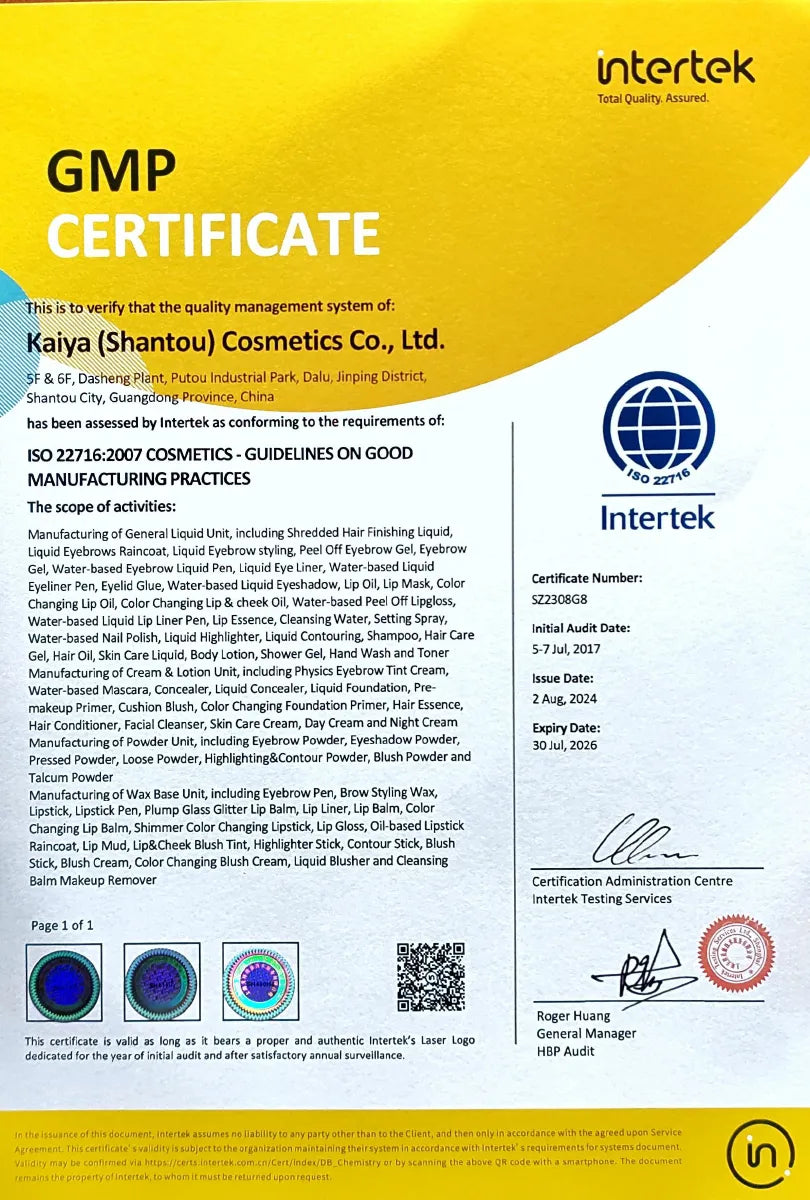
ISO 22716 GMP

U.S. FDA GMP
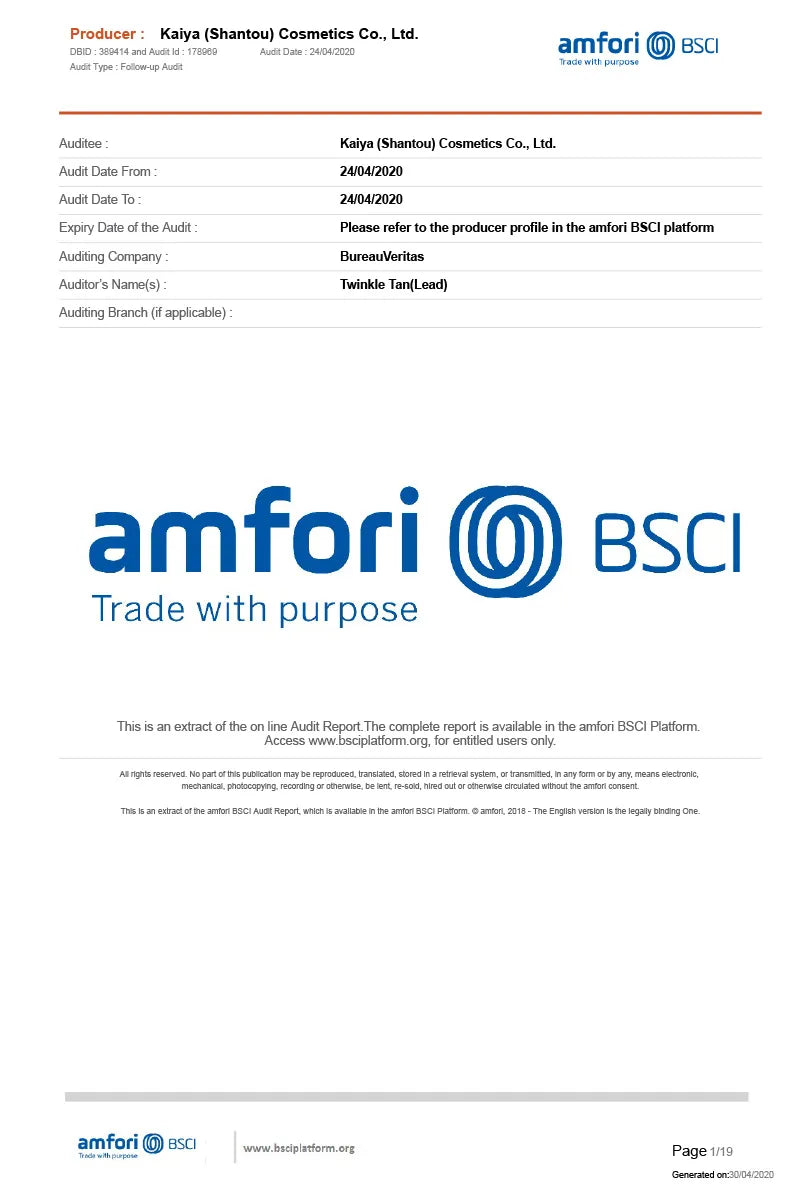
amfori BSCI
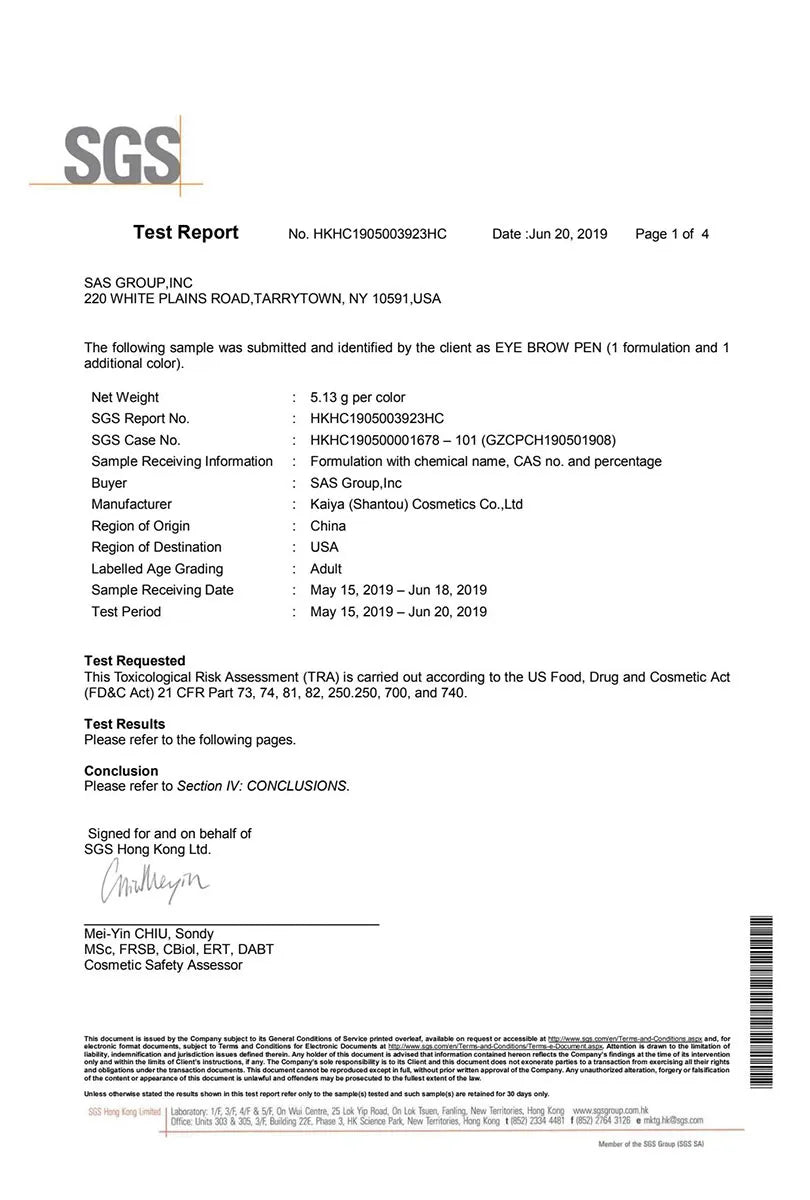
SGS Test Report
MOQ, Sample Fees and Production Planning
| Project item | KAIYA policy |
|---|---|
| Private label and OEM/custom lip gloss MOQ | 12,000 units per lip gloss SKU |
| Shade or flavor flexibility | Multiple shades or flavor options can be arranged within the 12,000-unit total, subject to formula and production feasibility. |
| Sample fees | Existing stock and OEM samples have no sample fee. A sample fee applies when the buyer's logo is printed; the amount is confirmed after the tube and decoration method are selected. |
| Sample development time | Confirmed after project review. |
| Bulk production lead time | Confirmed after sample approval and production review. |
Foundation Manufacturing FAQ
Cosmetics Manufacturing Solutions
- As one of the experienced foundation makeup manufacturers, KAIYA asks brands to provide the target market, preferred format, skin positioning, coverage, finish, wear priorities, application method, shade count, reference samples, packaging direction, expected quantity and required claims.
- If the brief is still open, buyers should rank the two or three results that matter most, such as lightweight feel, stronger coverage or longer wear.
- KAIYA uses these inputs to define the development route, quotation scope, sample priorities and approval points before production planning begins.
- Choose the format from the intended application and product role. Private label liquid foundation supports adjustable full-face layers and can work with pump or direct-applicator formats. Cushion foundation combines a compact, reservoir or mesh and puff for portable application and touch-ups.
- A private label foundation stick provides direct, targeted placement with a twist-up mechanism, while cream foundation allows concentrated pickup from a jar or pan.
- The decision should consider desired coverage, application habit, portability and package interaction rather than finish alone.
- A private label makeup foundation project starts with available formula, shade and compatible packaging options, reducing the amount of development required. Foundation OEM starts with a buyer-supplied formula, benchmark sample or technical standard that
- KAIYA translates into sampling and production requirements.
- Custom foundation formulation starts from a new performance and consumer brief, so more formula, shade and packaging decisions remain open.
- Wholesale foundation makeup starts from finished products currently available for commercial ordering. The right route depends on what is already approved and how much differentiation the project needs.
- KAIYA develops a custom foundation shade range by first mapping the required complexion depths and undertones for the target market. Buyers should provide the intended shade count, priority consumer groups and physical references or agreed color targets.
- KAIYA can then organize anchor shades, fill important gaps and review whether adjacent colors remain visibly distinct.
- Because names such as Ivory, Beige or Caramel are not universal standards, each shade should be approved from a physical sample under consistent application, lighting and set-down conditions.
- As a liquid foundation manufacturer, KAIYA can develop toward a chosen balance, but the brand should rank which result leads the brief. Higher one-pass coverage may require greater pigment load or a richer film, while a lighter texture may achieve coverage through buildable layers.
- Faster setting can support the intended wear direction but may shorten blending time or increase tack. Samples should therefore be reviewed for spread, working time, layer build-up, adhesion, comfort and the final finish before the performance priorities are locked.
- A visible color change can relate to set-down behavior, pigment balance, dispersion, application amount, skin preparation or observation conditions. Patchiness may also be influenced by working time, powder balance, spread and the selected tool.
- Buyers should report whether the sample becomes darker, yellower, redder or greyer, when the change appears and where unevenness develops.
- KAIYA can then compare fresh and set color under consistent conditions and review the variables most closely connected to the reported result instead of treating every color shift as the same problem.
- Package matching begins with the actual formula and application method.
- A pump foundation bottle is reviewed for viscosity, pump output, dip-tube reach and leakage direction.
- A foundation bottle with applicator also requires suitable neck, wiper, pickup and dosage. Each foundation stick container must support the bullet diameter, hardness, twist movement and cap fit.
- Cushion foundation packaging is reviewed around the compact, reservoir or mesh, sealing structure, puff pickup and drying risk.
- KAIYA confirms these relationships with candidate components rather than approving a package from appearance alone.
- A Foundation OEM project begins when the buyer provides an existing formula, benchmark sample or sufficiently defined technical standard. The brief should also state the target market, foundation format, coverage, finish, wear priorities, shade references, packaging direction, claims and expected quantity.
- KAIYA reviews whether the reference can be translated into a repeatable manufacturing specification, then coordinates sampling, shade matching, component compatibility and approval criteria.
- Raw-material availability, formula feasibility, required documents and the selected package may affect whether the original target needs adjustment before bulk production.
- Buyers sourcing China makeup foundation manufacturing should confirm that the supplier can connect formula development or transfer, shade standards, primary packaging, sample approval and repeat production.
- KAIYA asks buyers to define the target market, foundation format, coverage, finish, shade plan, packaging direction and expected quantity before sampling.
- Buyers should also verify which factory certificates or project documents are current and relevant to the intended market.
- A clear approval reference is more useful than selecting a supplier from price or a product image alone.

Send Your Foundation Brief
Send KAIYA your preferred foundation format, target market, skin-type positioning, finish, coverage, reference sample, shade count, packaging direction, expected quantity and required claims. We will use that information to identify the suitable development route and the decisions that must be confirmed before sampling and production.
Blog posts
Why Mascara Brush Types Matter: Matching the Brush, Wiper, and Formula
The Complete Concealer Container Guide: Which Format Fits Each Formula?
Cosmetics Manufacturer Packaging Solutions Guide: Build the Right System for Every Makeup Format
Our Advantages

Product Development
- Formula Development
For custom cosmetic formulation, share a product brief or benchmark sample; KAIYA develops the base around ingredient direction, application, wear and after-feel.
- Shades & Finishes
KAIYA turns cosmetic customization requirements into defined shades, coverage and visual finishes—including matte, glossy, pearl or glitter—for sample approval.
- Packaging Compatibility
We test the formula with the selected container, wiper, applicator or pan to confirm filling, dispensing, closure and application performance.

Production & Supply
- Approved Production
Once formula, shades and artwork are approved, KAIYA moves private label, custom and OEM cosmetics into bulk preparation, filling and assembly.
- Quality Control
KAIYA checks incoming materials, bulk preparation, filling and finished products against the approved sample and project specifications.
- Repeat Supply
KAIYA records confirmed formula, component, artwork and packing requirements to support consistent repeat orders and future production planning.