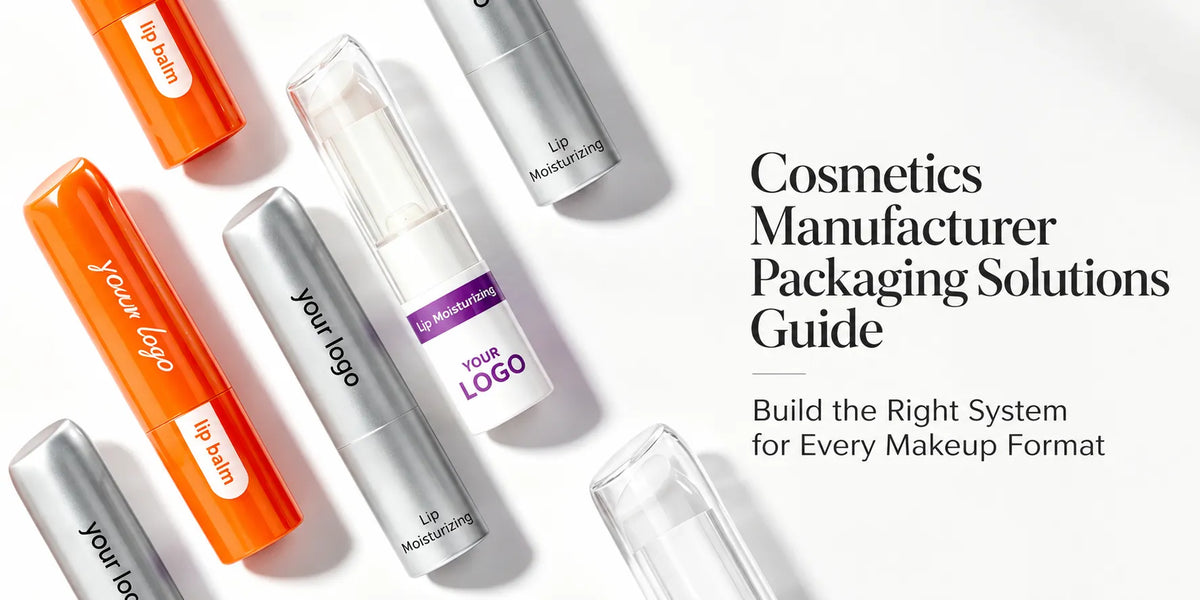
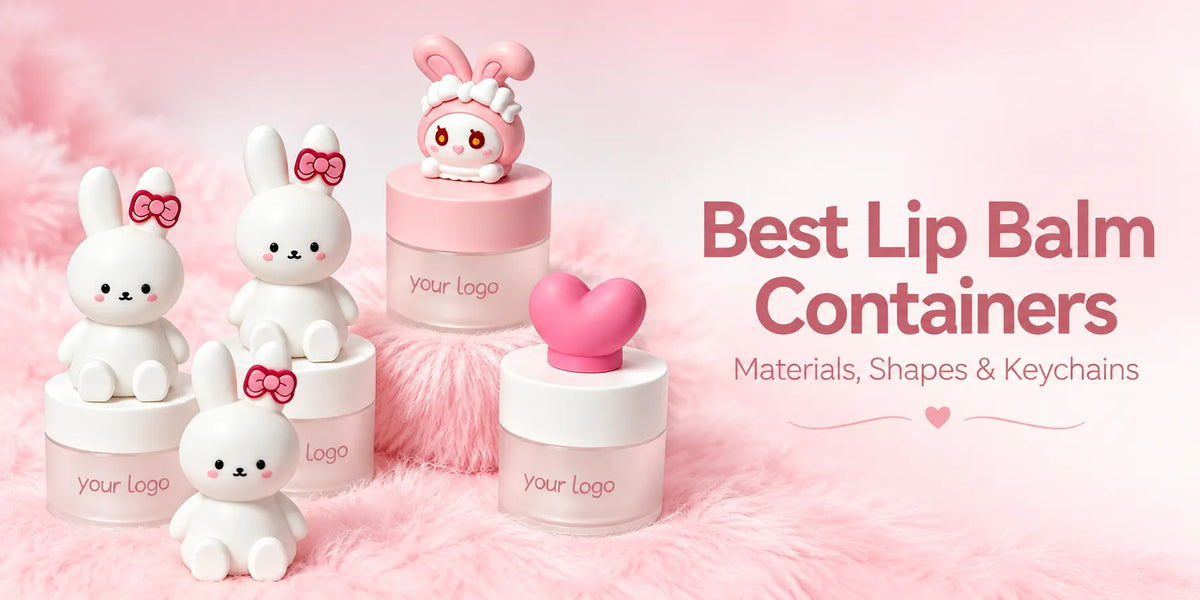
Cosmetic packaging suppliers are often compared by how many products appear in a catalog, but at KAIYA the more useful comparison usually starts elsewhere. In color cosmetics, the supplier has to support more than isolated components. The work often involves comparing category fit, line coherence, structure logic, and whether multiple formats can still feel commercially related inside one makeup range. That is why supplier evaluation usually becomes a packaging-system decision rather than a simple sourcing list.
This matters because color cosmetics lines are rarely built from one structure alone. A brand may need lip gloss tubes, mascara components, compact powder cases, lipstick tubes, palettes, and selected stick formats at the same time. A supplier is stronger when these routes can be discussed through the logic of the collection instead of being offered as unrelated products. KAIYA usually reviews supplier value through that wider product-family lens.

Why KAIYA Reviews Cosmetic Packaging Suppliers Through Category Coverage
At KAIYA, a stronger cosmetic packaging supplier is not simply the one with the longest item list. The more important question is whether the supplier can support the categories that actually shape the line. In color cosmetics, that often means understanding tube-led lip packaging, mascara packaging, compact face formats, palette routes, and selected stick products through the way they function together.
This is why KAIYA usually compares supplier capability through real category combinations. A supplier may offer many components, but if those formats do not support a coherent lip, eye, and face assortment, the practical value can still be limited. The stronger supplier is usually the one that helps make the whole line easier to build and easier to keep consistent.

How KAIYA Connects Supplier Selection with Real Packaging Systems
KAIYA usually connects supplier evaluation with real packaging systems rather than abstract sourcing categories. That means reviewing capability through routes such as Lip Gloss Packaging, Mascara Packaging, Powder Packaging, and the broader Cosmetic Packaging structure. A supplier becomes more valuable when these product families can be supported through a coherent line-building mindset.
This helps prevent a common sourcing problem: choosing components that work individually but feel disconnected once the collection is assembled. KAIYA usually checks whether supplier capability can support hierarchy across lip, eye, and face products. The supplier's role is stronger when the packaging families still look and behave like part of one brand system.
Why Cosmetic Packaging Suppliers Need to Be Judged Beyond a Single Material or Format
KAIYA also avoids reducing supplier choice to only one material or one structure. Plastic may be the main route across many color-cosmetics formats, but supplier strength is still measured through how well the packaging system serves the product line. Tubes, compacts, palettes, and selected sticks all need different structural logic even when they sit inside the same material family.
This matters because the strongest supplier decisions usually come from understanding the role of the package inside the brand rather than chasing one broad category label. A supplier becomes more useful when they can discuss why a tube makes more sense than a bottle, why a compact should be treated differently from a palette, or why a stick route needs stronger justification in the face line.

How Wholesale and Service Capability Affect Supplier Choice
KAIYA usually compares supplier strength through service routes as well, including Cosmetic Packaging Wholesale, broader custom support, and how practical the supplier is when the project expands across multiple SKUs. In many cases, the supplier is more valuable because of how well they support line-building and packaging planning rather than because of one single hero component.
This is also where KAIYA usually connects supplier choice with the broader service structure of the project. A supplier that understands collection planning, category fit, and repeated-use logic across multiple components can often support a more stable product line than a supplier that only offers isolated products one by one.
How KAIYA Keeps Supplier Evaluation Inside Color Cosmetics Scope
KAIYA keeps supplier comparison tightly inside the color-cosmetics context. The review stays focused on smaller lip, eye, and face components rather than drifting into unrelated larger container categories. This helps make supplier selection more practical for brands that are building real makeup lines instead of broad packaging portfolios.

How KAIYA Supports Beauty Brands as a Cosmetic Packaging Supplier
KAIYA supports beauty brands that need practical and production-ready color cosmetics packaging from a China-based supplier. Our role is not only to provide individual components, but also to help compare routes through category fit, line coherence, and packaging systems that support real lip, eye, and face products.
For teams comparing cosmetic packaging suppliers, the best first step is to define which product families should be built together and what the packaging needs to clarify across the line. Once that is clear, KAIYA can help compare supply capability through packaging systems instead of through isolated catalog items alone.