The right lip oil container is determined by more than a clear bottle and an attractive applicator. Formula mobility, desired payoff, dispensing method, closure, filling route and visual presentation all affect whether the package works as intended.
This guide compares the main lip oil packaging routes available from KAIYA and explains what a B2B buyer should confirm before selecting samples. It focuses on fluid oil and oil-gel formulas; richer balm-like products may require a different lip-care container structure.

Quick screening framework:
- Formula: very fluid, medium-flow or thicker oil-gel texture.
- Dispensing: wand withdrawal, tube squeezing or roller movement.
- Application: flocked, silicone, clear molded, selected metal or roller contact.
- Presentation: clear, tinted, opaque, mini, standard or distinctive shape.
- Validation: filling, closure, pickup, residue, leakage and compatibility.
1. Start with Lip Oil Flow and the Intended Payoff
Lip oils can range from highly mobile formulas that move quickly inside the container to more cushioned oil-gel textures that hold more body. This difference affects how easily the formula passes through a wiper, reaches a roller, moves through a squeeze tip and remains controlled during storage.

The required payoff matters as well. A treatment-led oil may need a light, even film, while a high-shine tinted oil may need more product on each withdrawal. Before selecting empty lip oil containers, buyers should provide a formula sample or at least describe the viscosity direction, intended dosage and application feel. The package can then be shortlisted around the real formula instead of the appearance alone.
2. Wand-and-Wiper Tubes Offer Familiar, Controlled Application
A rigid tube with a removable wand is one of the most familiar choices for lip oil. The bottle stores the formula, the wiper removes excess product from the stem and applicator, and the applicator places the controlled amount onto the lips. These lip oil tubes work well when the brand wants a color-cosmetic presentation and a defined application step.

The complete set must be reviewed together. A tight wiper may remove too much of a thicker oil; an open wiper may allow a mobile formula to overload the applicator or leave more residue around the neck. Stem length also determines whether the applicator reaches the lower part of the bottle. KAIYA can compare bottle, wiper, stem and applicator combinations, then prepare the selected set for filled testing.
3. Squeeze Tubes Use Pressure for Direct Dispensing
A lip oil squeeze tube moves formula by pressing the flexible tube body. Depending on the model, the outlet may be a narrow nozzle, slanted surface, clear molded contour, silicone tip, selected metal applicator, brush or built-in sponge surface. The tip changes how the oil is released and spread, while the flexible body controls the pressure behind it.

This route can suit treatment-led products, portable lines and formulas that benefit from direct dispensing without a wand-and-wiper withdrawal cycle. The tube body must recover after pressure, the outlet must stay controlled and the cap must protect the applicator. Plastic or laminated squeeze tubes are commonly filled through the open tail and then sealed and trimmed, so artwork direction, clean sealing area and final tail length should be considered before production. KAIYA offers a dedicated range of lip gloss and lip oil squeeze tube containers for this route.
4. Roller Containers Suit Sufficiently Mobile Lip Oils
A lip oil roller container uses the movement of a fixed ball to pick up and spread the formula. It is most relevant to sufficiently fluid oils and lightweight treatments that can feed the ball consistently. The rolling contact can create a smooth, cooling application style that differs clearly from a wand or squeeze tip.

The buyer should check whether the ball rotates freely, receives enough formula, distributes it evenly and stays protected by the cap. The relationship between formula flow, ball material, housing, bottle opening and storage position affects pickup, residue and leakage risk. Roller packaging should therefore be tested with the intended filled formula rather than chosen only for its novelty.
5. Applicator Choice Defines Pickup and Contact
Within wand-led lip oil packaging, the applicator changes both dosage and the contact experience:
- Flocked applicators: provide a familiar soft surface and are available in shapes that support different pickup and placement patterns.
- Silicone applicators: offer a smooth non-flocked surface and release formula differently from fiber-covered tips.
- Clear molded applicators: reinforce a transparent, formula-led visual direction and can make the tool feel lighter and more modern.
- Selected metal applicators: add a cooling touch and a more treatment-led or refined contact experience.

No applicator works independently. Its size and shape need to match the stem, wiper, bottle neck, cap space and formula. KAIYA can help buyers compare relevant lip product applicator options before the final physical test.
6. Transparency Makes the Formula Part of the Design
Lip oil is frequently presented in a clear container because the formula color, shimmer, suspended effect and fluid movement can carry much of the visual identity. Standard clear walls create a light commercial look, while a thick-wall PETG direction can add visual depth and a more substantial feel. Translucent tinting can soften the formula view without hiding it completely.

Transparency also makes details easier to see. Scratches, molding marks, dust, internal-component colors, fill level and product residue can all affect the finished appearance. Buyers should therefore approve the empty clarity and the filled result. KAIYA's clear cosmetic packaging range allows brands to compare different levels of formula visibility.
7. Capacity and Shape Should Support the Product Plan
Capacity should be selected around the intended retail role, formula cost and application rate. Mini formats can work as complete retail products, portable accessories, sets or selected trial sizes, while standard capacities provide a more familiar everyday format. The stated nominal capacity should be reviewed with the usable fill, wiper displacement and required headspace rather than treated as the exact final net content automatically.

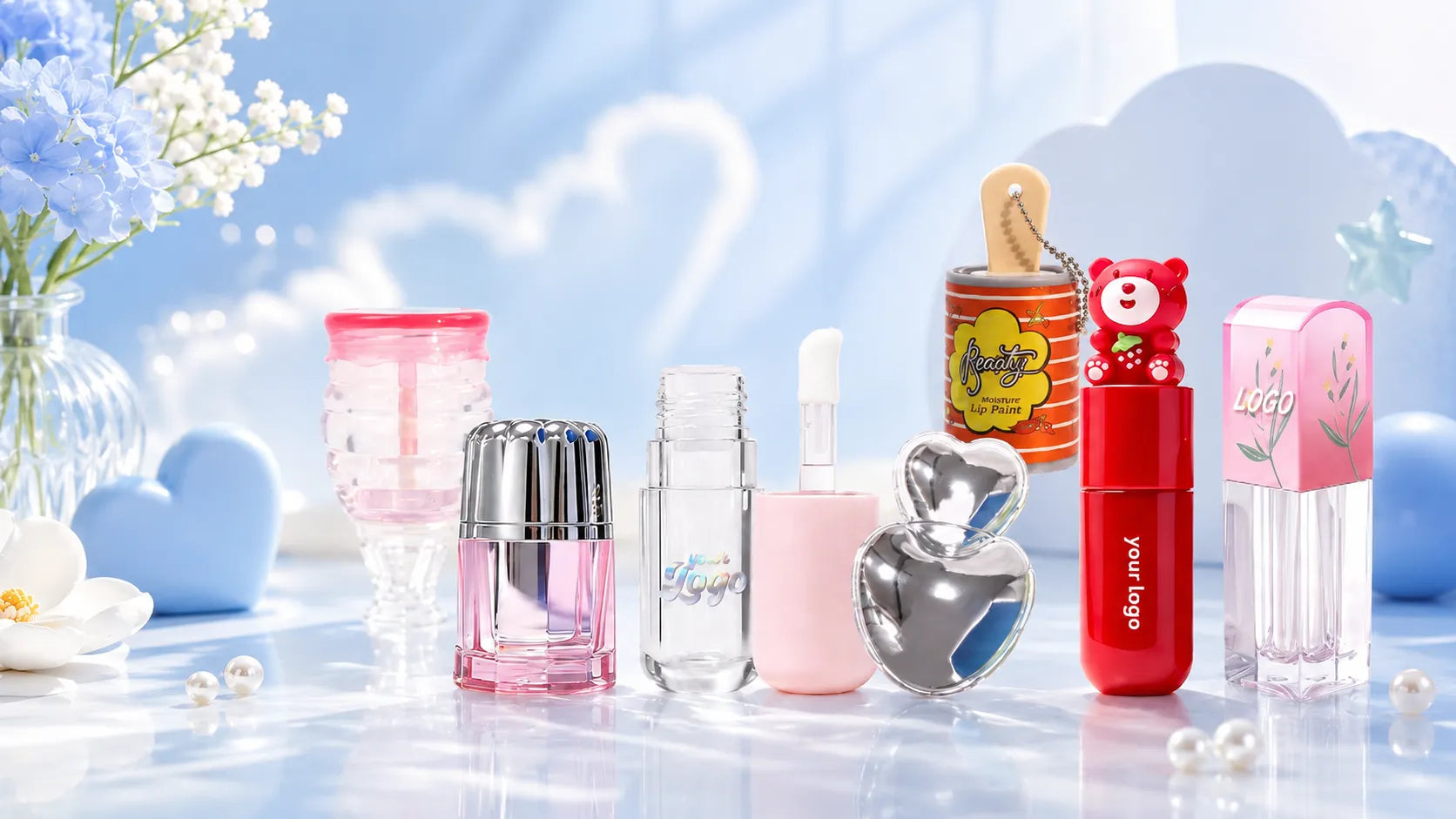
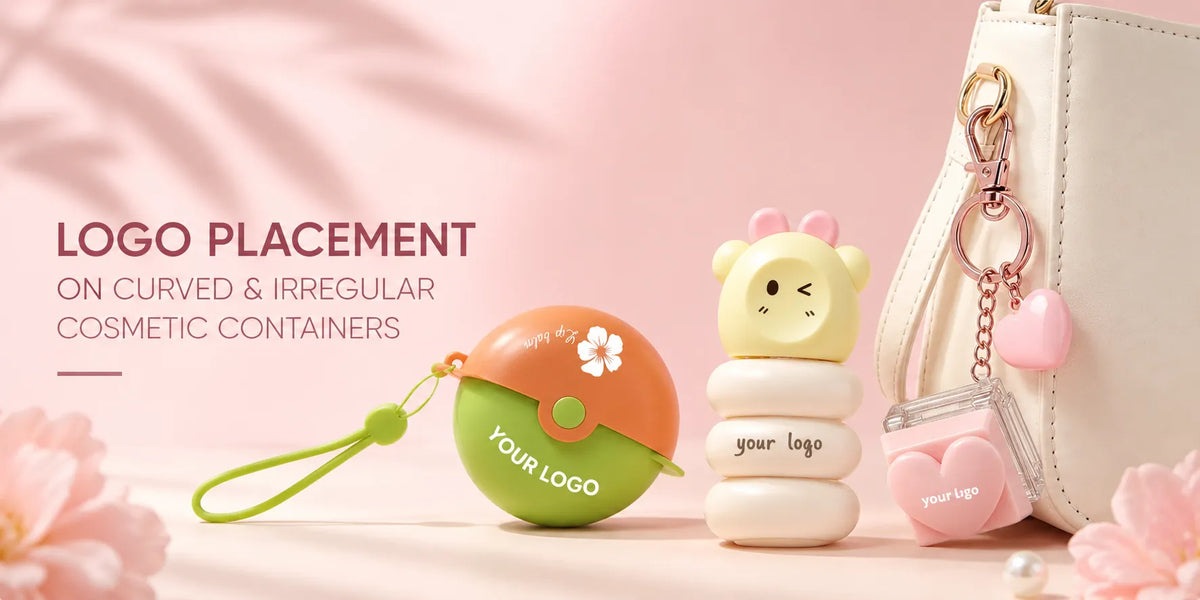
Shape determines how the product is held and recognized. Round and square tubes remain practical, while hearts, animals, rounded objects, irregular silhouettes, dual-ended packages and wearable options can give a lip oil line a more distinctive identity. Existing KAIYA models can support confirmed colors, logos and compatible finishes; changing the molded outline or internal structure requires a separate custom-development assessment.
8. Color and Surface Finish Should Preserve the Formula Story
A clear bottle can be paired with a colored cap, tinted inner parts or restrained artwork so the formula remains visible. Opaque or coated components give the brand more control over the external palette. Silk screen printing can add clear spot-color information, hot stamping can create metallic accents, spray coating can create matte, glossy, gradient or tactile effects, and selected decorative processes can strengthen the cap or outer component.

The finish should follow the material and viewing priority. Large artwork on a transparent body may compete with the oil, while decoration concentrated on the cap can keep the formula visible. KAIYA can coordinate color and process sampling through its custom cosmetic packaging service.
9. Confirm Filling, Sealing and Filled-Package Performance
Wand containers are generally filled through the neck before the required wiper and applicator-cap assembly is completed; the exact order follows the selected package and production setup. Squeeze tubes commonly use open-tail filling followed by sealing and trimming. Roller packages are filled through the container opening before the roller housing and cap are assembled.
The finished test should check weight retention, cap closure, leakage, formula pickup, wiper action, roller movement or squeeze flow, applicator reach, residue and appearance after storage. Formula compatibility must be evaluated with the intended body, closure, wiper, stem, applicator, roller, coating and decoration rather than a substitute package.
10. Choose Lip Oil Containers with KAIYA
KAIYA supplies empty lip oil tubes, squeeze formats, roller containers and distinctive clear lip-product designs for color-cosmetic brands. We can help compare the formula movement, dispensing route, applicator, wiper, capacity, material, transparency, shape, color and surface finish before samples are selected.
For a focused recommendation, send the formula type or viscosity direction, target fill, preferred application method, required visual style, quantity and artwork. KAIYA can shortlist existing containers, coordinate physical samples and support a deeper custom or tooling route when the project requires a more original structure.