Mini lip gloss packaging has a visual charm that a full-size tube cannot reproduce in exactly the same way. For many projects, the mini tube is not a giveaway or secondary sample—it is the intended retail package.
Its appeal also comes from the combination of appearance and convenience. A well-designed mini gloss is easy to carry, pleasant to hold, and detailed enough to represent the brand on its own. KAIYA develops mini makeup containers and lip gloss tubes in different capacities, shapes, application structures, and decoration directions.

Quick overview:
- Distinct visual appeal: compact proportions can make a familiar lip gloss structure feel more delicate, playful, or collectible.
- Everyday portability: the smaller package is easier to carry in a handbag, pocket, pouch, or travel kit.
- A complete retail format: mini size can retain a functional bottle, wiper, stem, applicator, closure, and finished brand appearance.
- More refined development: thick walls, clear formula display, balanced caps, custom colors, and precise decoration can make the package feel intentionally designed.
- Functional balance: capacity, grip, applicator reach, filling, branding, and packing still need to work smoothly at the reduced scale.
1. Why Mini Lip Gloss Packaging Has Its Own Appeal
The popularity of smaller lip gloss formats begins with how they look and feel. Reducing the scale changes the relationship between the bottle, cap, formula, and applicator, giving the complete package a more compact and concentrated identity.

- Delicate proportions: a shorter body and smaller cap can make the product look more compact and carefully composed.
- Easy portability: the tube occupies less space and can move naturally between a handbag, pocket, travel kit, or small cosmetic pouch.
- Collectible character: several compact products can create a stronger display or collection effect without relying on oversized packaging.
- Flexible visual positioning: the same mini scale can look clean and refined, colorful and playful, or decorative and accessory-led depending on shape, transparency, color, and cap design.
- Complete product experience: the consumer still opens a cap, withdraws or dispenses the formula, and uses a purpose-built lip product rather than a temporary one-use pack.

These qualities allow mini lip gloss containers to stand as a product category of their own. They may also be used for travel, gifting, trial, or promotional programs, but those are applications of the format rather than its only purpose.
2. Smaller Proportions Can Create a More Delicate and Refined Look
Mini lip gloss packaging is moving beyond plain reduced-size bottles. More designs use the small scale deliberately, treating the relationship between bottle height, wall thickness, cap length, formula color, and logo size as part of the visual result.

- Clear or thick-wall bottles: allow a small amount of formula to remain visually prominent and give the compact body more depth.
- Controlled proportions: a balanced bottle-to-cap ratio makes the package look designed as a mini product rather than cut down from a larger tube.
- Refined caps: clean geometric forms, custom colors, metallic effects, or small sculptural details can give the package a stronger focal point.
- Precise decoration: a concise silk-screened logo, small hot-stamped detail, or suitable spray-coated component can look more polished than crowded artwork.
The small format can repeat the design language of a full-size product, but it can also develop its own more delicate identity. A pale transparent body, a compact gold cap, a rounded character detail, or a carefully scaled logo can make the mini version feel especially refined rather than visually incomplete.
3. Mini Lip Gloss Is Moving from Simple Scale-Downs to Purpose-Designed Packaging
A stronger mini design does more than shorten an existing bottle. The bottle-to-cap ratio, applicator length, grip, logo size, and visible formula area need to be reconsidered together so the smaller package develops a balanced identity of its own.

- Full-size companion: the mini version retains the main bottle style, cap color, logo system, and overall brand language of the full-size gloss. Individual proportions are adjusted so the smaller product remains recognizable without looking mechanically reduced.
- Independent mini design: the brand develops small lip gloss containers with their own shape, cap, color, or portable feature. This route allows the mini format to become a complete retail product even when no corresponding full-size package exists.
- Shared identity with mini-exclusive details: the package keeps the main collection colors and logo but introduces a shorter silhouette, special cap, charm, or simplified decoration that belongs only to the mini version.

These routes give brands more control over the role of the product. The mini can clearly belong to an established lip line, introduce a new compact design language, or connect both directions without being treated as an afterthought.
4. Mini Size Creates New Design Possibilities
The charm of mini packaging is not limited to making a standard cylinder shorter. Its compact scale changes how the body, cap, color, and decorative details are perceived, giving brands several distinct design routes:
- Miniature classic tubes: retain the recognizable clear bottle, cap, wand, and applicator in more delicate proportions. This direction works well when the brand wants a compact retail product that still looks closely related to a conventional full-size gloss.
- Thick-wall transparent tubes: use the wall and inner formula chamber to create more visual depth within a small outer size. Clear material allows the formula color to remain the main visual element, while the compact proportions make the package feel more substantial and refined.

- Cap-led designs: a custom-colored, geometric, metallic-effect, or carefully proportioned cap can become the visual focus of the package. Because the body is small, the cap-to-bottle ratio needs to remain balanced so the design feels deliberate rather than top-heavy.

- Keychain and charm structures: take advantage of the reduced size by allowing the gloss to attach to a bag or pouch. The connection point, cap security, filled-package balance, and protection during carrying need to be considered together.

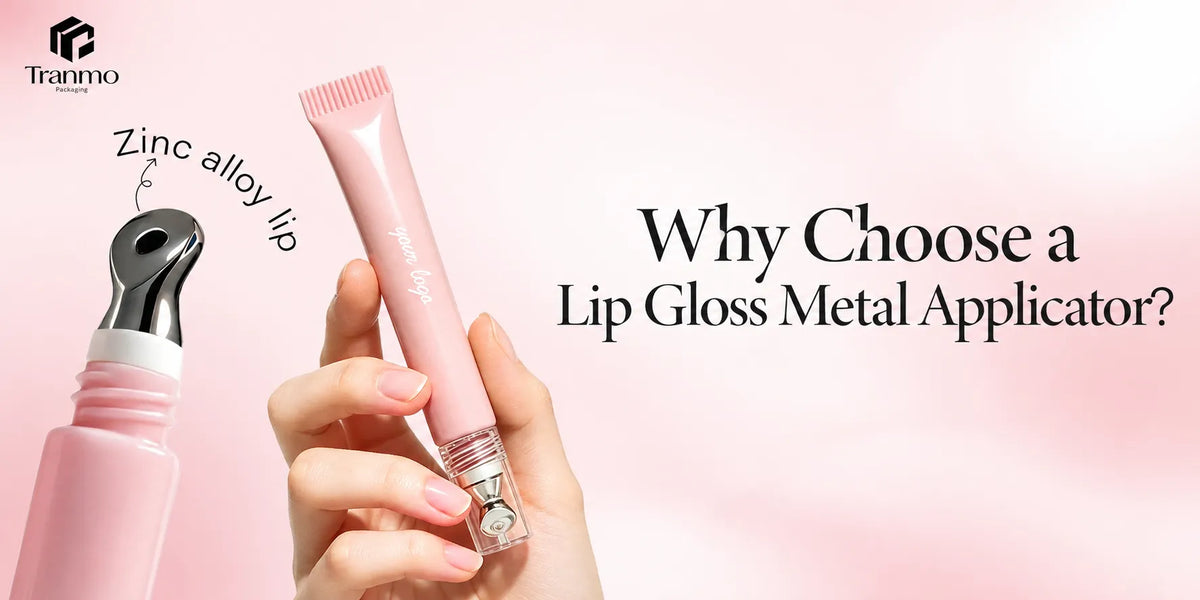
- Mini lip gloss squeeze tubes: provide a softer and more direct-dispensing alternative to the rigid wand tube. The reduced body still needs enough gripping area, while the outlet or attached applicator should release a controllable amount of a suitable gloss, lip oil, gel, or treatment formula.
Empty mini lip gloss tubes can therefore follow a refined wand, thick-wall transparent, cap-led, accessory, or direct-dispensing route. The choice should follow the formula, application method, target style, and intended carrying experience.
5. Mini Formats Can Also Become Children's Lip Gloss Packaging
Children's lip gloss packaging starts with the same compact and usable mini structure, then adds a more obvious child-oriented visual language. This extra layer of color, shape, and illustration separates it from the refined, transparent, or metallic mini formats described above:
- Child-oriented color palettes: bright pink, purple, blue, yellow, pastel combinations, or lively contrasting colors create a more cheerful and youthful appearance.

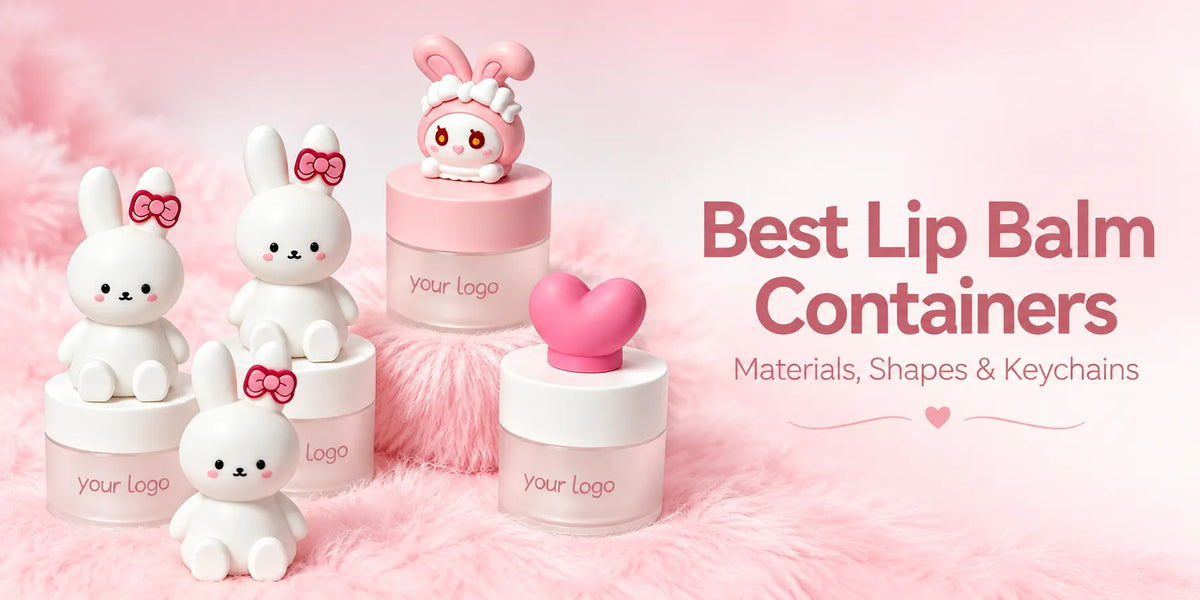
- Animal and character shapes: bunny ears, bears, cats, and other simplified character details can appear on the complete tube or be concentrated on the cap.

- Fruit, flower, candy, and heart themes: familiar shapes can make the package easier to connect with a playful flavor, shade, or collection concept.

-
Playful illustrations: stars, clouds, bows, smiling faces, simple characters, and colorful repeating patterns add a stronger children's identity to a compact bottle.

-
Softer structural details: rounded outlines, compact proportions, and an easy-to-recognize cap help the package feel friendlier and more cohesive with the children's theme.

KAIYA's cute makeup packaging and kids makeup packaging provide relevant directions for combining mini capacity with playful colors, character details, shaped caps, and themed artwork. The final choice can be coordinated with the lip gloss formula, applicator, capacity, and overall collection style.
6. The Main Challenge Is Keeping the Complete Structure Usable
Making the bottle smaller reduces available space, but it does not remove any of the functions expected from a lip gloss package. The challenge is to preserve smooth filling, opening, pickup, application, and carrying while keeping the compact appearance.
- Actual capacity: thick walls or decorative outer forms can make the package look larger than its internal chamber. Capacity must be confirmed from the exact component rather than estimated from the outside size.
- Applicator reach: the stem and tip need enough travel to access the formula without becoming too long for the short bottle.
- Wiper and pickup: a reduced tube still needs a suitable wiper opening and applicator combination for the formula viscosity and desired product load.
- Opening and grip: the cap needs enough holding area and a comfortable opening force. A visually attractive mini pack should not feel awkward in the hand.
- Filling and assembly: the neck, fill opening, component orientation, and standing stability must remain workable on the production line.
- Decoration precision: the smaller logo area makes scale, registration, edge quality, and cap alignment more noticeable.
- Packing protection: small tubes and projecting charms need inserts, dividers, or other suitable protection to reduce movement, scratching, and mixed components.

KAIYA balances these points by comparing the target capacity with the bottle chamber, cap proportion, applicator system, decoration area, and intended use. Physical and filled samples help confirm that the final mini package remains smooth to open, hold, apply, fill, and pack rather than merely looking small.
7. Develop Refined Mini Lip Gloss Packaging with KAIYA
KAIYA supplies small lip gloss containers for wand, squeeze, keychain, clear, refined, and playful design directions. Existing components can provide a practical starting point, while custom colors, logos, surface finishes, cap details, and deeper structural development follow the project requirements and quantity.
Send the formula type, desired capacity, application method, target audience, individual or set presentation, preferred visual direction, artwork, quantity, and launch schedule. KAIYA can help compare suitable existing packages or a deeper custom cosmetic packaging route, then coordinate samples and production around both the small appearance and the complete user experience.