OEM vs Custom vs Private Label vs Wholesale Packaging
OEM cosmetic packaging starts with a packaging target that is already clearly defined by the buyer, such as a reference sample, technical drawing, dimensions, material specifications, or an approved structure.

OEM Packaging
- Your specification, our manufacturing.
- For buyers with a defined sample, drawing, dimensions, materials, components, or approved packaging specification.
- Best for: Reproducing a clearly defined packaging requirement.

Custom Packaging
- Develop a new packaging direction.
- For projects that require deeper structural development, component changes, 3D review, new tooling, or mold development.
- Best for: Creating packaging beyond an existing standard structure.

Private Label Packaging
- Existing packaging, your brand.
- Start with a proven packaging structure and customize selected colors, logo decoration, surface finishes, or component combinations.
- Best for: Faster branded packaging development without creating a new structure.

Wholesale Packaging
- Existing packaging, bulk sourcing.
- Choose from available or established packaging structures with the focus on quantity, repeat supply, packing, and purchasing efficiency.
- Best for: Buyers that do not require deeper structural development.
OEM Cosmetic Packaging Manufacturer
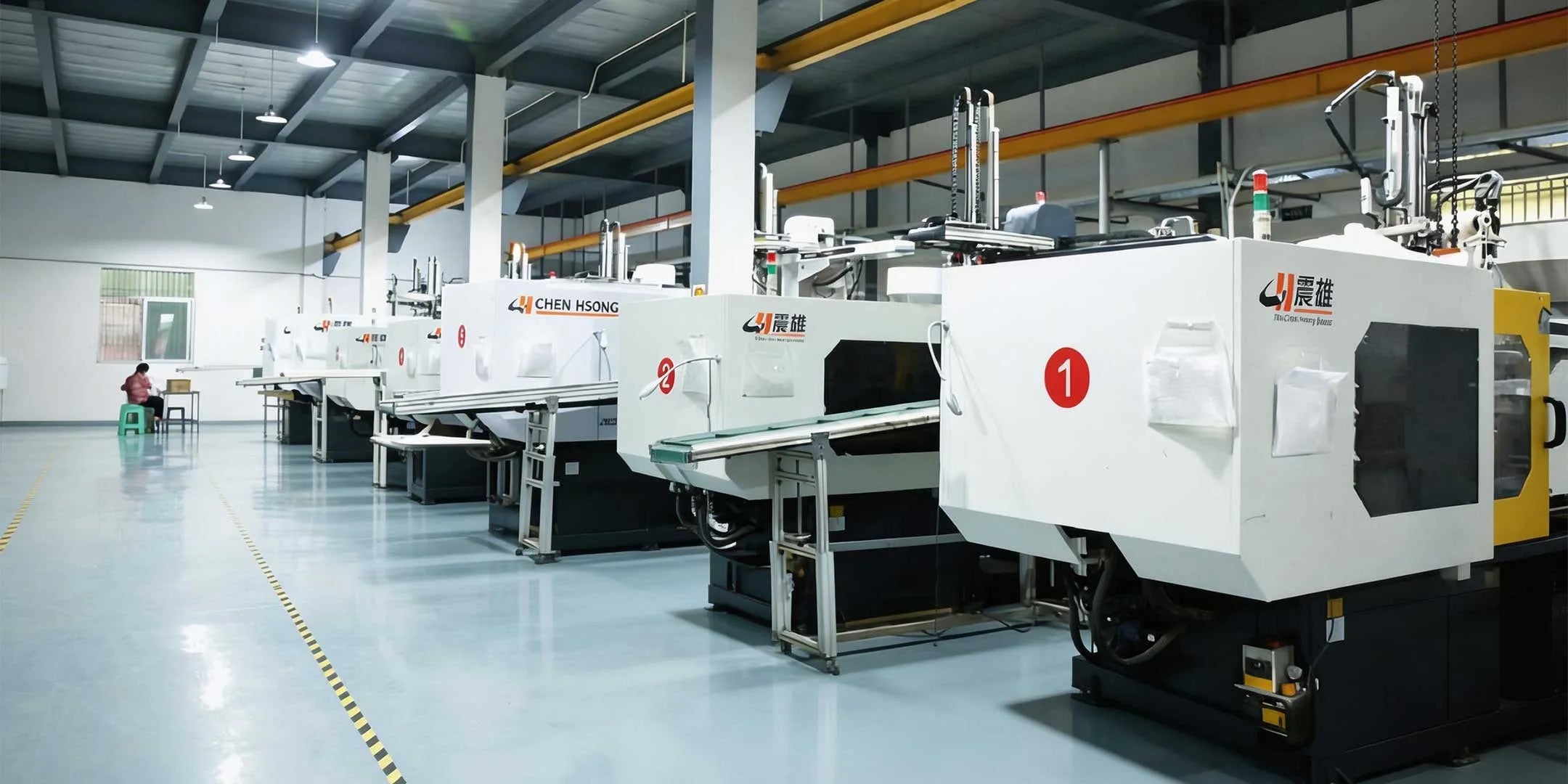
As an OEM cosmetic packaging manufacturer, KAIYA turns defined packaging requirements into practical production specifications. Before sampling, we review the requested structure, dimensions, materials, component fit, filling access, decoration area, assembly method, and other details that may affect manufacturing consistency.
Depending on the project, an existing production structure may be adapted to the required specification, while more specialized packaging may require component adjustments or new tooling. KAIYA coordinates mold development, injection molding, component production, surface finishing, assembly, inspection, and packing according to the confirmed project requirements.
The goal is to establish a clear production standard that can be reproduced across bulk orders, with consistent dimensions, function, appearance, and component compatibility.


OEM Packaging for Color Cosmetics
KAIYA's packaging range covers primary containers for lip, eye, face, powder, and stick-format color cosmetics. Different categories require different functional components and filling considerations, so an OEM project is reviewed according to the actual product format rather than appearance alone. KAIYA currently works across tubes, bottles, jars, sticks, compacts, palettes and related cosmetic components.
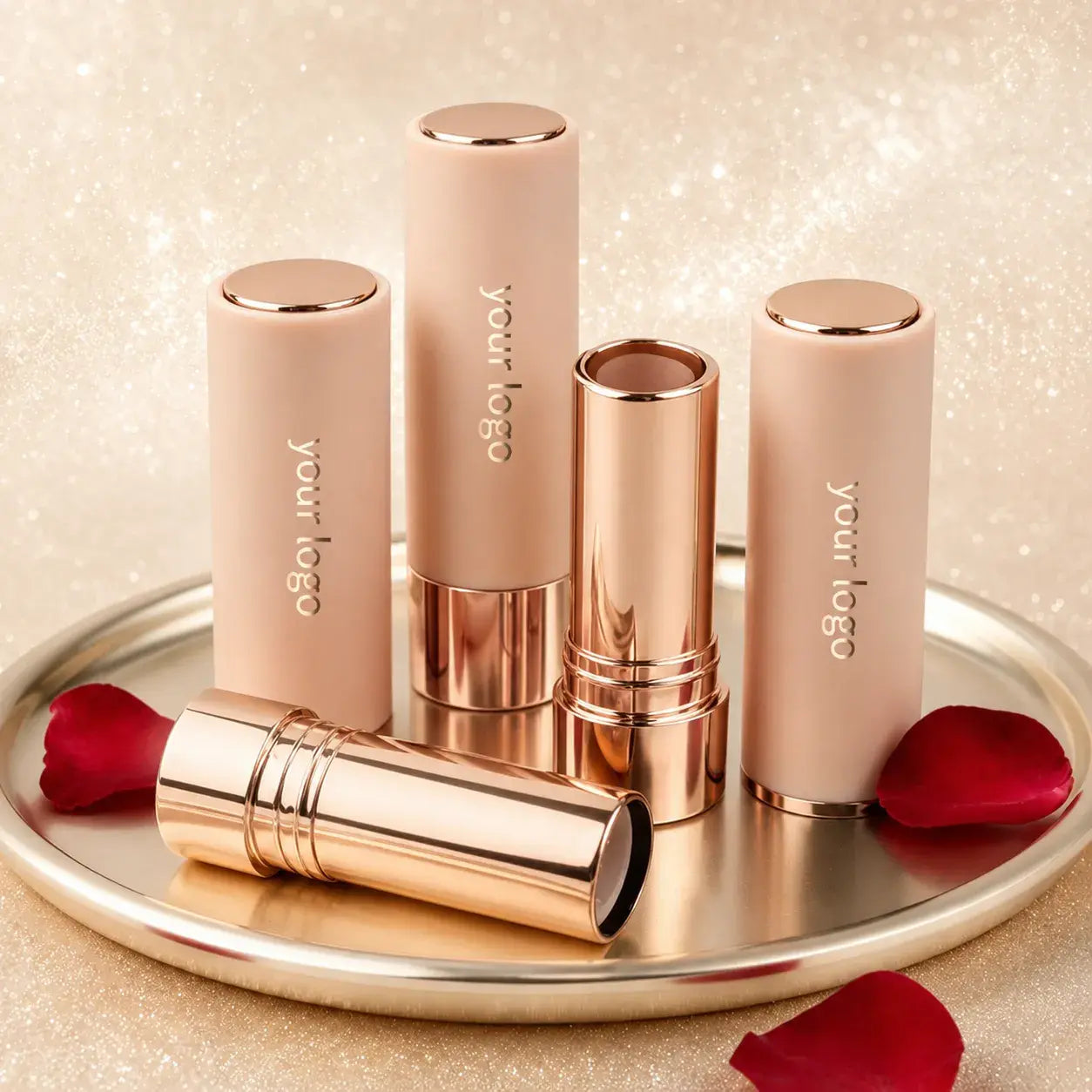
Lip Makeup Packaging
- lipstick tubes
- lip gloss containers
- lip squeeze tubes
- lip balm containers
- lip care containers
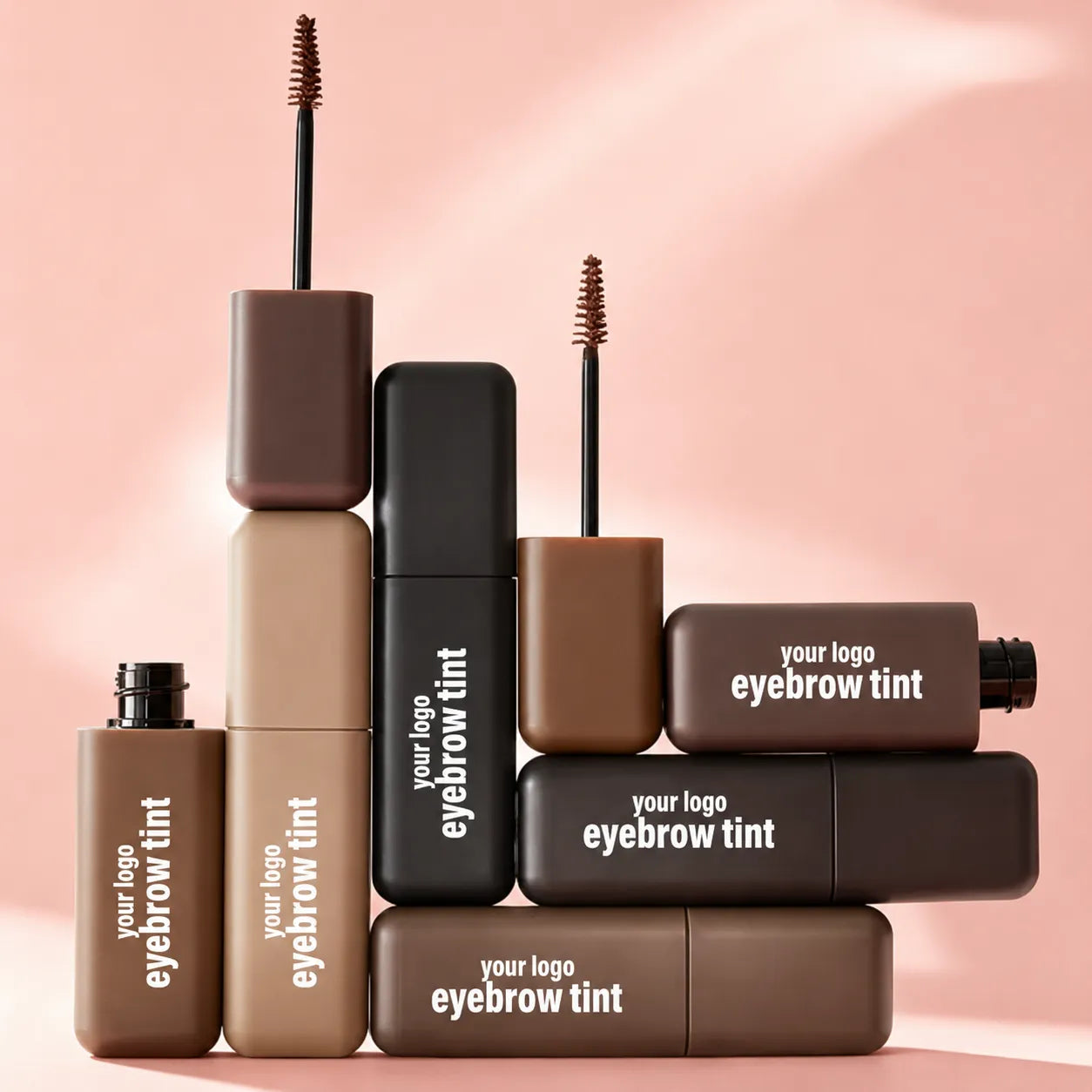
Eye & Brow Packaging
- mascara tubes
- eyeshadow cases
- eyeliner bottles
- eyebrow gel containers

Face Makeup Packaging
- foundation bottles
- cushion compacts
- loose powder containers
- compact cases
- blush packaging
OEM Cosmetic Packaging Materials
Material selection should match the approved packaging specification while remaining practical for production, decoration, filling, and transportation. KAIYA supports plastic, aluminum, glass, and selected paper-based packaging structures.
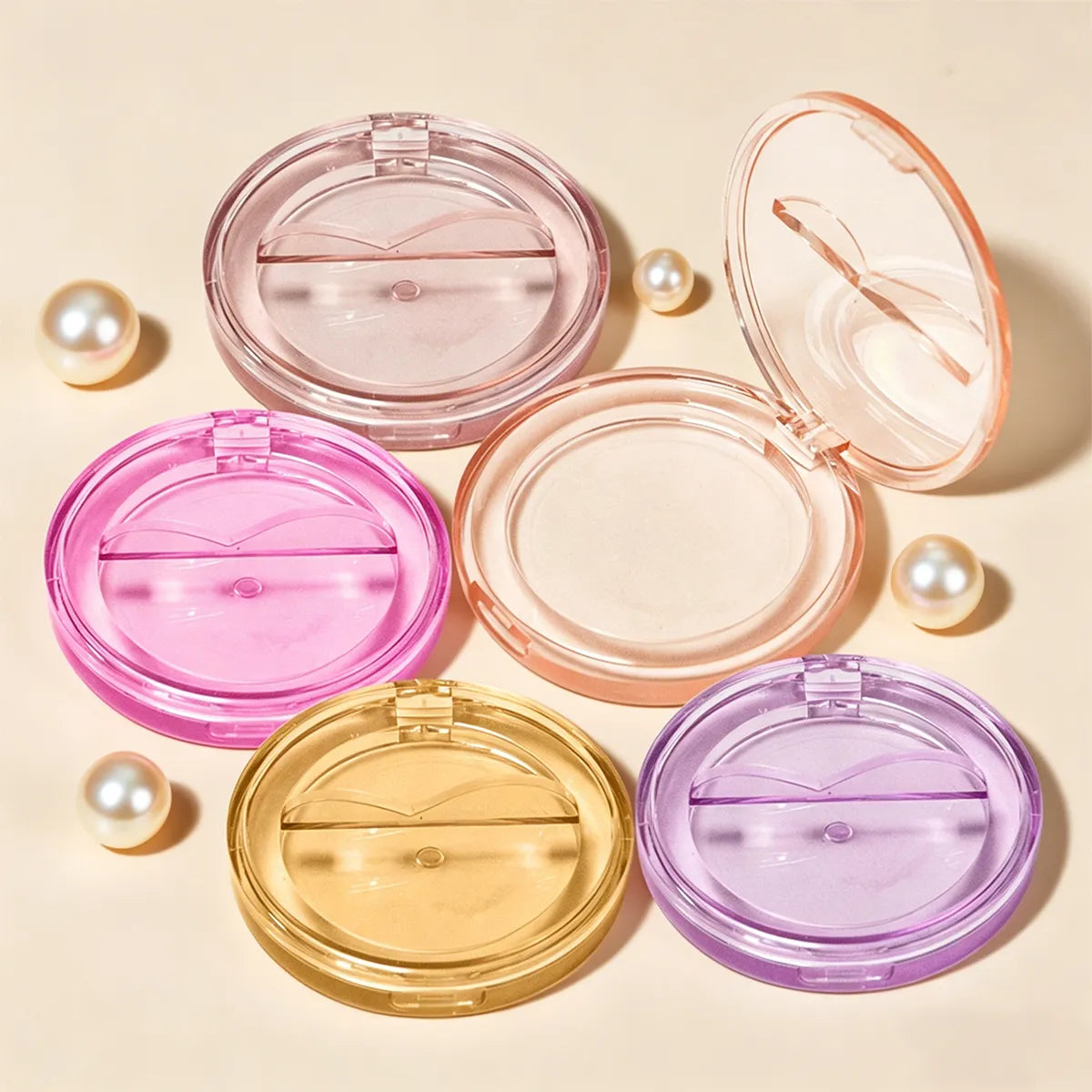
Plastic Packaging
Plastic is widely used for tubes, bottles, jars, sticks, compacts, caps, and functional components, with flexibility in molding, color, transparency, and surface finishing.
Aluminum Packaging
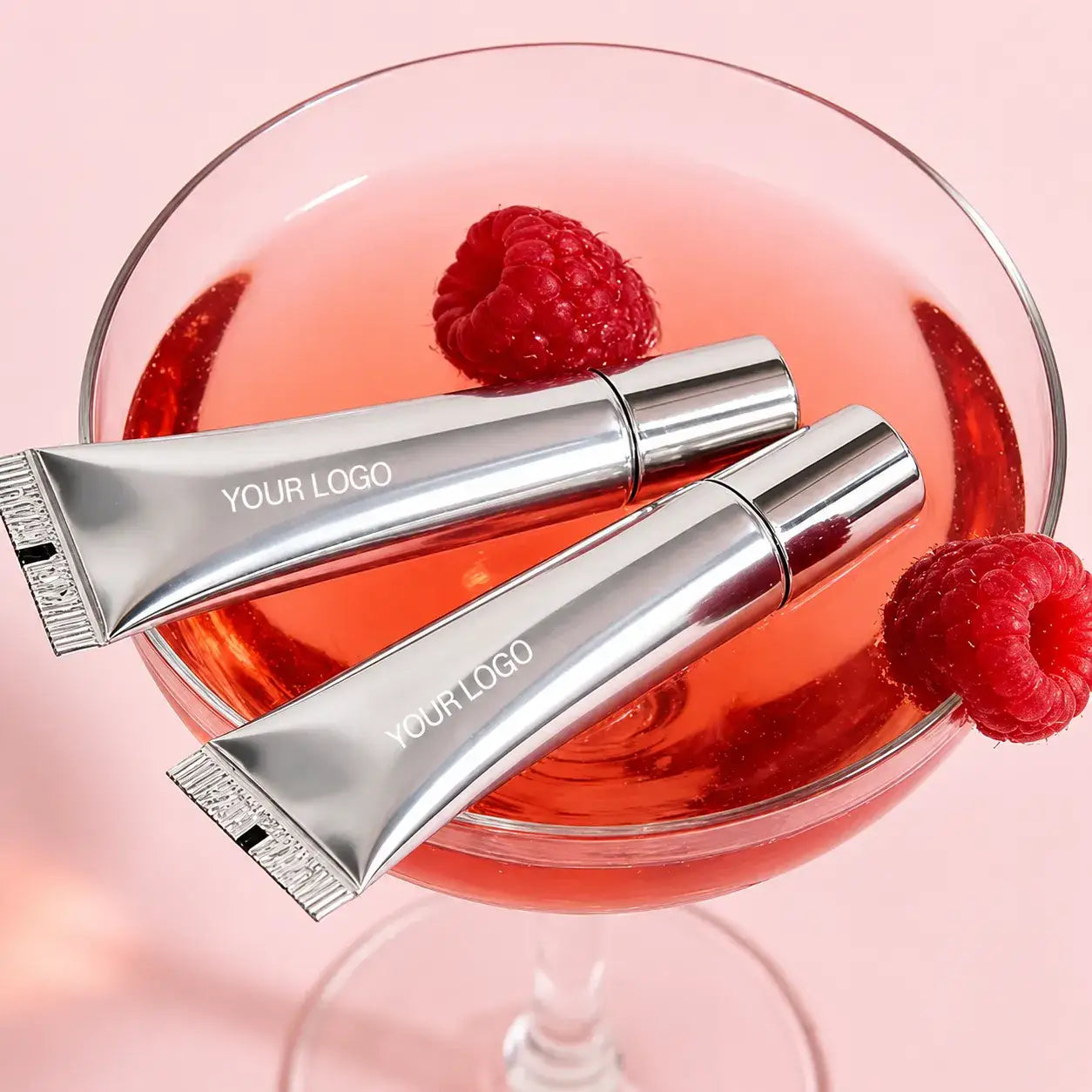
Aluminum is suitable for selected tubes, caps, sleeves, sticks, and decorative components where a metallic appearance, lightweight structure, and more premium material direction are required.
Glass Packaging
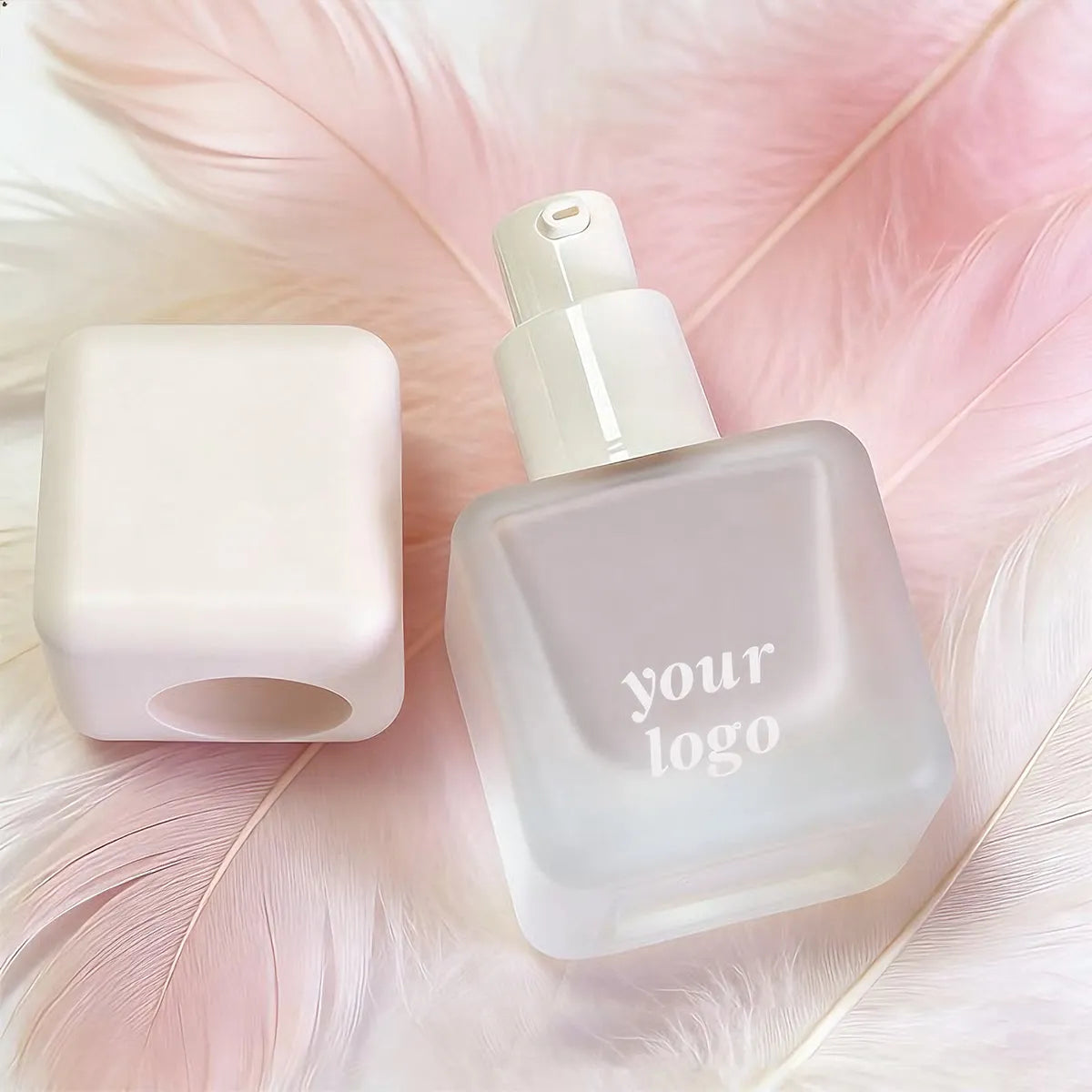
Glass is mainly used for selected liquid and cream cosmetic bottles or jars, offering weight, clarity, and a more substantial presentation for suitable product formats.
Paper-Based Packaging
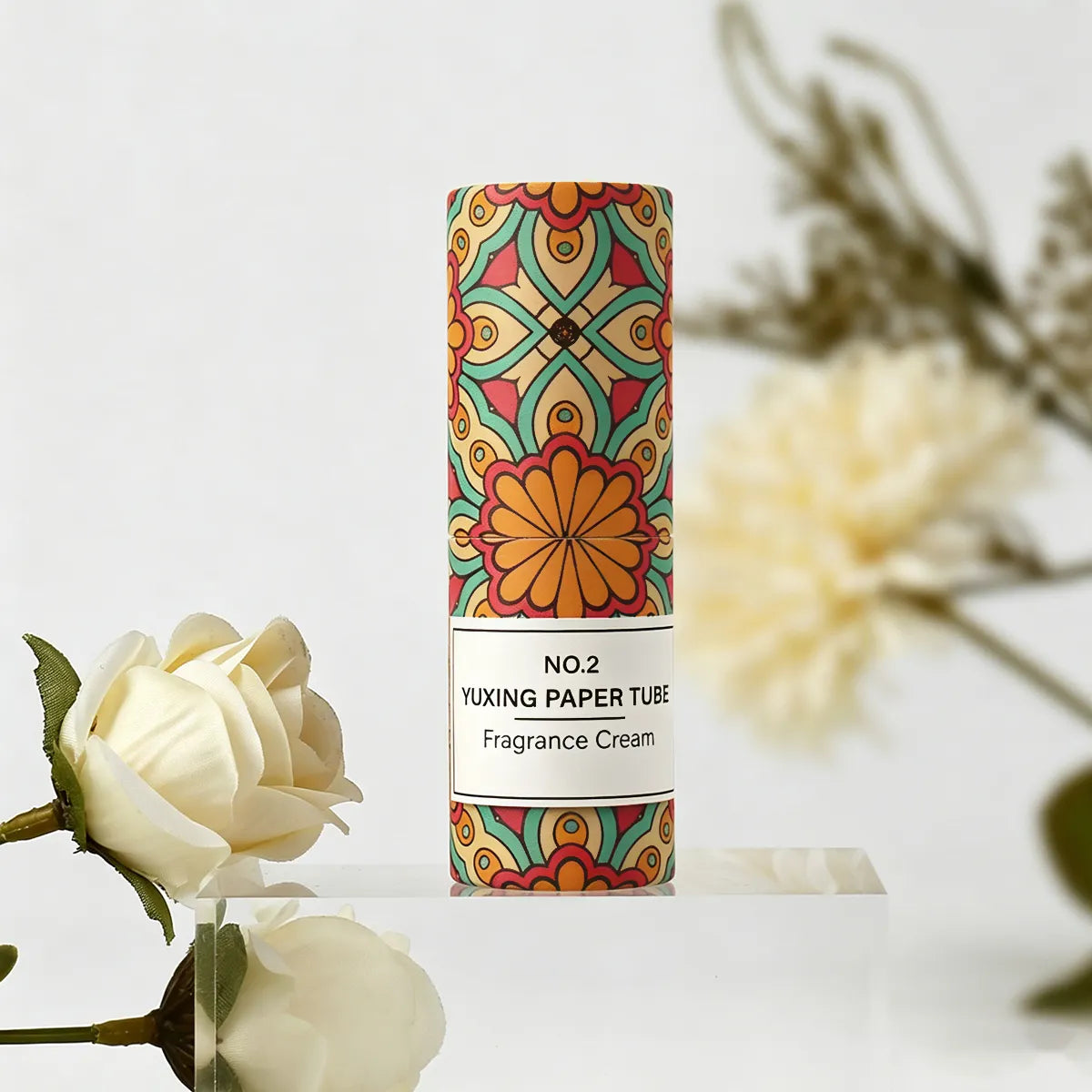
Paper-based structures can support selected lip balm, lipstick, palette, and secondary packaging projects where brands want to reduce conventional plastic use or explore alternative material directions.

OEM Cosmetic Packaging Process
1. Share Requirements:Provide a sample, drawing, specifications, material, quantity, or reference.
2. Technical Review:We review structure, components, materials, tooling, decoration, and production feasibility.:
3. Development & Sampling:Existing tooling is evaluated, or new tooling and samples are developed where required.
4. Sample Approval:Confirm structure, fit, function, color, decoration, and final appearance.
5. Bulk Production:Proceed with manufacturing, finishing, assembly, inspection, packing, and repeat supply.
Who Is OEM Cosmetic Packaging Suitable For?
KAIYA's OEM cosmetic packaging solutions are suitable for buyers that already have clearer packaging standards and need manufacturing execution rather than starting from an undefined packaging idea.
Typical projects include:
- Beauty brands with approved packaging drawings or reference samples
- Cosmetic manufacturers sourcing packaging for defined products
- Contract fillers that need containers matched to filling requirements
- Packaging companies outsourcing specific components or structures
- Established brands transferring an existing package to a new manufacturing source
Work with KAIYA for OEM Cosmetic Packaging
Send KAIYA your packaging reference, drawing, target dimensions, material direction, required components, artwork, estimated quantity, and intended cosmetic application.
Our team will review the technical requirements and confirm the appropriate sampling and manufacturing route. Through structured OEM cosmetic packaging services, KAIYA helps turn defined packaging requirements into manufacturable components with coordinated production, decoration, inspection, packing, and repeat-order support.
Frequently Asked Questions
Packaging Solutions
- OEM cosmetic packaging is packaging manufactured according to requirements primarily defined by the buyer.
- The project may begin with a drawing, reference sample, dimensional specification, approved design, required material, or defined component structure.
- The OEM manufacturer reviews whether those requirements can be molded, assembled, decorated, filled, and reproduced consistently before moving into sampling and production.
- An OEM cosmetic packaging manufacturer can evaluate a project more accurately when the buyer provides the intended product type, reference sample or drawing, dimensions, capacity, material, component requirements, decoration, artwork, target quantity, and filling information where relevant.
- More complete technical information makes it easier to determine whether existing tooling can be used or whether further mold development is required.
- OEM normally begins with a more clearly defined buyer specification, reference, drawing, or approved concept.
- Custom packaging can begin earlier, when the buyer still needs help developing the structure, shape, component combination, or tooling direction.
- OEM therefore focuses more heavily on manufacturing execution against a defined target, while custom packaging involves greater development input before that target is finalized.
- No. Private label cosmetic packaging normally starts with an existing container structure and focuses on making it brand-ready through logo decoration, colors, finishes, and selected component options.
- OEM packaging can involve much more specific dimensional, material, structural, and technical requirements supplied by the buyer, making manufacturing conformity to the defined specification more important.
- Yes, a physical sample can be used as an important technical reference for an OEM project.
- KAIYA can review structure, dimensions, closure, component layout, material direction, and decoration before determining the appropriate production route.
- However, a physical sample alone may not confirm every hidden dimension or material specification, so drawings or additional technical information can improve the accuracy of development.
- Not always. OEM cosmetic packaging services may use an existing mold when the required structure and dimensions are already available.
- If the buyer requires a proprietary shape, capacity, opening, closure, applicator arrangement, or other structural feature that cannot be achieved with existing tooling, new mold development may be required.
- The tooling route should be confirmed after technical review.
- KAIYA supports OEM packaging across lip, eye, face, powder, and stick makeup categories.
- Project directions can include lipstick tubes, lip gloss containers, mascara tubes, eyebrow gel packaging, eyeliner bottles, foundation bottles, cushion compacts, powder cases, jars, sticks, palettes, and other primary color cosmetic packaging formats.
- Production consistency begins with a clear approved specification.
- KAIYA reviews critical dimensions, component fit, material, decoration, assembly, and functional requirements during sampling and uses the approved standard as the reference for bulk production.
- In-line and final inspections help check structural, functional, and appearance requirements before packing and repeat production.
Blog posts
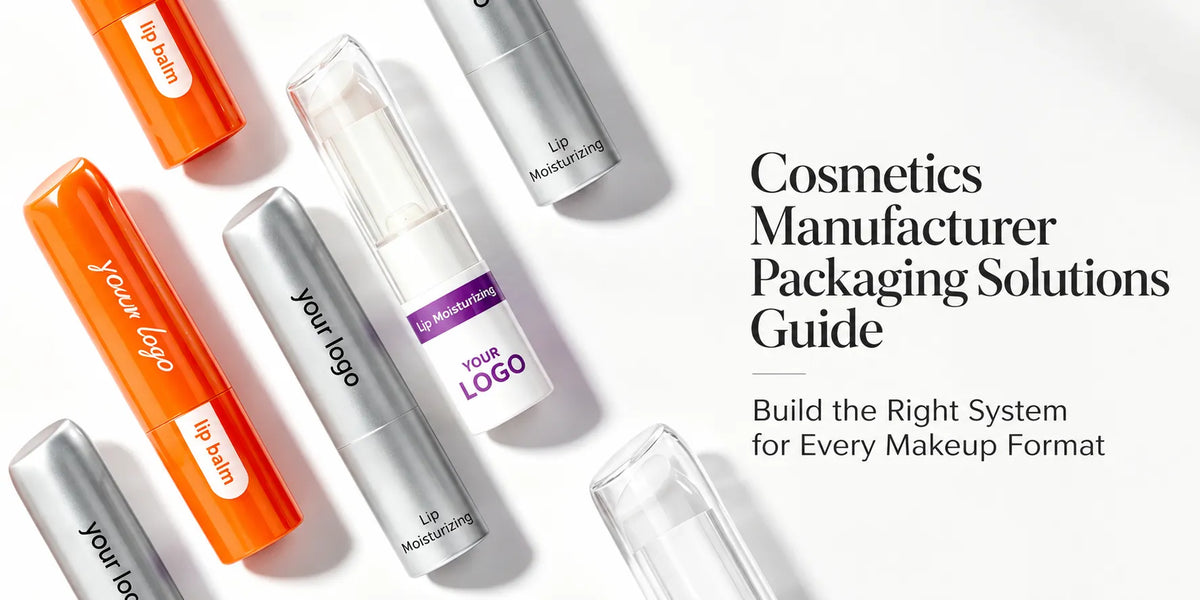
Cosmetics Manufacturer Packaging Solutions Guide: Build the Right System for Every Makeup Format
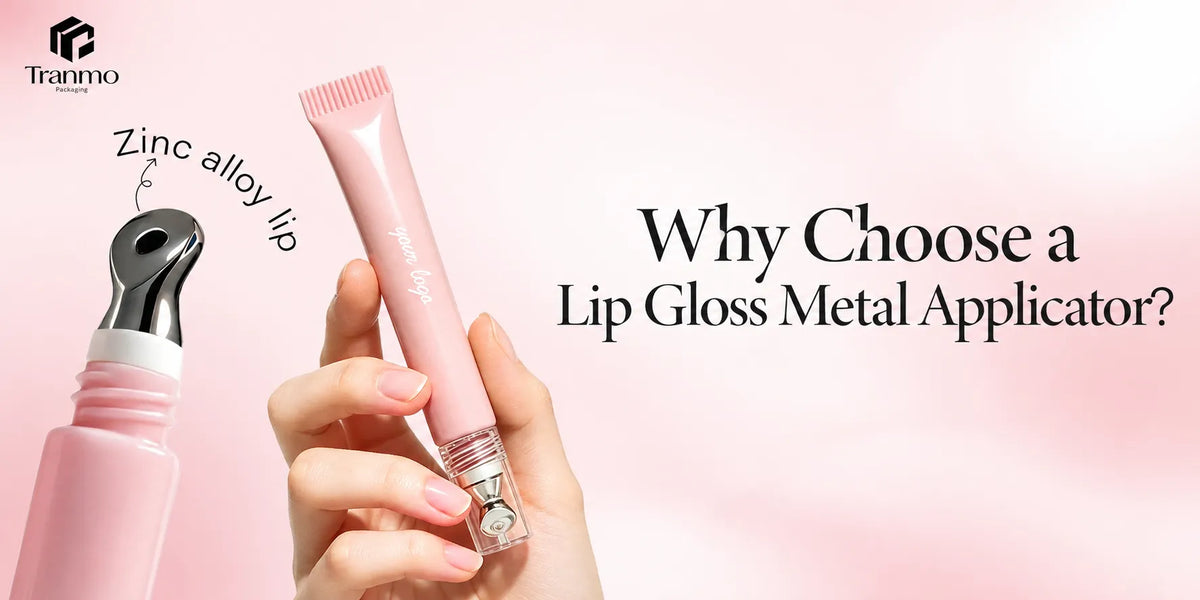
Why Choose a Lip Gloss Metal Applicator?
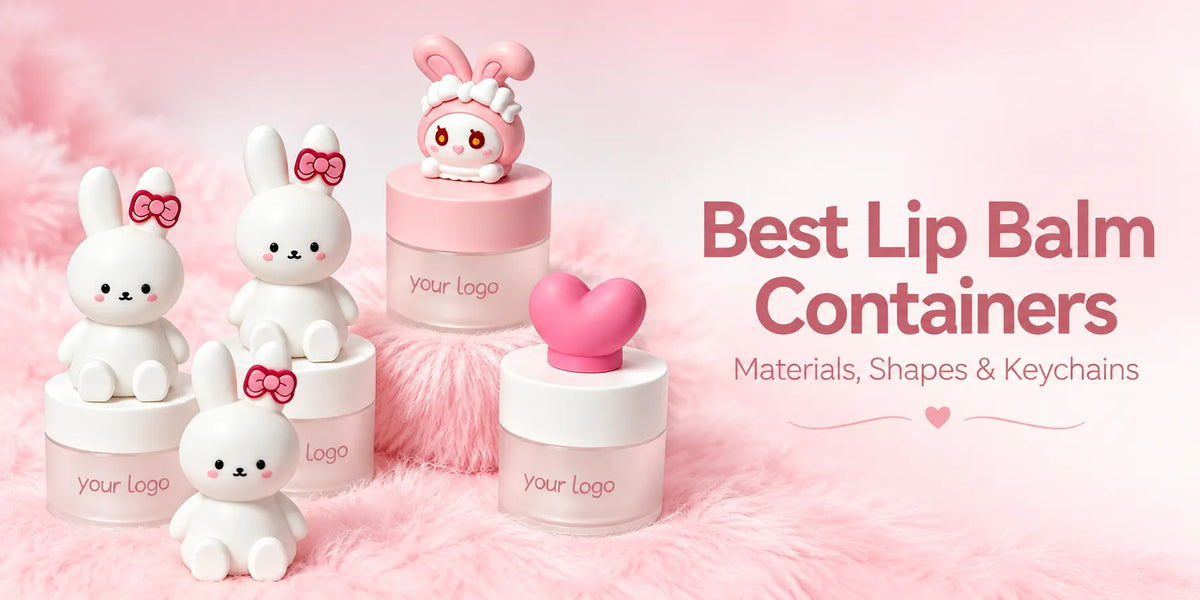
From Aluminum to Keychains: How to Choose the Best Lip Balm Containers for a Distinctive Launch
Our Advantages
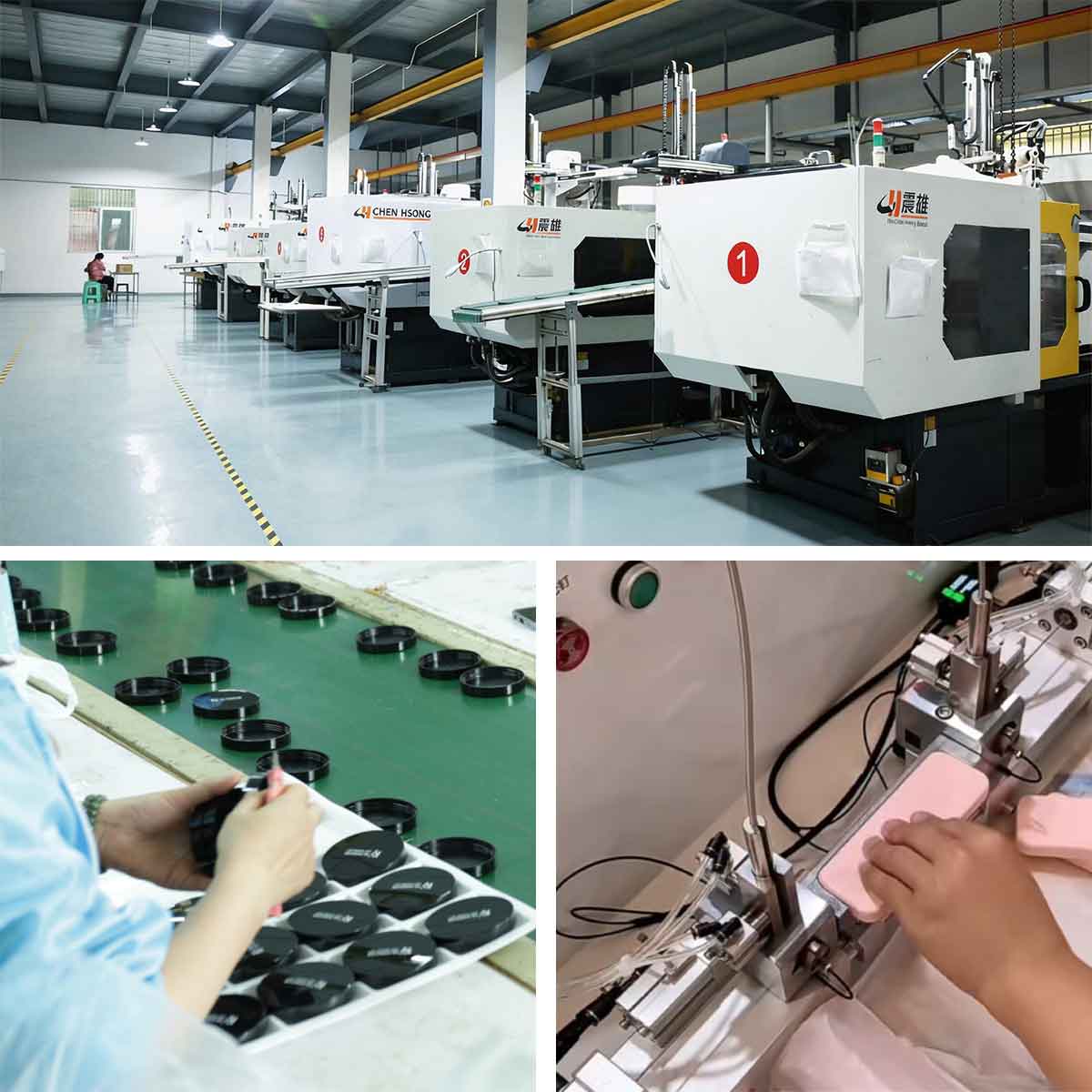
Custom Process
1.Custom Solution Design
Our team understands your brand vision to provide tailored concepts for custom cosmetic packaging .
2.Material Options
We offer diverse materials, including plastic, glass, bamboo,and specialized sustainable makeup packaging.
3.Quotation & Ordering
Flexible pricing for bulk cosmetic packaging based on your specific volume.
4.Production & Delivery
Strict coordination ensures efficient supply chain cosmetic packaging and on-time global shipping.
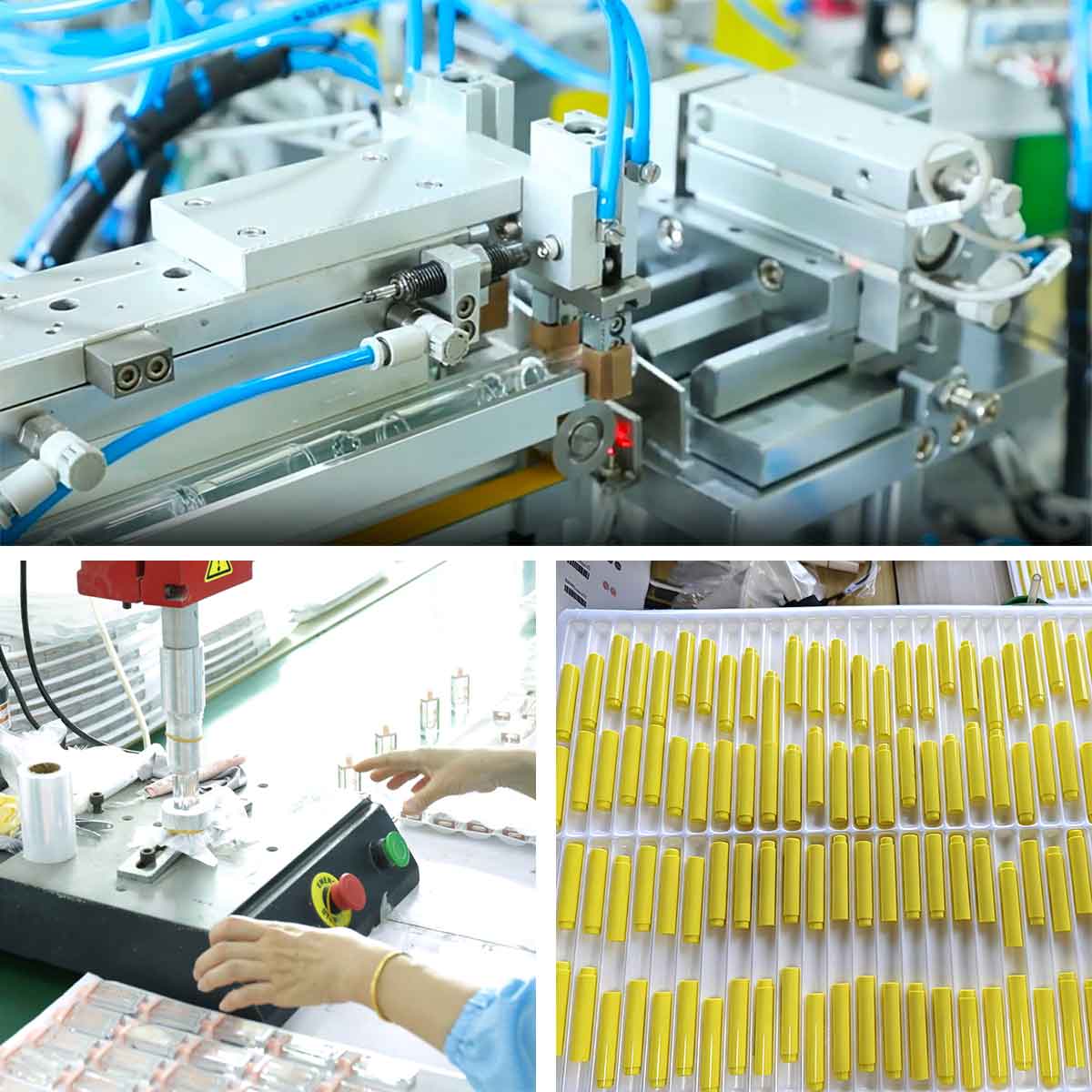
Quality Control
1.Material Inspection
We verify all incoming packaging components for safety and consistency.
2.Process Monitoring
Utilizing advanced inspections to ensure cosmetic packaging with lids manufactured to precise tolerances.
3.Product Testing
Conducting durability and leak-proof tests for all makeup packaging wholesale orders.
4.Quality Optimization
Analyze data to refine the cosmetic product development and manufacturing cycle.
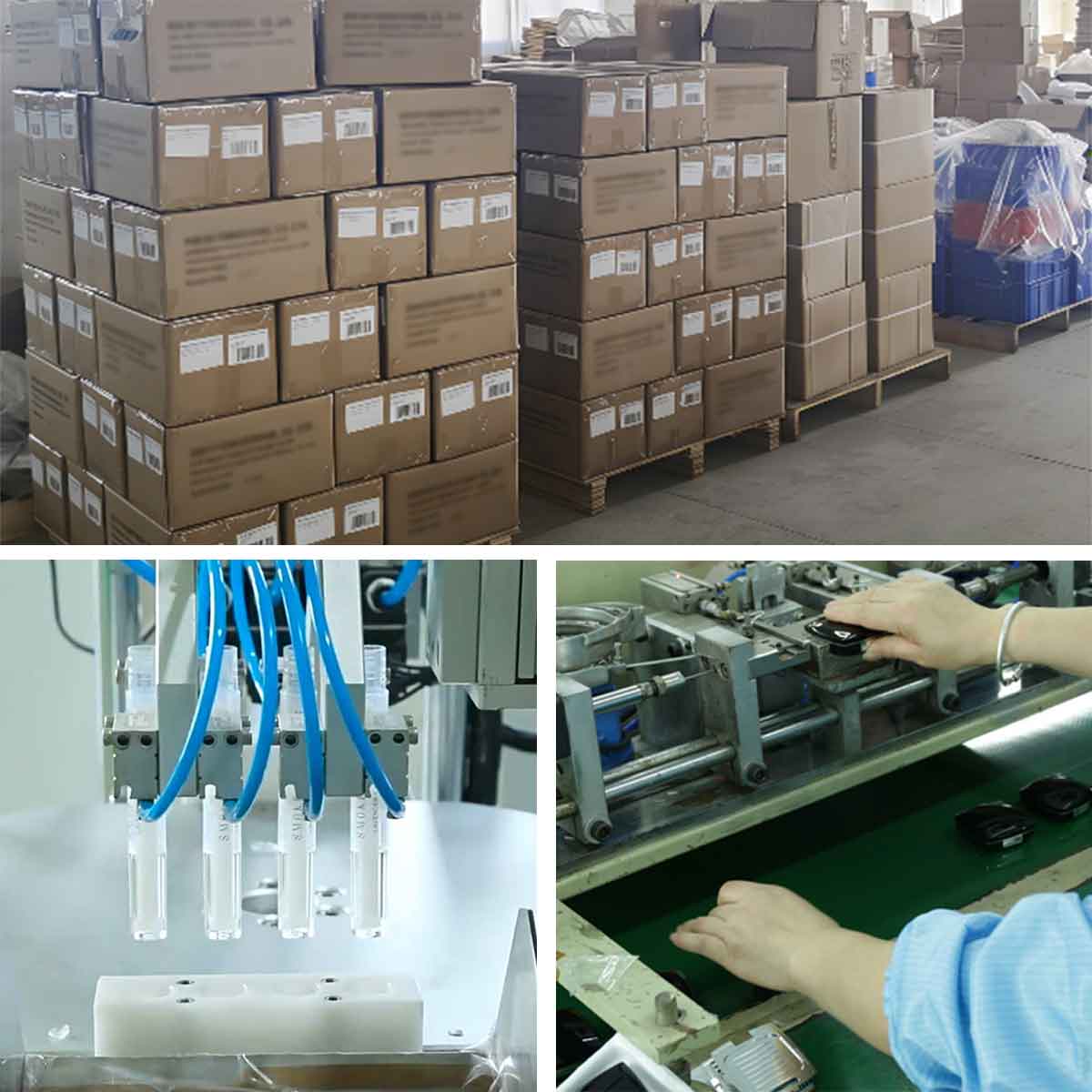
Direct Factory Supply
1.Cost Efficiency
Eliminate middlemen by working directly with our cosmetic factory for better margins.
2.Fast Delivery
Our facility handles large-scale wholesale makeup projects with rapid turnaround times.
3.Fabrication Capabilities
Equipped with automation for cosmetics manufacturing and high-precision molding.
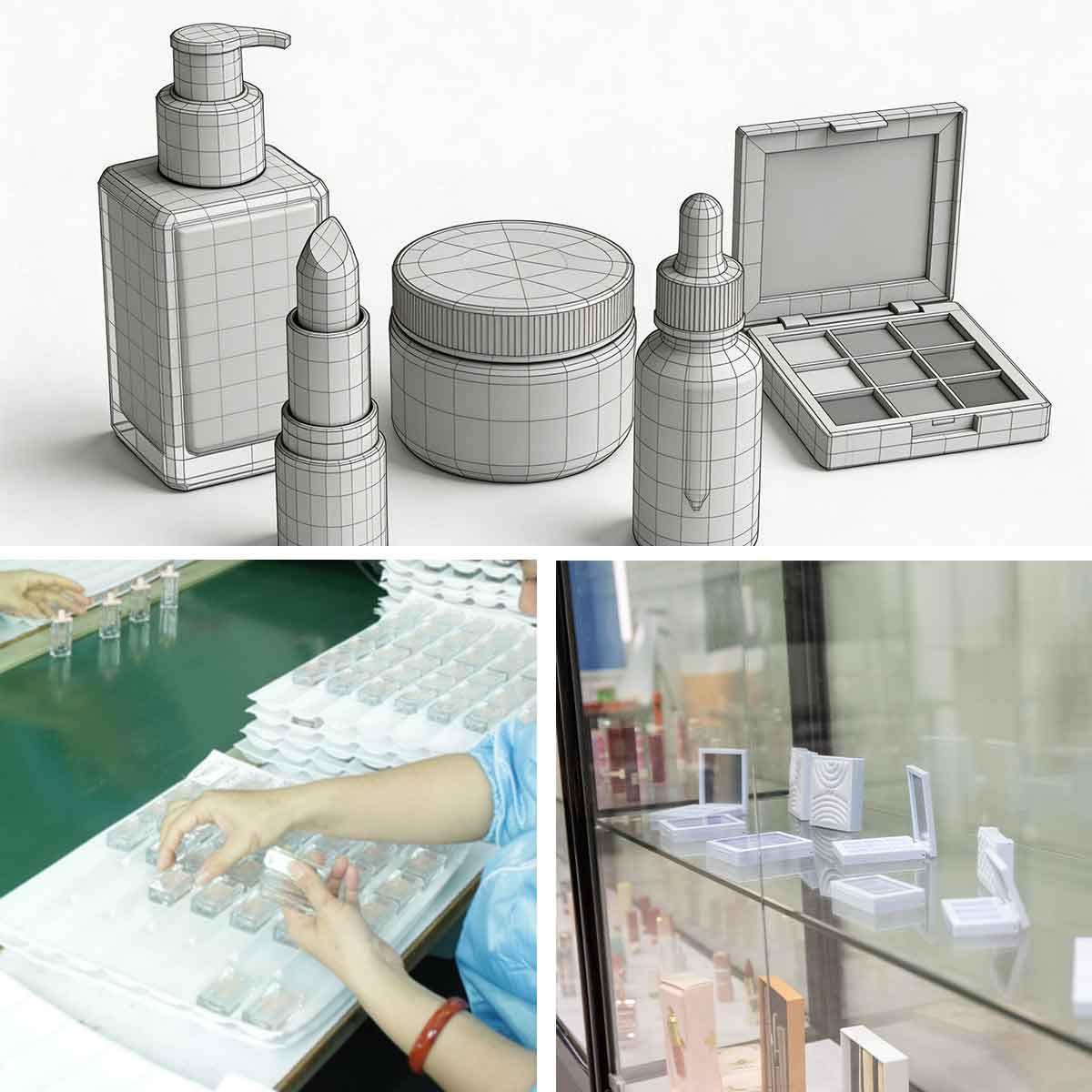
Custom Design
1.From Concept to Design
Turning sketches into detailed 3D models through our makeup packaging design service.
2.Tailored to Your Brand
Fully customizable features for private label makeup and versatile product requirements.
3.Complete Service
End-to-end turnkey cosmetics solutions from concept to final assembly.