A useful cosmetics manufacturer packaging solutions guide should do more than list bottles, tubes, jars, and materials. For a color-cosmetics project, the package must connect the formula, application method, filling route, component structure, appearance, and production plan.
This guide explains how makeup brands can organize those decisions in the right order. The objective is not to force every product into one packaging style, but to build a practical system in which each lip, eye, or face product works correctly while the full collection still looks related.

Quick overview:
- Begin with the product: formula state, application method, capacity, and filling route narrow the suitable container families.
- Specify the complete set: the body, closure, mechanism, applicator, wiper, pan, sifter, or other functional parts must be evaluated together.
- Choose a realistic development route: use an existing mold, semi-custom appearance, or new tooling according to what actually needs to change.
- Select materials by component: plastic, glass, aluminum, and paper-based directions offer different structures and appearances, but suitability is project-specific.
- Build a product family: color, finish, logo hierarchy, and selected design details can connect different container types without weakening their functions.
- Approve filled samples: the final decision should reflect the actual formula, filling method, application behavior, and intended use.
1. Start with the Product, Not the Empty Container
The same attractive package cannot serve every formula. A fluid lip gloss, viscous mascara, soft balm, molded lipstick bullet, pressed powder, and loose powder each move through production and reach the consumer differently. The first packaging question is therefore not “Which shape looks best?” but “What must this product do from filling to final application?”
Five points should be defined before narrowing the packaging:
- the product category and formula state;
- the intended net fill or capacity;
- the filling or molding method;
- how the consumer dispenses, picks up, or applies the product;
- the required protection, portability, and visual position.
These answers establish a functional boundary. Appearance development becomes more efficient after unsuitable container structures have been removed.
2. Match Each Makeup Format to a Packaging System
Container names are only the starting point. Each product needs a packaging system made of compatible parts. The following overview shows the main relationship rather than prescribing one universal structure.
| Makeup Format | Common Packaging | Key Packaging Considerations |
|---|---|---|
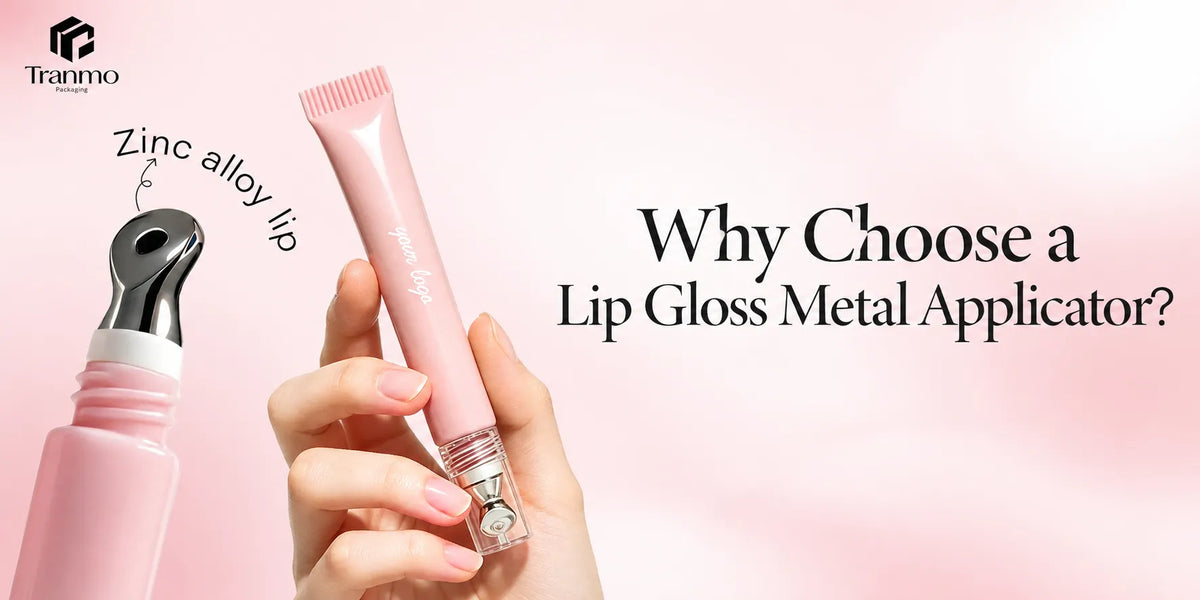
| Lip gloss, lip oil, mascara & liquid concealer | Rigid tube or bottle with wand | Match reservoir, neck, wiper, stem, applicator and cap for controlled pickup. |
| Lip serum, balm gel & selected liquids | Squeeze or dispensing tube | Match outlet size, tube flexibility, sealing and formula flow. |
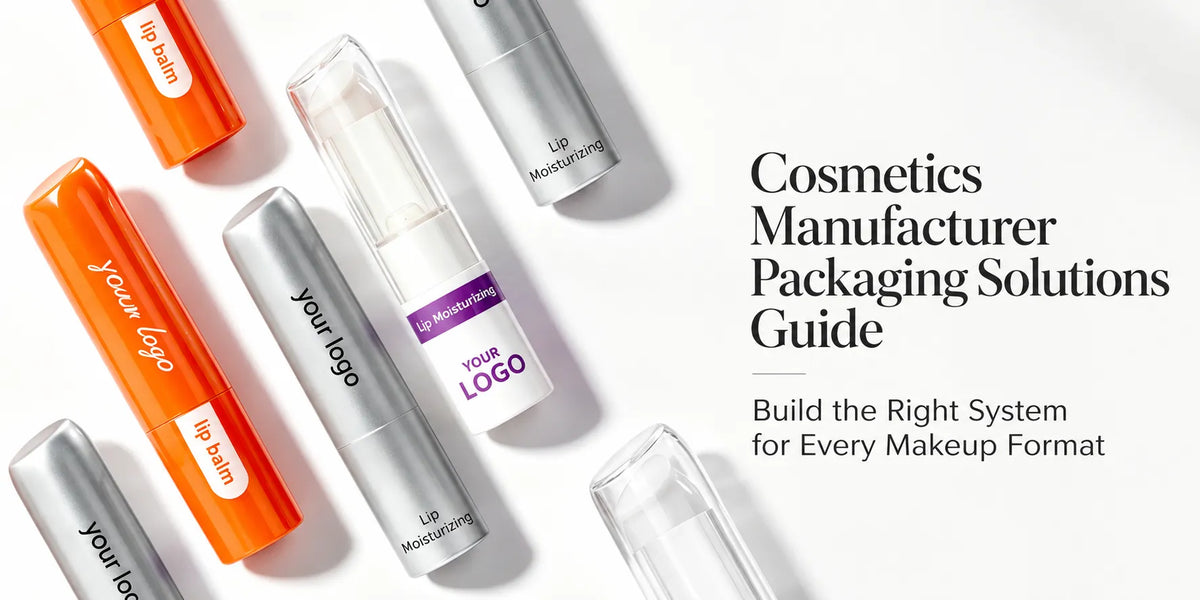
| Lipstick, lip balm, foundation, blush & highlighter sticks | Twist-up stick container | Check filling method, formula hardness, cup size, twist mechanism and cap clearance. |
| Pressed powder, blush, highlighter & eyeshadow | Compact or palette | Match pan size, layout, hinge, closure and applicator space. |
| Loose powder | Powder jar or case | Select suitable sifter, mesh, puff, inner cover and cap for controlled dispensing. |
| Liquid foundation | Bottle, tube or cushion; stick for solid formulas | Match viscosity, filling method, pump or applicator, and dosage. |
KAIYA organizes makeup packaging by application so brands can begin with the product role before comparing individual models.
Discuss Your Packaging Project
3. Approve the Complete Component Set, Not Only the Visible Shell
A packaging solution is only as reliable as the relationship between its parts. A lip gloss container is not simply a bottle and cap; its wiper controls how much formula remains on the applicator and how cleanly the wand leaves the neck. A mascara package adds a brush whose diameter and profile must work with that wiper and formula.
Stick packaging depends on the body, cup, lifting mechanism, cap, and the dimensions of the filled or molded product. Compacts and palettes depend on the pan or tray as well as the hinge and closure. Loose-powder packaging depends on the space and movement allowed for the sifter, mesh, puff, and inner cover.
Brands should therefore request a component list for the selected model and keep the approved combination intact. Replacing one apparently minor part can alter filling, application, closure, or assembly behavior.
4. Choose among Existing Molds, Semi-Custom Packaging, and New Tooling
1. Existing-Mold Packaging
An existing mold is usually the most direct route when its capacity, dimensions, mechanism, and component set already suit the formula and production plan. The structure remains fixed, while confirmed colors, logos, and compatible finishes can create a branded result. This route is useful for testing a market, developing several SKUs, or working to a tighter schedule.
2. Semi-Custom Packaging
Semi-custom development begins with a proven package and changes selected visual elements within its available limits. Options may include component colors, transparency, coating, printing, hot stamping, metallized effects, or a compatible decorative accessory. It provides more distinction without treating an existing mold as if its shape or internal structure could be freely changed.
3. New-Mold Development
Custom cosmetic packaging with new tooling becomes relevant when the project requires an original silhouette, new dimensions, a special cap, a different internal relationship, or another structural feature that existing models cannot provide. This route normally includes design, 3D development, engineering review, prototyping, DFM, tooling, trial parts, revisions, and production preparation.
The correct route depends on the product requirement, not simply on whether the brand wants the packaging to look “custom.”

Discuss Your Packaging Project
5. Use Materials to Support Function, Appearance, and Brand Positioning
Material selection should be made by component and confirmed model. KAIYA's color-cosmetics packaging range may include common plastics such as PP, PET, PETG, ABS, and AS; selected glass jars and foundation bottles; aluminum shells or components; and paper tubes or paper-based outer structures.
- Plastic: supports a wide range of molded structures, colors, clear or opaque effects, and functional internal parts. The appropriate resin depends on the component and formula-contact requirement.
- Glass: can provide clarity, weight, and a rigid presentation for selected jars and bottles, but it requires attention to compatibility, closure, handling, and transport.
- Aluminum: can create a cool touch, metallic surface, and premium shell treatment on suitable lipstick, mascara, lip gloss, or other selected structures. The internal functional parts may still use other materials.
- Paper-based structures: can create a distinctive tactile and printed surface for compatible tubes or outer components. Buyers should confirm whether the product is all-paper or combines paper with plastic internal parts.

Material names alone do not establish performance, recyclability, or market compliance. The final component construction, decoration, formula contact, target market, and evidence available for the exact package should guide any environmental or regulatory claim.
Discuss Your Packaging Project
6. Build Brand Identity through Color, Transparency, and Surface Processes
Once the functional system is stable, appearance can be developed around the surfaces that the selected package actually provides. Color matching may involve molded color, coating, anodized aluminum, or a combination of different substrates. Clear, translucent, frosted, and opaque directions also change how much of the formula or inner structure remains visible.

Logo and graphic options can include silk screen printing, hot stamping, compatible transfer processes, laser marking on selected materials, or molded raised and recessed details when the tooling supports them. Spray coating and vacuum metallization can change a broader surface, but they should be specified as surface processes rather than treated as the base material.

The usable decoration area, curvature, seam, cap orientation, component movement, and rubbing points should be reviewed before artwork approval. A finish that works well on a broad compact lid may need to be simplified for a narrow mascara or lip gloss tube.
7. Create One Visual Family without Forcing One Container across Every SKU
A coordinated makeup line does not need identical packaging. Lip, eye, and face products can share a visual system while retaining different structures for dispensing and application.
For example, a collection can repeat one cap color, metallic accent, transparent tint, logo position, or matte-to-gloss contrast across lip gloss containers, mascara tubes, lipstick tubes, sticks, compacts, and palettes. The repeated cue creates recognition, while each package keeps the neck, wiper, mechanism, pan, or applicator system its product needs.

This is especially useful when a brand launches several categories together. The packaging solution should define which details remain constant across the range and which are allowed to change by format.
8. Connect Packaging Selection to Filling and Filled-Sample Approval
Packaging should be reviewed with the intended manufacturing route before bulk production. Wand containers are generally filled through the neck before the wiper and wand are assembled. Squeeze tubes are commonly filled through an open tail and then sealed. Pressed powders require a pan and pressing route, while loose powders require controlled filling before the sifter or mesh and closure are assembled. Stick products may use top filling, back filling, or separate mold filling according to the formula and component.


The empty sample answers questions about appearance, dimensions, mechanism, and basic assembly. A filled sample answers different questions: formula compatibility, flow or pickup, application, leakage, closure cleanliness, filling feasibility, and stability under the project's test conditions. Brands can review the main production routes in KAIYA's cosmetic filling and packaging guide.
Discuss Your Packaging Project
9. Prepare a Brief That Leads to Useful Packaging Recommendations
A packaging inquiry becomes more productive when it describes the product rather than asking only for a catalog. A practical brief should include:
- product category, formula type, and viscosity or hardness direction;
- target capacity or net fill;
- filling method and available filling equipment;
- preferred dispensing or application method;
- target market and any project-specific material or documentation requirements;
- quantity by SKU and the number of colors or variants;
- existing-mold, semi-custom, or new-mold expectation;
- reference images, color standards, logo artwork, and finish direction;
- sample deadline and intended production schedule.
This information helps the packaging manufacturer reduce unsuitable options early, explain which details are fixed by the mold, and identify what must be tested with the formula.
Discuss Your Packaging Project
10. Turn the Packaging Guide into a KAIYA Project
KAIYA supplies primary packaging for lip, eye, and face color cosmetics, including tubes, sticks, jars, selected bottles, compacts, palettes, and applicator systems. Projects can begin with an existing model, move into semi-custom color and decoration, or enter a new-mold route when an original structure is commercially justified.
For brands also developing finished color cosmetics, KAIYA can coordinate formula direction, packaging selection, filling considerations, sampling, and production within one project. The purpose of this cosmetics manufacturer packaging solutions guide is the same as our project approach: connect every decision to the actual product instead of treating the empty container as an isolated purchase.
Send the product list, formula direction, capacity, filling method, preferred application, target appearance, quantity, and schedule. KAIYA can organize the request by product family, compare suitable package systems, and clarify where existing molds are sufficient and where additional development is needed.