Concealer may be developed as a rich cream or paste, a liquid formula, or a solid and semi-solid direct-application product. These differences affect more than the appearance of the package. They influence filling, product pickup, dosage, the size of the application area, and whether the user needs a wand, fixed outlet, bottle, pen, or twist-up mechanism.
For B2B buyers, a useful concealer container comparison should therefore begin with formula state and then move to the dispensing and application method. This guide explains the main packaging routes for cream, liquid, and stick- or pen-shaped concealers, including where each format adds value and what should be checked during sampling.

Quick overview:
- Cream and paste concealers: compare jars with compact and palette formats according to pickup method, shade layout, and portability.
- Liquid concealers: choose among flexible squeeze tubes, applicator tubes with removable wands, and body-led concealer bottles.
- Stick- and pen-shaped concealers: compare slim concealer pens with twist-up sticks according to formula structure and target application area.
- Filled approval: confirm dispensing, pickup, application, closure, compatibility, and repeated use with the intended formula.
1. Cream and Paste Concealers: Jars, Compacts, and Palettes
Rich cream, balm-like, and paste concealers need packaging that allows the product to be picked up without forcing it through a narrow dispensing path. The main decision is whether the formula should remain openly accessible in a jar or be organized inside a compact or palette.
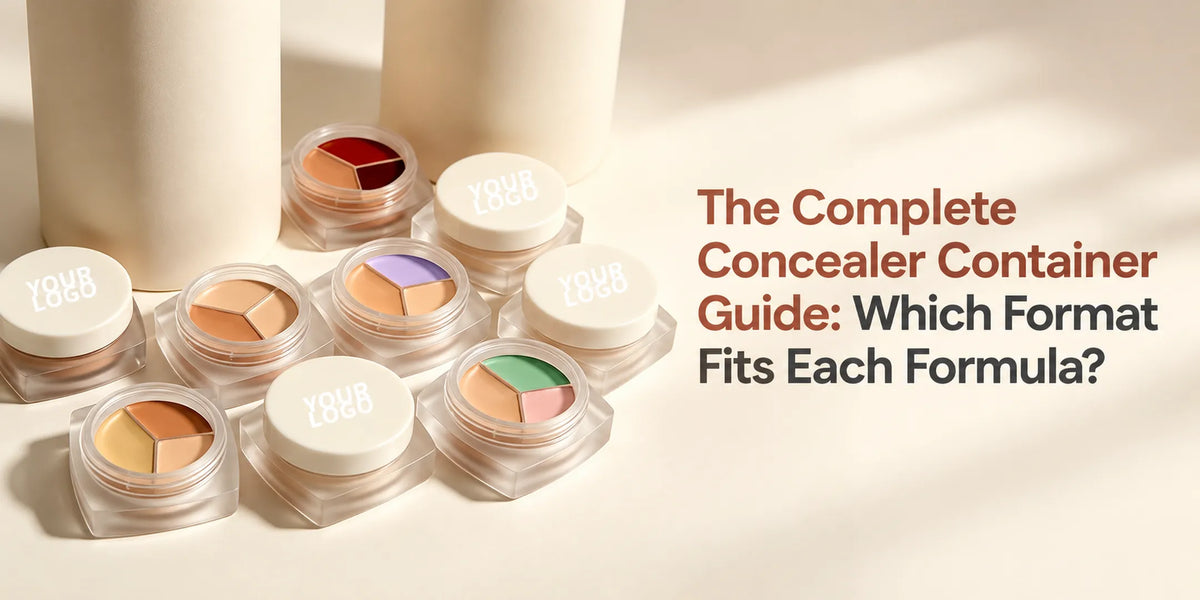
Concealer Jars Provide Wide, Direct Access
A jar suits one cream or paste formula that users pick up with a brush, fingertip, or spatula. The wide opening keeps the formula visible and accessible, while the body and lid can give a small-capacity product a more substantial presentation.

Jar selection should consider mouth diameter, usable capacity, cap engagement, liner or inner-cover direction, formula pickup, and the amount of product exposed during use. A very small opening may restrict access, while an unnecessarily wide opening can expose more of the formula each time the product is used.
KAIYA's cosmetic jar packaging range includes selected structures for cream color cosmetics. Existing molds may support customized colors, logos, and compatible finishes, while an original jar shape or internal relationship requires separate development review.
Compacts and Palettes Organize One or More Cream Shades
A compact works well for a single cream concealer pan, a duo, or a small multi-well corrector. A palette can extend the concept into several tones for color correction, brightening, contouring, or professional shade adjustment. The formula may sit in separate pans or compatible molded wells according to the selected structure and filling plan.

When evaluating an empty concealer palette, compare the number and dimensions of the wells, divider strength, pan retention, hinge, clasp, mirror, applicator clearance, and protection between the formula and lid. For several cream shades, the internal layout should keep the colors visually and physically separated during filling, transport, and use.

KAIYA can develop both cosmetic compact cases and makeup palette packaging around the required pan count, shade layout, mirror direction, closure, and retail presentation.
2. Liquid Concealers: Three Main Packaging Types
Liquid and flowable concealers can be packaged in several clearly different ways. The product may be pushed through a fixed outlet, withdrawn on a removable applicator, or housed in a more distinctive bottle-shaped body. These routes should be compared separately because they change filling, dosage, application, and the visible role of the package.
2.1 Flexible Squeeze Tube Packaging
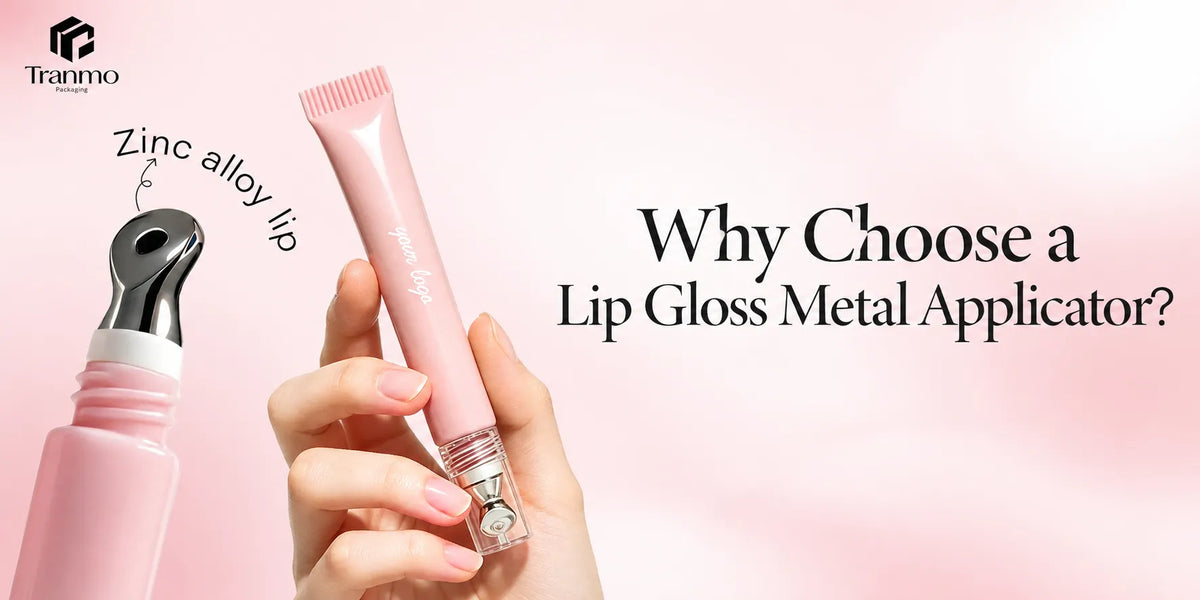
A flexible squeeze tube moves formula toward the outlet when pressure is applied to the body. It can suit liquid, creamy, or gel-like concealers when the wall structure and outlet provide the intended flow. The user controls the amount through squeeze pressure, making the outlet design central to the product experience.
Conventional plastic or laminate tubes are commonly filled through the open tail and sealed afterward. The tube material, body flexibility, outlet, tail area, artwork orientation, formula, and sealing route should therefore be defined together. The phrase empty concealer tube can describe either this flexible format or a rigid applicator tube, so a sourcing brief should identify the construction clearly.
- Ultra-Fine Nozzle for Localized Dosage
A narrow nozzle releases a small amount onto a blemish, inner corner, or another limited area. The opening must match formula flow: an overly narrow outlet can require too much pressure, while an opening that is too large can release more concealer than intended.

- Built-In Soft Sponge Tip for Dispensing and Blending
A sponge tip is a popular direction because it can receive, place, and lightly blend the concealer. The tube should wet the working surface without flooding it. Sponge density, opening position, formula flow, residue, drying behavior, and cap fit all affect repeated use.

These outlets create visibly and functionally different products even when the flexible body is similar. KAIYA's makeup tube range can be reviewed by formula, outlet, capacity, applicator direction, artwork area, and decoration.
2.2 Applicator Tube Packaging with a Removable Wand
This is the slim, rigid format commonly associated with liquid concealer. It combines a reservoir, neck, wiper, stem, applicator, and cap. The applicator picks up and places the formula, while the wiper removes excess product as the wand is withdrawn. These components need to be treated as one working system.

An empty concealer tube with wand may use a tapered doe-foot for localized placement, a broader plush applicator for faster under-eye coverage, or another confirmed shape suited to the concept. Applicator size affects contact area, while the wiper and formula determine how much product remains on the tip.
During sampling, buyers should review applicator load, stem length, reach into the reservoir, wiper opening, headspace after filling, withdrawal cleanliness, reinsertion, and cap closure. A larger applicator can support a broader application area, but it also needs enough neck space and headspace to enter the filled package without overflow or excessive wiping.
2.3 Concealer Bottle Packaging
A concealer bottle places more emphasis on the molded bottle body than the standard slim applicator tube. Rounded, oval, egg-inspired, capsule-like, flat, or other body-led shapes can create a stronger visual identity and offer a different grip, display profile, and decoration area.

The bottle silhouette does not determine the dispensing method by itself. A selected concealer bottle may use a compatible neck, closure, applicator, or other confirmed outlet system. If a bottle model includes a removable wand, the wiper, stem, and applicator still need the same filled review as an applicator tube. If it uses another outlet, that structure should be specified separately.
When comparing an empty concealer bottle, review the bottle body, base stability, shoulder and neck, usable capacity, closure, formula access, filling opening, decoration area, and the complete dispensing set. This prevents a distinctive outer shape from being approved before the working inner system is understood.
KAIYA's cosmetic bottle packaging range includes concealer bottle directions with different shapes, capacities, applicators, and finishes for B2B projects. Existing bottle molds can support selected appearance customization, while original silhouettes or structural changes require new-mold assessment.
3. Stick- and Pen-Shaped Concealers: Slim Direct-Application Formats
Stick and pen formats are useful when the product concept prioritizes portability and localized placement. They share a slim, direct-application profile, but the internal product and mechanism can differ. A pen may combine a small concealer tip with a blending tool, while a twist-up stick uses a cup and lifting mechanism to support a larger cream or semi-solid product.
3.1 Concealer Pen Packaging
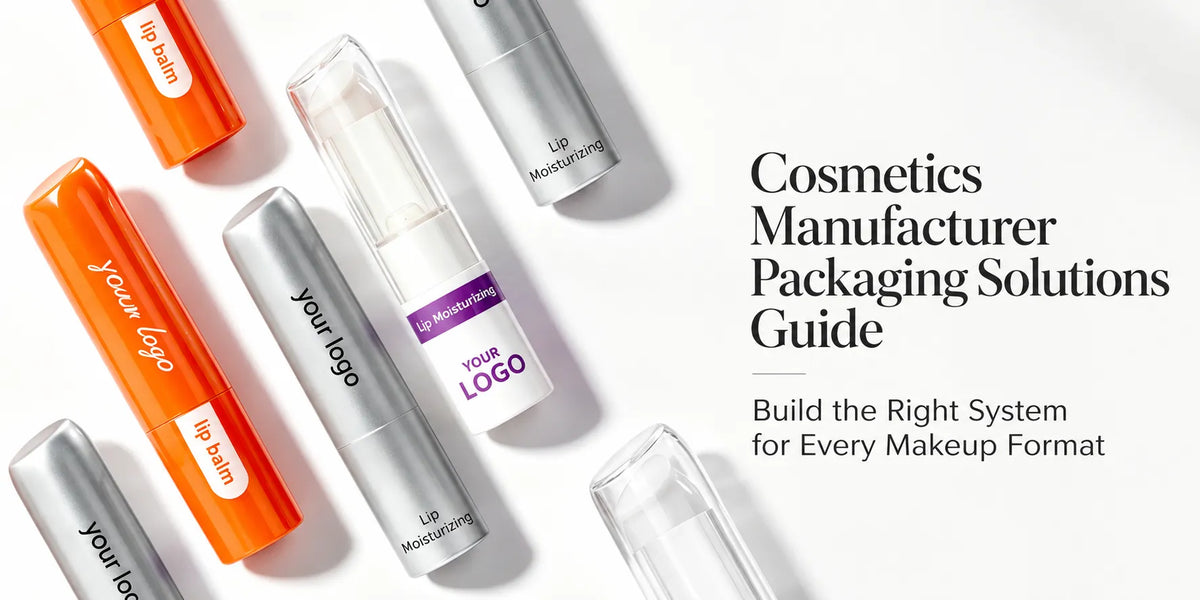
A concealer pen creates a narrow point for blemishes, under-eye corners, and controlled touch-ups. Depending on the selected model, it may hold a slim cream or semi-solid product, advance formula through a confirmed mechanism, or combine the concealer end with a separate blending brush or sponge.

Dual-ended designs can make the package more functional: one end places the concealer and the second end helps blend it. Buyers should still treat both ends as one assembly and check cap fit, tool clearance, product protection, formula transfer, repeated opening, and the balance of the finished pen in hand.
The narrow shape also limits internal space and artwork width. Capacity, usable product height, mechanism, tip profile, logo position, and the method used to protect the blending end should be settled before decoration is approved.
3.2 Twist-Up Concealer Stick Packaging
A concealer stick holds a cream or semi-solid formula structured to keep its shape inside a cup connected to a twist-up mechanism. It supports direct application without a removable wand or a fixed liquid outlet.

Compared with many foundation sticks, a concealer stick commonly uses a smaller cup or opening because it targets under-eye zones, blemishes, and other localized areas rather than broad face coverage. The exact diameter still depends on formula hardness, capacity, intended coverage, product profile, and the available mold.

Cup grip, formula height, mechanism travel, filling route, wall clearance, cap clearance, and the amount of product exposed during use must work together. A narrow stick that extends too far can be vulnerable during application, while insufficient clearance can allow the product top to contact the cap.
KAIYA's cosmetic stick packaging range includes concealer-stick directions alongside foundation, blush, contour, and highlighter sticks. The correct component should be confirmed with the intended formula and filling route rather than selected only by outer diameter.
4. Compare the Main Concealer Packaging Formats
| Formula Type | Packaging Type | Main Strength | Critical Sample Checks |
|---|---|---|---|
| Cream or Paste | Jar | Easy access to cream formulas | Opening, pickup, cap fit, inner parts, exposure |
| Compact or Palette | Single- or multi-shade pans | Pan fit, separation, closure, tool space | |
| Liquid or Flowable | Flexible Squeeze Tube | Direct dispensing through a fixed outlet | Pressure, flow, tip, residue, cap fit, tail seal |
| Applicator Tube with Wand | Controlled pickup and application | Wiper, applicator load, reach, headspace, withdrawal | |
| Concealer Bottle | Flexible shape, grip and decoration options | Stability, neck, closure, filling, capacity, dispensing | |
| Stick or Pen-Shaped | Concealer Pen | Precise application with optional blender | Tip, mechanism, capacity, cap fit, balance |
| Twist-Up Concealer Stick | Direct application with a twist-up mechanism | Cup retention, twisting, filling, breakage, cap fit |
5. One Concealer Range Can Use Several Packaging Types
A brand can place liquid under-eye concealer in an applicator tube, a precise liquid formula in a fine-nozzle squeeze tube, a visually distinctive formula in a shaped bottle, rich cream concealer in a jar, several correcting shades in a palette, and a portable spot concealer in a pen or narrow stick. Each product keeps the dispensing and application method it needs.
The range can still look coordinated through molded color, cap color, transparency, logo hierarchy, and finish. Existing molds can often support color and decoration changes, while an original silhouette, outlet, attachment, or internal structure may require a separate custom cosmetic packaging and tooling assessment.
6. Approve the Filled Concealer Package before Bulk Production
Empty samples establish appearance, dimensions, mechanism, and basic assembly. Filled samples show whether the formula and complete packaging system work together. Approval should cover:
- Filling and assembly: confirm the jar, pan, bottle neck, open tube tail, wand assembly, pen, or stick route required by the selected format.
- Dose and pickup: review the amount squeezed out, withdrawn, picked up, or exposed during normal application.
- Application behavior: check coverage area, applicator contact, sponge saturation, nozzle control, pen precision, and stick payoff.
- Closure and cleanliness: check wiping, outlet residue, cap engagement, formula transfer inside the cap, and leakage.
- Formula-package compatibility: review the actual production-intent materials, formula-contact parts, applicators, decoration, and seals under the project's storage and transport plan.
- Repeated use: repeat withdrawal, squeezing, twisting, closing, and application rather than judging only the first use.
KAIYA's cosmetic filling and packaging guide explains the broader filling routes for wand containers, squeeze tubes, bottles, jars, and sticks.
7. Develop Concealer Containers with KAIYA
KAIYA can support concealer packaging projects across jars, compacts and palettes, flexible squeeze tubes, applicator tubes, shaped concealer bottles, concealer pens, and narrow twist-up sticks. Projects can begin with existing molds and customized colors, logos, and compatible finishes, or move into structural development when a new shape or component system is required.
For complete-product projects, KAIYA can also coordinate private label concealer formula direction with packaging selection, filling considerations, sampling, and production. Send the formula state, target coverage area, capacity, dispensing method, appearance direction, quantity, and filling plan so KAIYA can narrow the right concealer container route.