A successful squeeze tube project depends on more than capacity and color. The flexible body, shoulder, opening, applicator, cap, printed surface, and tail seal form one packaging system. If one part is selected without considering the others, buyers may encounter difficult dispensing, messy tips, weak artwork positioning, sealing problems, or inconsistent repeat orders.

This guide examines lip gloss squeeze tube containers from a procurement and production perspective. It focuses on the details that can be checked through component specifications, filled samples, decorated samples, and approved production standards.
Quick screening framework:
- Tube body: material direction, softness, recovery, clarity, diameter, and length.
- Dispensing system: flow path, opening, applicator, cap, and formula residue.
- Filling route: target fill, open-tail filling, artwork orientation, and tail sealing.
- Decoration: print method, finish, usable area, adhesion, and flexing performance.
- Production control: samples, specifications, packing, MOQ, and repeat-order consistency.
1. Build One Written Specification for the Complete Tube
An empty soft tube may look simple, but the body, shoulder, internal flow path, outlet or applicator, cap, and tail seal work as one package. Procurement should identify the approved combination rather than describe only the capacity or request a tube that looks similar to a sample.

A practical specification can be organized as follows:
| Specification area | What to lock | How to verify it |
|---|---|---|
| Tube body | Material direction, diameter, unsealed and finished length, softness, recovery, and appearance | Empty component and formula-filled samples |
| Dispensing set | Outlet or applicator reference, flow path, cap reference, fit, and clearance | Actual-formula dispensing and storage checks |
| Filling and sealing | Target net content, usable filling height, tail direction, finished seal, trim, and coding area | Trial filling on the selected equipment |
| Decoration | Color standard, artwork version, print position, finish, and front-to-tail orientation | Decorated, flexed, filled, and tail-sealed sample |
| Packing | Individual protection, packing direction, carton quantity, and approved reference sample | Finished-pack and carton review |
Changing the tip, cap, tube body, artwork orientation, or tail specification can change the filled result even when the nominal capacity remains the same. The written specification and approved samples should therefore identify the complete set.
2. Tube Softness Must Be Evaluated with the Formula
The body needs enough flexibility to dispense the product without feeling uncontrolled. A formula that moves easily may work with moderate pressure and a smaller outlet, while a thicker gloss or balm gel may need a softer body or a more open flow path. These decisions are connected; softness cannot be specified effectively without considering the formula and tip.
Buyers should also check how the body recovers after squeezing and whether repeated pressure leaves permanent distortion that conflicts with the intended appearance. Clear and high-gloss bodies may make creasing or handling marks more visible, while opaque and softer finishes can present the same movement differently. No material should be described as permanently resistant to every deformation; the filled pack must be evaluated under realistic use and storage conditions.

3. Specify the Outlet, Applicator, and Cap as One Set
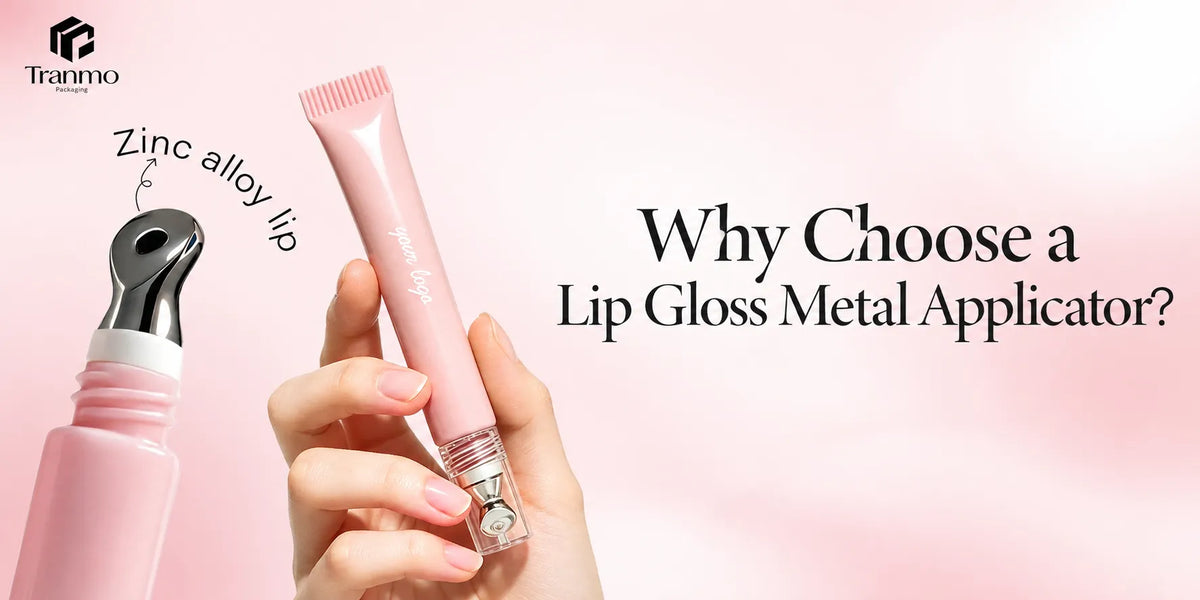
The purchase specification should record the selected outlet or applicator reference, its material where relevant, the internal flow path, and the matching cap. A generic description such as “soft tip” is not enough to reproduce an approved package because shape, contact material, opening, and cap clearance can differ between components.
During filled-sample review, buyers should check the pressure required, the amount released, how quickly dispensing stops, residue around the contact surface, cap cleanliness, closure fit, and reopening after storage in the selected orientations. Brands still comparing nozzle, rigid plastic, silicone or elastomer, fixed metal, sponge, flocked, and brush-led application can first review KAIYA's lip gloss squeeze tube formula and application guide; this procurement guide focuses on locking the chosen component set.
4. Capacity, Diameter, and Length Affect More Than Net Content
Mini, 5ml, 10ml, 15ml, and other available sizes should not be assigned to one fixed market use. The dimensions influence several practical decisions:
- Target fill: the final net content must leave enough space for sealing and normal package behavior.
- Squeeze feel: a narrow long body and a shorter wider body can respond differently in the hand.
- Branding area: shorter tubes offer less room for text, while long tubes require careful vertical positioning.
- Cap proportion: the cap should remain easy to hold without making the finished tube visually unbalanced.
- Carton and display fit: the final sealed length, not only the unfilled tube specification, affects packing.

5. Filling and Tail Sealing Must Be Planned Before Artwork Is Locked
In a common plastic or laminated squeeze-tube route, the formula is dosed through the open tail before that end is sealed and trimmed. The complete process varies with the selected tube and equipment; KAIYA's cosmetic filling and packaging guide compares this route with other makeup-container filling methods.
For the squeeze-tube specification and artwork handoff, buyers should confirm:
- Formula condition during filling: viscosity and temperature must suit the planned dosing route.
- Usable filling height: the target net content must leave the space required by the selected filling and sealing setup.
- Clean sealing area: product residue near the tail can interfere with closure quality.
- Finished seal and trim: tail direction and final length affect presentation and carton fit.
- Artwork orientation: the logo, front panel, cap, and tail seal should face the intended direction after filling.
- Code location: batch coding or other production information needs a reserved position where required.
The approved component and artwork should be shared with the filling partner before bulk production. A tube drawing or flat artwork file does not by itself confirm the finished sealed length, presentation face, or coding position.
6. Compare Decoration by Visual Result and Production Behavior
Custom lip gloss squeeze tubes can use several decoration routes, but a flexible tube should be assessed differently from a rigid bottle. The decorated surface moves when the body is squeezed, and the tail-sealing process also affects the final presentation.
- Silk screen printing: suitable for clear logos, text, and selected spot-color graphics. Buyers should check edge definition, registration, color coverage, and the result after the tube has been flexed.

- Hot stamping: adds a metallic-looking accent to a logo or selected design area. The stamped area, edge integrity, adhesion, and tube curvature should be confirmed on the actual component.

- Label decoration: can carry more complex graphics or SKU information without printing every detail directly on the tube. Label size, edge position, adhesion, curvature, and resistance to handling need review.
- Matte direction: reduces surface gloss and can create a softer visual or tactile result, depending on the confirmed finish and tube.
- Frosted direction: creates a hazier or more translucent appearance rather than simply lowering gloss. The required visibility of the formula and internal flow path should be reviewed on the actual sample.
- Glossy direction: gives color and transparency a brighter appearance but may reveal scratches, creases, or surface variation more clearly.

A useful process sample should show the final tube color, logo size, front-and-back orientation, cap combination, and tail-sealed appearance. A flat artwork file alone cannot show how all these elements will interact on a filled flexible package.
7. Use Three Sample Stages to Reduce Production Surprises
- Empty component sample: confirms dimensions, cap operation, outlet structure, tube feel, and basic appearance.
- Formula-filled sample: checks dispensing pressure, flow control, residue, cap cleanliness, compatibility, and package behavior in selected storage positions.
- Decorated and sealed sample: confirms printing or finish, artwork orientation, tail appearance, target net content, handling, and final carton fit.

These stages answer different questions. A good-looking empty tube does not confirm formula flow, while a satisfactory undecorated filled sample does not confirm that the final artwork and finish will survive production and handling. Compatibility review should use the actual formula and final package components under conditions appropriate to the project.
8. Lock the Specification for Bulk and Repeat Orders
Cost, MOQ, and lead time can change with the selected tube structure, capacity, custom body color, applicator, cap, number of print colors, metallic accents, labels, and packing method. Buyers should compare quotations against the same component and decoration specification rather than only the same nominal capacity.
Before bulk production, record the approved tube dimensions, target fill, body appearance, tip, cap, artwork file and position, finish, tail direction, coding area, individual protection, carton quantity, and reference sample. For repeat orders, these details provide a stronger standard than requesting a tube that merely looks similar to the previous batch.
KAIYA can support empty lip gloss squeeze tubes, structure comparison, color and decoration development, samples, and bulk supply. Share the formula direction, required size, applicator, design files, quantity, filling location, and target schedule so the project can be evaluated as a complete production route.