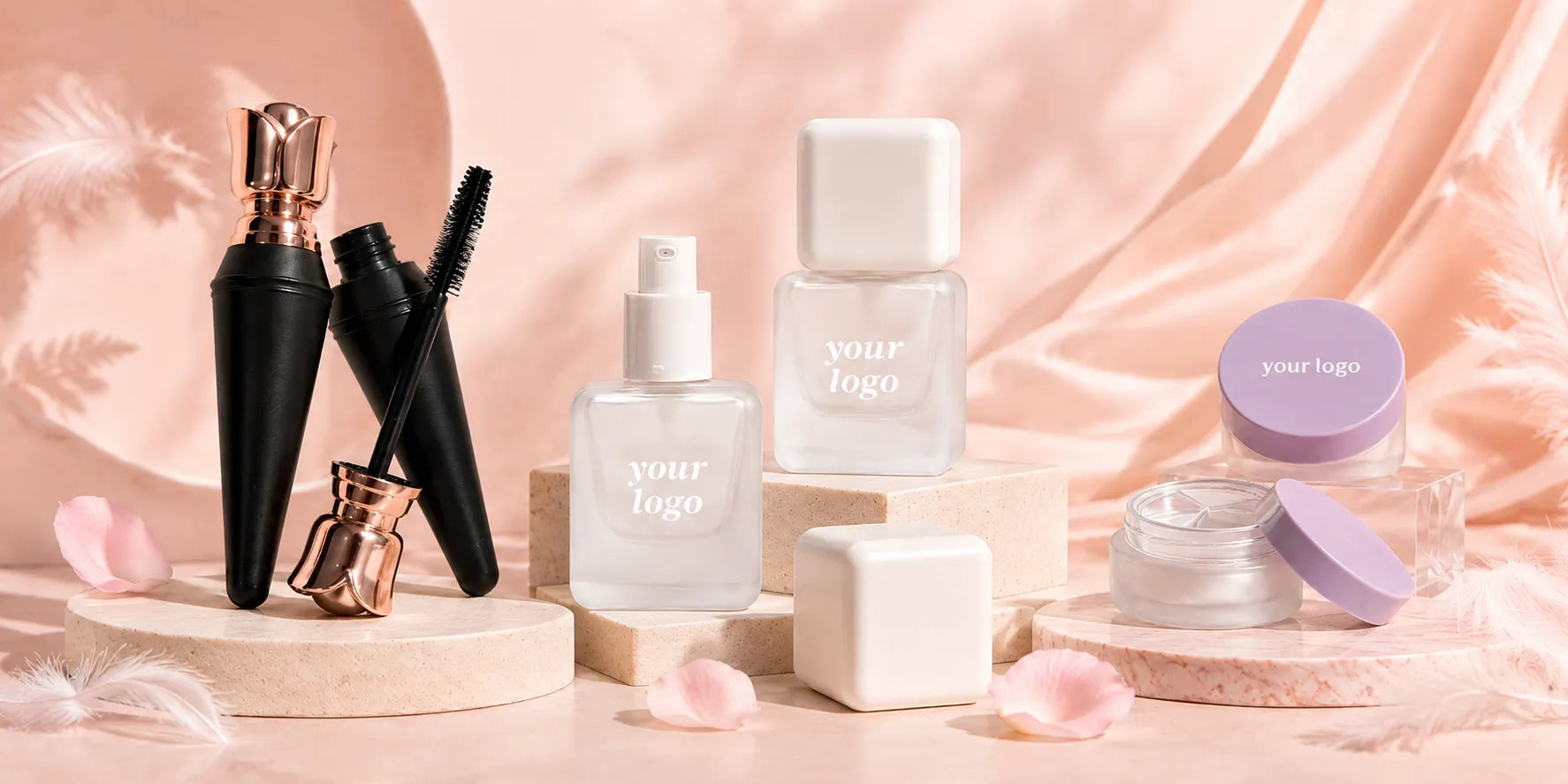
What Are Frosted and Matte Finishes?
Frosted and matte are finish effects, not one fixed production process. Depending on the material and packaging structure, these effects can be created through spraying, coating, material selection, mold texture, sandblasting, or other surface treatment methods.
Frosted and matte finishes are both used to reduce strong surface shine, but they create different visual results. A frosted finish usually gives packaging a hazy, semi-transparent, or soft-focus appearance. A matte finish creates a low-reflection surface that looks smooth, modern, and less glossy.
For cosmetic packaging, these effects are useful when brands want packaging to feel softer, cleaner, or more premium without using a bright glossy surface. The right choice depends on the package material, transparency, product category, decoration method, and brand style.
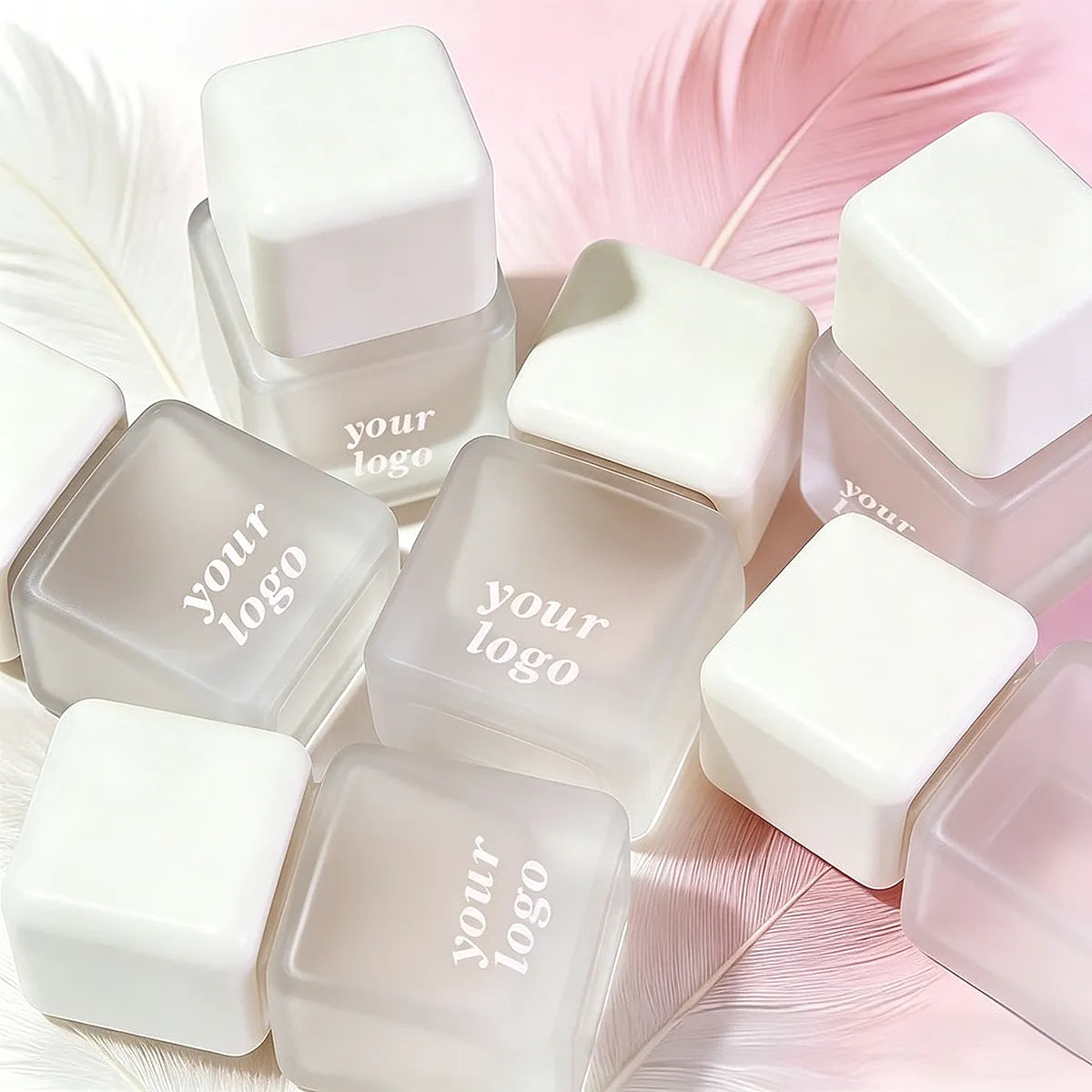
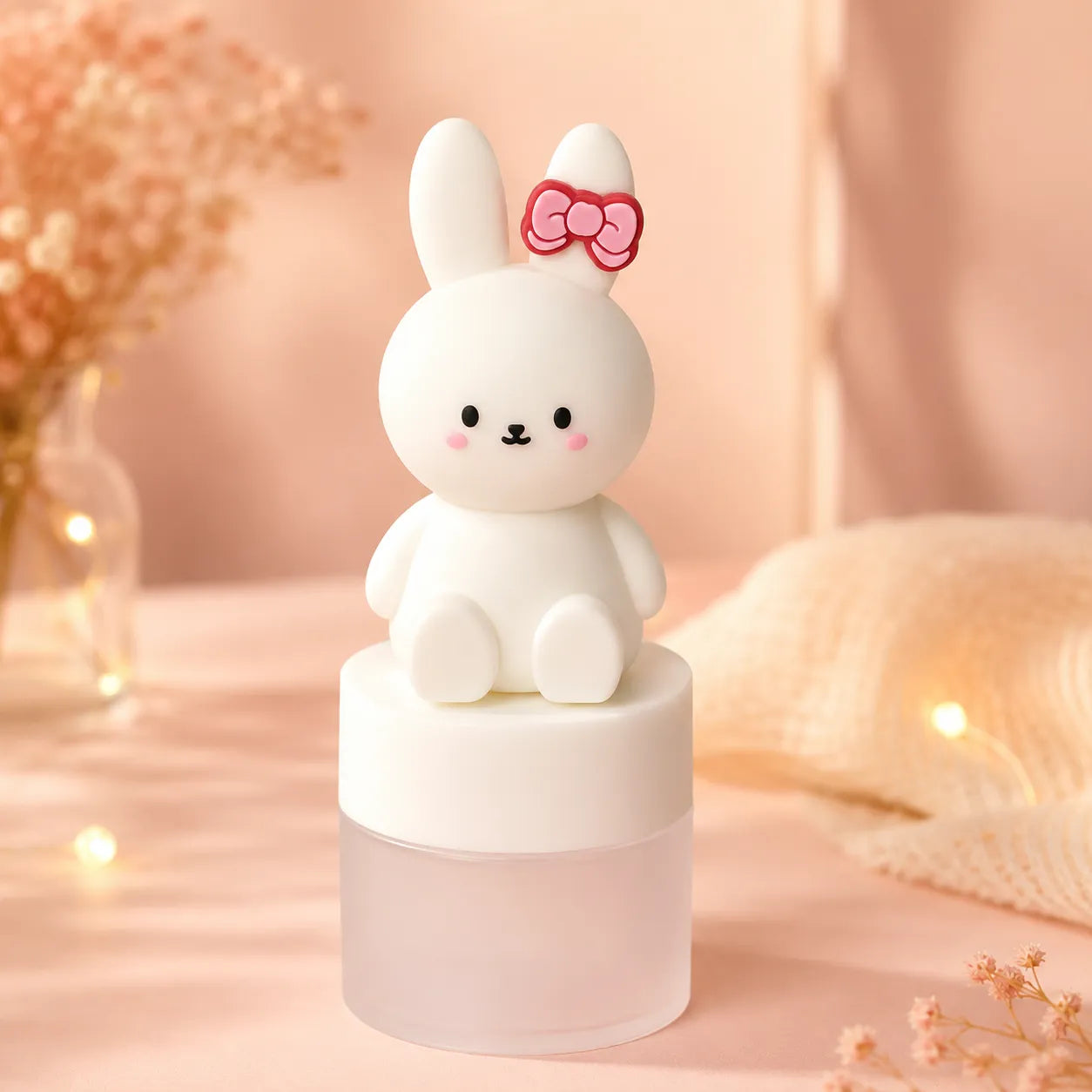
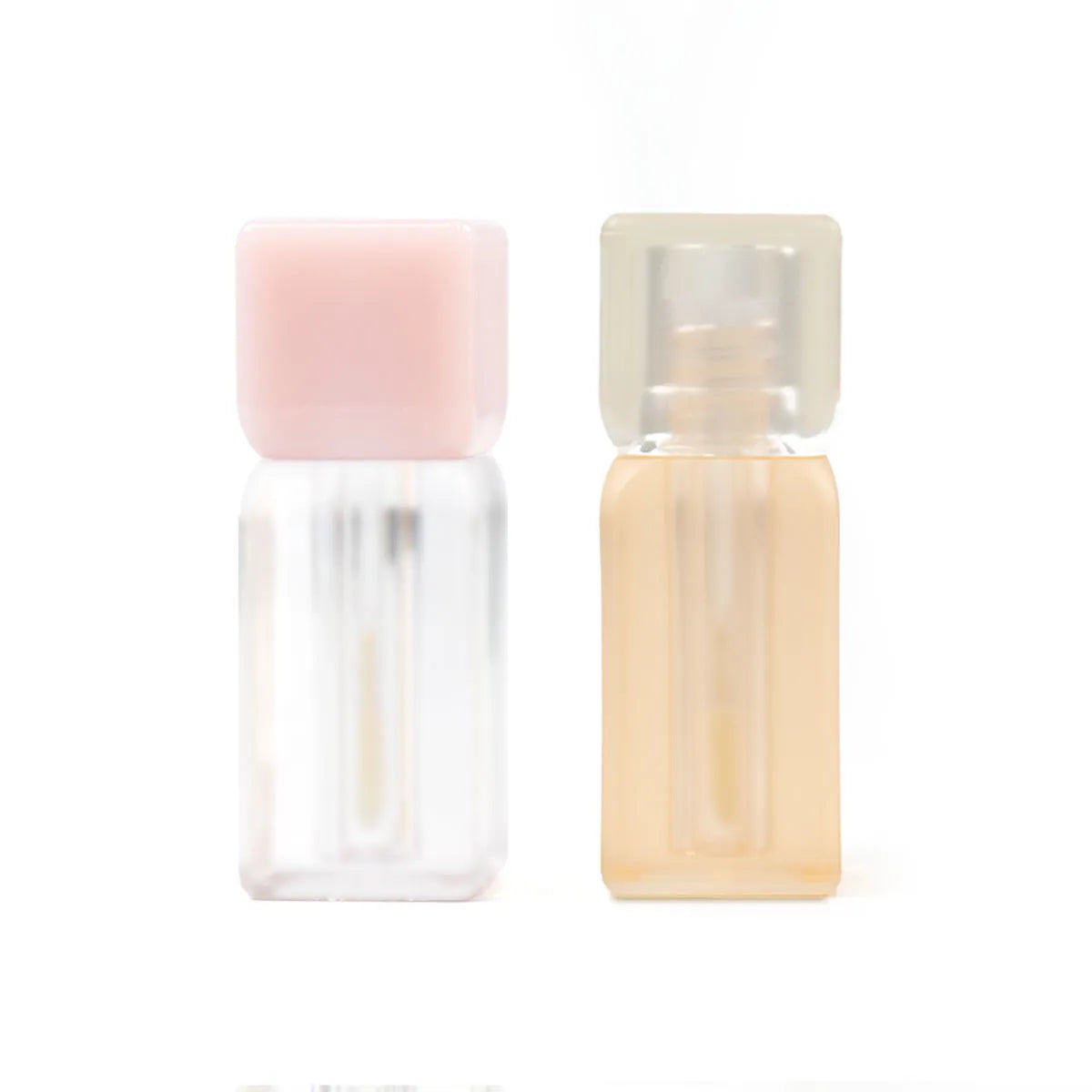
Frosted Cosmetic Packaging
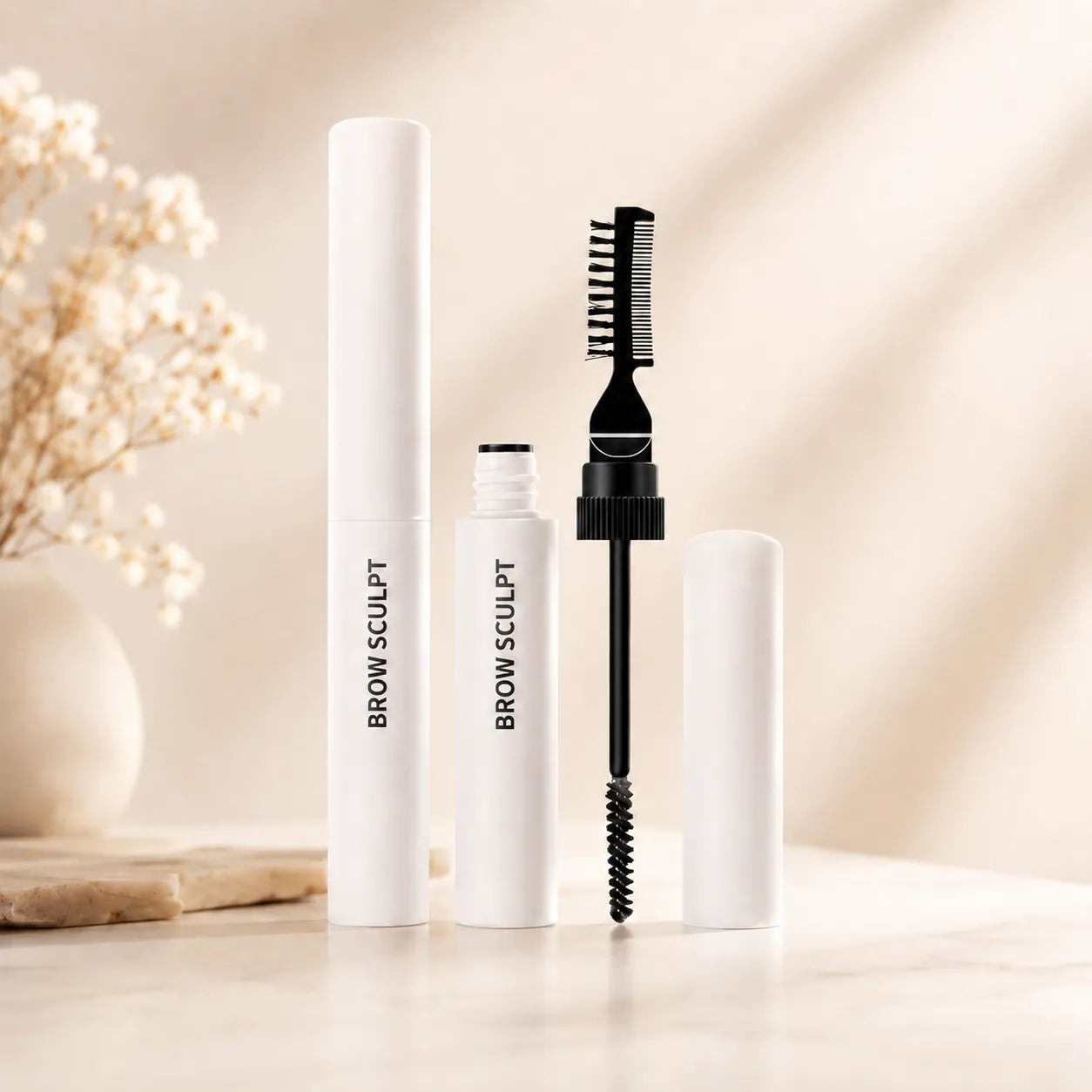
A frosted finish is often used on clear or translucent packaging because it softens the surface while still allowing part of the inner structure or formula color to remain visible. It can make tubes, bottles, caps, lids, and small jars look cleaner, lighter, and less reflective.
KAIYA can support frosted effects for selected frosted cosmetic containers, including lip gloss tubes, foundation bottles, compact lids, caps, and small jar formats. Frosted glass cosmetic packaging can also be considered for foundation bottles and selected small jars, but glass should be chosen carefully because of weight, breakage protection, and packing requirements.
Before sampling, buyers should review transparency level, wall thickness, surface texture, logo clarity, material choice, and the final visual effect.
Matte Cosmetic Packaging
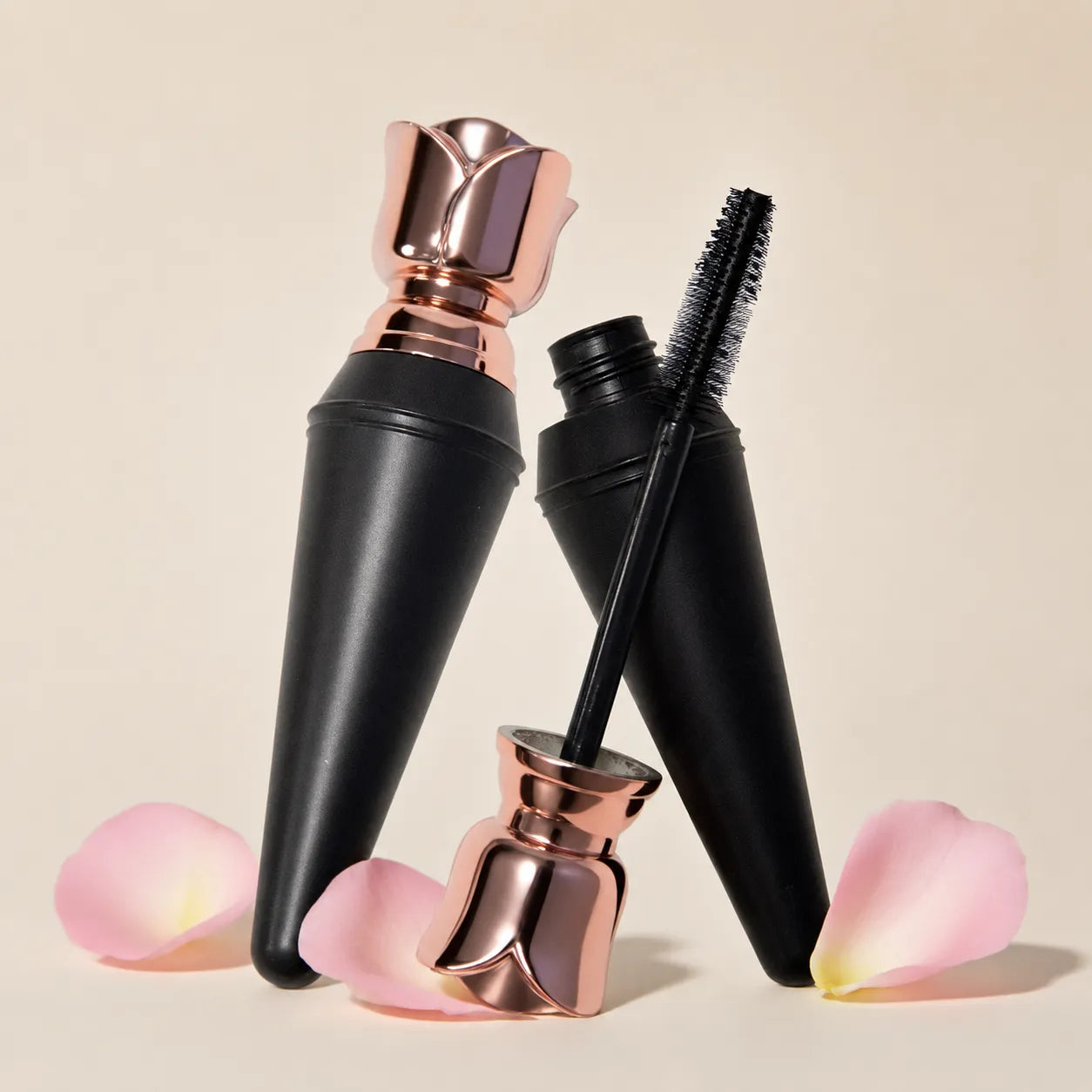
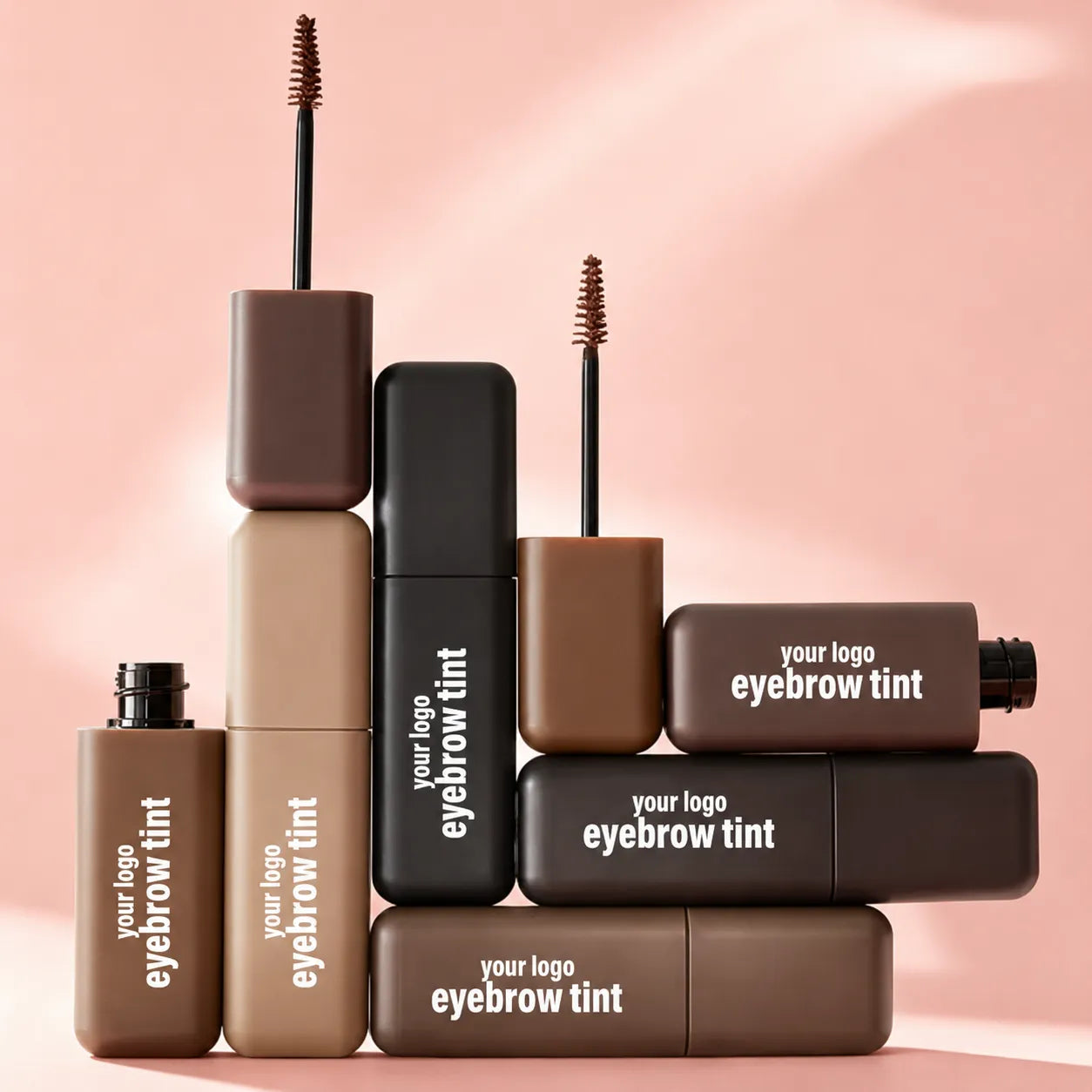
A matte finish is suitable when packaging needs a non-glossy, smooth, or soft-touch appearance. Unlike frosted finishes, matte effects do not need the package to be transparent, so they work well on opaque, colored, coated, or black packaging.
Matte cosmetic packaging can be used for lipstick tubes, mascara tubes, lip gloss caps, compact cases, cosmetic sticks, jars, bottles, and decorative parts. For darker brand styles, matte black cosmetic packaging can create a professional, minimal, or premium look. KAIYA can also support selected matte black cosmetic containers where logo contrast, fingerprint visibility, scratch resistance, and surface consistency need to be reviewed before production.

Frosted vs Matte: How to Choose
Choose frosted cosmetic packaging when the package needs a translucent, hazy, or soft-focus effect. This is useful for clear tubes, bottles, caps, small jars, and packaging that should still show part of the product color or inner structure.
Choose matte cosmetic packaging when the package needs a low-gloss, opaque, modern, or soft-touch surface. This is more suitable for black packaging, colored tubes, lipstick tubes, mascara tubes, compact cases, stick packaging, and coated components.
For most projects, the finish should be confirmed through physical samples. The same finish may look different depending on material, color, wall thickness, lighting, logo method, and production batch.

Frosted Cosmetic Packaging
Matte Cosmetic Packaging
How These Finishes Are Made
Frosted and matte are final surface effects. The actual production method can vary depending on the package material and target appearance.
For plastic packaging, frosted or matte effects may be created through spray coating, matte UV coating, soft-touch coating, material selection, or mold texture. For glass packaging, frosted effects may involve sandblasting, surface treatment, or frosted coating. KAIYA reviews the base material, surface area, durability needs, logo method, and approved sample before recommending a suitable finishing direction.
Decoration on Frosted and Matte Surfaces
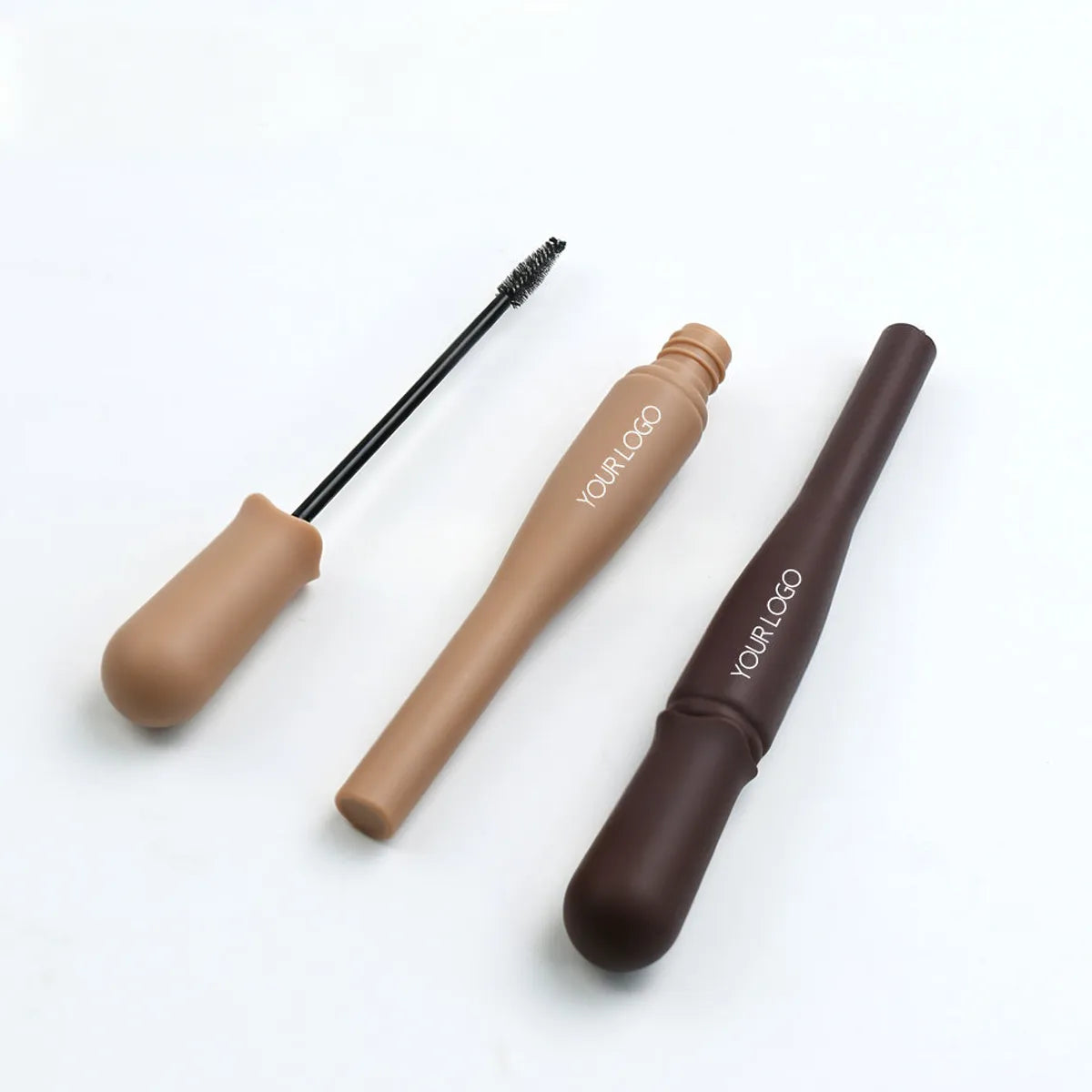
Frosted and matte packaging can still be combined with logo decoration, but the surface effect may influence the final result. KAIYA can support silk screen printing, hot stamping, UV printing, label decoration, spray coating, vacuum metallization, and selected metallic details depending on the packaging structure.
For frosted cosmetic packaging, logo clarity and ink adhesion should be checked carefully because the surface is softer and less visually sharp than fully clear packaging. For matte cosmetic packaging, buyers should review logo contrast, color accuracy, scratch resistance, and whether the finish is easy to mark during handling or packing.
Silk Screen Printing with Matte Finish
Gold Hot Stamping with Frosted Finish
Work with KAIYA for Frosted and Matte Packaging
When preparing a frosted or matte packaging project, buyers can share the product category, target capacity, preferred material, finish reference, logo method, color direction, component needs, and estimated order quantity.
KAIYA can help review whether frosted cosmetic packaging, matte cosmetic packaging, matte black packaging, or frosted glass packaging is more suitable for the selected structure. Our team can also support sample review and production planning for color cosmetic packaging projects.
Send KAIYA your packaging type, finish reference, logo file, and order plan. We can help recommend suitable frosted or matte packaging options for your next makeup line.
Frequently Asked Questions
Packaging Solutions
- Frosted cosmetic packaging usually has a hazy, semi-transparent, or soft-focus appearance. It is often used on clear or translucent tubes, bottles, caps, jars, and selected packaging parts.
- Matte cosmetic packaging creates a low-gloss or non-reflective surface. It works well on opaque, coated, colored, black, or soft-touch packaging.
- No.
- Frosted and matte are surface finish effects, while spray coating is one possible production method.
- These effects may also be created through UV coating, soft-touch coating, material selection, mold texture, sandblasting, or other surface treatments.
- The suitable method depends on material, package structure, target appearance, and production requirements.
- Yes.
- KAIYA can support frosted cosmetic containers for selected color cosmetic packaging projects, including tubes, bottles, caps, compact parts, small jars, and translucent packaging components.
- Before sampling, buyers can confirm the material, transparency level, surface texture, logo method, and packing requirements.
- KAIYA can support frosted cosmetic jars wholesale for suitable color cosmetic projects, such as selected lip mask jars, loose powder jars, balm jars, or small cosmetic jar formats.
- The final option depends on jar size, material, finish, logo method, and order plan.
- For repeat orders, buyers should confirm the approved sample, surface effect, decoration position, and carton packing before production.
- KAIYA can review frosted glass cosmetic jars wholesale requests when the project requires glass jars, but our glass packaging range is more limited.
- Glass is mainly used for foundation bottles and selected small jars.
- For glass jar projects, buyers should consider shipping weight, breakage protection, filling needs, carton packing, and whether glass is the most suitable material.
- Frosted glass cosmetic packaging is usually used when brands want a translucent, soft, and heavier packaging appearance.
- It may be suitable for foundation bottles and selected small jar formats, depending on the product type and filling requirements.
- Because glass is heavier and more fragile than plastic, packing and transport safety should be reviewed carefully.
- Matte black cosmetic containers are empty packaging components with a black low-gloss surface.
- They can include tubes, bottles, jars, sticks, compacts, caps, and selected decorative parts.
- For matte black projects, buyers should review logo contrast, fingerprint visibility, scratch resistance, surface consistency, and packing method before confirming production.
- Yes.
- Matte black cosmetic packaging is suitable for brands that want a modern, professional, minimal, or premium packaging style.
- It works well for lipstick tubes, mascara tubes, compact cases, cosmetic sticks, lip gloss caps, bottles, jars, and selected makeup packaging components.
- Matte black can also be combined with gold, silver, white, clear, or glossy details to create stronger contrast.
- Yes.
- Frosted and matte packaging can be decorated with logos, but the decoration method should match the surface.
- Common options include silk screen printing, hot stamping, UV printing, label decoration, spray coating, or selected metallic effects.
- For frosted packaging, logo clarity should be checked carefully. For matte packaging, logo contrast and surface durability are important.
- Frosted and matte finishes can be used for many color cosmetic packaging categories, including lip gloss tubes, lipstick tubes, mascara tubes, foundation bottles, compact cases, cosmetic sticks, jars, bottles, caps, and decorative parts.
- The suitable finish depends on the material, product category, surface area, logo method, and final brand style.
Blog posts
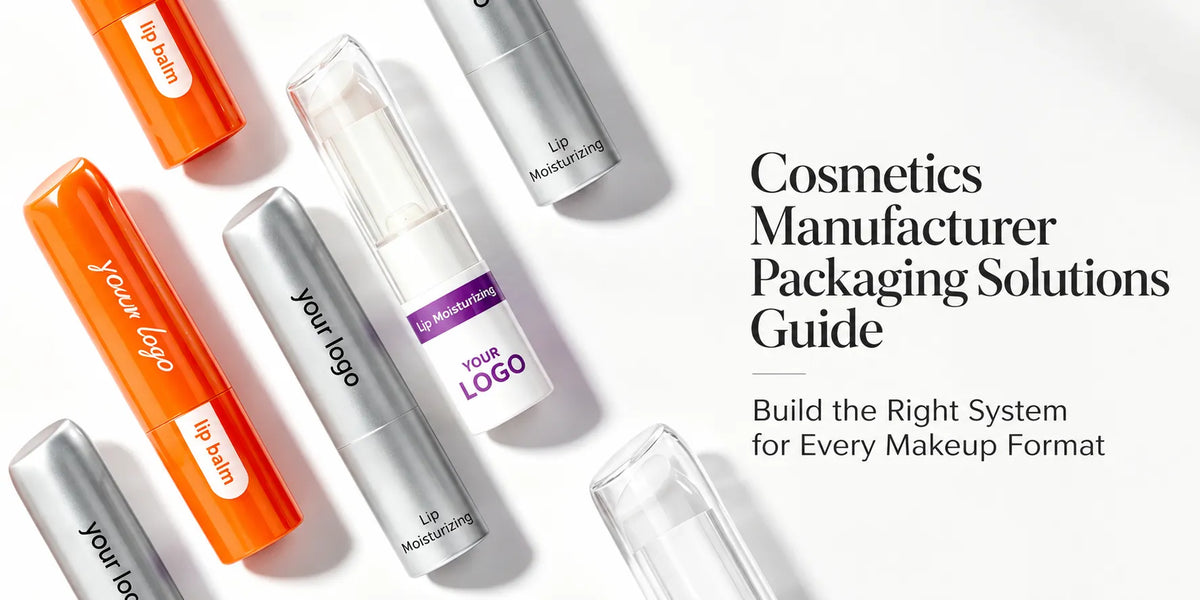
Cosmetics Manufacturer Packaging Solutions Guide: Build the Right System for Every Makeup Format
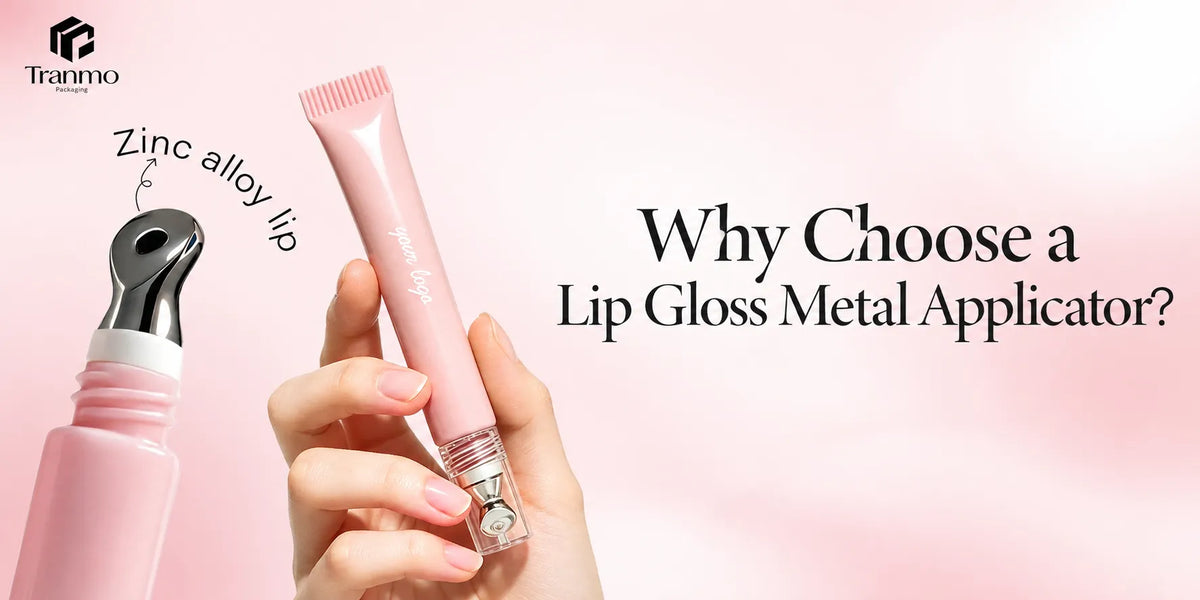
Why Choose a Lip Gloss Metal Applicator?
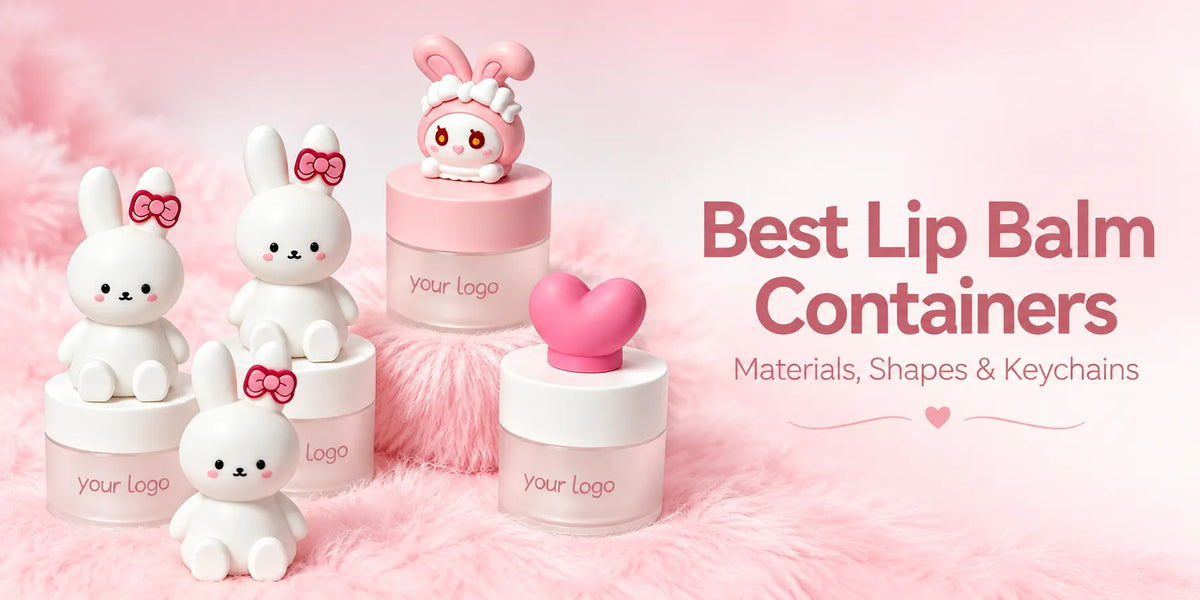
From Aluminum to Keychains: How to Choose the Best Lip Balm Containers for a Distinctive Launch
Our Advantages

Custom Process
1.Custom Solution Design
Our team understands your brand vision to provide tailored concepts for custom cosmetic packaging .
2.Material Options
We offer diverse materials, including plastic, glass, bamboo,and specialized sustainable makeup packaging.
3.Quotation & Ordering
Flexible pricing for bulk cosmetic packaging based on your specific volume.
4.Production & Delivery
Strict coordination ensures efficient supply chain cosmetic packaging and on-time global shipping.
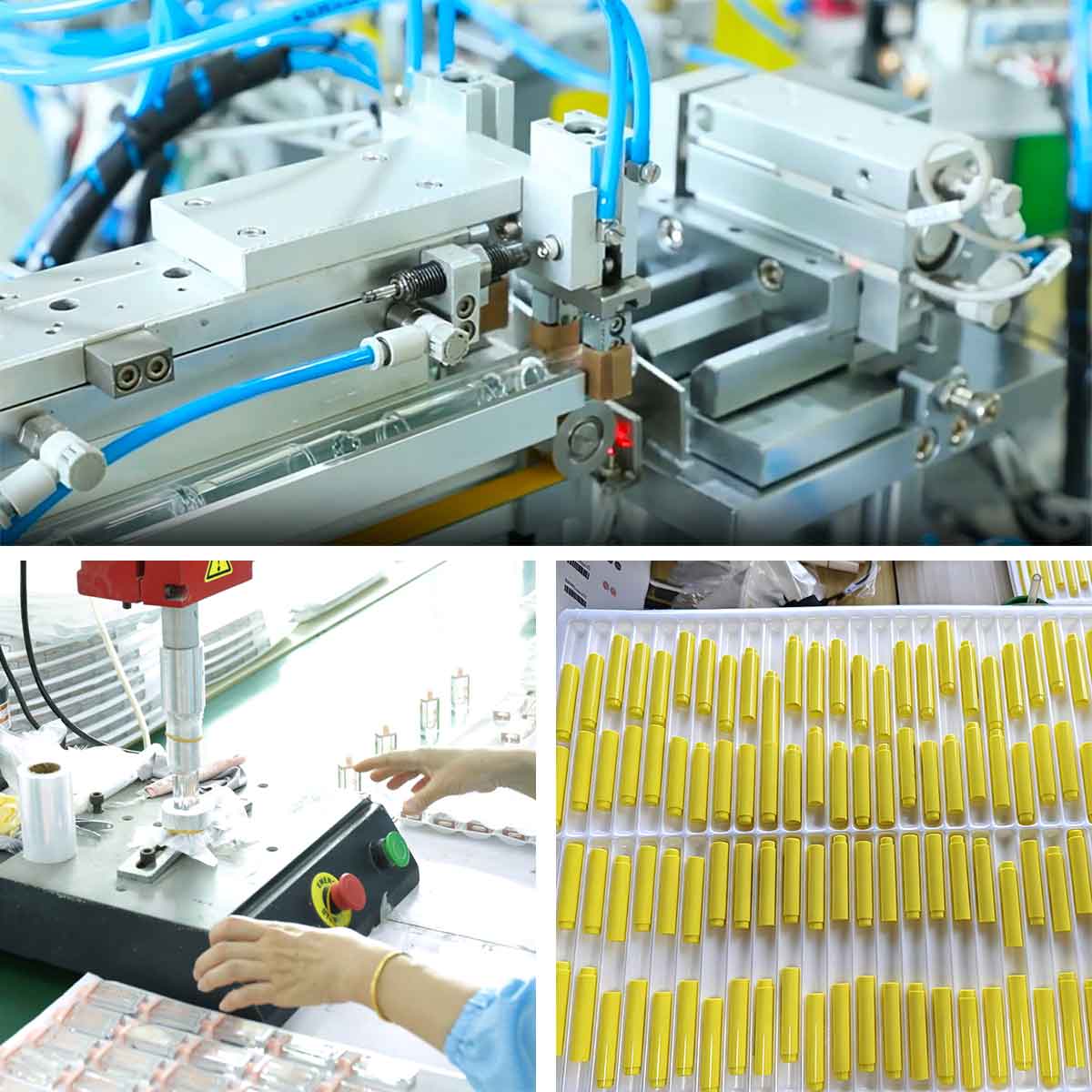
Quality Control
1.Material Inspection
We verify all incoming packaging components for safety and consistency.
2.Process Monitoring
Utilizing advanced inspections to ensure cosmetic packaging with lids manufactured to precise tolerances.
3.Product Testing
Conducting durability and leak-proof tests for all makeup packaging wholesale orders.
4.Quality Optimization
Analyze data to refine the cosmetic product development and manufacturing cycle.
Direct Factory Supply
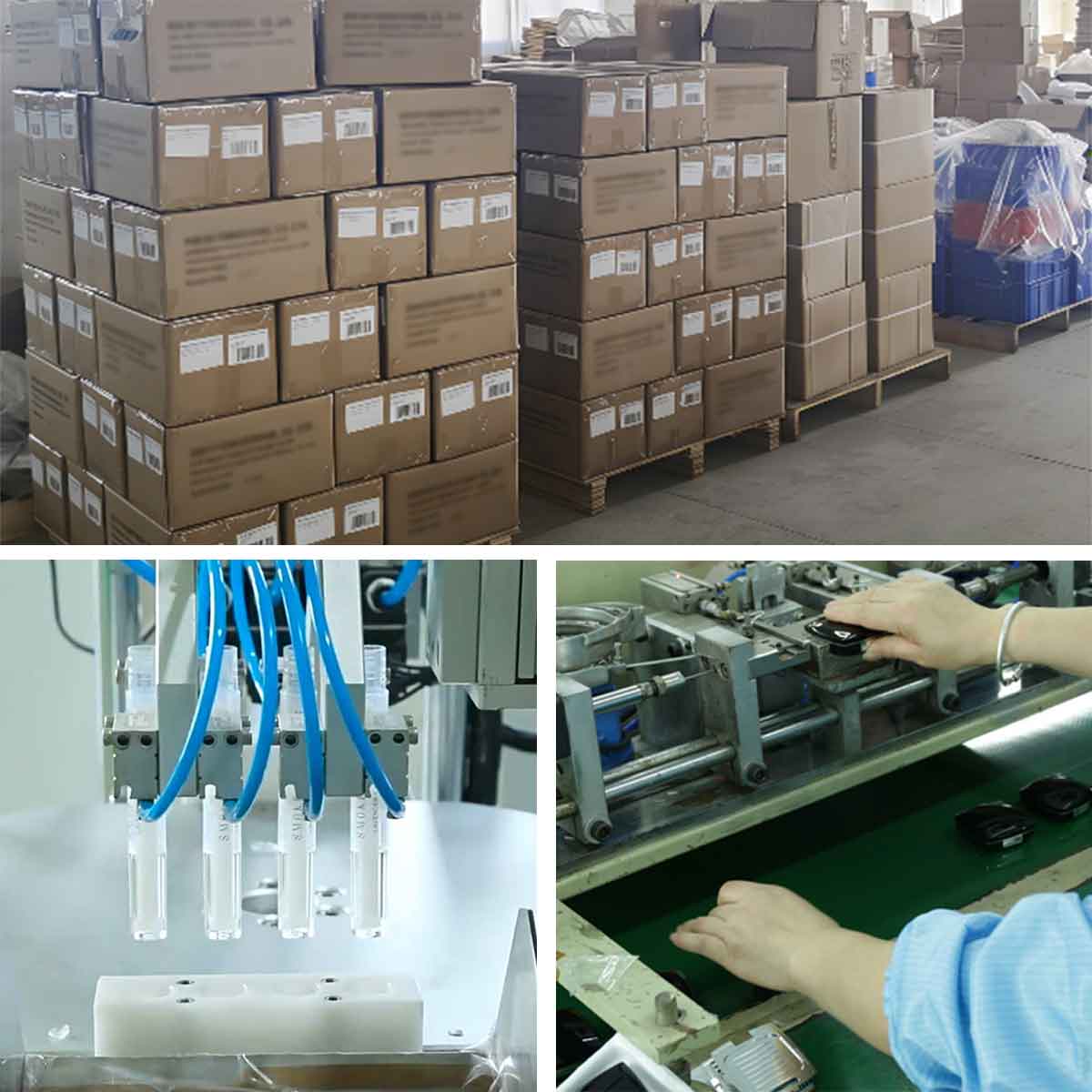
1.Cost Efficiency
Eliminate middlemen by working directly with our cosmetic factory for better margins.
2.Fast Delivery
Our facility handles large-scale wholesale makeup projects with rapid turnaround times.
3.Fabrication Capabilities
Equipped with automation for cosmetics manufacturing and high-precision molding.
Custom Design
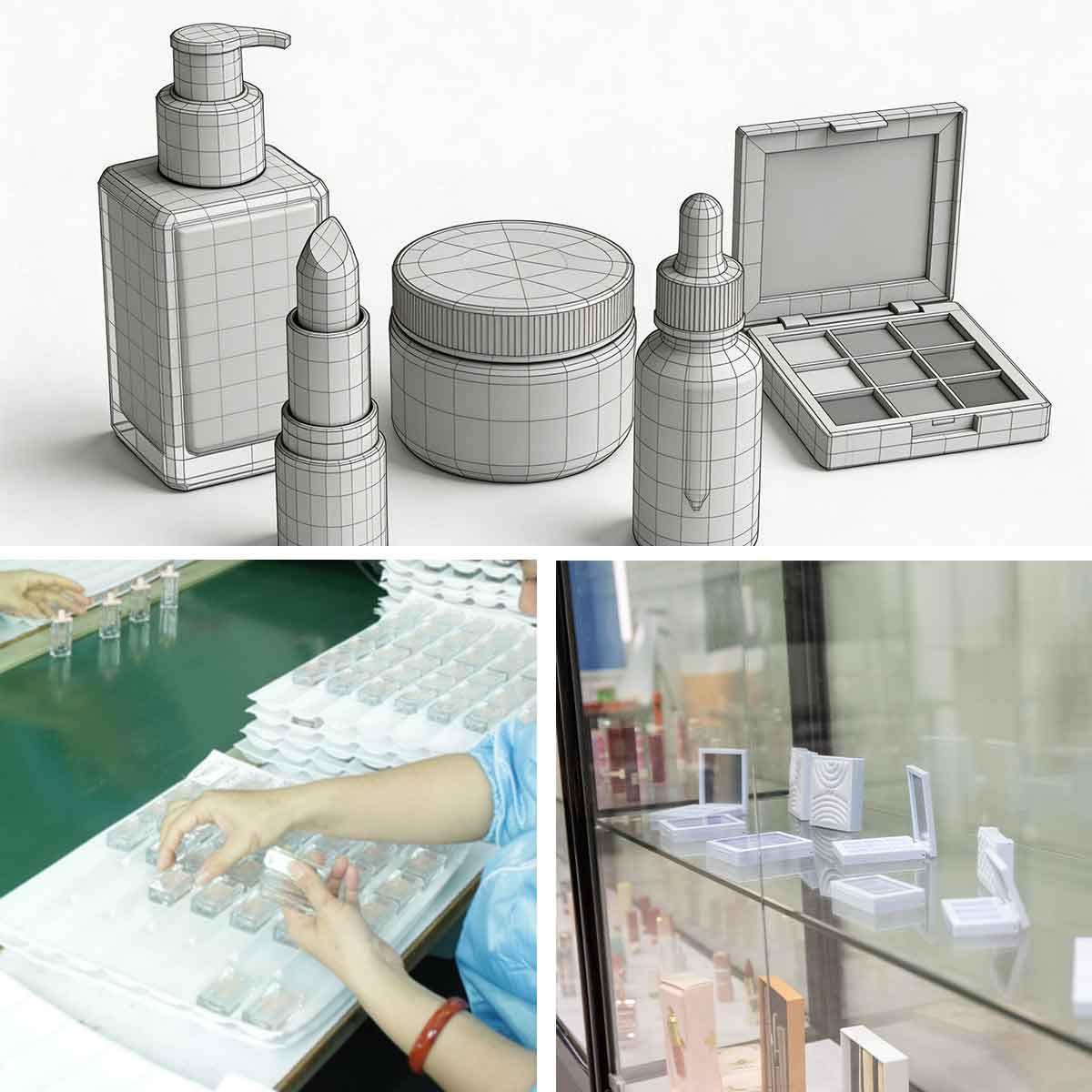
1.From Concept to Design
Turning sketches into detailed 3D models through our makeup packaging design service.
2.Tailored to Your Brand
Fully customizable features for private label makeup and versatile product requirements.
3.Complete Service
End-to-end turnkey cosmetics solutions from concept to final assembly.