How It Works
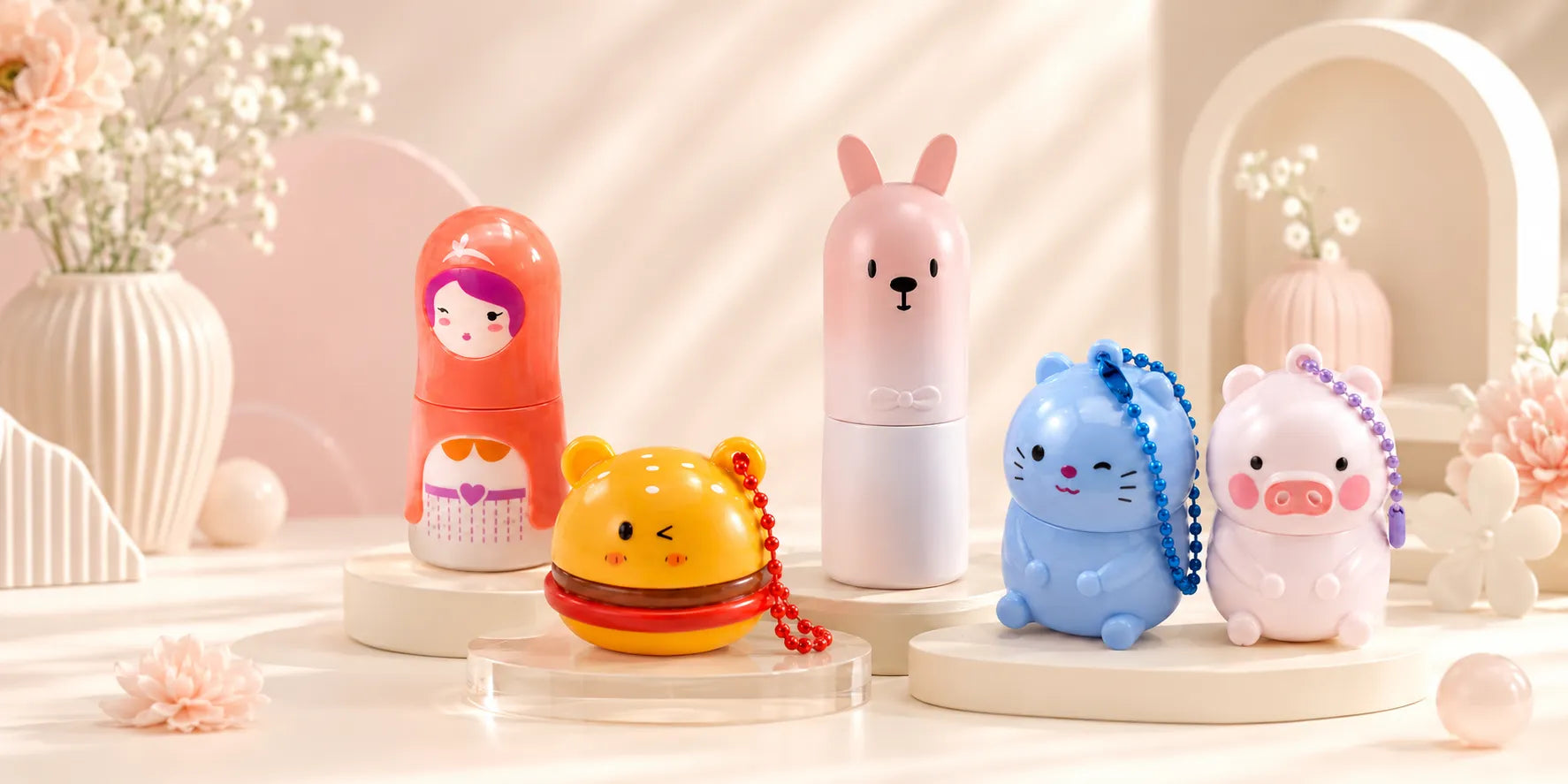
Pad printing uses a soft silicone pad to pick up an inked image from an etched plate and transfer it onto the packaging surface. Because the pad is flexible, it can conform to curved, recessed, small, or irregular areas that rigid printing equipment may not reach.
The process is often used when the decoration area is limited, such as caps, collars, compact buttons, jar lids, bottle shoulders, or small parts of cosmetic containers. Each color usually requires a separate printing cycle, so the artwork should be reviewed by color count, logo size, surface shape, and print position before sampling.
For B2B projects, pad printing is most practical for simple logos, short text, shade codes, and small icons. KAIYA can help check whether the selected component is suitable for pad printing or whether silk screen printing, UV printing, or labels would be more stable.
Visual & Tactile Characteristics
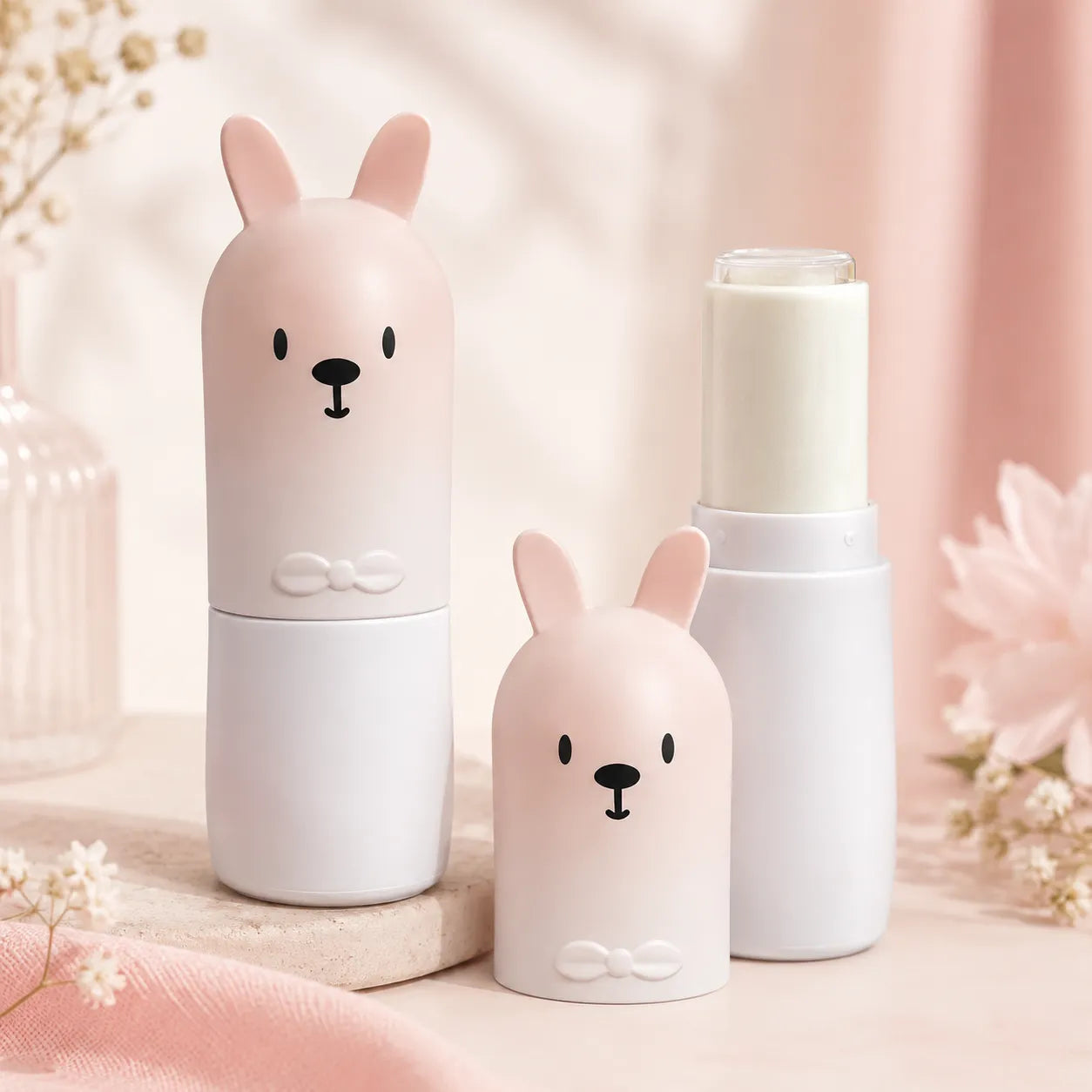
Pad printing creates a thin printed layer on the packaging surface. It is often used for logos, small icons, shade codes, product names, and simple marks that need to be placed on areas where flat printing is difficult.
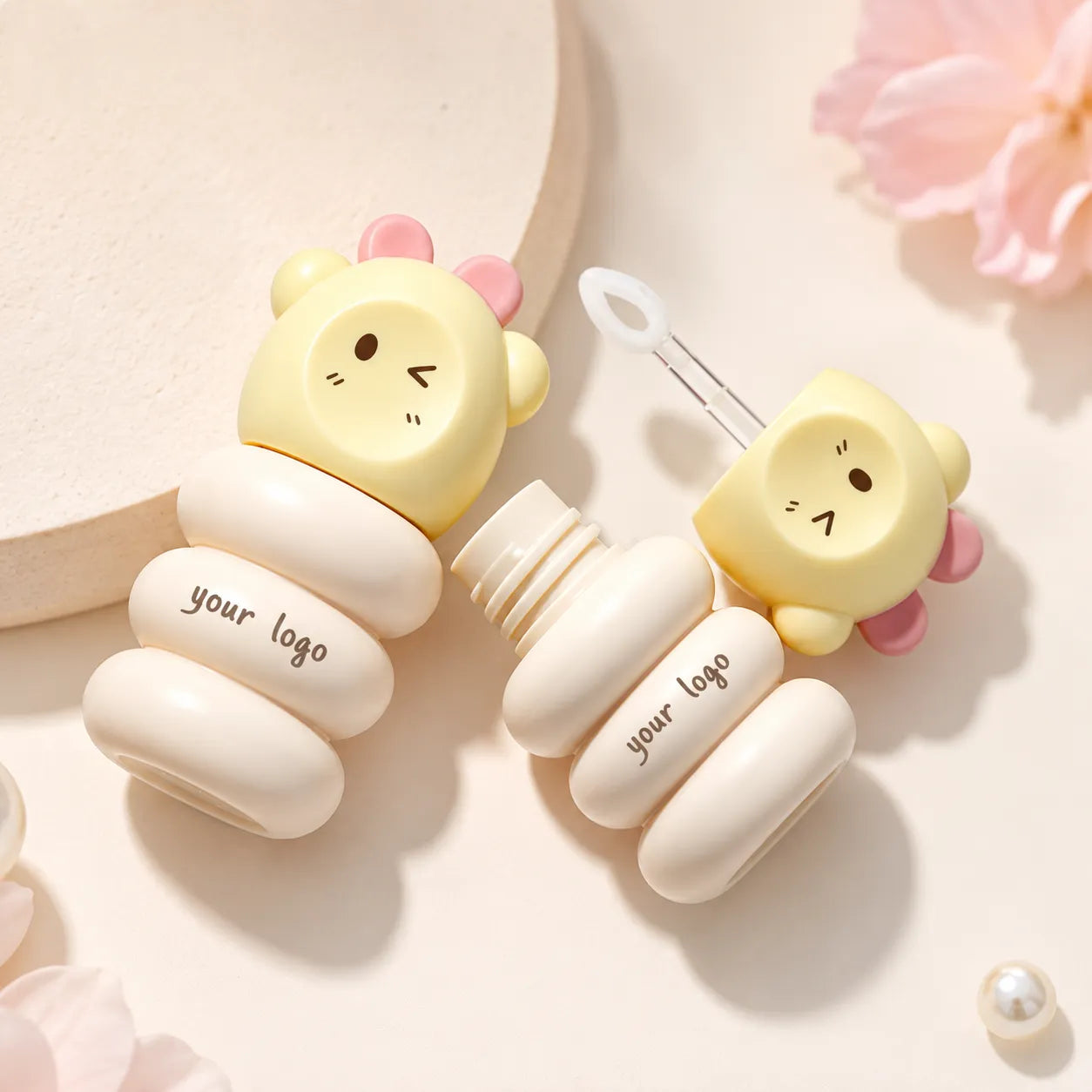
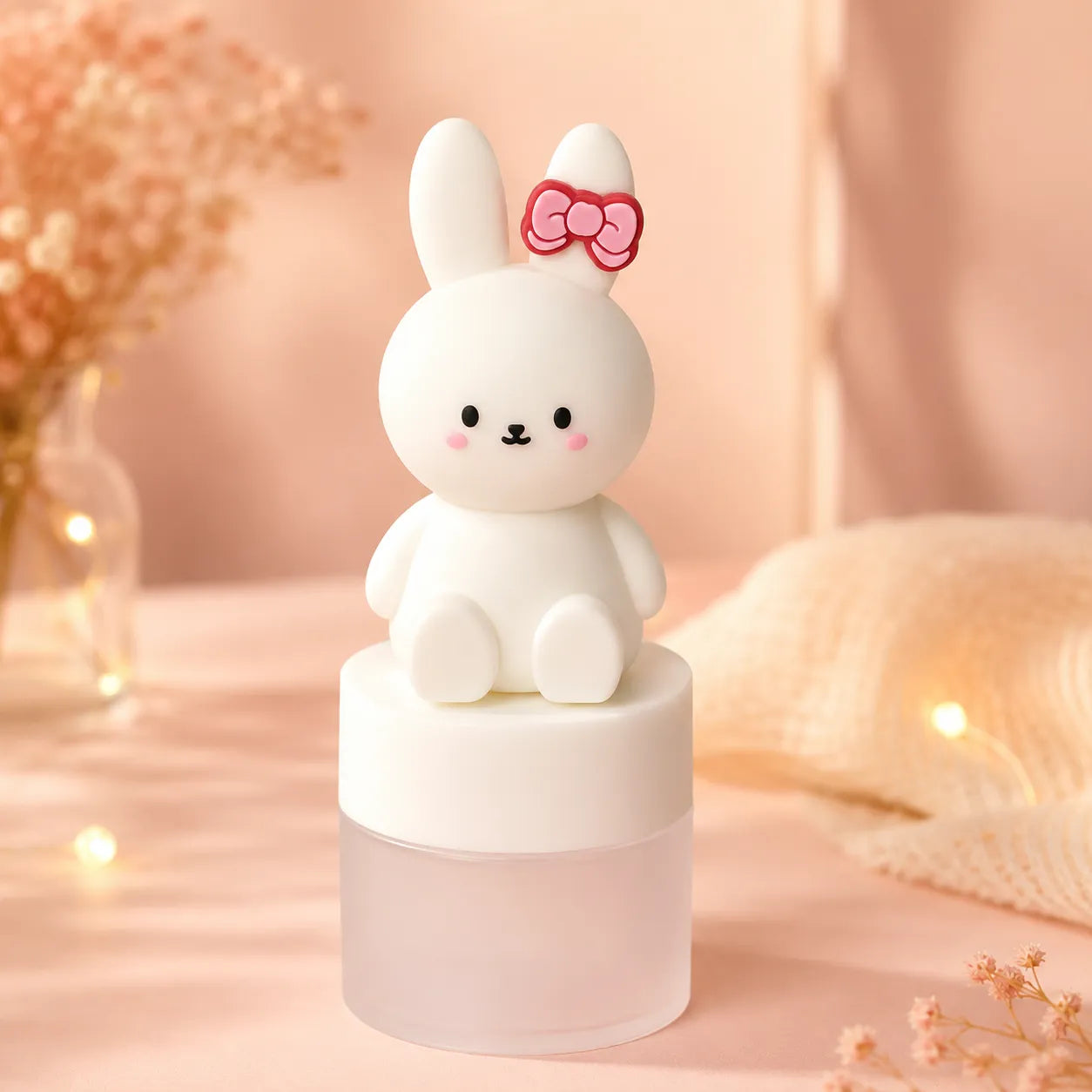
The main advantage of pad printing is its ability to transfer artwork onto curved, recessed, small, or irregular surfaces. This makes it useful for caps, jars, compact parts, mascara components, lipstick parts, bottle shoulders, and other cosmetic containers with limited decoration space.
The final look depends on ink type, surface material, artwork size, and printing position. For small components, clear spacing and simplified artwork are important because very fine details may lose readability after transfer.
Design Points to Check Before Pad Printing
Pad printing is best for small logos, short text, simple graphics, and precise marks on limited areas. It is not the first choice for large full-surface graphics, complex gradients, or designs that require broad color coverage.
The printing area should be checked carefully on curved or irregular components. If the surface is too narrow, too textured, or too sharply curved, the artwork may need to be adjusted for better alignment and readability.
KAIYA can help review component shape, ink adhesion, artwork size, color contrast, and print position before bulk production.
Key Advantages
- Surface versatility: Decorates curved caps, rounded tube shoulders, recessed areas, and small irregular components that other methods cannot reach.
- Precision on small areas: Highly effective for small logos, regulatory text, and fine detail on compact or narrow packaging components.
- Multi-substrate compatibility: Works on plastic, glass, metal, and rubber substrates with appropriate ink selection.
- Consistent quality: Automated pad printing equipment delivers repeatable results across large production runs.
Applications in Color Cosmetics
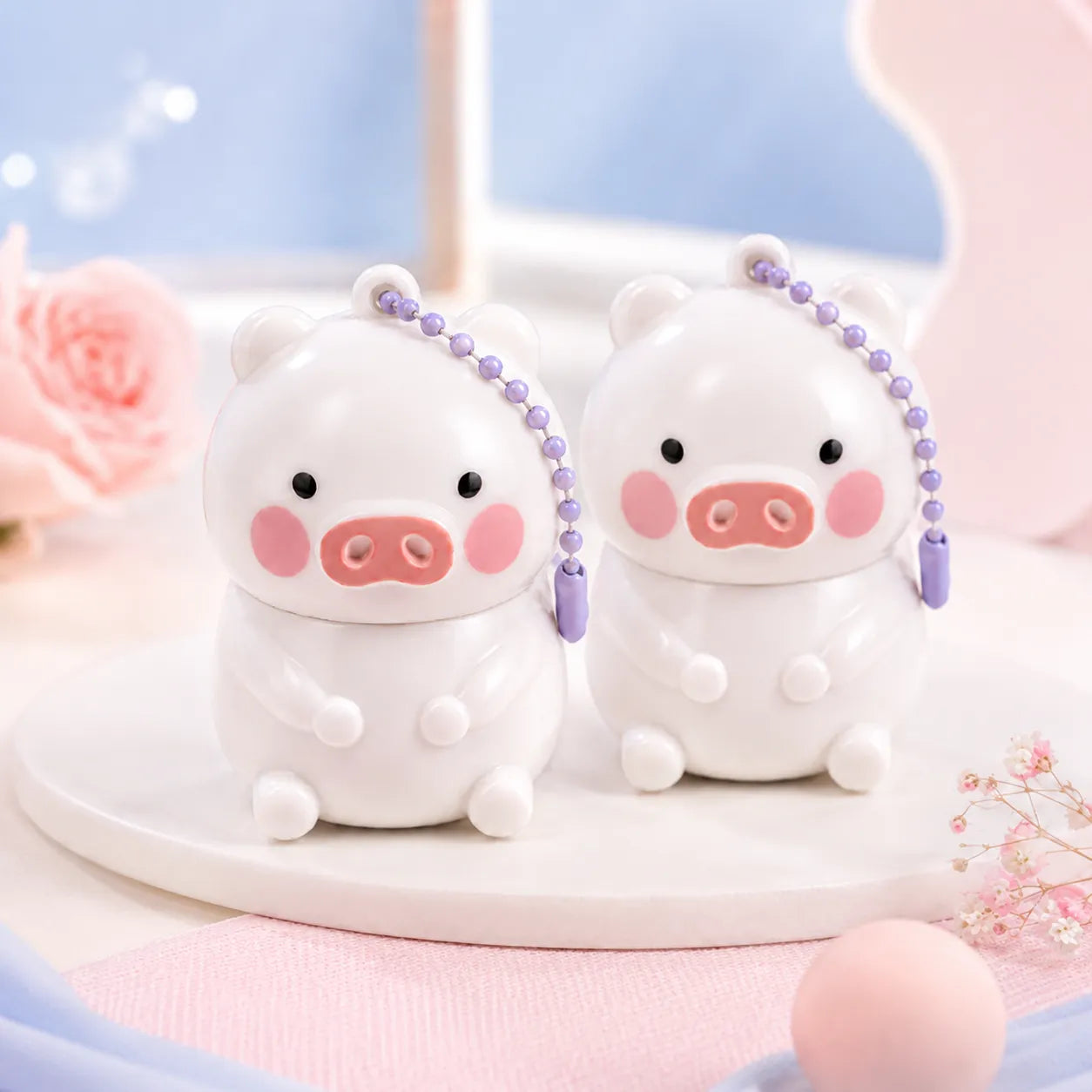
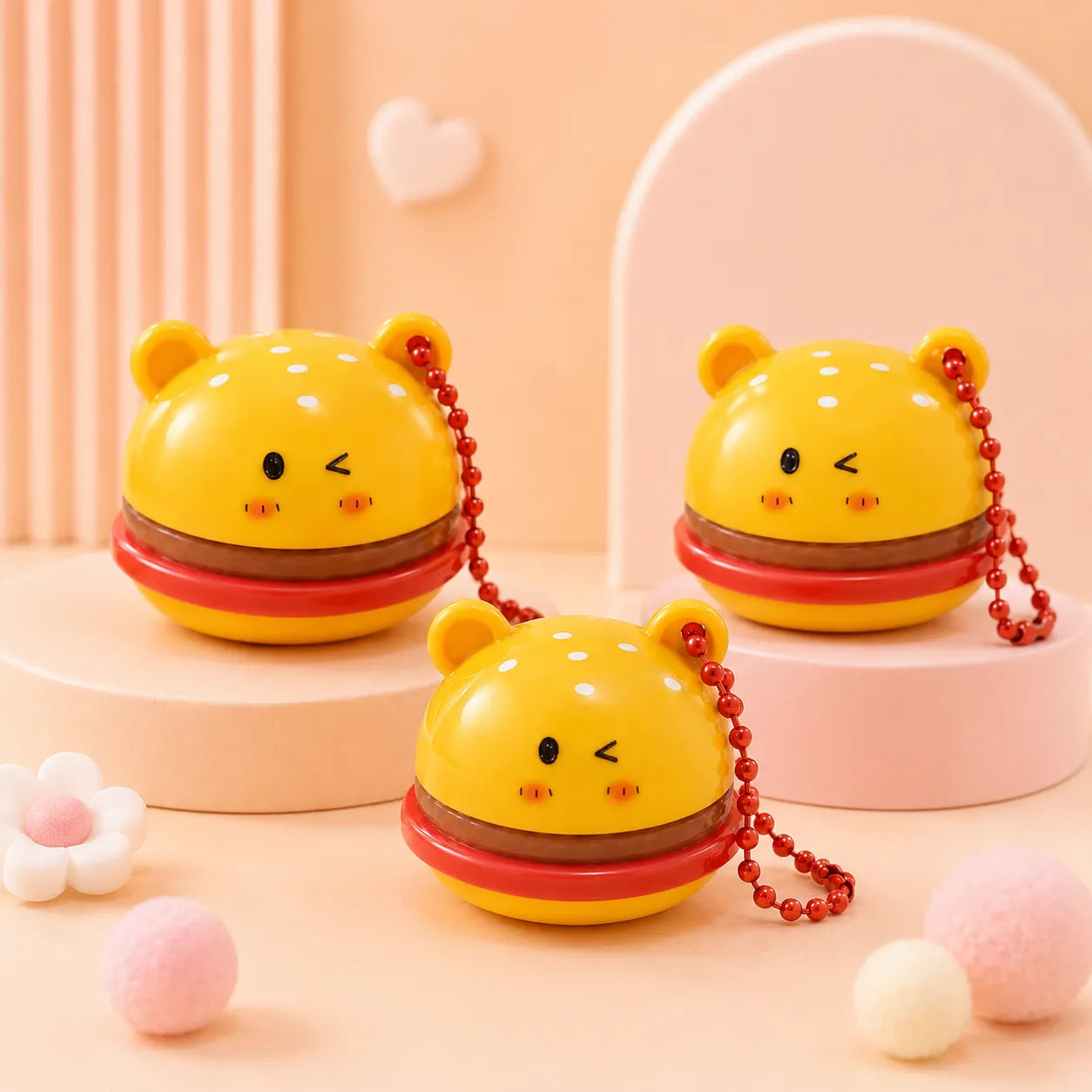
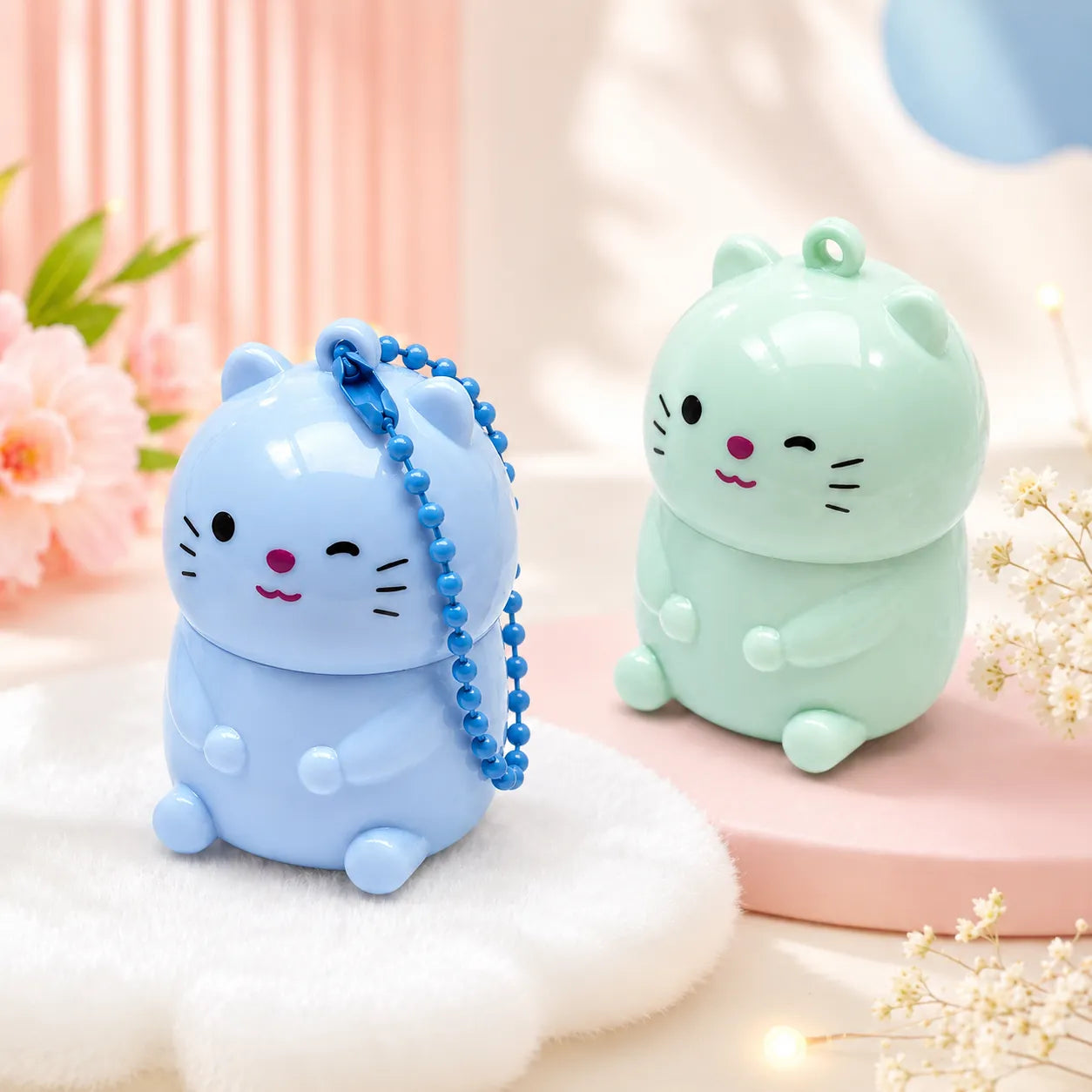
Pad printing is useful for color cosmetic packaging parts that are small, curved, or difficult to decorate with standard flat printing. It can be reviewed for lipstick caps, lip balm tubes, mascara caps, eyeliner caps, brow packaging, compact parts, jar lids, bottle caps, and selected applicator components.
For eye and lip packaging, pad printing can place small logos or product marks on caps, collars, and narrow tube areas. For face makeup packaging, it can be used on compact buttons, small lid areas, jar caps, or decorative parts where silk screen printing may not align as easily.
As makeup packaging manufacturers, KAIYA can help decide whether pad printing, silk screen printing, UV printing, or labels are more practical based on surface shape and artwork requirements.
Working with Kaiya
KAIYA can support pad printing for packaging components that require small, clean, and accurately positioned decoration. Before sampling, our team reviews the component shape, artwork size, ink color, printing area, surface finish, and adhesion requirements.
For B2B projects, pad printing should be confirmed through physical samples because the final result can change on curved caps, textured surfaces, or small component areas. The approved sample should become the standard for bulk production.
Buyers can share logo files, placement references, packaging type, material, and order quantity. KAIYA will review whether pad printing is suitable or whether another decoration method would be more stable.
Explore More Makeup Packaging Options
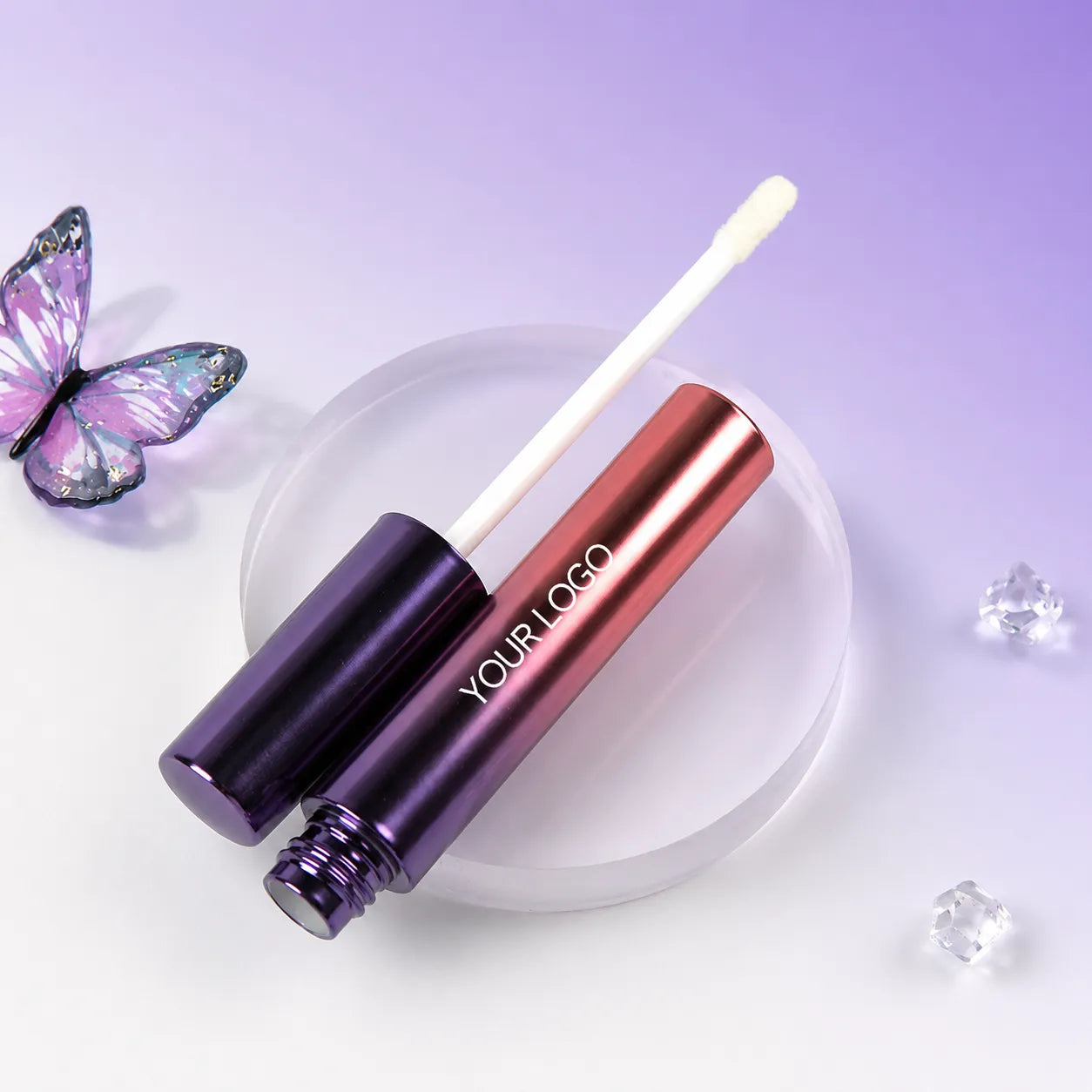
Vacuum Metallization

Spray Coating
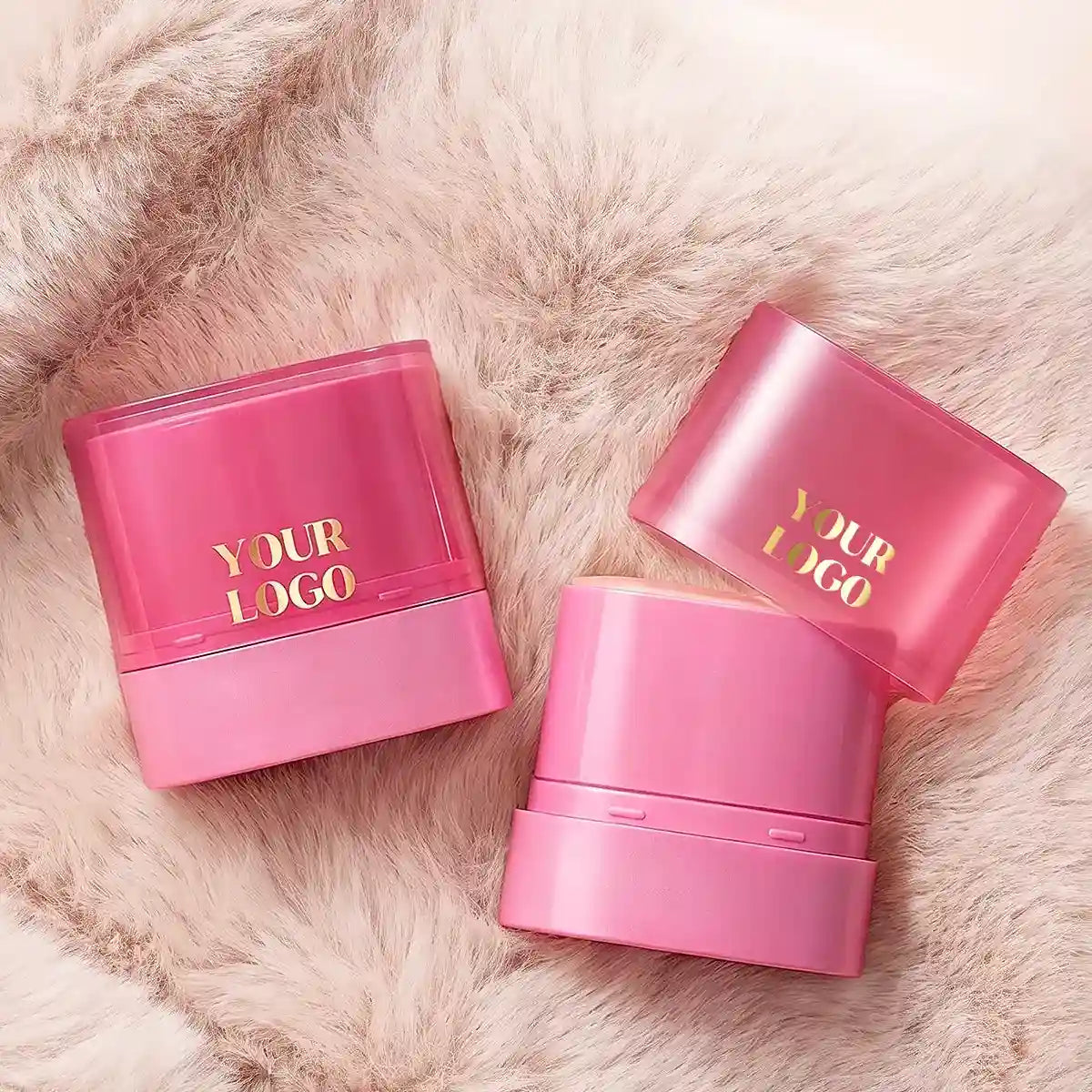
Hot Stamping
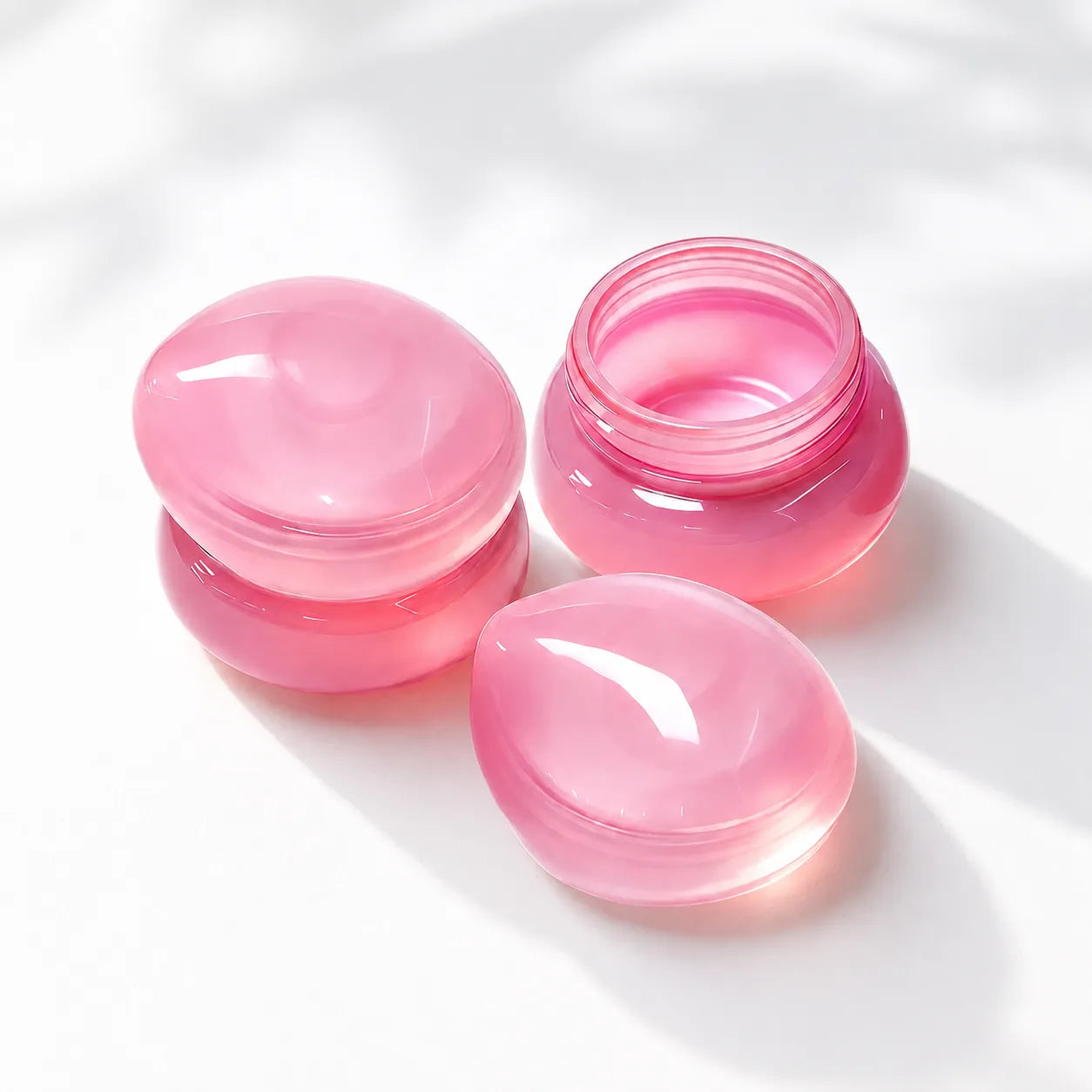
UV Coating
Blog posts
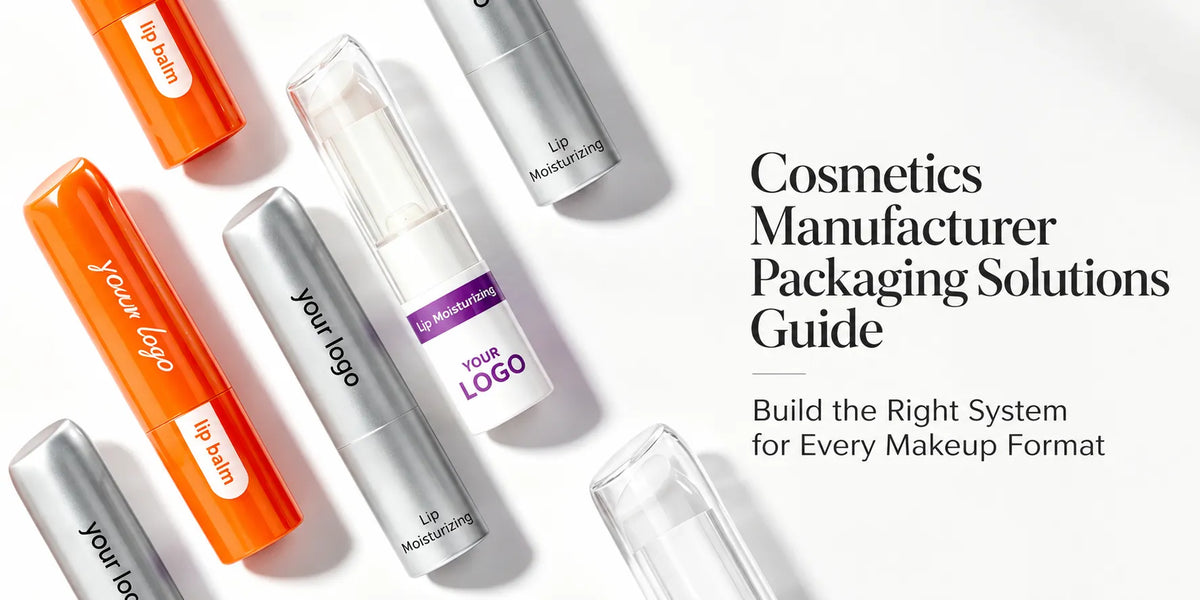
Cosmetics Manufacturer Packaging Solutions Guide: Build the Right System for Every Makeup Format
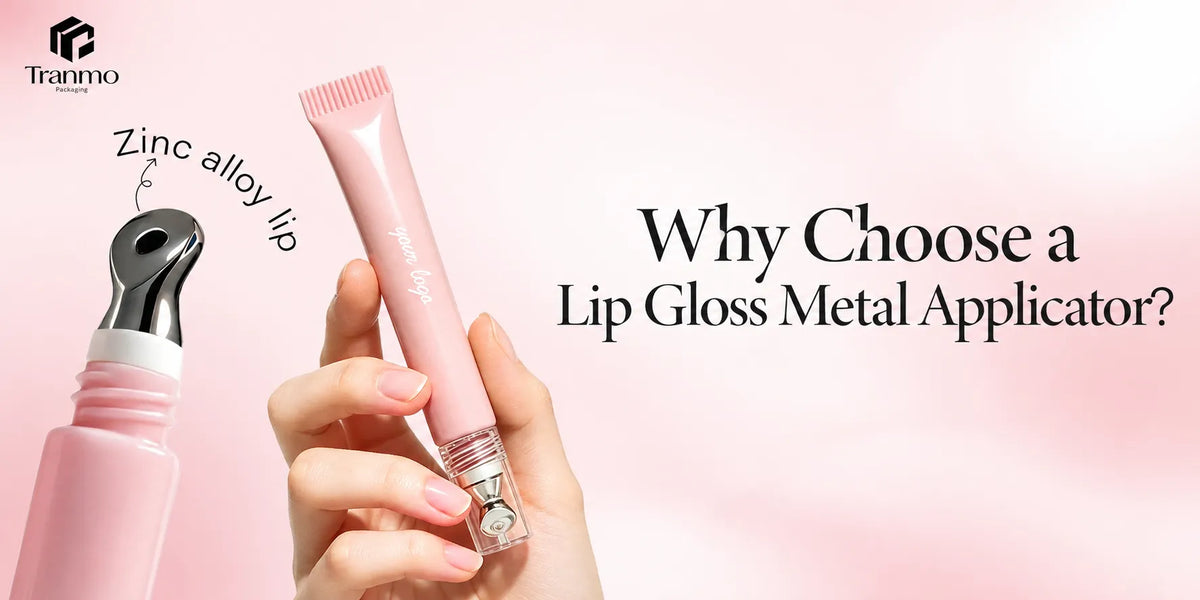
Why Choose a Lip Gloss Metal Applicator?
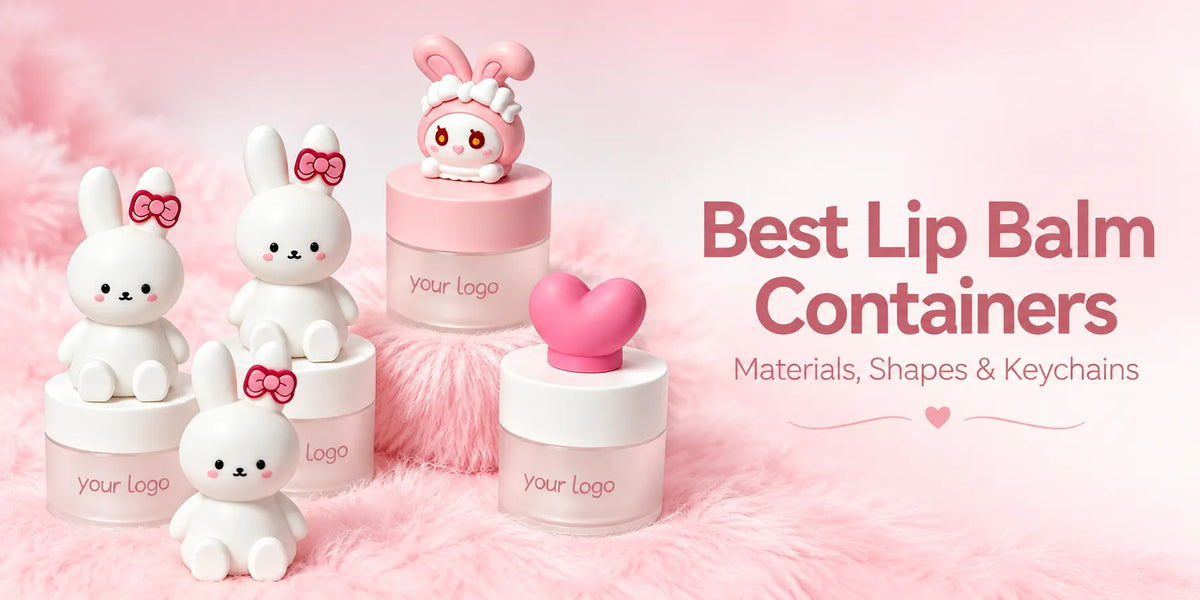
From Aluminum to Keychains: How to Choose the Best Lip Balm Containers for a Distinctive Launch
Frequently Asked Questions
Packaging Solutions
- Pad printing is suitable when the logo or mark needs to be placed on a curved, small, recessed, or irregular surface. It is useful for caps, collars, buttons, compact parts, and other packaging areas where flat printing is difficult.
- If the design requires a large printed area or complex full-color artwork, another method may be more suitable.
- Pad printing can be reviewed for cosmetic containers such as lipstick tubes, lip balm tubes, mascara caps, eyeliner caps, compact cases, jar lids, bottle caps, and small decorative components.
- The final suitability depends on surface shape, artwork size, ink adhesion, and whether the print area allows stable positioning.
- Not always.
- Pad printing is better for small or irregular surfaces. Silk screen printing is often better for larger flat or cylindrical areas that need clean text, logos, or solid graphics.
- For many packaging projects, the decision depends more on component shape than on which process is “better.”
- Yes.
- Pad printing is designed for many curved or small surfaces because the silicone pad can transfer ink onto areas that are difficult for flat printing. However, very narrow or sharply curved areas may still require artwork adjustment.
- KAIYA can review the print position before sampling to reduce misalignment.
- Pad printing works best for simple logos, short text, small icons, shade codes, and clear one-color or two-color graphics. Fine details should be checked carefully because small artwork can lose clarity during transfer.
- Vector artwork is usually preferred for cleaner edges and better production control.
- Yes.
- Makeup packaging manufacturers can use pad printing for bulk decoration after the ink, artwork, fixture, and approved sample standard are confirmed. It is useful for repeated small-position printing across many packaging units.
- For bulk orders, print alignment, color consistency, and adhesion should be checked during production.
- Yes.
- Pad printing can be used after spray coating, metallization, matte finishing, or other surface treatments if the ink adhesion is suitable. It can also be combined with hot stamping or laser engraving on different areas of the same package.
- The process sequence should be tested before bulk production.
- Yes.
- Many clients choose us as ongoing cosmetic packaging suppliers for seasonal launches and replenishment programs.
- We focus on stable specifications, repeatable decoration, and production continuity so your next purchase matches the first approved standard.
- Yes.
- For projects involving unique structures or new tooling, we can support confidentiality arrangements and clarify tooling ownership terms before development—especially when working with custom cosmetic packaging manufacturers for dedicated production.
- Staying updated with market preferences is crucial. Here are several popular trends currently shaping the beauty packaging industry:
1. Premium & Minimalist Finishes: Brands are moving towards clean, sophisticated aesthetics. Matte surfaces, soft-touch spraying, and heavy-wall designs are widely used to create luxury cosmetic packaging with a high-end tactile feel.
2. Functional Structures: There is a strong demand for makeup packaging that improves user experience and protects the formula. This includes airtight closures for volatile liquid cosmetics and magnetic pans for customizable palettes.
3. Eco-Friendly Materials: As environmental responsibility grows, eco friendly cosmetic packaging is increasingly essential. Options like PCR (Post-Consumer Recycled) plastics, mono-material designs, and refillable systems are now industry standards.
Our Advantages
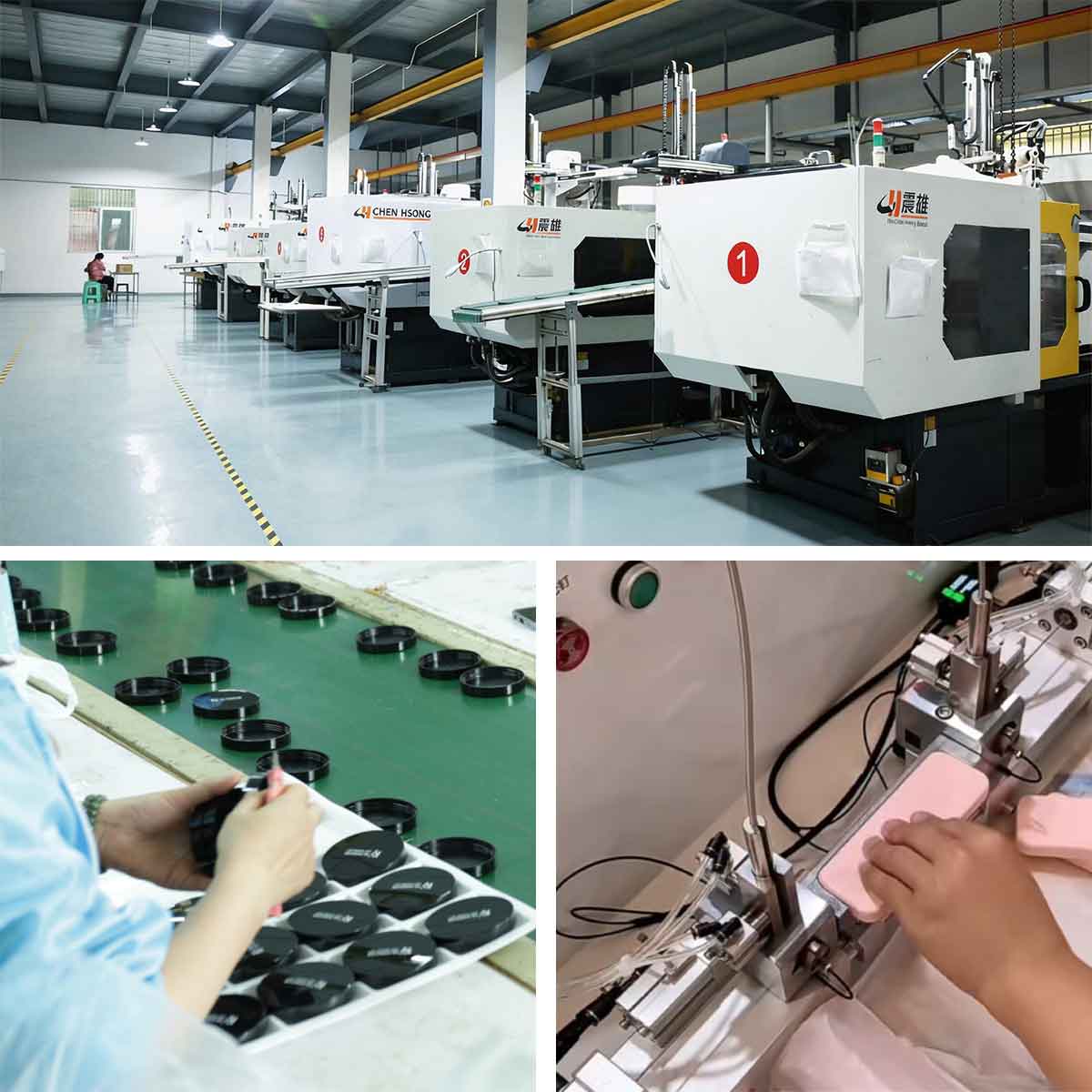
Custom Process
1.Custom Solution Design
Our team understands your brand vision to provide tailored concepts for custom cosmetic packaging .
2.Material Options
We offer diverse materials, including plastic, glass, bamboo,and specialized sustainable makeup packaging.
3.Quotation & Ordering
Flexible pricing for bulk cosmetic packaging based on your specific volume.
4.Production & Delivery
Strict coordination ensures efficient supply chain cosmetic packaging and on-time global shipping.
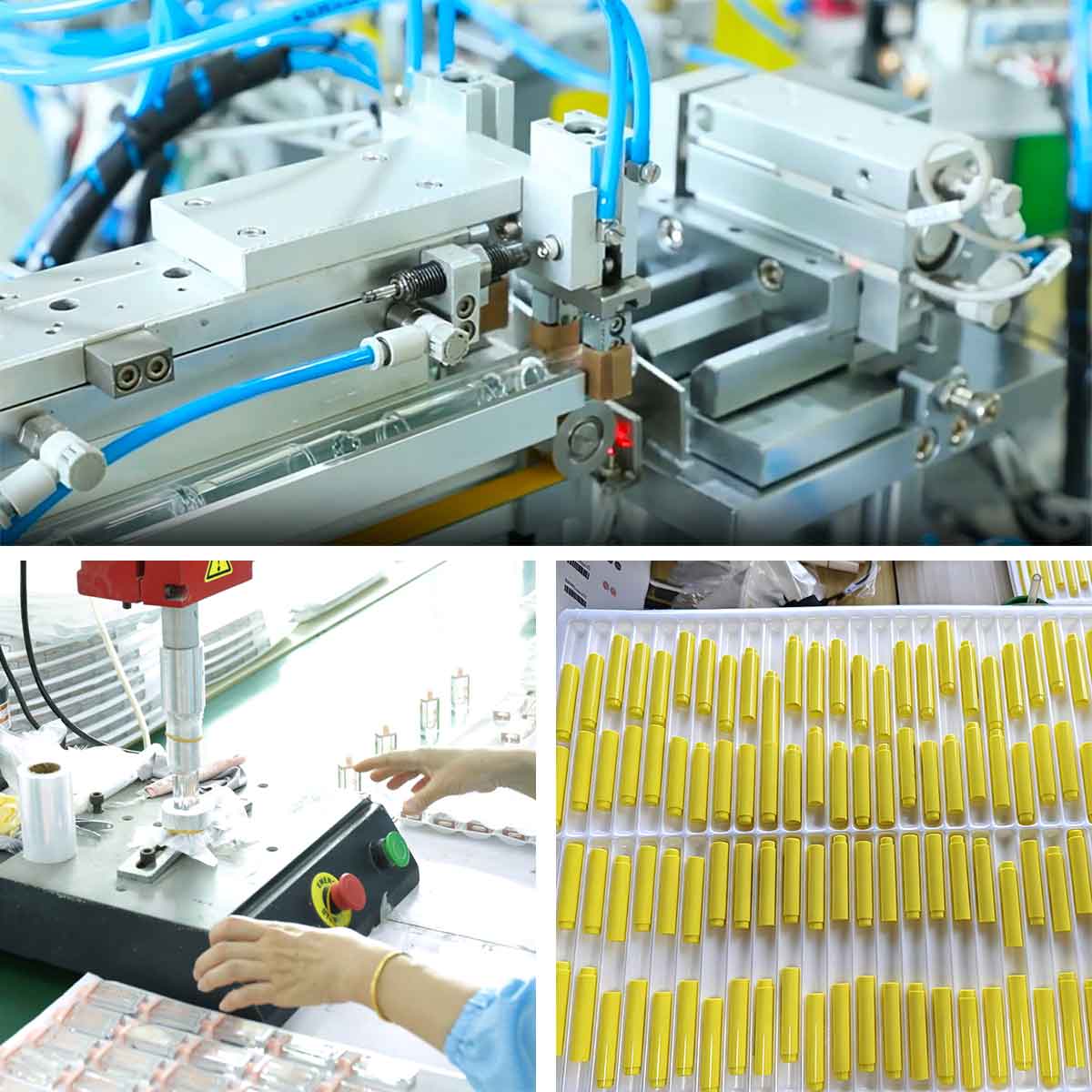
Quality Control
1.Material Inspection
We verify all incoming packaging components for safety and consistency.
2.Process Monitoring
Utilizing advanced inspections to ensure cosmetic packaging with lids manufactured to precise tolerances.
3.Product Testing
Conducting durability and leak-proof tests for all makeup packaging wholesale orders.
4.Quality Optimization
Analyze data to refine the cosmetic product development and manufacturing cycle.
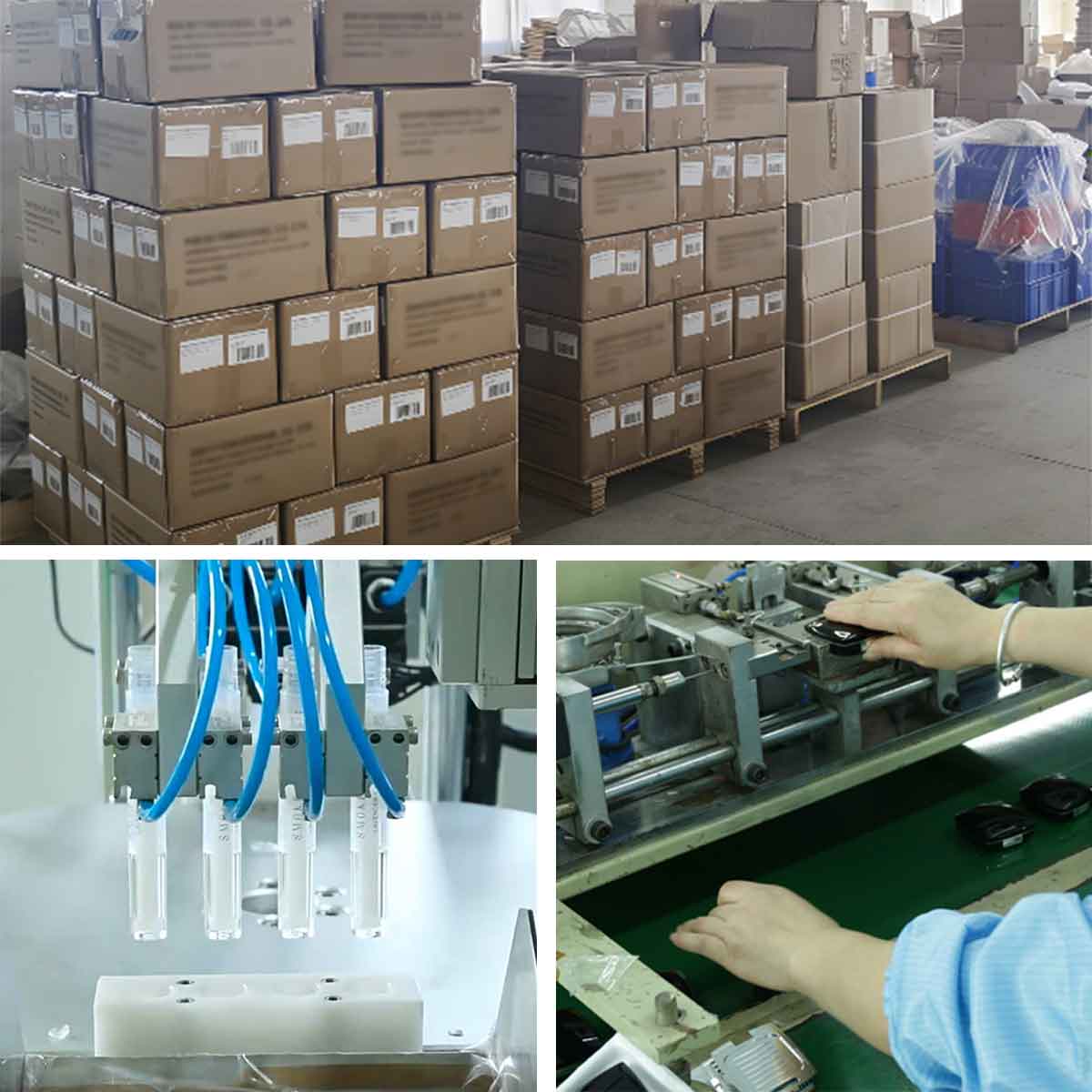
Direct Factory Supply
1.Cost Efficiency
Eliminate middlemen by working directly with our cosmetic factory for better margins.
2.Fast Delivery
Our facility handles large-scale wholesale makeup projects with rapid turnaround times.
3.Fabrication Capabilities
Equipped with automation for cosmetics manufacturing and high-precision molding.
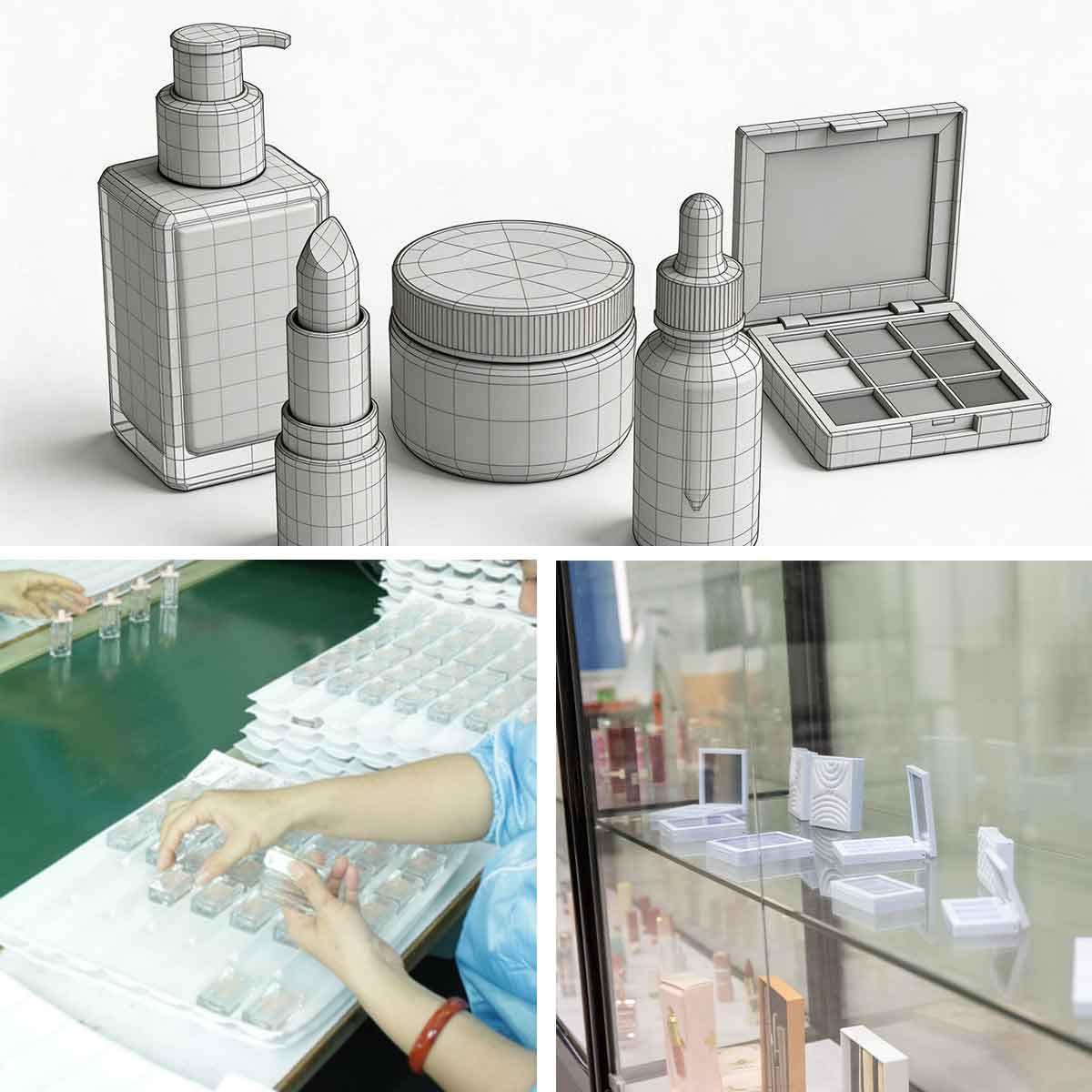
Custom Design
1.From Concept to Design
Turning sketches into detailed 3D models through our makeup packaging design service.
2.Tailored to Your Brand
Fully customizable features for private label makeup and versatile product requirements.
3.Complete Service
End-to-end turnkey cosmetics solutions from concept to final assembly.