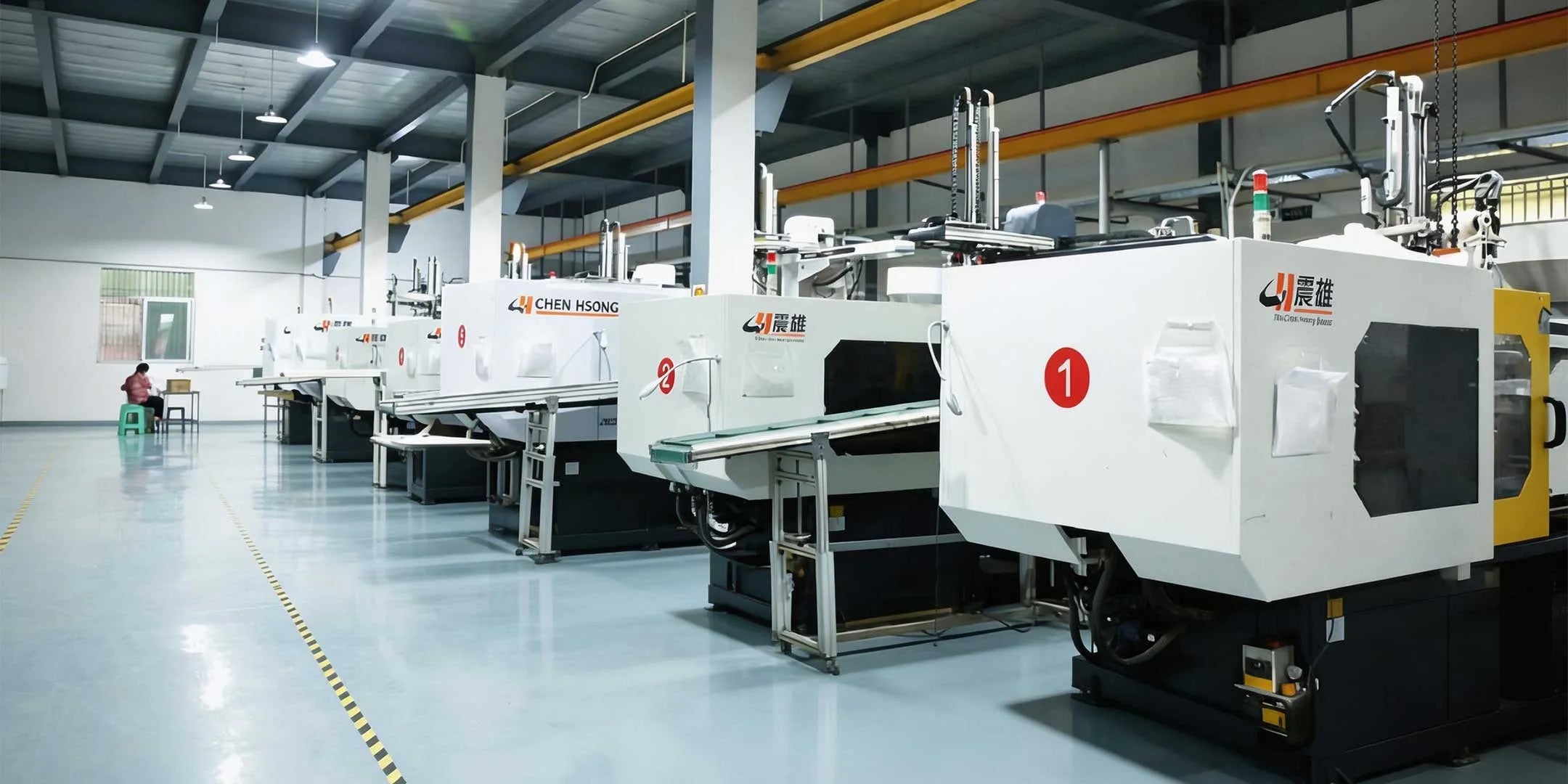
Complete Surface Treatment Solutions for Cosmetic Packaging
Surface treatment transforms a molded packaging component into a finished brand presentation. Color, gloss, metallic effect, logo decoration, texture, and printed artwork all influence how the final package looks and feels in the market.KAIYA supports custom cosmetic packaging projects with multiple decoration and finishing processes, helping B2B beauty brands choose suitable surface treatments for tubes, bottles, jars, compacts, palettes, sticks, caps, and other cosmetic components.
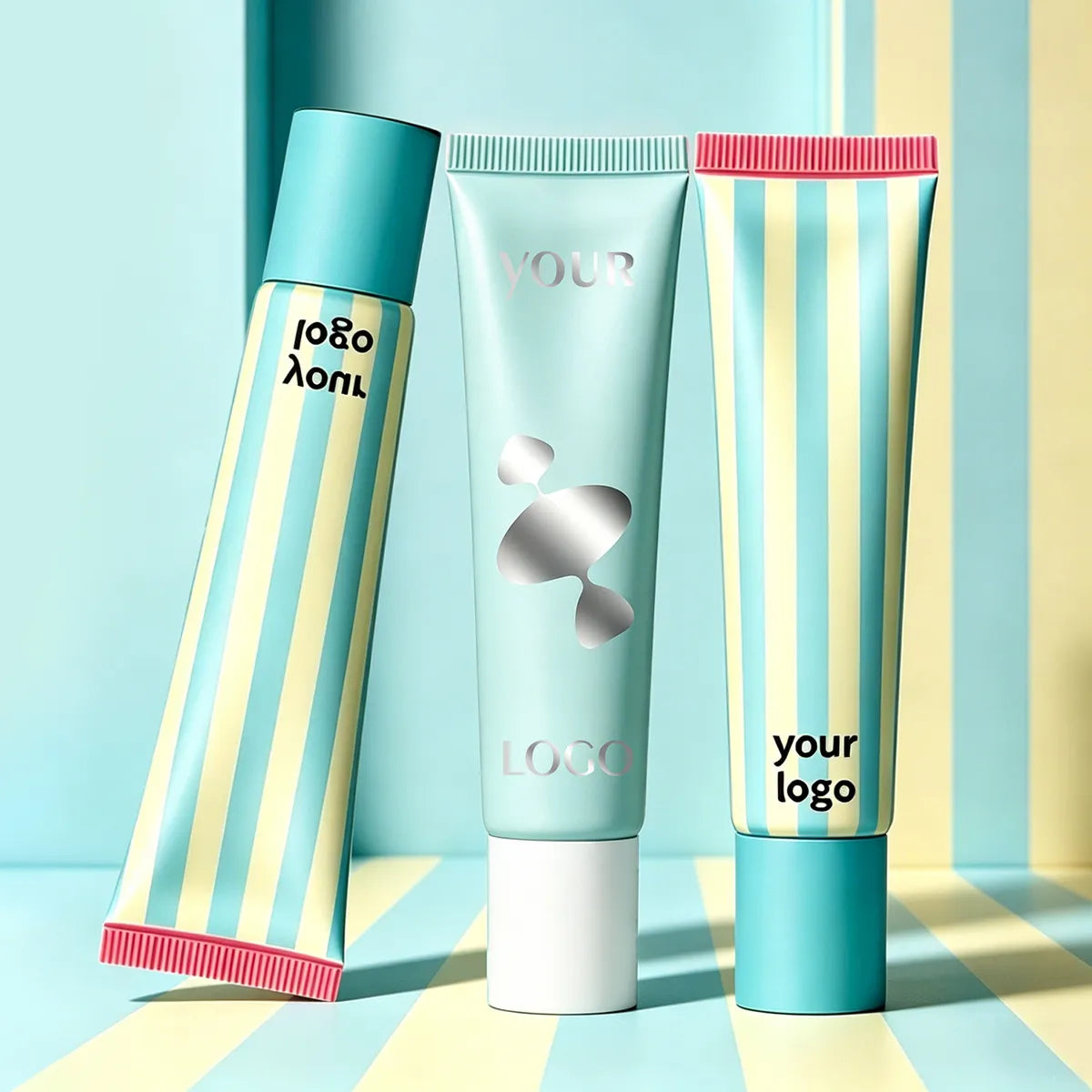
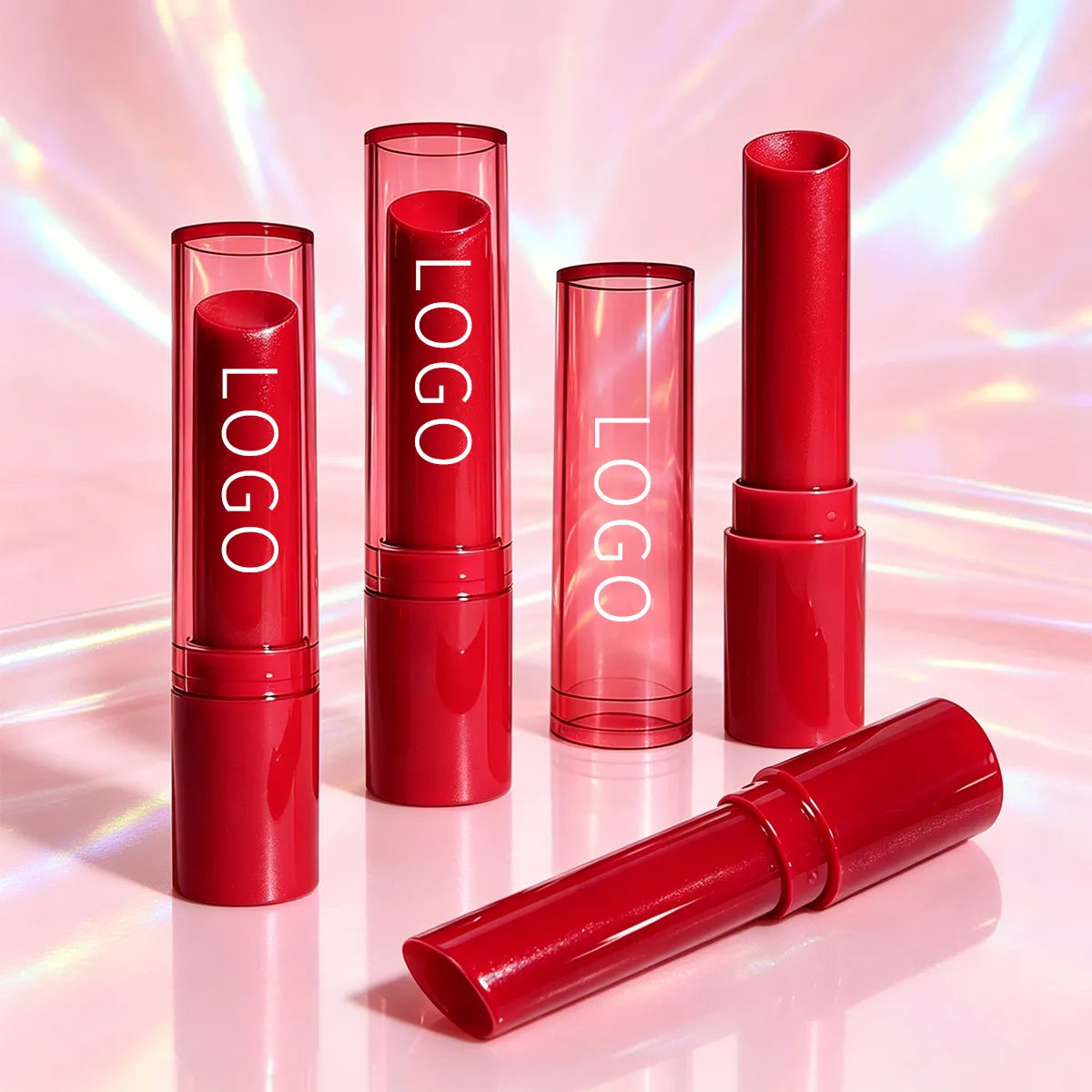
Surface treatment should not be selected only by sample appearance. A finish must also match the packaging material, component shape, artwork style, order quantity, durability needs, and repeat-order plan.
As makeup packaging manufacturers, KAIYA can review the full decoration workflow before sampling, from base material and surface preparation to logo placement, coating sequence, color control, and bulk production feasibility.
For buyers sourcing cosmetic containers wholesale, early process planning is especially important. A finish that looks good on one sample should also remain stable across production, packing, shipment, and future reorders.
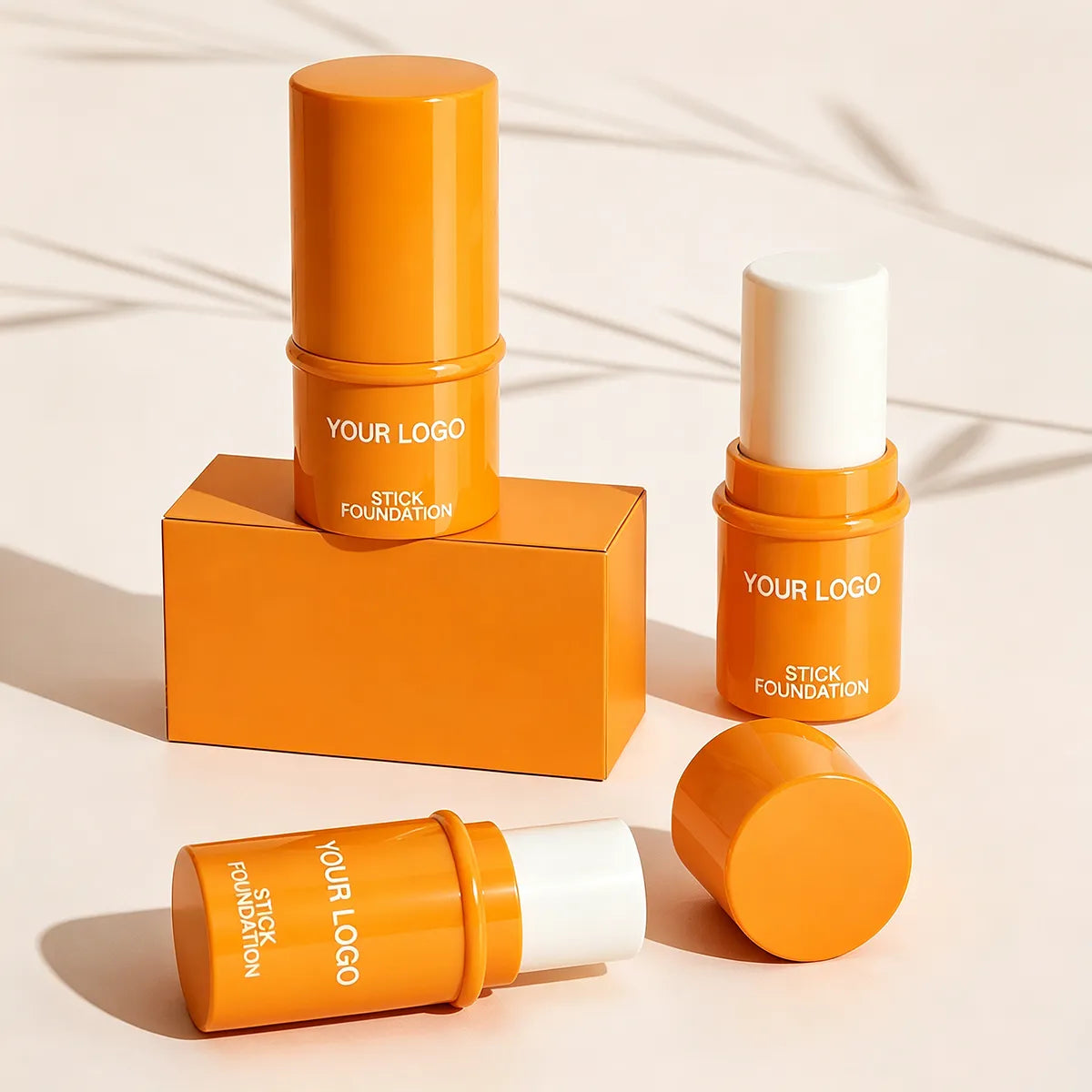
Silk Screen Printing
Silk screen printing is a practical choice for clean logos, product names, shade numbers, and simple graphic elements. It works well when the design needs solid color, sharp edges, and repeatable decoration on suitable flat or cylindrical surfaces.
For cosmetic packaging, this process is often used on lip gloss tubes, mascara tubes, lipstick tubes, bottles, jars, compact lids, and palette components. It is especially useful when the brand wants a direct printed effect instead of a label.
KAIYA can review ink color, print position, artwork size, surface finish, and adhesion before production, so the approved sample can be repeated more consistently in bulk orders.
Vacuum Metallization
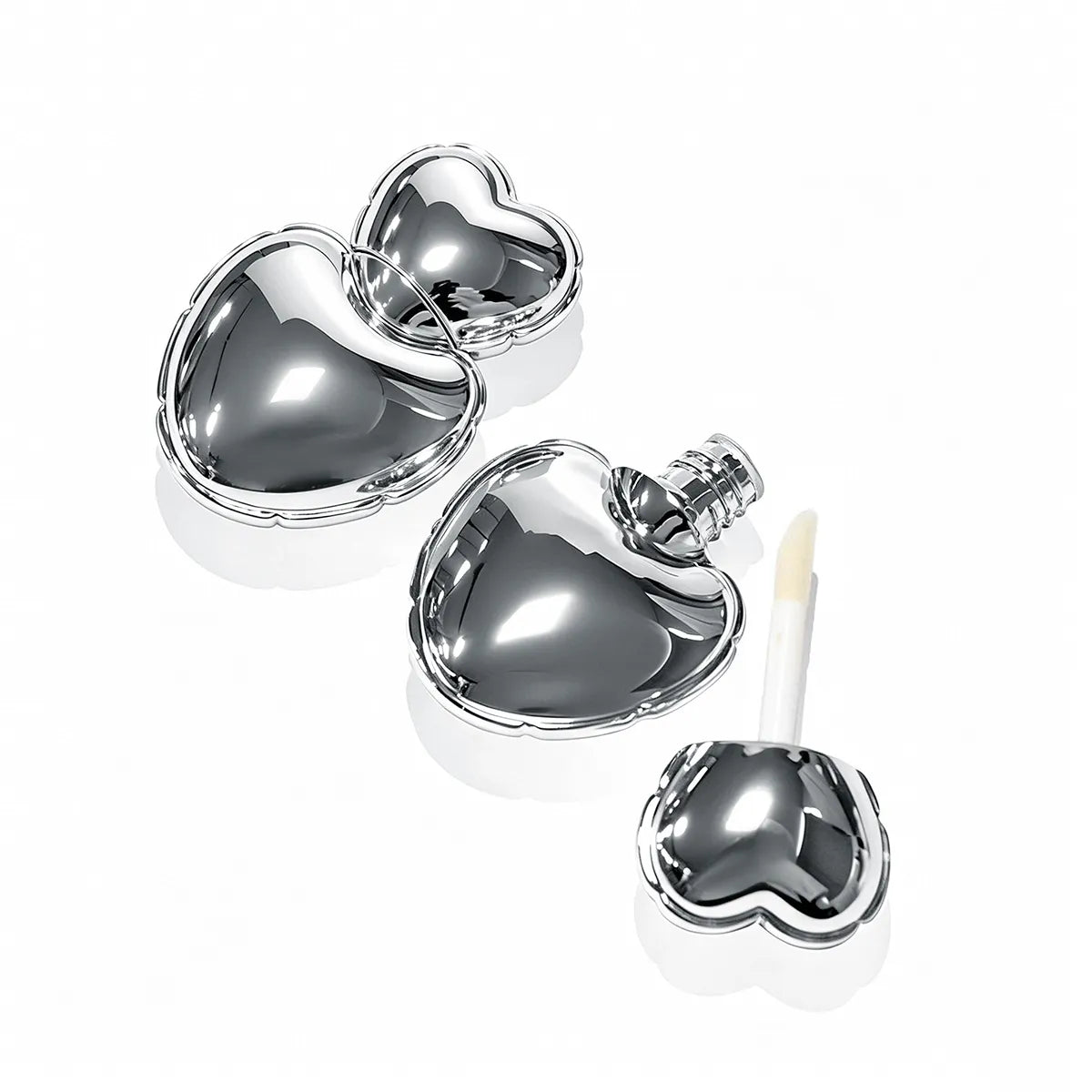
Vacuum metallization creates a reflective metallic surface by depositing a thin metal-like layer onto the component. It is commonly used for chrome, silver, gold, rose gold, tinted metallic, and iridescent effects.
This process is useful when a brand wants a metal-like appearance without changing the entire component to real metal. It can be applied to selected caps, collars, compact lids, lipstick shells, mascara tubes, jar lids, and decorative parts.
Because metallized finishes can change under different lighting and viewing angles, sample approval should include color, gloss, coating protection, and expected durability.
Spray Coating
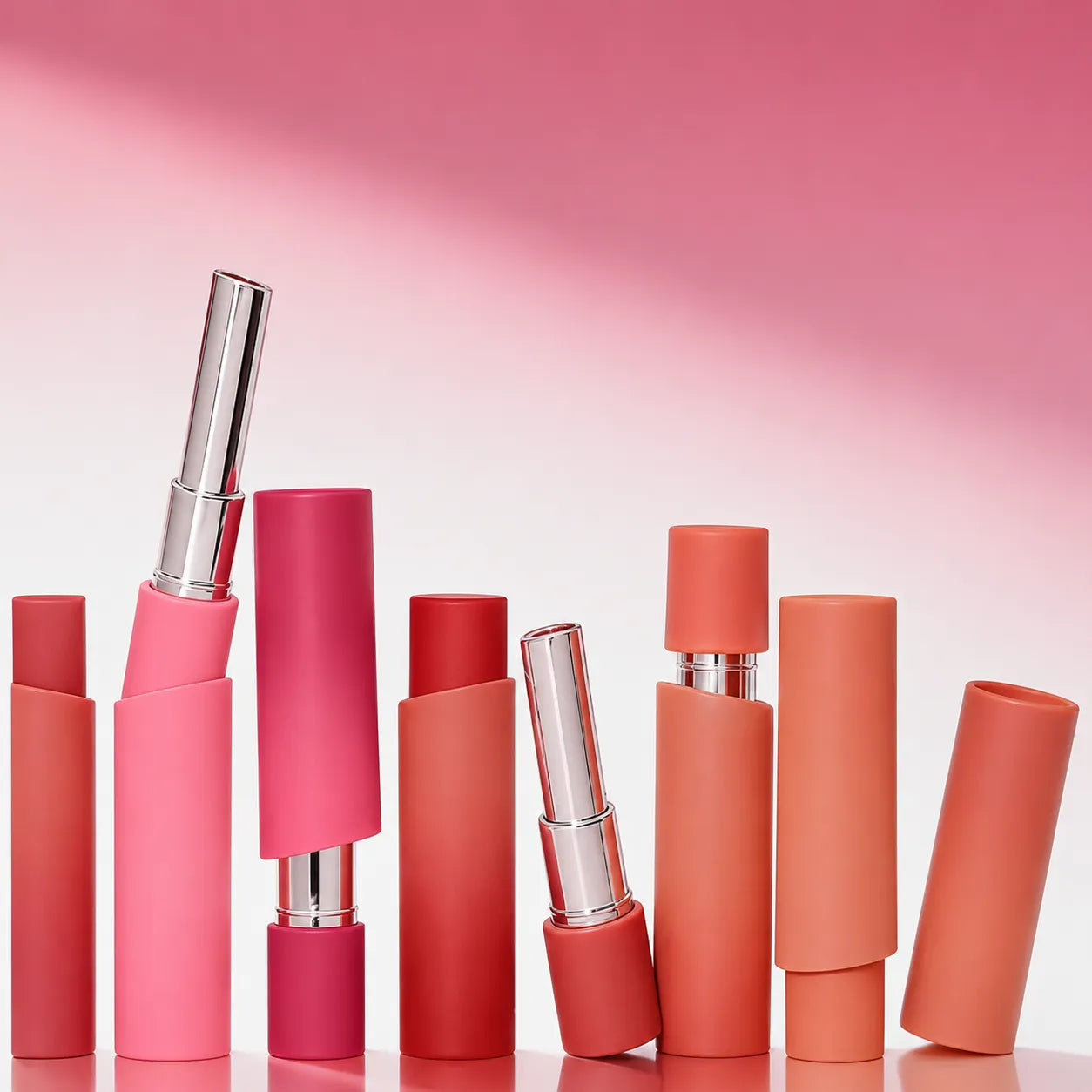
Spray coating applies a colored or specialty coating onto packaging surfaces to create matte, glossy, pearlescent, gradient, translucent, or soft-touch effects. It is often used when the base material cannot directly achieve the brand’s target color or tactile direction.
This process can cover curved and irregular surfaces more evenly than direct logo printing. It is suitable for tubes, bottles, jars, compacts, palettes, caps, and stick packaging when the full surface needs a controlled finish.
KAIYA can help check Pantone direction, coating thickness, curing condition, logo sequence, and whether the coated component still fits correctly after assembly.
Hot Stamping
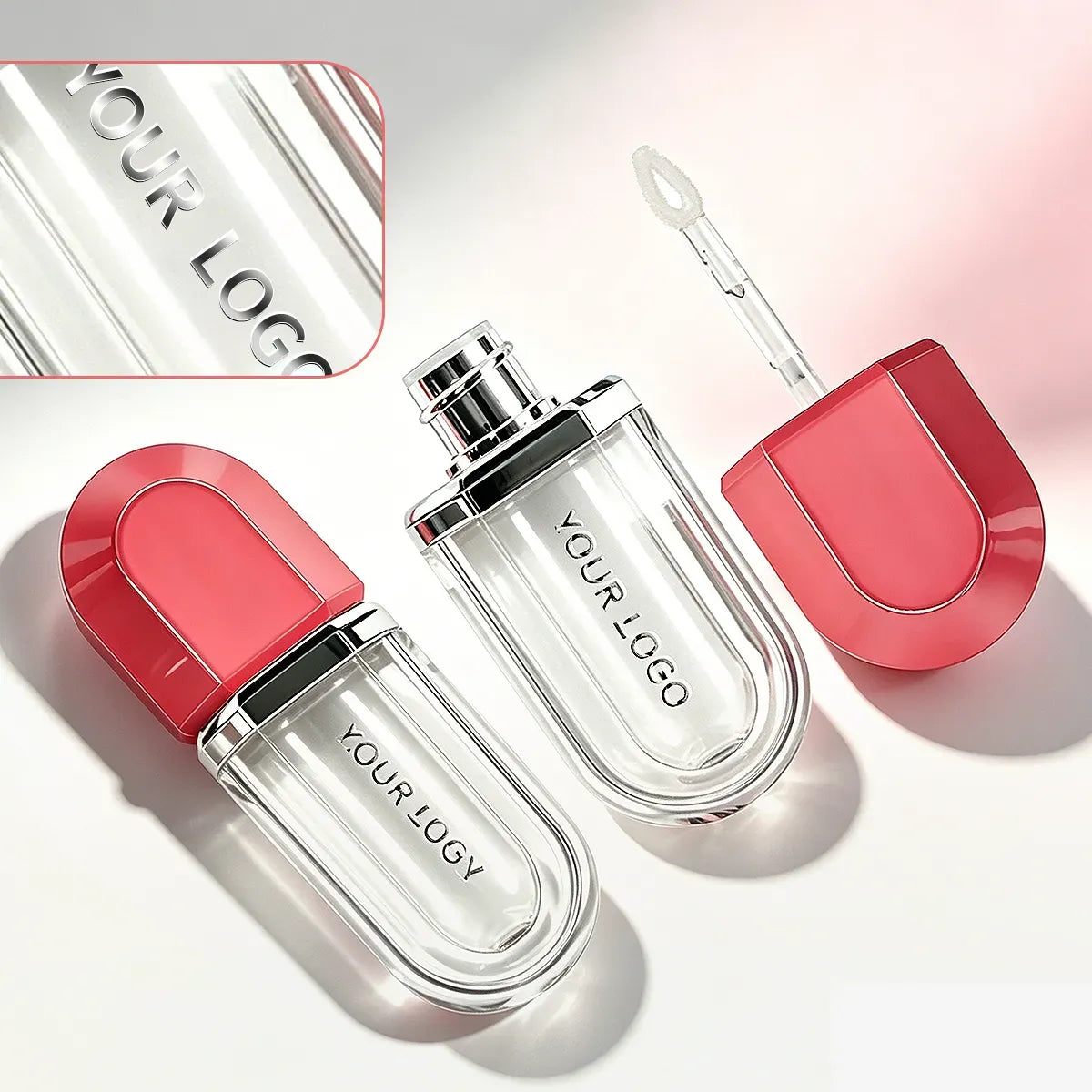
Hot stamping uses heat and pressure to transfer foil onto the packaging surface. It is suitable for metallic logos, fine typography, borders, decorative icons, and small highlight details.
Gold, silver, rose gold, holographic, or colored foil can help create a more visible brand mark without covering the whole component. This process is often used on lipstick tubes, lip balm tubes, compact cases, palette covers, jars, cartons, and selected caps.
For cosmetic packaging design services, hot stamping should be planned with the material, surface finish, artwork size, foil area, and alignment requirement before sampling.
3D Prototyping
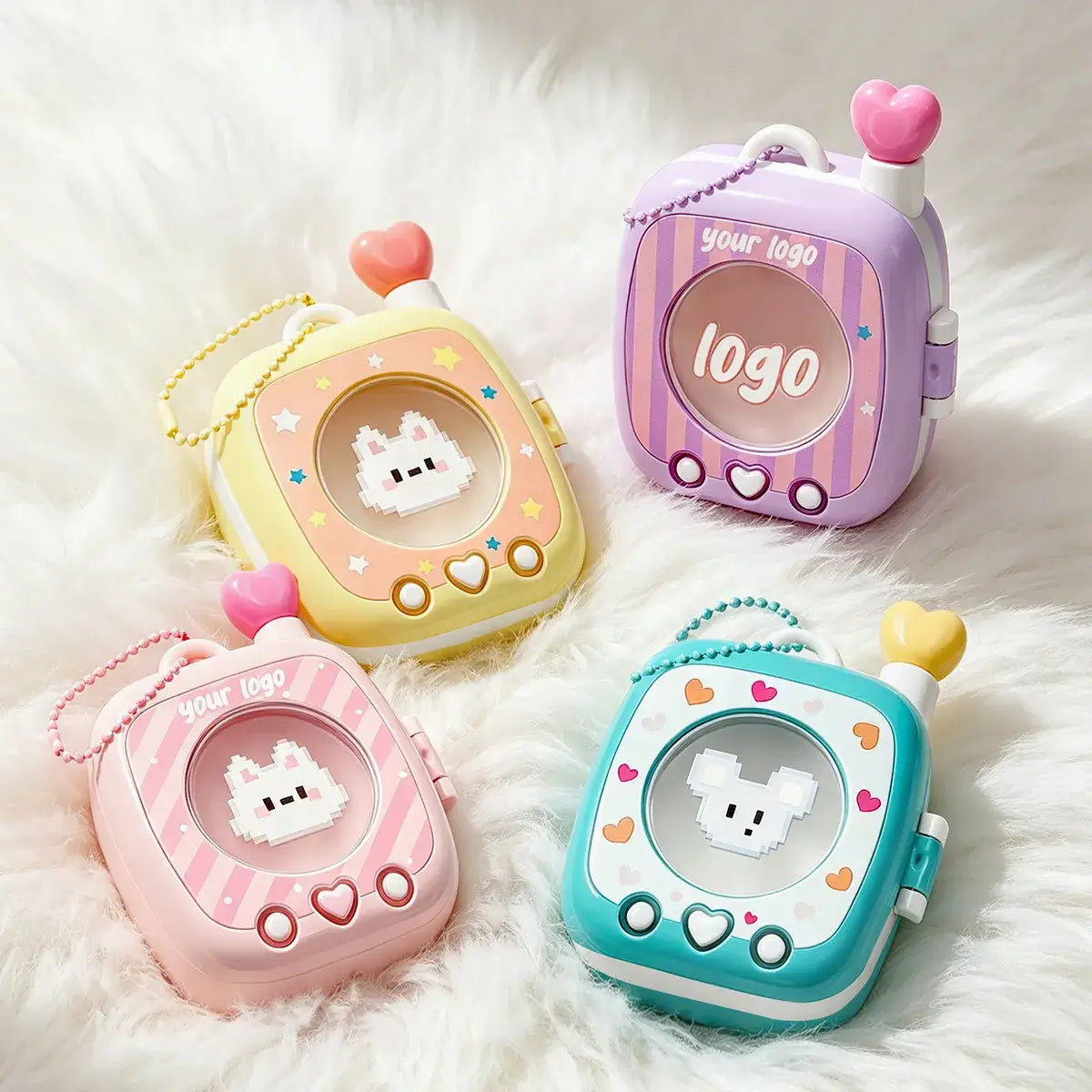
3D printing can create multi-color artwork, raised texture, and dimensional surface details on selected cosmetic packaging components. It is useful for logos, icons, small decorative patterns, limited-edition graphics, and playful design areas that need more depth than flat printing.
Compared with heat transfer printing, 3D printing is usually better for localized raised details and textured effects, while heat transfer printing is often more practical for larger colorful graphics or repeated full-pattern artwork. KAIYA reviews the component material, surface shape, artwork size, texture height, color layers, adhesion, and cost target before sampling, helping brands choose a suitable process for bulk cosmetic packaging projects.
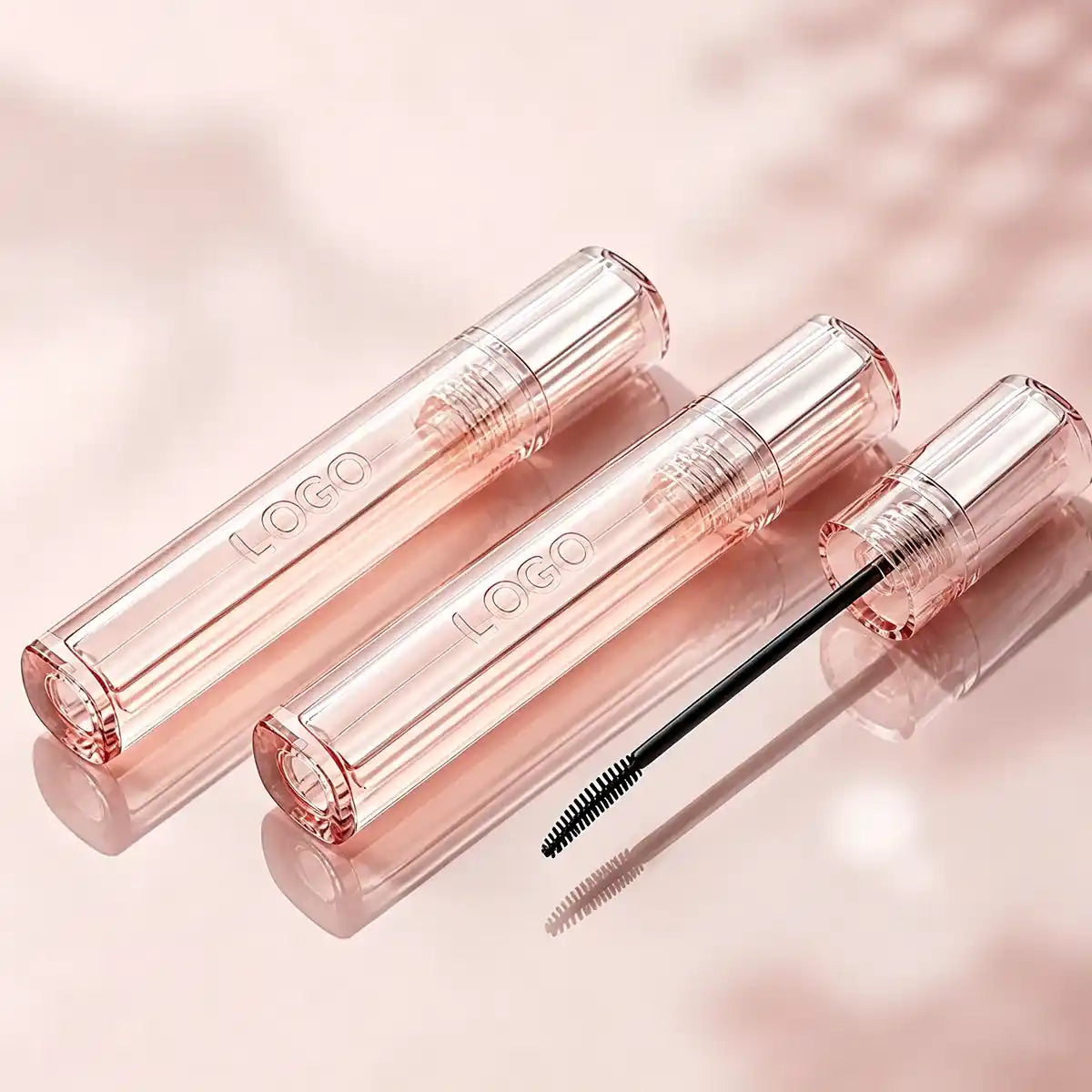
Laser Engraving
Laser engraving creates permanent marks by removing part of the coating or surface layer. It is suitable for precise logos, fine lines, shade names, small icons, and subtle decorative details.
This process works especially well on spray-coated, metallized, painted, or selected metal-look components where the engraved area can reveal a contrasting layer underneath. It can be used on caps, tubes, compact lids, palette covers, jar lids, and decorative collars.
Before production, KAIYA reviews logo size, engraving area, surface contrast, coating thickness, and component shape to confirm whether the final mark will be clear enough.
Heat Transfer Printing
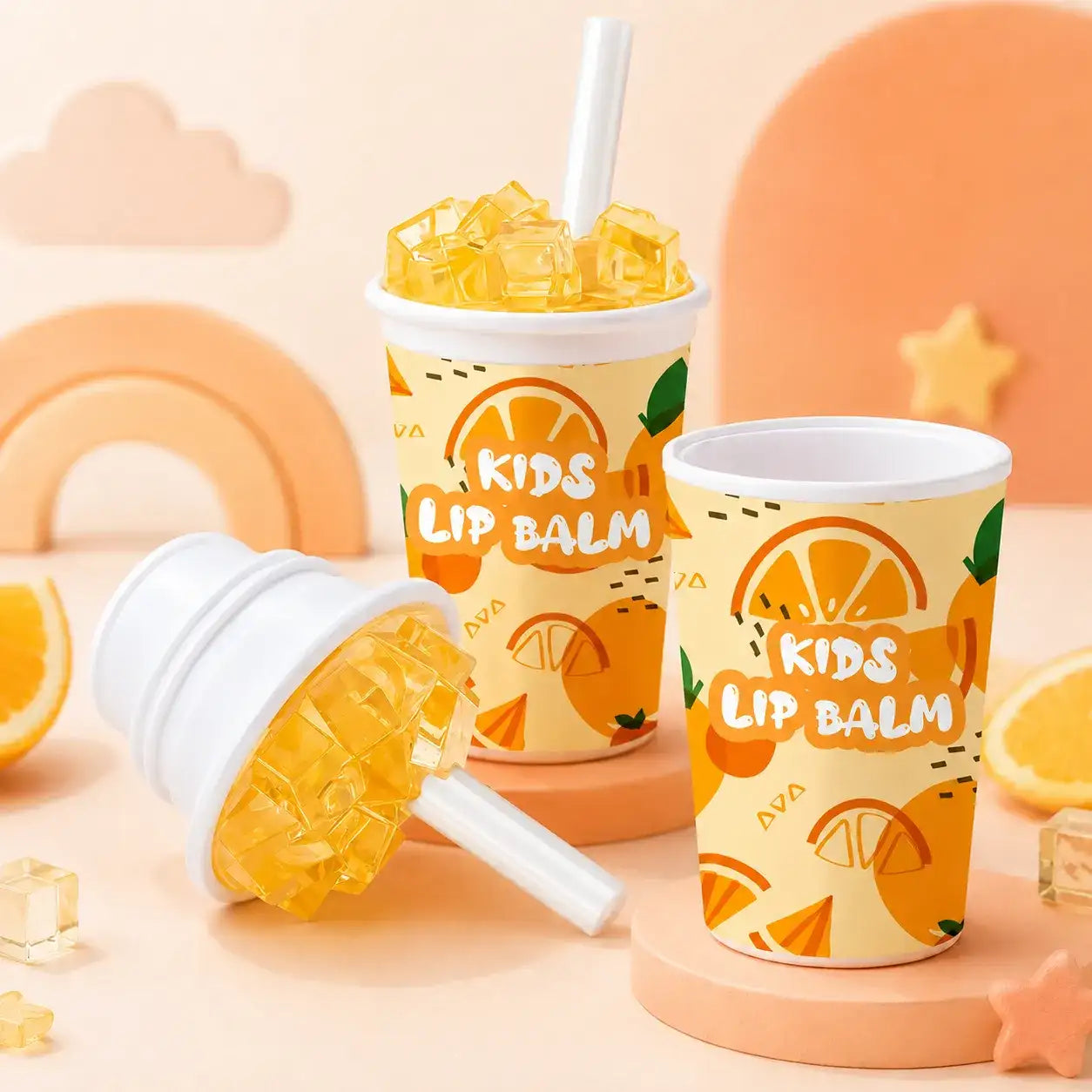
Heat transfer printing uses heat and pressure to apply pre-printed film graphics onto packaging surfaces. It is useful when the artwork needs richer color, gradients, repeated patterns, illustrated graphics, or seasonal visual themes.
Compared with simple logo printing, heat transfer can carry more detailed decoration in one process. It is often reviewed for lipstick tubes, lip balm tubes, lip gloss caps, mascara tubes, compact lids, cushion cases, palette covers, blush compacts, cosmetic jars, and gift-set packaging.
The key is surface fit. Curved or regular surfaces may work well, while deep grooves, sharp corners, or irregular 3D shapes need extra testing before bulk production.
Frosted & Matte Finishes
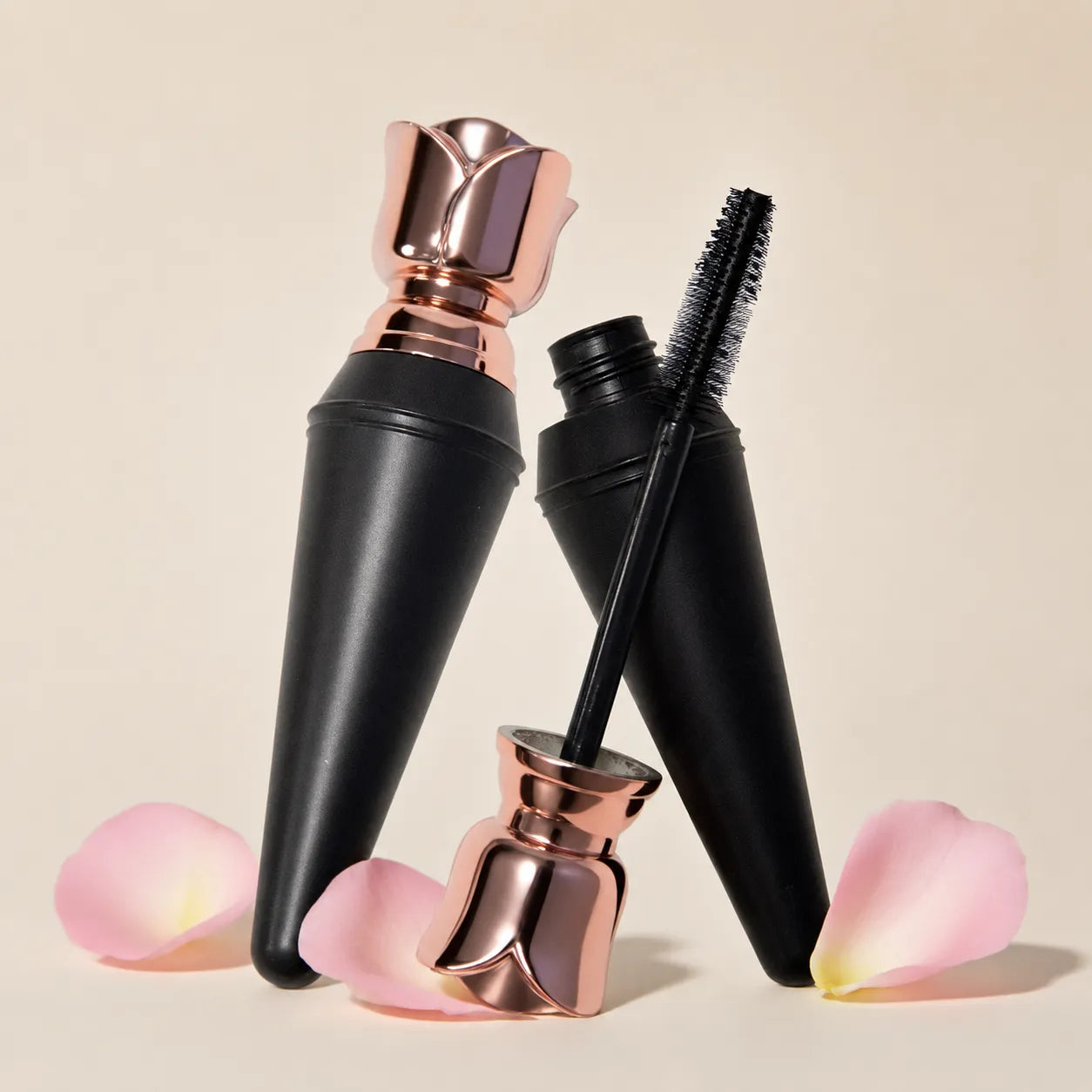
Frosted and matte finishes reduce surface glare and create a softer visual effect. Frosted finishes are often used on glass or clear plastic to create a semi-visible surface, while matte finishes are used to reduce shine on opaque or coated components.
These finishes are suitable for brands that want a cleaner, softer, or more understated package appearance. They can be reviewed for jars, bottles, lipstick tubes, lip balm tubes, mascara bodies, compact lids, cushion cases, and palette covers.
Sample testing should check haze level, gloss level, fingerprint visibility, scratch resistance, logo clarity, and whether the finish changes after handling.
UV Coating & UV Printing
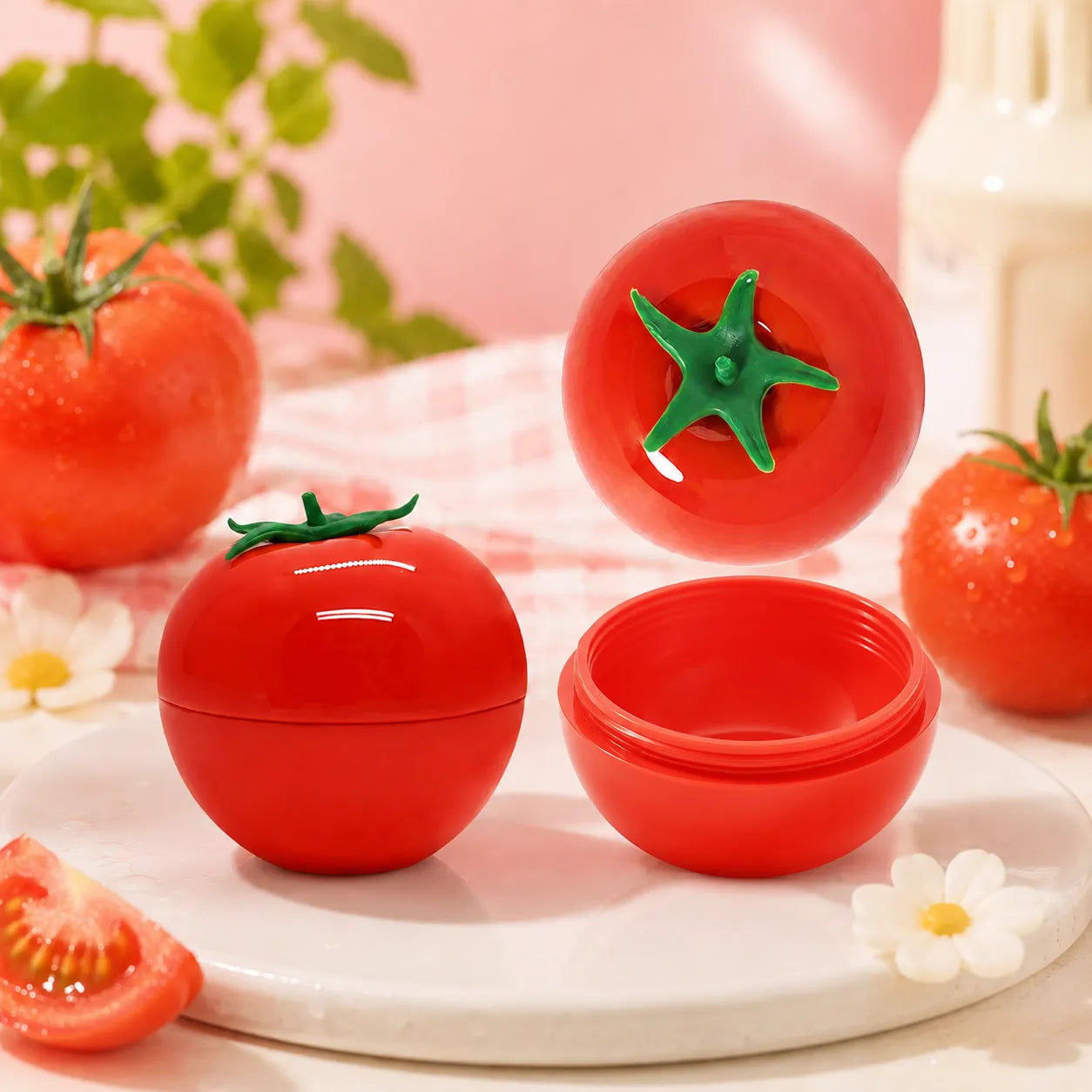
UV coating and UV printing are related but not the same. UV coating is usually used as a protective or glossy finishing layer, while UV printing uses UV-curable ink to print logos, text, patterns, or graphics directly onto the component.
Full UV coating can create a brighter surface and improve light handling resistance. Spot UV can highlight selected areas such as logos, icons, borders, or decorative lines. UV printing is useful when the artwork needs sharper details or small text on suitable surfaces.
KAIYA can review surface adhesion, gloss level, artwork position, curing condition, and whether the UV process should be used before or after other decoration steps.
Pad Printing
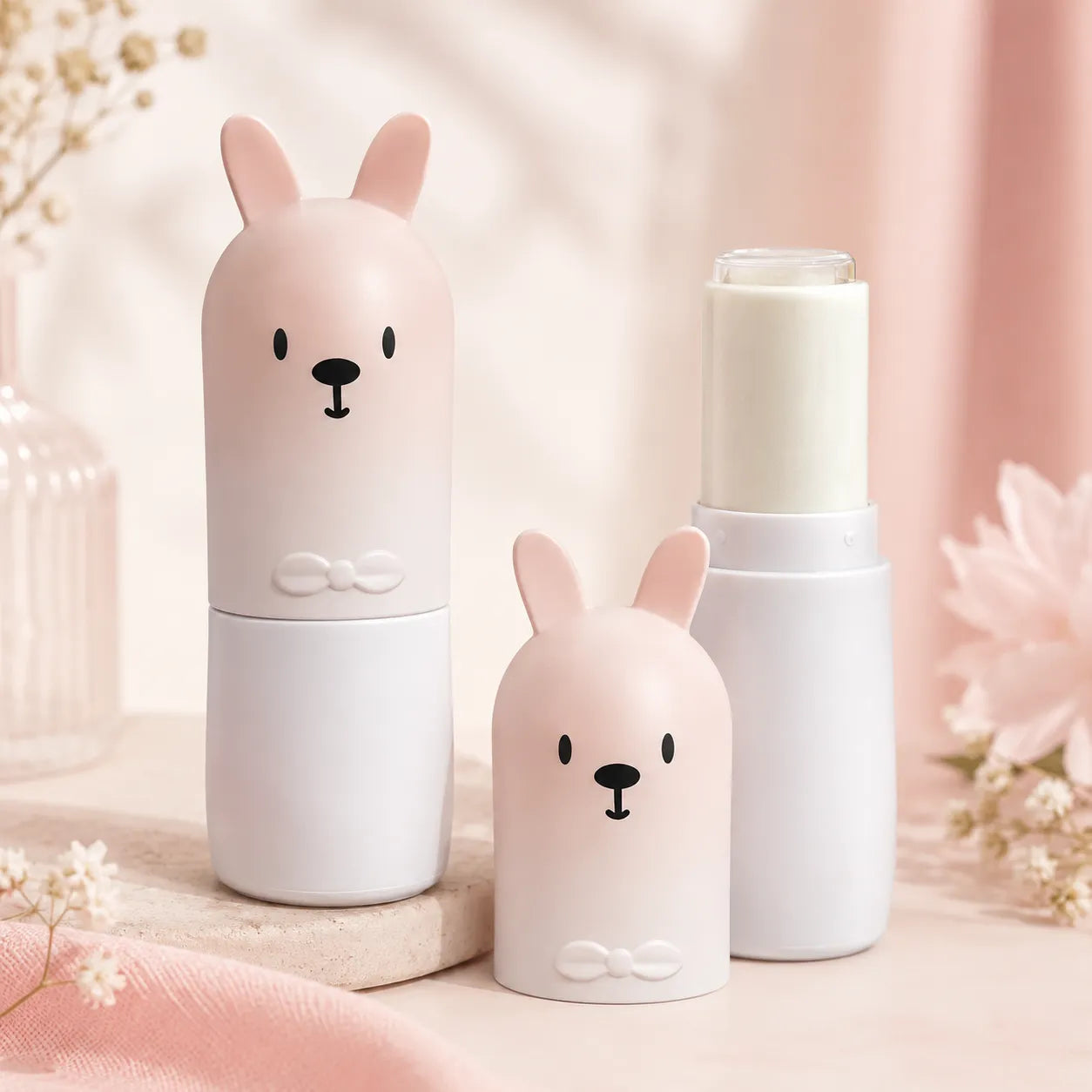
Pad printing transfers ink through a soft silicone pad, making it useful for small, curved, recessed, or irregular surfaces. It is often chosen when flat printing methods cannot reach the required decoration area.
This process is suitable for caps, collars, compact buttons, tube shoulders, bottle caps, jar lids, and other small areas on cosmetic containers. It works best for simple logos, short text, shade codes, small icons, and one-color or two-color graphics.
KAIYA can help review artwork size, print position, ink adhesion, fixture stability, and whether pad printing is more practical than silk screen printing for the selected component.
How to Choose the Right Surface Treatment
Different surface treatments solve different packaging problems. Spray coating is useful for full-surface color and tactile effects. Silk screen printing is practical for clean logos and simple text. Hot stamping creates metallic accents. Vacuum metallization gives components a reflective metal-like finish.
Heat transfer printing and UV printing are better for richer graphics. Pad printing is useful for small or irregular areas. Laser engraving creates permanent marks on coated or metallized surfaces. Frosted and matte finishes soften the visual effect, while water transfer and optical micro-texture are more suitable for special visual concepts.
For cosmetic packaging design services, KAIYA recommends reviewing the process together with material, component shape, artwork complexity, durability needs, and order quantity before sampling.
Working with KAIYA
KAIYA provides cosmetic product packaging solutions that connect packaging selection, surface treatment, sample review, and bulk production planning. Before recommending a process, our team reviews product category, material, component shape, artwork complexity, finish target, and order quantity.
For projects that require multiple processes, such as spray coating plus silk screen printing, vacuum metallization plus laser engraving, or heat transfer printing plus UV coating, we help check process sequence and production feasibility before sampling.
Buyers can share packaging references, artwork files, Pantone colors, finish references, product category, and expected quantity. KAIYA will review a practical surface treatment direction for your project.
Blog posts
Cosmetics Manufacturer Packaging Solutions Guide: Build the Right System for Every Makeup Format
Why Choose a Lip Gloss Metal Applicator?
From Aluminum to Keychains: How to Choose the Best Lip Balm Containers for a Distinctive Launch
Frequently Asked Questions
Packaging Solutions
- Brands should start with the material, component shape, artwork style, and desired finish.
- A simple logo may need silk screen printing or pad printing, while full-color graphics may require heat transfer printing or UV printing. Metallic effects may need hot stamping or vacuum metallization.
- For custom cosmetic packaging, the selected process should also be checked for adhesion, durability, alignment, and bulk repeatability.
- Yes. Many packaging projects combine several processes, such as spray coating plus silk screen printing, vacuum metallization plus laser engraving, or heat transfer printing plus UV coating.
- The key is process sequence. Each step may affect adhesion, color, gloss, or decoration clarity, so the combination should be tested before bulk production.
- For cosmetic containers wholesale, suitable options may include spray coating, silk screen printing, hot stamping, pad printing, UV coating, UV printing, heat transfer printing, and vacuum metallization. The right choice depends on material, order quantity, artwork, and durability requirements.
- For wholesale orders, repeatability and inspection standards are just as important as sample appearance.
- Makeup packaging manufacturers should control approved samples, Pantone references, coating thickness, printing position, film alignment, foil pressure, curing conditions, and inspection standards.
- For repeat orders, keeping sample standards and process records helps reduce color drift, logo shift, and finish variation between batches.
- Silk screen printing is often practical for clean one-color logos on suitable flat or cylindrical surfaces. Pad printing may be better for small, curved, or irregular components. Hot stamping can be used when the logo needs a metallic accent.
- The best choice depends on component shape, logo size, material, and desired visual effect.
- Heat transfer printing or UV printing is usually more suitable for full-color artwork, gradients, repeated patterns, or decorative graphics. Heat transfer works well for selected repeated designs, while UV printing can support sharper details on suitable surfaces.
- Samples should be checked for color accuracy, edge clarity, adhesion, and alignment.
- Hot stamping is suitable for metallic logos, borders, and small accent areas. Vacuum metallization is better when a larger component surface needs a chrome, gold, silver, rose gold, or iridescent metal-like effect.
- Laser engraving can also be combined with metallized or coated surfaces when the design needs a permanent contrast mark.
- Yes. Surface treatment is an important part of cosmetic packaging design services because it affects color, texture, logo visibility, brand style, and final product presentation.
- A good design should consider both appearance and production feasibility, especially when the project needs repeatable results in bulk production.
- Buyers should check color accuracy, logo position, coating uniformity, adhesion, gloss level, scratches, fingerprints, film alignment, foil edges, engraving contrast, and whether the finish changes after handling.
- A sample should be judged not only by photos, but also by real handling, lighting, and expected packaging use.
- Buyers should provide packaging type, material, artwork files, Pantone references, finish references, decoration area, order quantity, and durability expectations. If the project combines multiple processes, a clear layout or reference image is also helpful.
- These details allow KAIYA to recommend a more practical decoration plan before sampling.
Our Advantages
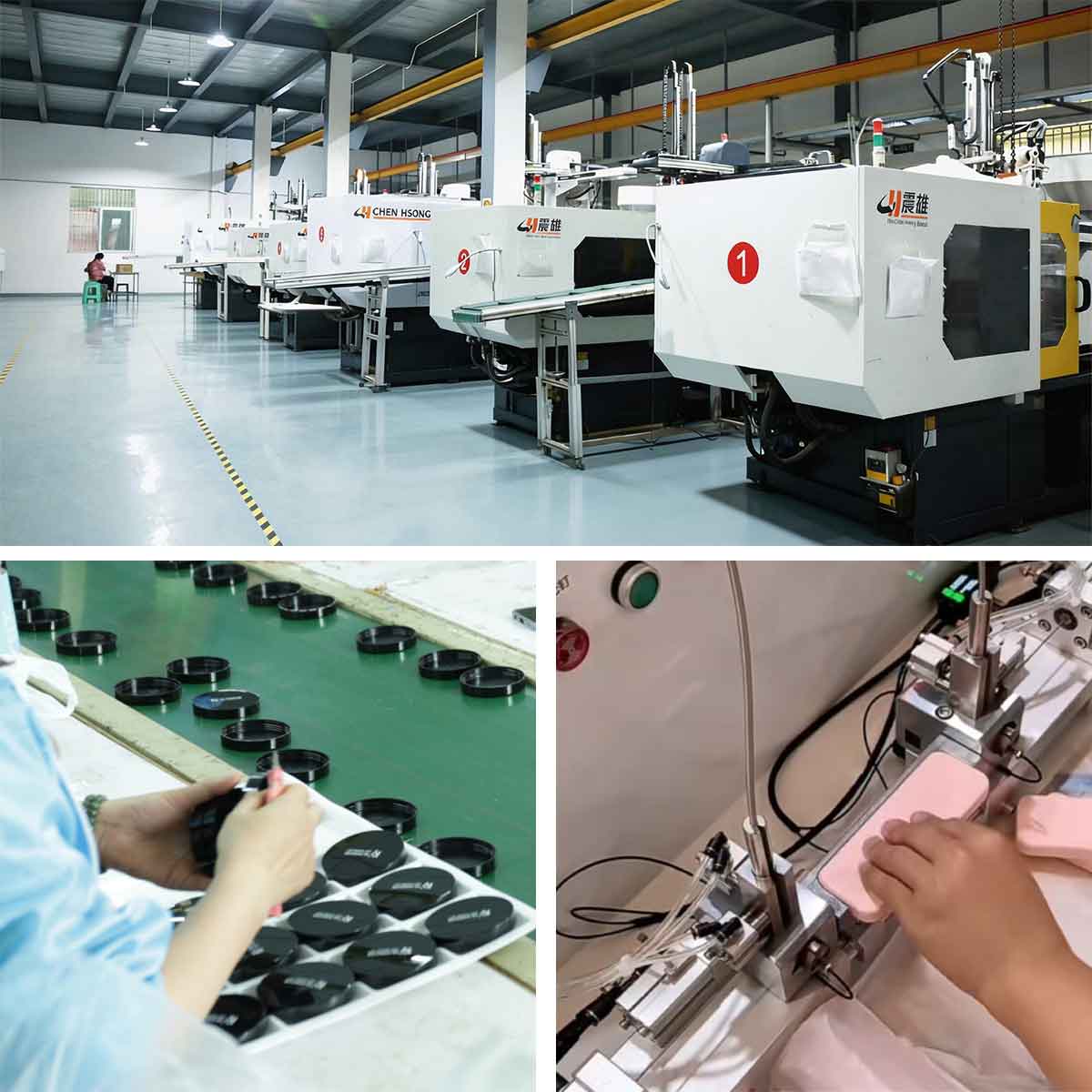
Custom Process
1.Custom Solution Design
Our team understands your brand vision to provide tailored concepts for custom cosmetic packaging .
2.Material Options
We offer diverse materials, including plastic, glass, bamboo,and specialized sustainable makeup packaging.
3.Quotation & Ordering
Flexible pricing for bulk cosmetic packaging based on your specific volume.
4.Production & Delivery
Strict coordination ensures efficient supply chain cosmetic packaging and on-time global shipping.
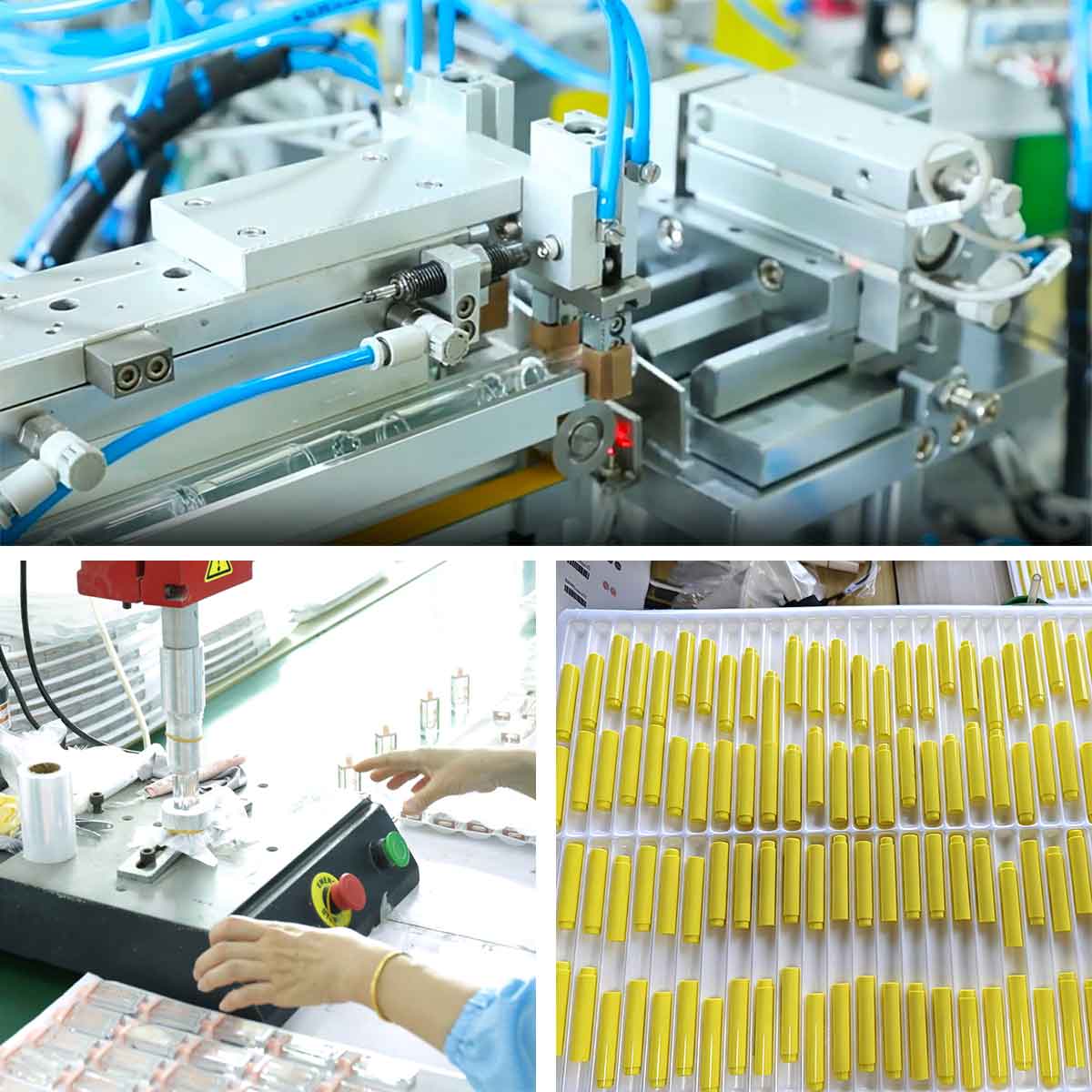
Quality Control
1.Material Inspection
We verify all incoming packaging components for safety and consistency.
2.Process Monitoring
Utilizing advanced inspections to ensure cosmetic packaging with lids manufactured to precise tolerances.
3.Product Testing
Conducting durability and leak-proof tests for all makeup packaging wholesale orders.
4.Quality Optimization
Analyze data to refine the cosmetic product development and manufacturing cycle.
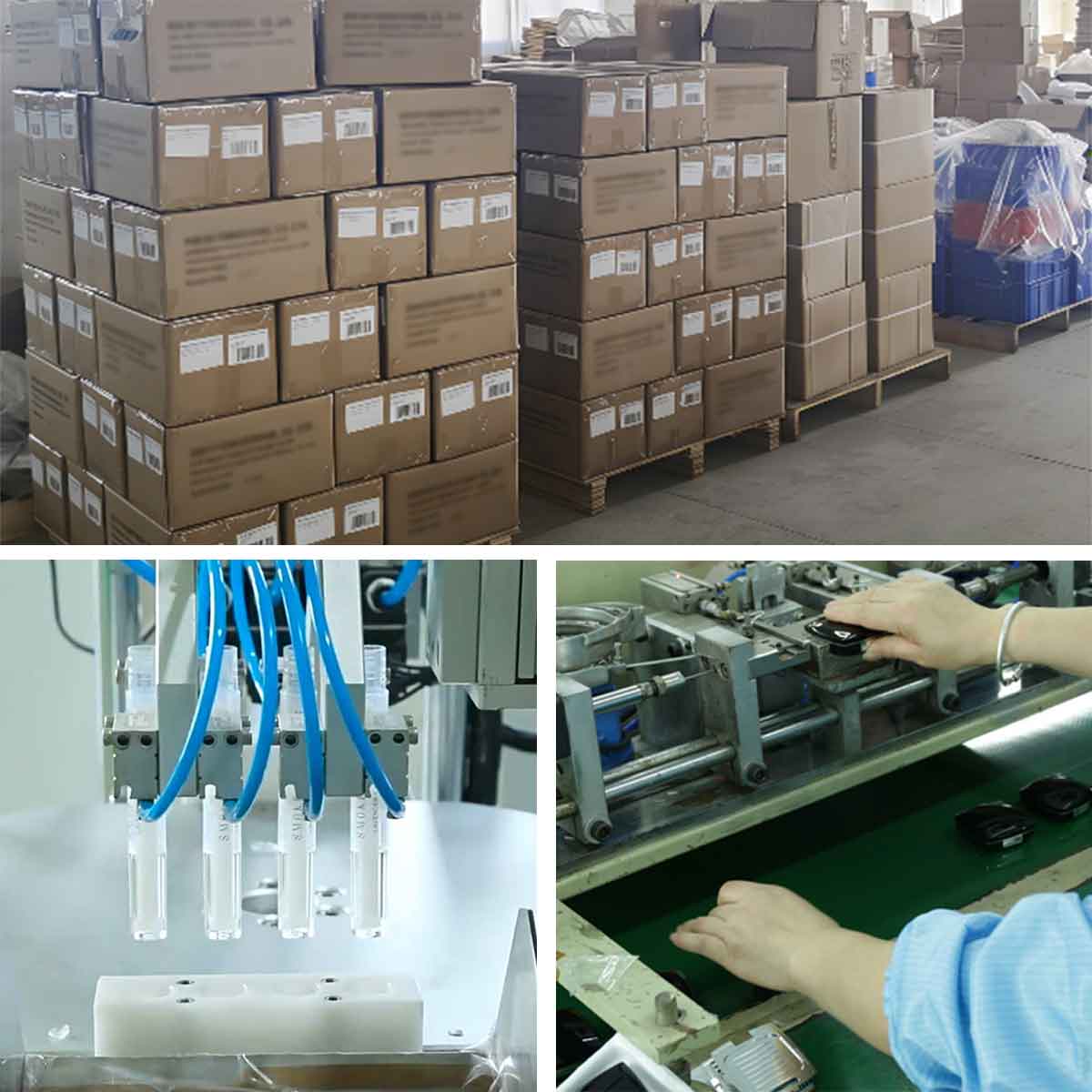
Direct Factory Supply
1.Cost Efficiency
Eliminate middlemen by working directly with our cosmetic factory for better margins.
2.Fast Delivery
Our facility handles large-scale wholesale makeup projects with rapid turnaround times.
3.Fabrication Capabilities
Equipped with automation for cosmetics manufacturing and high-precision molding.
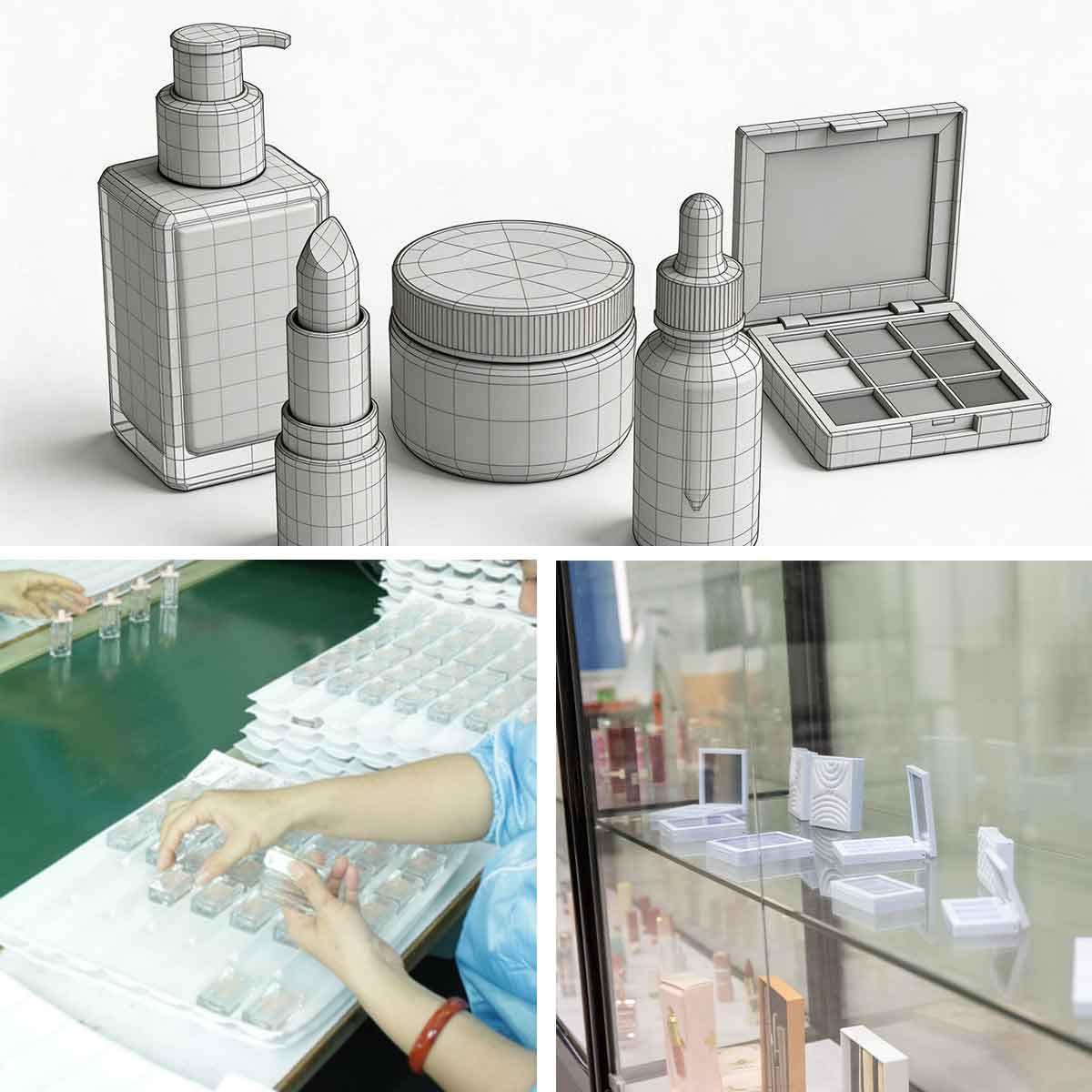
Custom Design
1.From Concept to Design
Turning sketches into detailed 3D models through our makeup packaging design service.
2.Tailored to Your Brand
Fully customizable features for private label makeup and versatile product requirements.
3.Complete Service
End-to-end turnkey cosmetics solutions from concept to final assembly.