How It Works
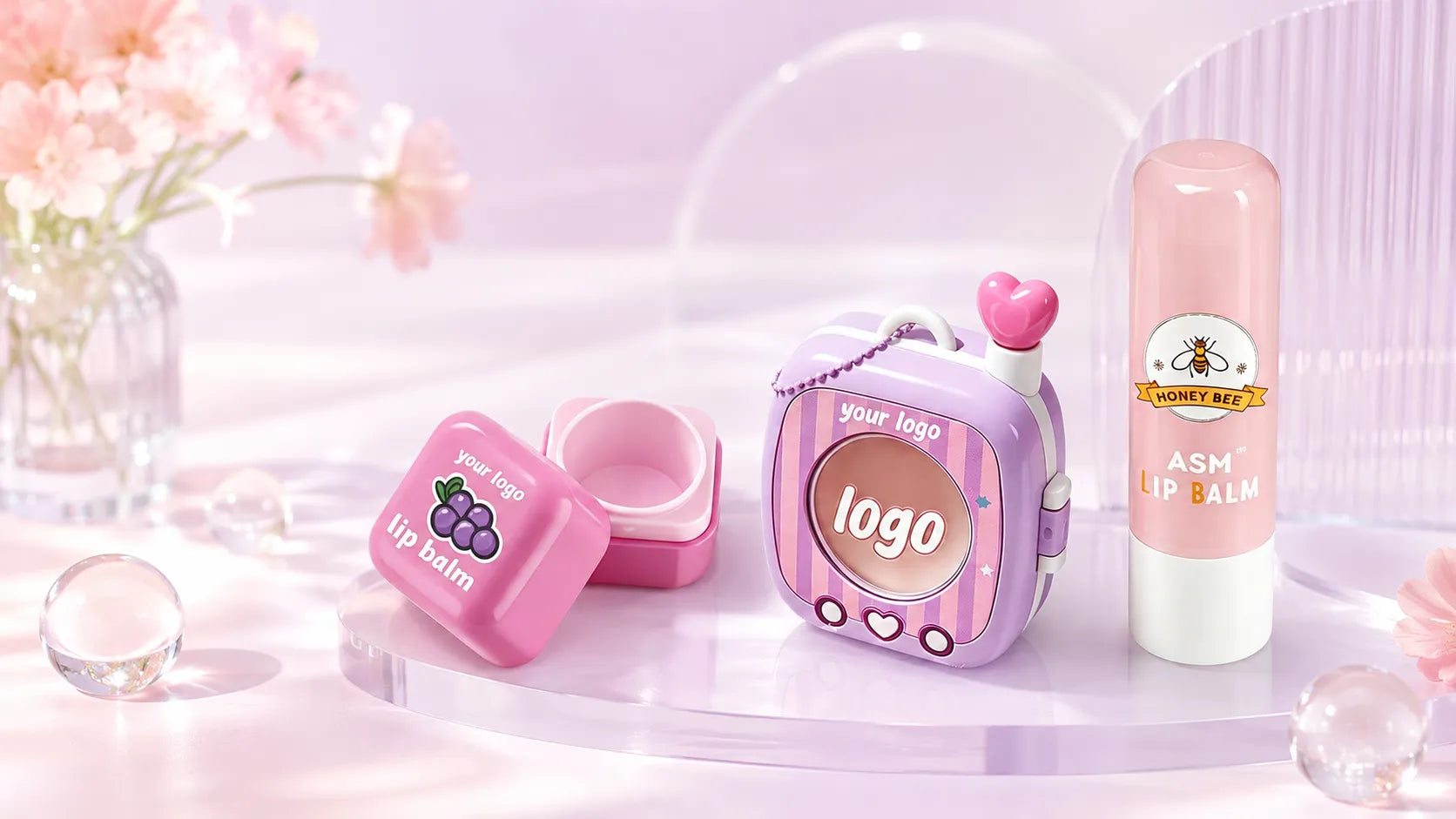
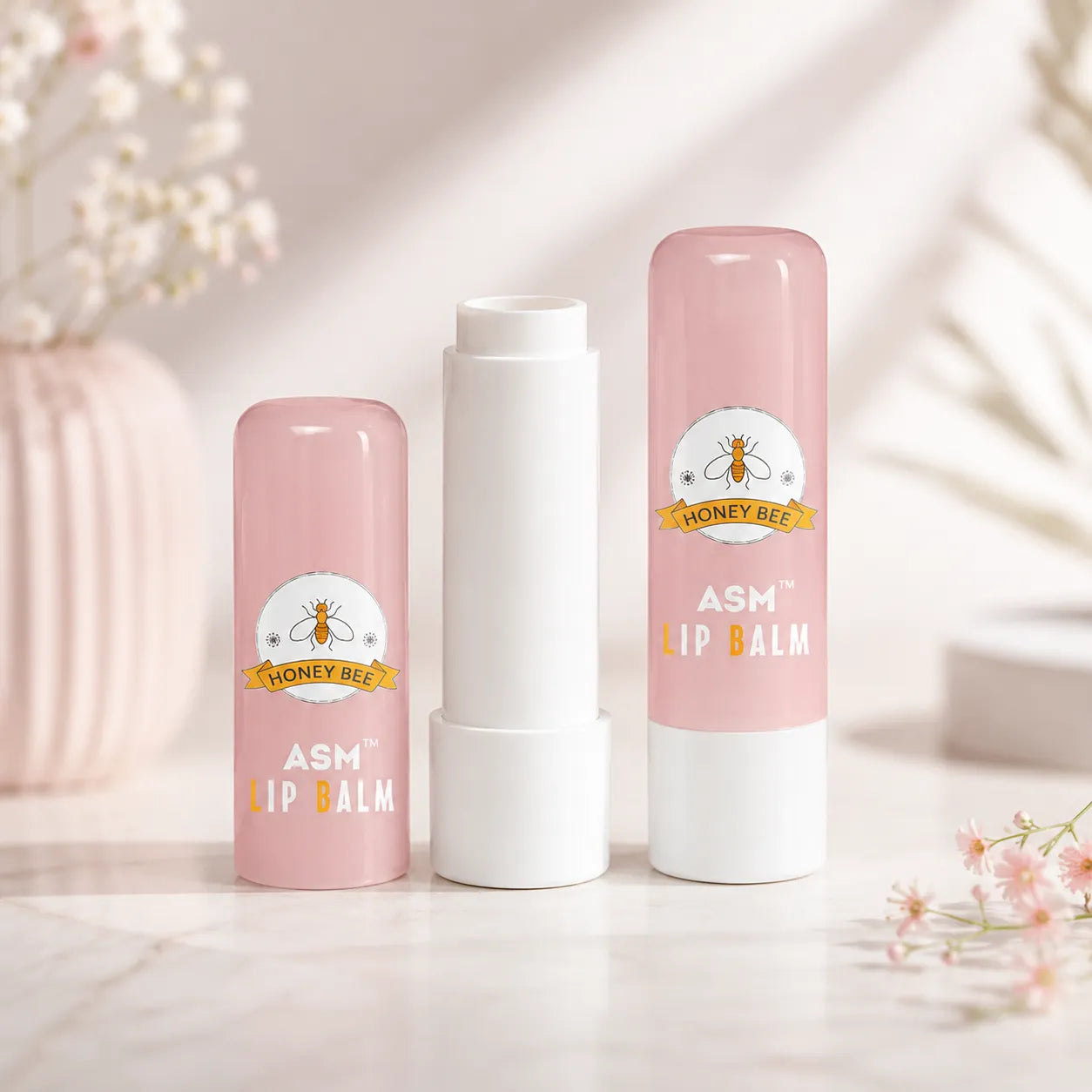
In cosmetic packaging, 3D printing is used to build color, pattern, and raised detail directly on the surface of selected components. It can create a layered visual effect for logos, decorative graphics, small icons, limited-edition patterns, or textured design areas.
Compared with simple one-color printing, this process gives the artwork more depth and surface presence. Before production, KAIYA reviews the packaging material, surface curve, print position, color effect, texture height, and edge clarity to confirm whether the design can be produced cleanly and consistently.
Visual & Tactile Characteristics
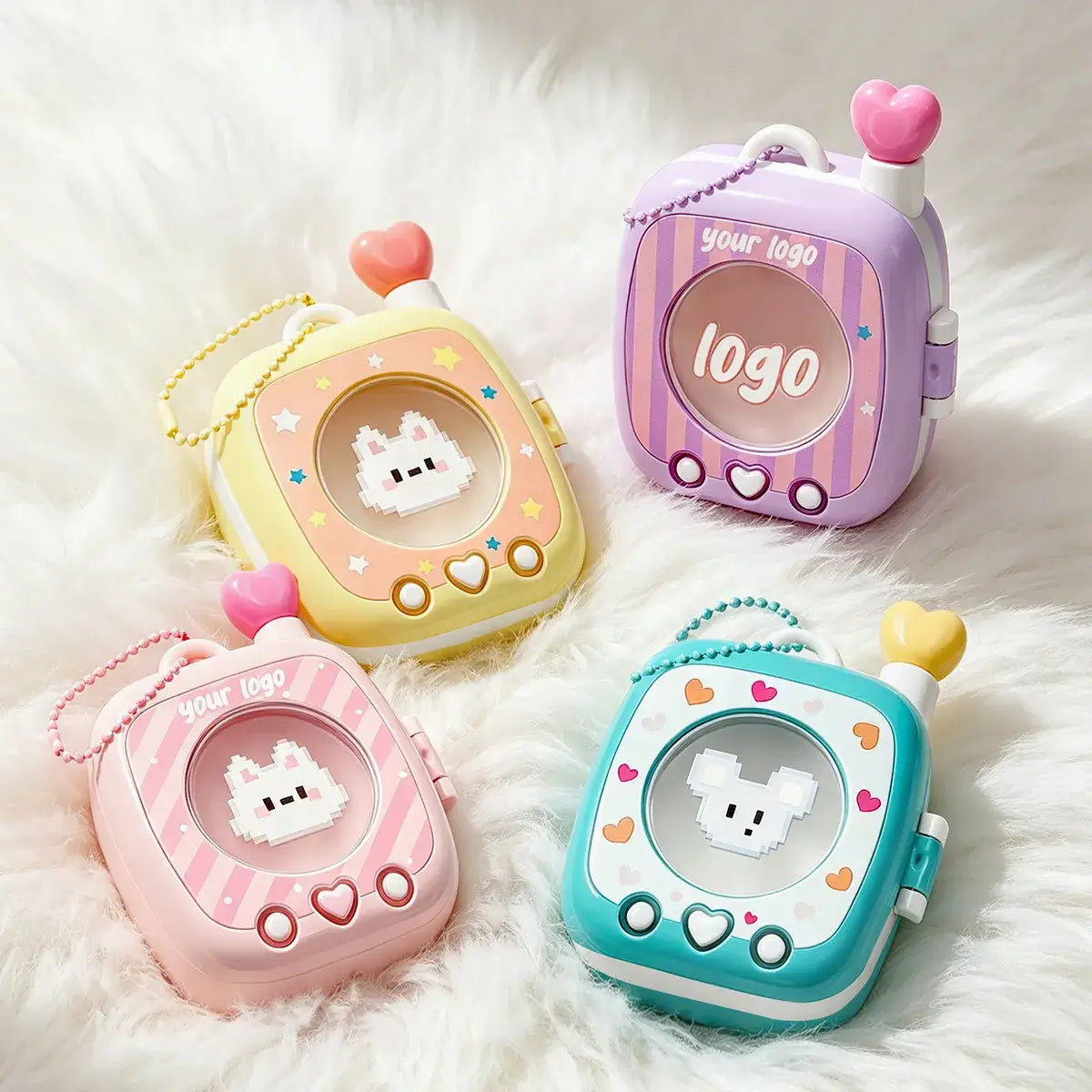
3D printing can create a more dimensional decoration effect than flat printing. Depending on the artwork and process setup, the final result may show raised lines, layered color, glossy details, or textured graphic areas that make the packaging feel more visually expressive.
For small makeup components, this process can help highlight a brand logo, icon, decorative pattern, or limited-edition graphic without changing the basic packaging structure. The final effect should still be checked through physical samples, because color, gloss, texture height, and edge clarity can change depending on the base material and surface finish.
Key Advantages
- Richer surface effect: 3D printing can add visual depth, raised detail, or layered color to selected decoration areas.
- Good for detailed artwork: It can support more complex graphics than simple one-color logo printing, especially for small decorative zones.
- Flexible for special projects: It can work well for limited-edition packaging, seasonal designs, cute makeup packaging, and small components that need stronger visual identity.
- Useful for comparison sampling: Brands can compare 3D printing with heat transfer printing, silk screen printing, hot stamping, or UV printing before choosing the final decoration route.
3D Printing vs Heat Transfer Printing: Cost and Effect Comparison
Both 3D printing and heat transfer printing can create colorful artwork on cosmetic packaging, but they fit different design goals.
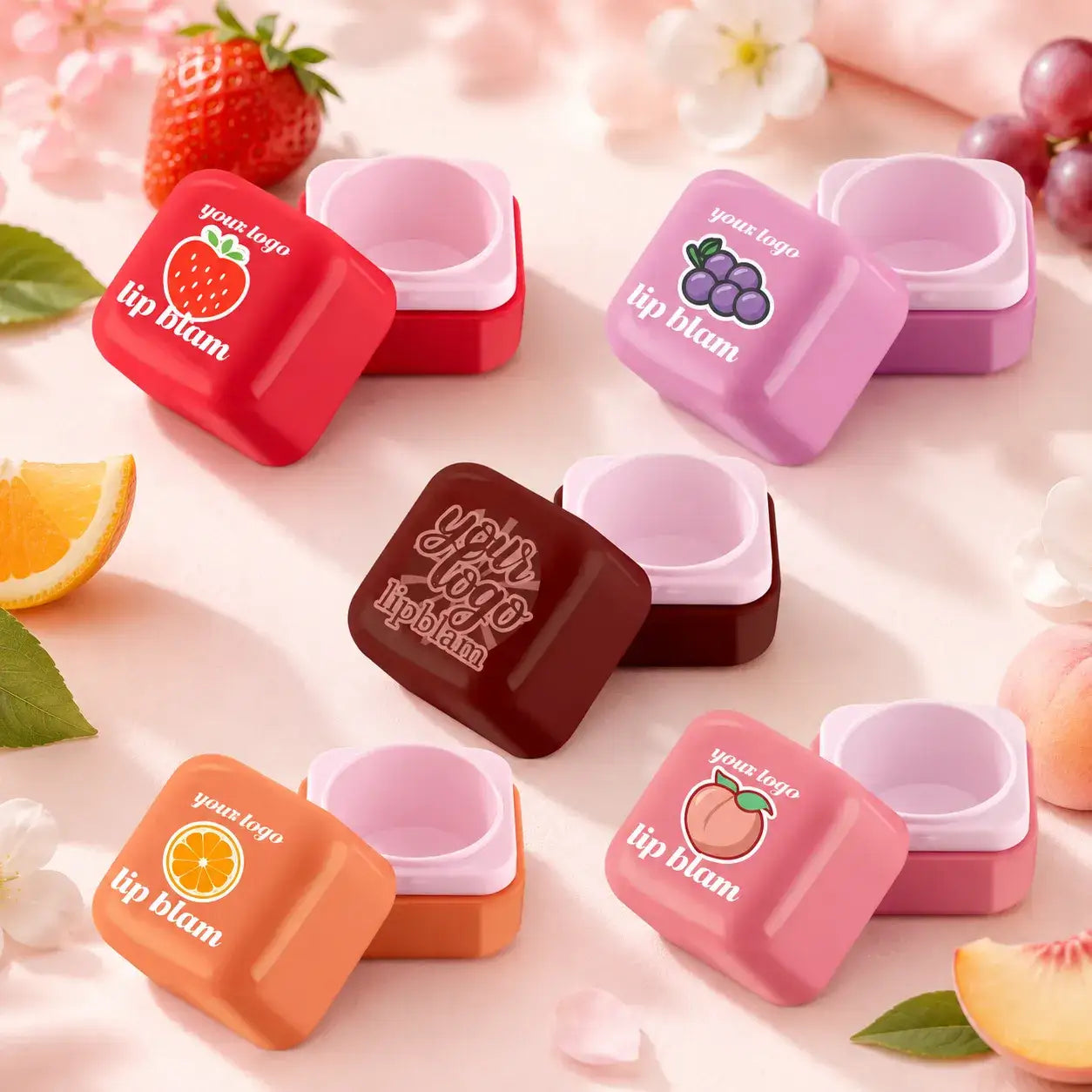
Heat transfer printing is usually more practical for larger multi-color graphics, repeated patterns, and wraparound artwork. It works well when the design needs rich color coverage across tubes, cups, bottles, or selected small containers, especially for larger production runs.
3D printing is better for raised logos, textured details, layered color accents, and localized artwork that needs more surface depth. The effect can look more dimensional, but the cost is usually higher, so it is best used where the added texture brings clear value to the packaging design.
Before sampling, buyers should compare artwork size, surface shape, color complexity, texture requirement, order quantity, and cost target. Full-pattern color coverage may suit heat transfer printing better, while localized raised detail may be better for 3D printing.
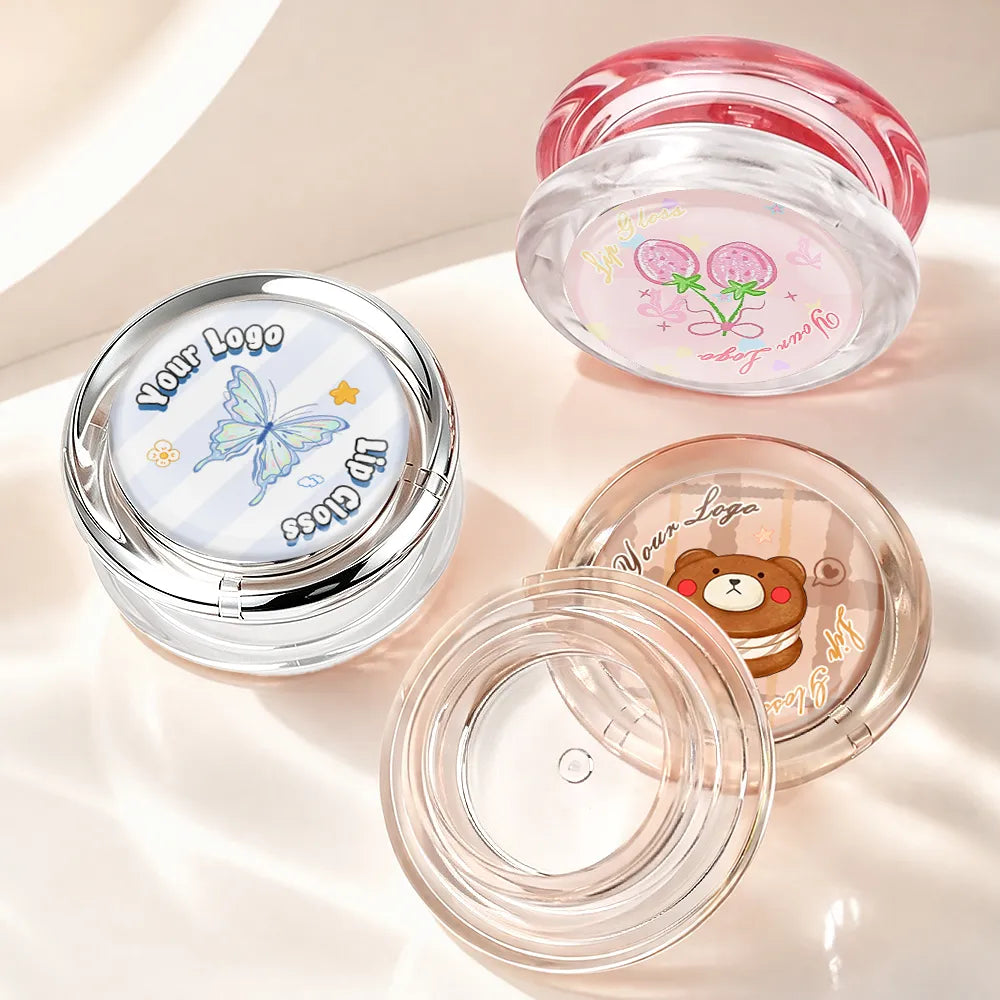
3D Printing
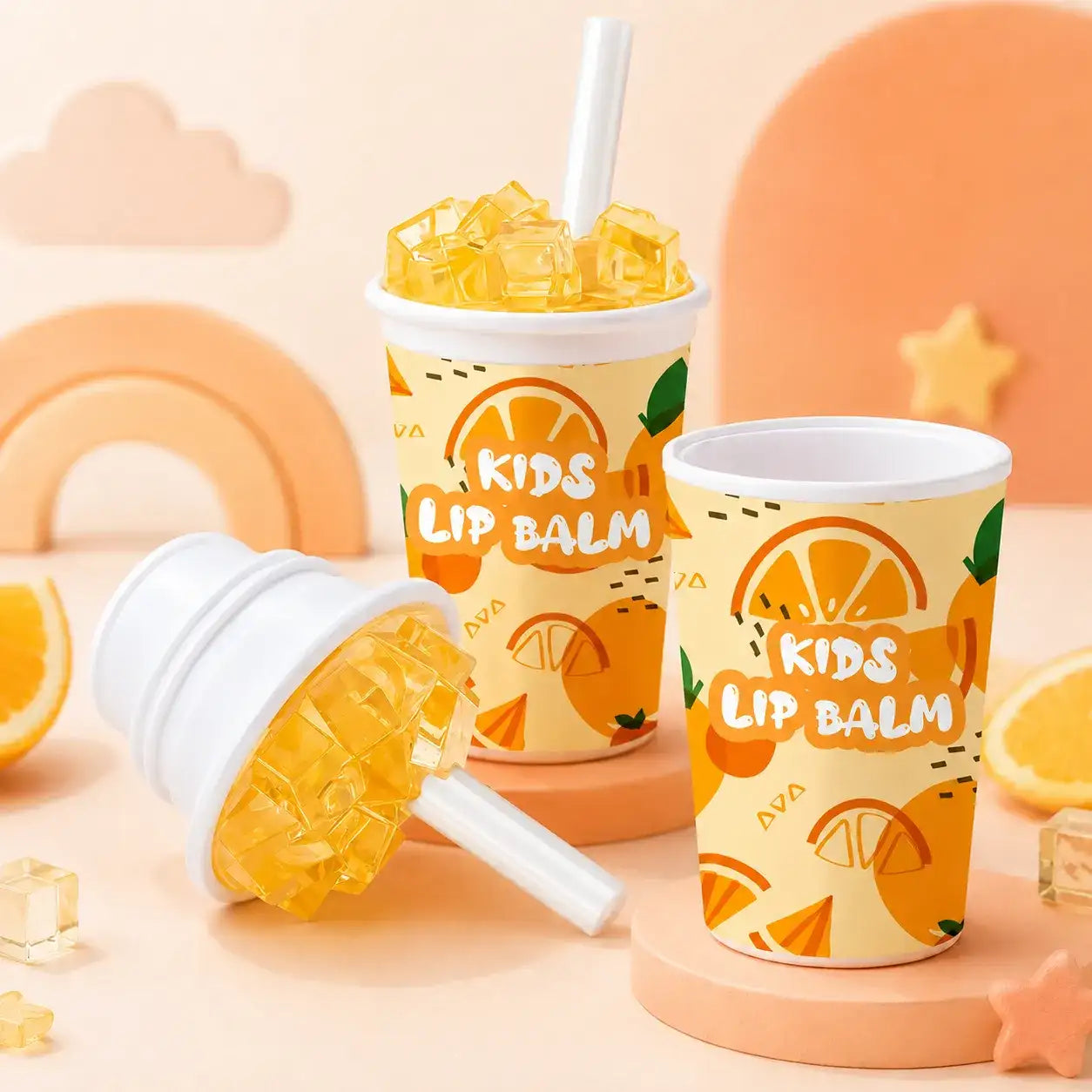
Heat Transfer Printing
Design Points to Check Before 3D Printing
Before using 3D printing on cosmetic packaging, brands should confirm whether the selected component surface can carry the artwork clearly. Curved tubes, narrow caps, glossy shells, soft squeeze tubes, and textured materials may all affect color accuracy, edge clarity, and texture height.
KAIYA reviews artwork size, print position, material compatibility, color layers, raised effect, surface adhesion, and expected durability before sampling. These checks help avoid unclear edges, weak adhesion, uneven texture, or decoration that does not fit the component shape.
Applications in Color Cosmetics
3D printing can be considered for selected color cosmetic packaging components such as lip gloss tubes, lip balm containers, squeeze tubes, compact lids, stick packaging, mascara tubes, eyeliner bottles, eyebrow tubes, decorative caps, and small cosmetic containers.
It is especially useful for cute makeup packaging, kids makeup packaging, seasonal collections, novelty designs, and limited-edition components where the surface artwork needs more expression. The process should be selected according to material, print area, detail level, order quantity, and cost target.


Working with Kaiya
KAIYA helps makeup brands evaluate whether 3D printing is suitable for their cosmetic packaging project. Buyers can share the packaging type, material, artwork file, target color effect, texture requirement, reference image, and estimated order quantity.
Our team can review 3D printing together with heat transfer printing, silk screen printing, hot stamping, vacuum metallization, UV printing, and other surface processes. This helps brands choose a process that looks good, controls cost, and remains practical for bulk production.
Frequently Asked Questions
Packaging Solutions
- 3D printing for cosmetic packaging is a surface printing process used to create colorful artwork, raised details, textured graphics, or dimensional visual effects on selected packaging components. It is mainly used for surface design rather than only for structural prototypes.
- For makeup packaging projects, KAIYA reviews material type, surface shape, print area, artwork size, color effect, texture height, and decoration durability before sampling. This helps brands decide whether 3D printing is suitable for the final packaging design.
- Heat transfer printing is usually better for larger colorful graphics, repeated patterns, and wraparound artwork because the design is transferred from a printed film onto the packaging surface. It is practical for tubes, cups, bottles, and selected small containers with multi-color artwork.
- 3D printing is more suitable for raised detail, textured logos, localized graphics, and dimensional surface effects. It can make selected design areas stand out more clearly, but the cost is often higher, so it should be used where the added texture improves the package.
- A brand can consider 3D printing when the packaging needs raised texture, layered color, a playful logo, detailed artwork, limited-edition graphics, or a more dimensional decorative effect. It is useful when flat printing does not create enough visual presence.
- Before choosing this process, brands should review the packaging material, surface curve, artwork size, texture height, color requirement, order quantity, and cost target. KAIYA can help compare 3D printing with other processes before sampling.
- Not always. 3D printing works better on selected surfaces where the artwork area, material, and shape can support clear decoration. Very narrow caps, strong curves, flexible squeeze tubes, or heavily textured materials may need extra testing before approval.
- For color cosmetic packaging, KAIYA can review whether 3D printing works for lip gloss tubes, lip balm containers, compact lids, stick packaging, mascara tubes, eyeliner bottles, eyebrow tubes, or decorative caps before moving into sample production.
- In many cosmetic packaging projects, 3D printing can be more expensive than heat transfer printing because it focuses on raised texture, detailed surface effects, and more customized decoration. Heat transfer printing is often more efficient for larger colorful graphics and repeated artwork.
- The final choice depends on the design purpose. If the brand needs full-pattern artwork, heat transfer printing may be more practical. If the brand needs localized raised detail or stronger texture, 3D printing may be worth considering.
- 3D printing works well for logos, icons, small patterns, raised lines, cute decorative graphics, limited-edition artwork, and selected texture effects. It is better suited for controlled design areas rather than very large complicated artwork that covers the full component.
- Before sampling, the artwork should be checked for line thickness, color layering, edge clarity, texture height, and print position. KAIYA can help review whether the design is suitable for 3D printing or whether another process would be more practical.
- Yes. 3D printing can be combined with other surface processes when the design needs multiple visual layers. For example, a package may use spray coating or vacuum metallization as the base finish, then apply 3D printing for raised artwork or selected decorative details.
- Combined processes need careful testing. KAIYA reviews material compatibility, coating adhesion, print position, curing result, and surface durability before confirming a multi-process decoration plan.
- Buyers can provide the packaging type, material, artwork file, target decoration area, color effect, texture requirement, reference image, and estimated order quantity. These details help KAIYA evaluate whether 3D printing is practical for the selected component.
- If the design goal can be achieved more efficiently through heat transfer printing, silk screen printing, hot stamping, vacuum metallization, or UV printing, KAIYA can also suggest a more suitable process before sampling.
Our Advantages
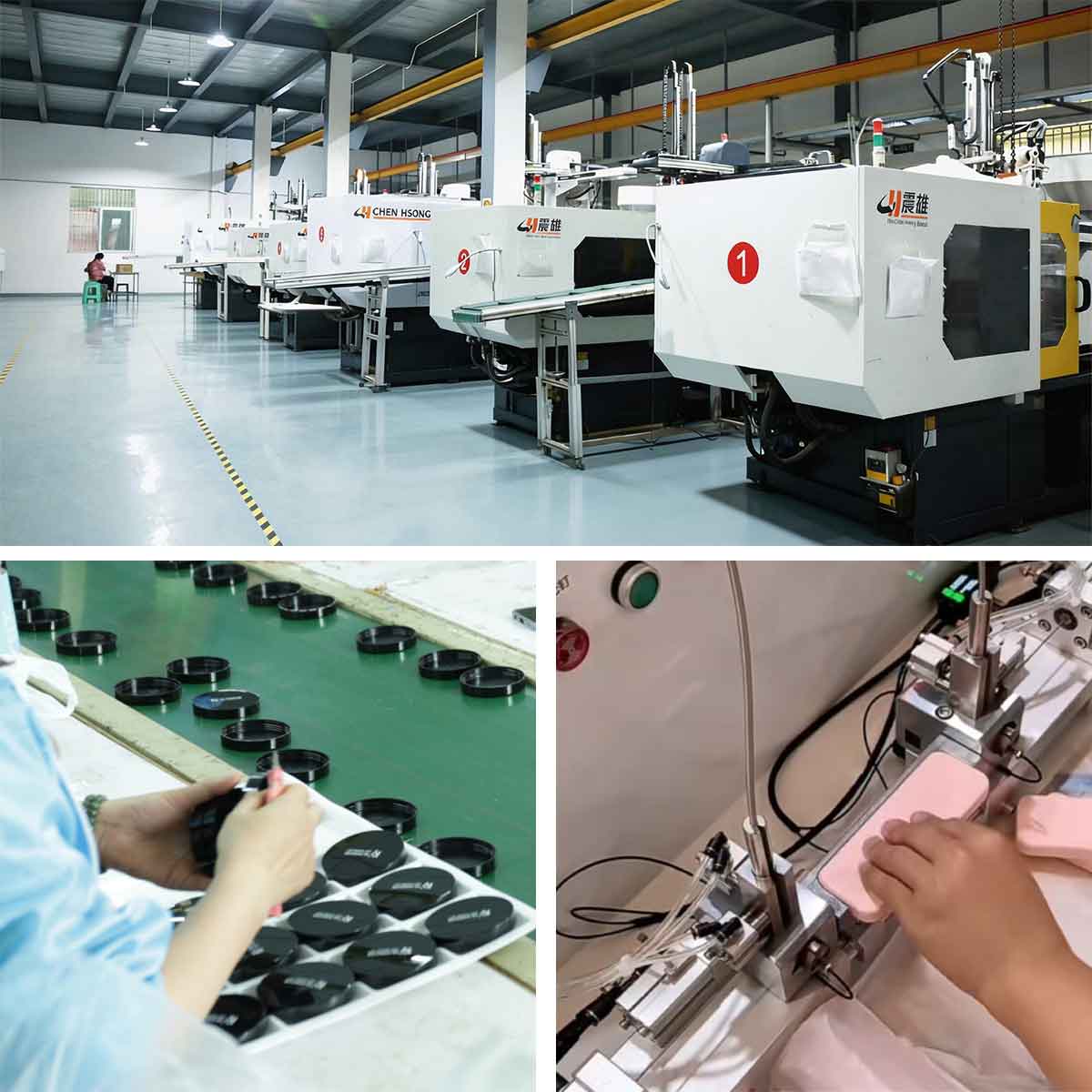
Custom Process
1.Custom Solution Design
Our team understands your brand vision to provide tailored concepts for custom cosmetic packaging .
2.Material Options
We offer diverse materials, including plastic, glass, bamboo,and specialized sustainable makeup packaging.
3.Quotation & Ordering
Flexible pricing for bulk cosmetic packaging based on your specific volume.
4.Production & Delivery
Strict coordination ensures efficient supply chain cosmetic packaging and on-time global shipping.
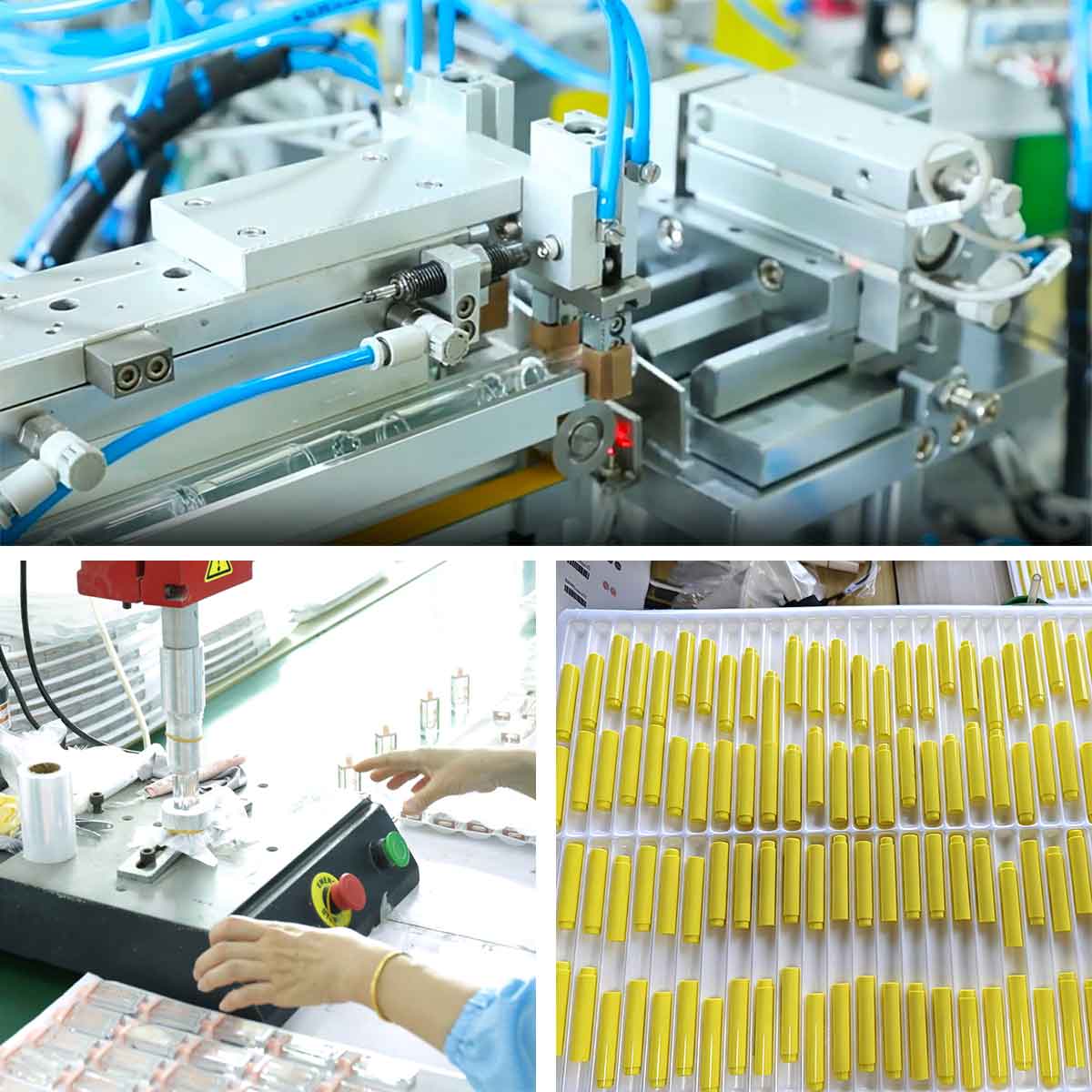
Quality Control
1.Material Inspection
We verify all incoming packaging components for safety and consistency.
2.Process Monitoring
Utilizing advanced inspections to ensure cosmetic packaging with lids manufactured to precise tolerances.
3.Product Testing
Conducting durability and leak-proof tests for all makeup packaging wholesale orders.
4.Quality Optimization
Analyze data to refine the cosmetic product development and manufacturing cycle.
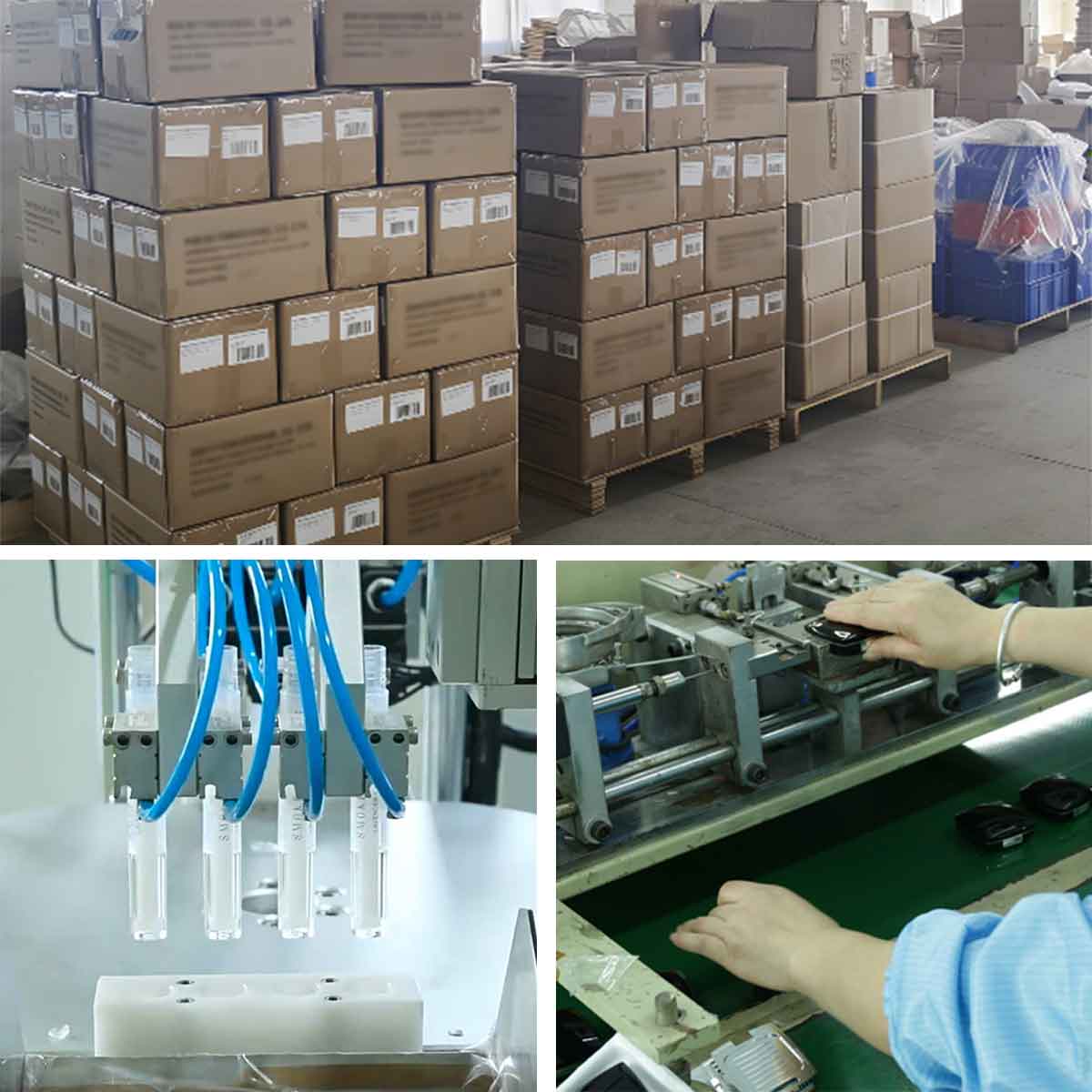
Direct Factory Supply
1.Cost Efficiency
Eliminate middlemen by working directly with our cosmetic factory for better margins.
2.Fast Delivery
Our facility handles large-scale wholesale makeup projects with rapid turnaround times.
3.Fabrication Capabilities
Equipped with automation for cosmetics manufacturing and high-precision molding.
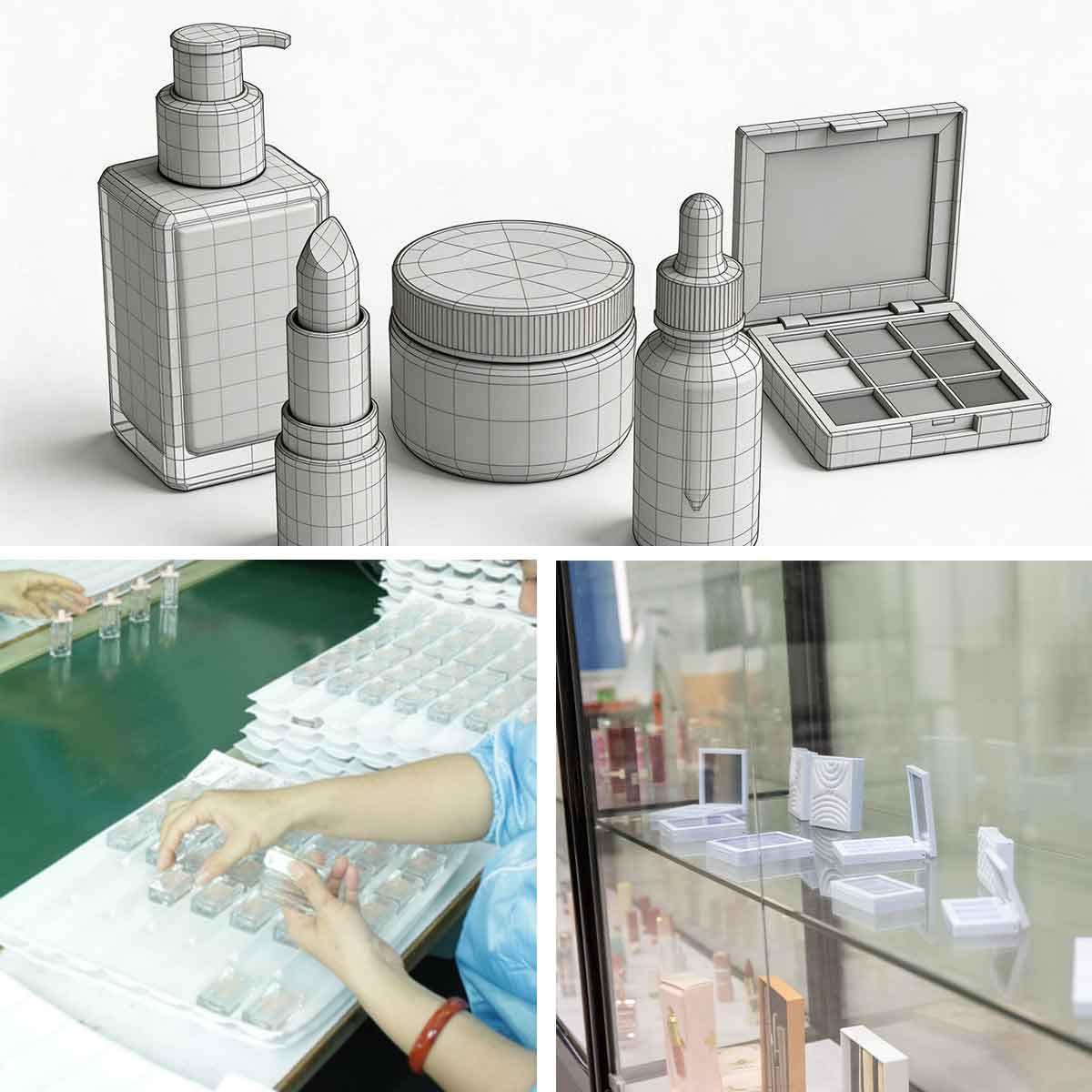
Custom Design
1.From Concept to Design
Turning sketches into detailed 3D models through our makeup packaging design service.
2.Tailored to Your Brand
Fully customizable features for private label makeup and versatile product requirements.
3.Complete Service
End-to-end turnkey cosmetics solutions from concept to final assembly.