How It Works
Heat transfer printing uses a pre-printed transfer film that carries the artwork, color layers, and adhesive layer. During production, the film is placed against the packaging surface, then heat and pressure are applied so the printed graphic bonds to the component.
After cooling, the carrier film is removed, leaving the design on the packaging surface. This process is suitable for artwork that needs more color detail than standard silk screen printing, including gradients, multi-color graphics, seasonal designs, and fine decorative patterns.
For B2B projects, the key is to confirm the transfer film, base material, surface coating, artwork position, and heat-pressure setting before bulk production. This helps reduce issues such as weak adhesion, edge distortion, or color mismatch.

Visual & Tactile Characteristics
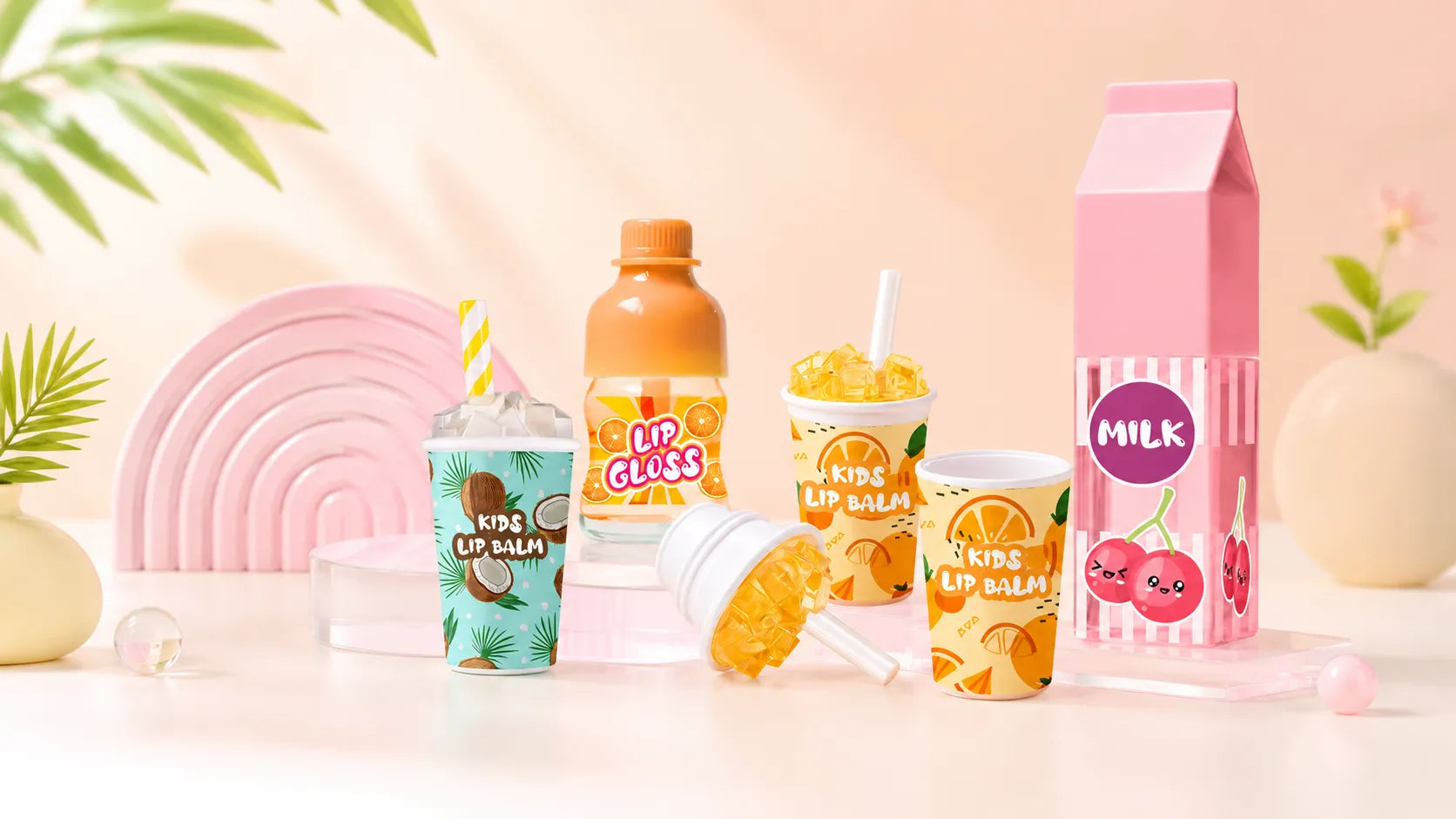
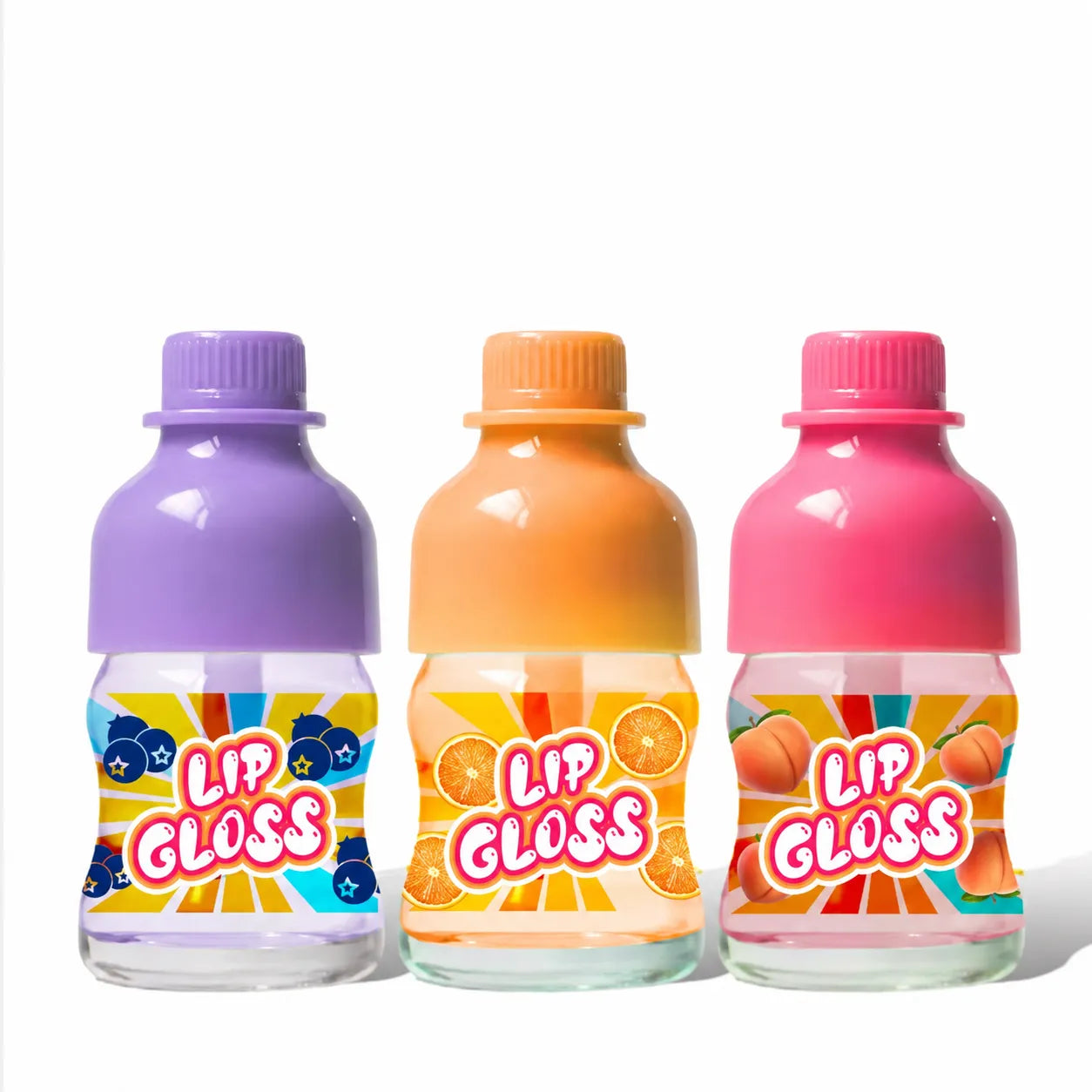
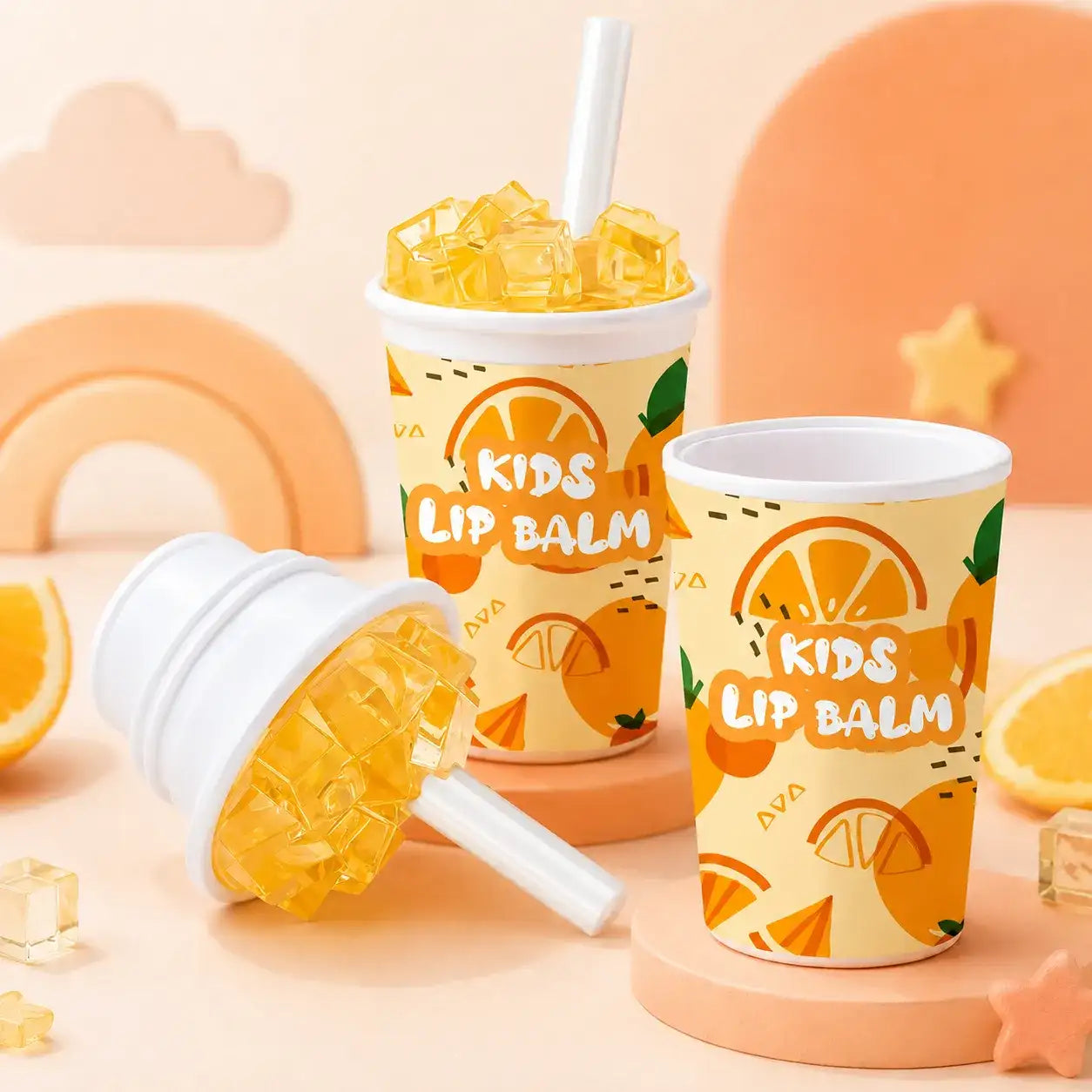
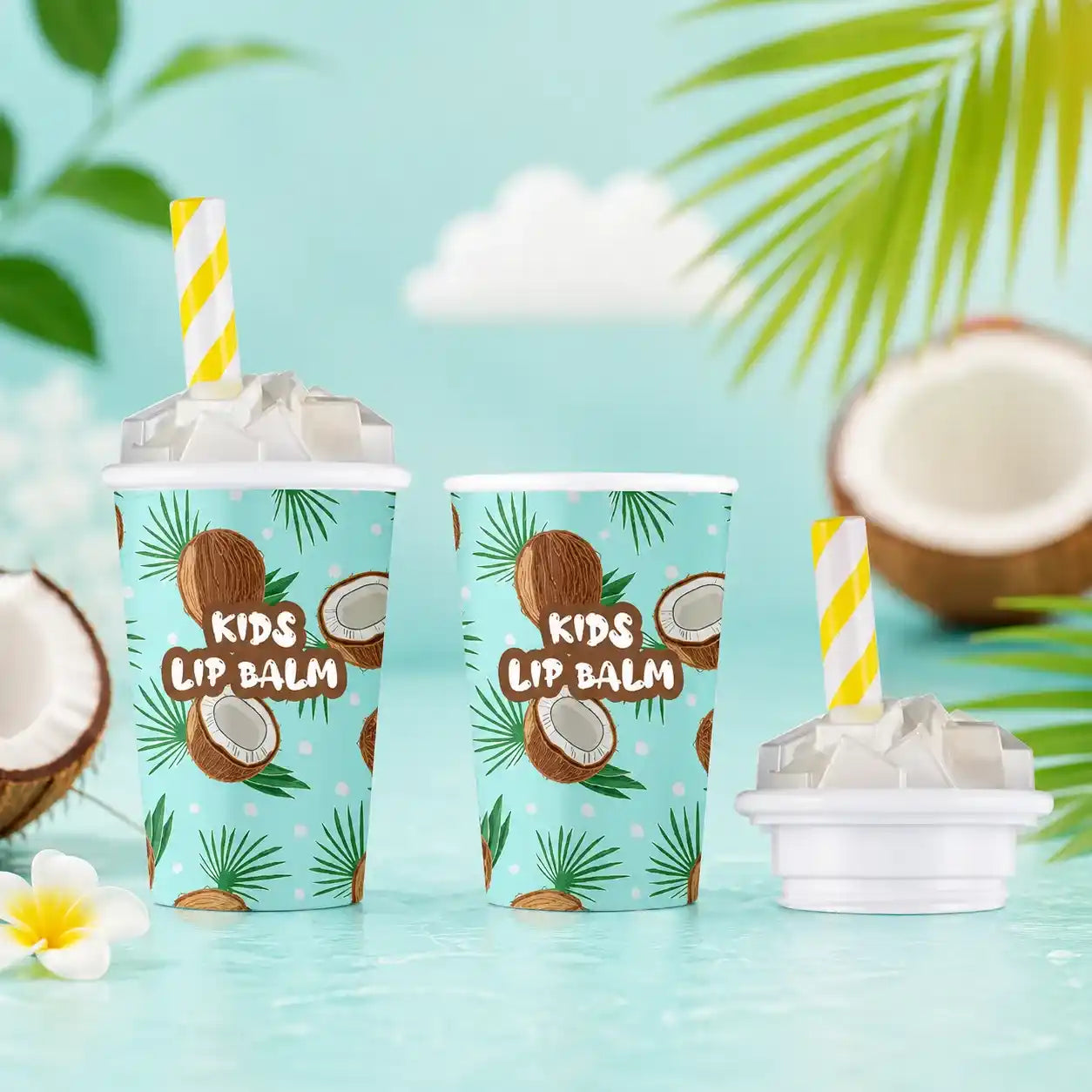
Heat transfer printing can create colorful, detailed, and smooth graphic effects on cosmetic packaging. It is suitable for gradients, layered patterns, fine lines, illustrations, and full-color artwork that may be difficult to achieve with single-color printing.
The transferred image sits close to the packaging surface, so the final touch is usually thin and smooth rather than raised. Depending on the protective coating, the finished effect can be glossy, matte, or softly reflective.
For makeup packaging wholesale projects, sample approval is important because the final effect depends on film quality, surface shape, base color, and alignment control.
Key Advantages
Full-color artwork: Heat transfer printing can support gradients, illustrations, patterns, and multi-color designs in one decoration step.
Clean surface effect: The transferred image stays close to the surface, creating a smooth and integrated finish.
Good repeatability: Once the transfer film and sample standard are confirmed, the design can be repeated more consistently in bulk production.
Useful for seasonal packaging: It is suitable for holiday collections, gift packaging, limited editions, and fast-updated visual themes.
Production efficiency: For suitable shapes and stable artwork, heat transfer can support high-speed cosmetic packaging decoration with strong visual output.
Design Points to Check Before Heat Transfer Printing
Heat transfer printing is not suitable for every packaging shape. It works best on flat, slightly curved, or regular surfaces where the film can contact the component evenly. Highly irregular shapes, deep grooves, sharp corners, or complex 3D surfaces may cause stretching, wrinkles, or incomplete transfer.
The artwork also needs to be checked before sampling. Very fine lines, edge-to-edge graphics, metallic effects, and full-wrap designs may require extra proofing to confirm alignment and color stability.
KAIYA can help review component shape, base color, surface coating, artwork size, film position, and durability requirements before mass production. This reduces the risk of approving a beautiful sample that is difficult to repeat in bulk.
Applications in Color Cosmetics
Heat transfer printing can be used on selected color cosmetic packaging components that provide enough decoration area, such as lipstick tubes, lip balm tubes, lip gloss caps, mascara tubes, compact lids, cushion cases, palette covers, blush compacts, cosmetic jars, and selected gift-set packaging.
For lip and eye packaging, it can add collection themes, cartoon-style graphics, or full-color decoration around caps and tube bodies. For face makeup packaging, it is often used on compact lids, palette covers, and powder cases where a larger flat area gives the artwork more space.
Among china high quality cosmetic packaging manufacturers, this process is useful for brands that need stable decorative effects across repeated production batches.

Column 1
Working with Kaiya
For cosmetics contract packaging projects, KAIYA can help review whether heat transfer printing fits the selected component, artwork style, order quantity, and decoration expectations before sampling.
Our team can coordinate packaging selection, surface preparation, printing tests, inspection standards, and bulk production planning. This helps buyers avoid treating decoration as a separate afterthought and makes the final package easier to repeat in production.
Buyers can share artwork files, reference images, packaging type, target quantity, and expected finish effect. KAIYA will review the practical printing solution before sampling.
Frequently Asked Questions
Packaging Solutions
- Heat transfer printing is suitable for multi-color graphics, gradients, repeated patterns, cartoon-style artwork, seasonal designs, and decorative collection themes. It is more useful than silk screen printing when the design needs richer color layers or a larger printed visual area.
- Very fine lines, edge-to-edge graphics, and full-wrap designs should be checked through samples before production, because alignment and film tension can affect the final result.
- Yes.
- Heat transfer printing can support makeup packaging wholesale projects when the artwork, transfer film, fixture, surface shape, and approved sample standard are stable. It is useful when the same full-color design needs to be repeated across a larger order quantity.
- For wholesale orders, KAIYA usually reviews color consistency, transfer position, edge clarity, adhesion, and surface durability before bulk production.
- Yes, but the curve should be regular and suitable for even film contact.
- Cylindrical tubes, caps, and selected bottle surfaces may work well, while deep grooves, sharp corners, raised details, or irregular 3D shapes may cause wrinkles, stretching, or incomplete transfer.
- Before production, KAIYA can help check whether the decoration area is practical for the selected component.
- Silk screen printing is better for clean logos, shade names, simple text, and solid color graphics.
- Heat transfer printing is better for full-color artwork, gradients, illustrated patterns, and decorative designs that need more visual detail.
- If the project only needs a small one-color logo, silk screen printing may be more practical. If the package needs stronger graphic storytelling, heat transfer printing may be the better choice.
- Not always.
- Some packaging surfaces can receive heat transfer directly, while others may need spray coating to create a smoother base color or better visual background. The decision depends on the packaging material, surface finish, base color, and artwork effect.
- For some projects, spray coating is used first, heat transfer printing is applied next, and a protective top coat may be added afterward.
- Heat transfer printing can be durable when the transfer film, surface preparation, temperature, pressure, and curing conditions are properly controlled.
- For daily-use cosmetic packaging, buyers should check whether the printed area can resist normal handling, light rubbing, packing friction, and storage conditions.
- For projects that need stronger surface protection, KAIYA can review whether an additional top coat or UV coating is needed after printing. Sample testing is important before bulk production, especially for products that may be carried in bags, handled frequently, or shipped in large quantities.
- Buyers should check color accuracy, artwork position, edge clarity, surface adhesion, scratches, wrinkles, bubbles, missing areas, and whether the pattern looks distorted on curved surfaces. These details are more important than only checking whether the design “looks pretty” in photos.
- For B2B orders, sample approval should confirm both appearance and repeatability before mass production.
- Yes.
- For cosmetics contract packaging projects, heat transfer printing can be coordinated with packaging selection, surface coating, artwork adjustment, decoration testing, assembly, and bulk order planning.
- This is useful when a brand wants one supplier to help manage the packaging structure and decoration process together instead of treating printing as a separate step.
- China high quality cosmetic packaging manufacturers should control transfer film quality, base surface condition, temperature, pressure, fixture stability, artwork alignment, and post-print inspection.
- These factors affect whether the final print is clear, well-positioned, and stable across bulk production.
- For KAIYA projects, physical samples are usually needed before confirming large-scale production.
- Buyers should provide artwork files, logo files, reference images, target decoration area, packaging type, base color preference, order quantity, and expected finish effect.
- If the design includes gradients, full-wrap artwork, or complex patterns, it is better to provide clear layout references.
- KAIYA can then review whether heat transfer printing is practical or whether silk screen printing, UV printing, hot stamping, or labels would be more suitable.
Our Advantages
Custom Process
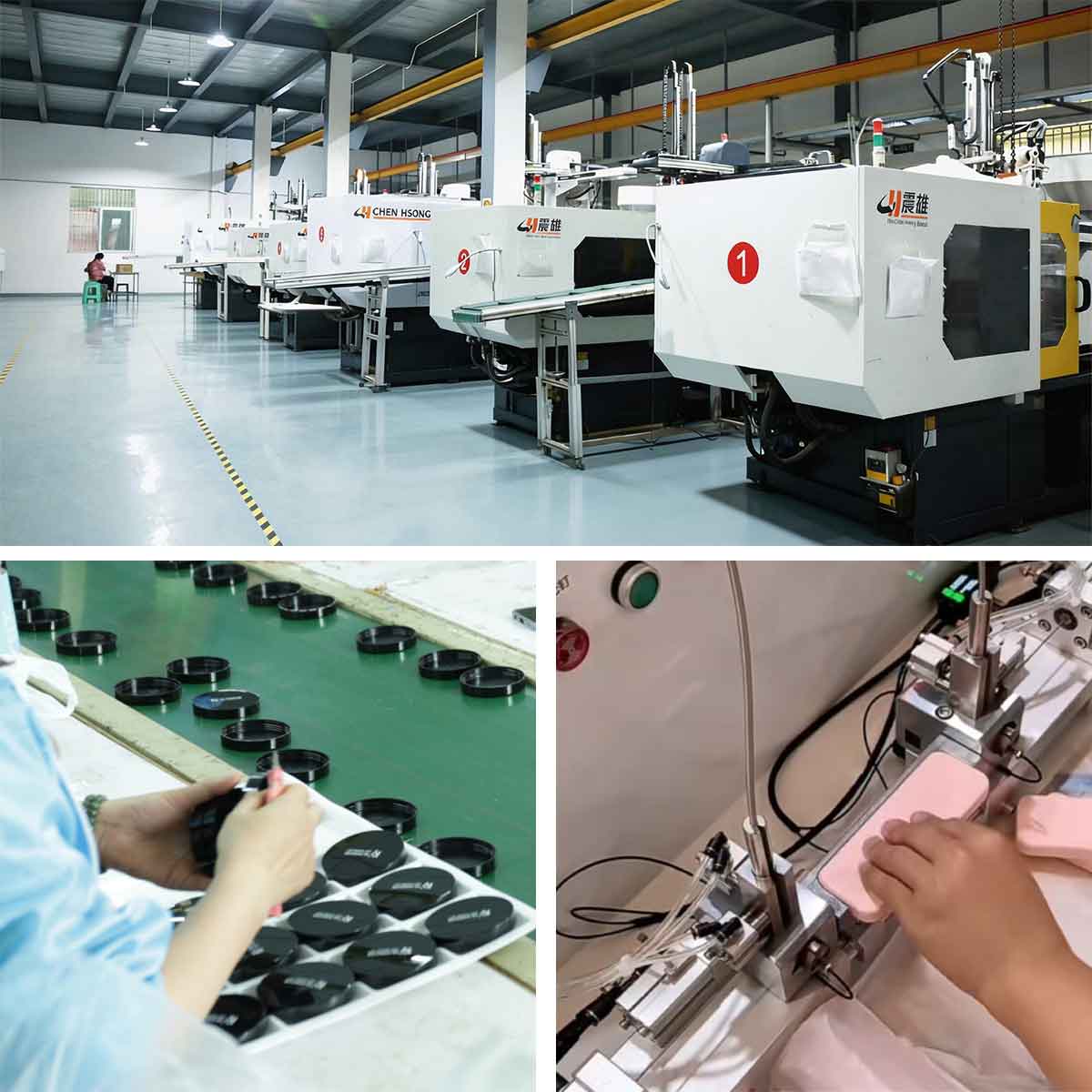
1.Custom Solution Design
Our team understands your brand vision to provide tailored concepts for custom cosmetic packaging .
2.Material Options
We offer diverse materials, including plastic, glass, bamboo,and specialized sustainable makeup packaging.
3.Quotation & Ordering
Flexible pricing for bulk cosmetic packaging based on your specific volume.
4.Production & Delivery
Strict coordination ensures efficient supply chain cosmetic packaging and on-time global shipping.
Quality Control
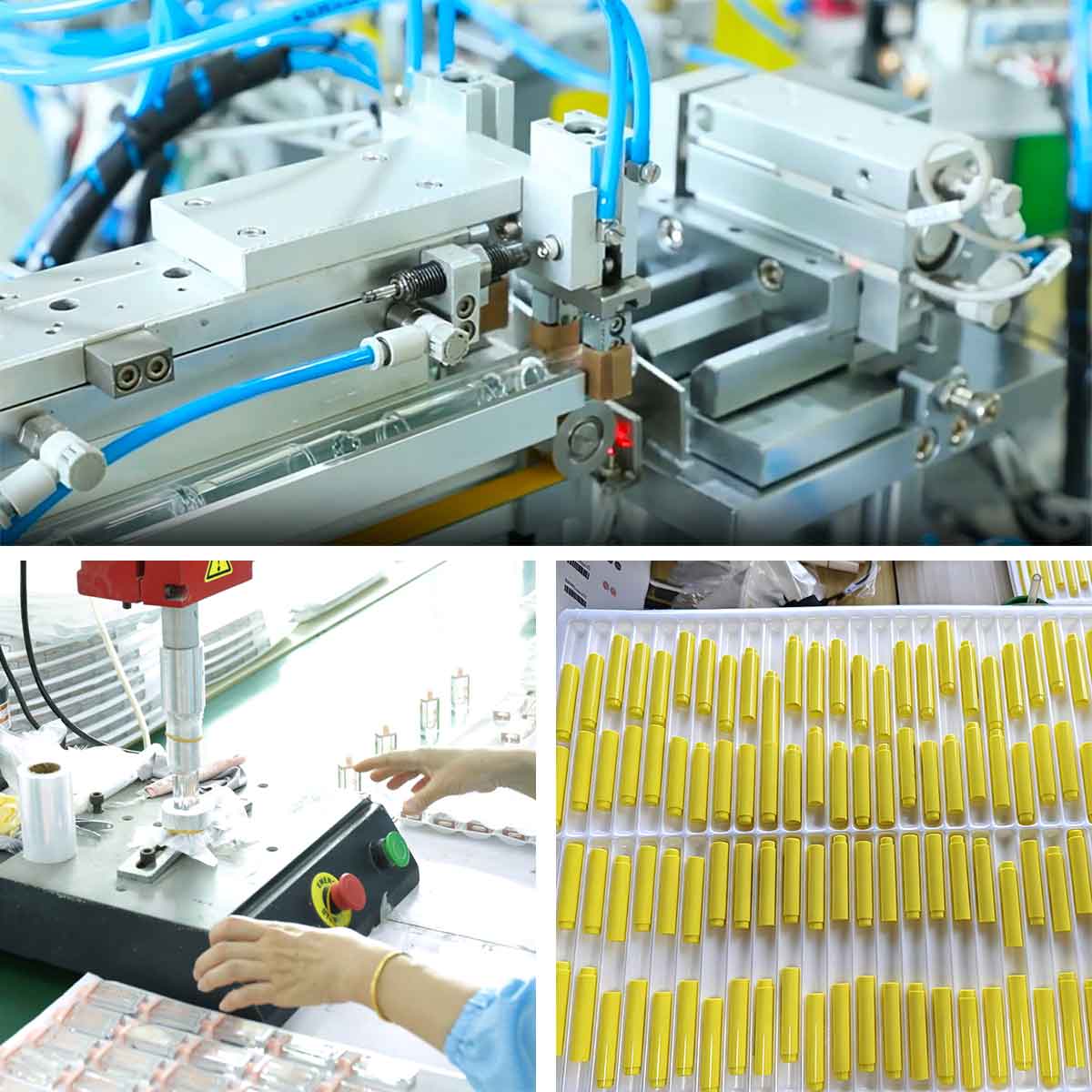
1.Material Inspection
We verify all incoming packaging components for safety and consistency.
2.Process Monitoring
Utilizing advanced inspections to ensure cosmetic packaging with lids manufactured to precise tolerances.
3.Product Testing
Conducting durability and leak-proof tests for all makeup packaging wholesale orders.
4.Quality Optimization
Analyze data to refine the cosmetic product development and manufacturing cycle.
Direct Factory Supply
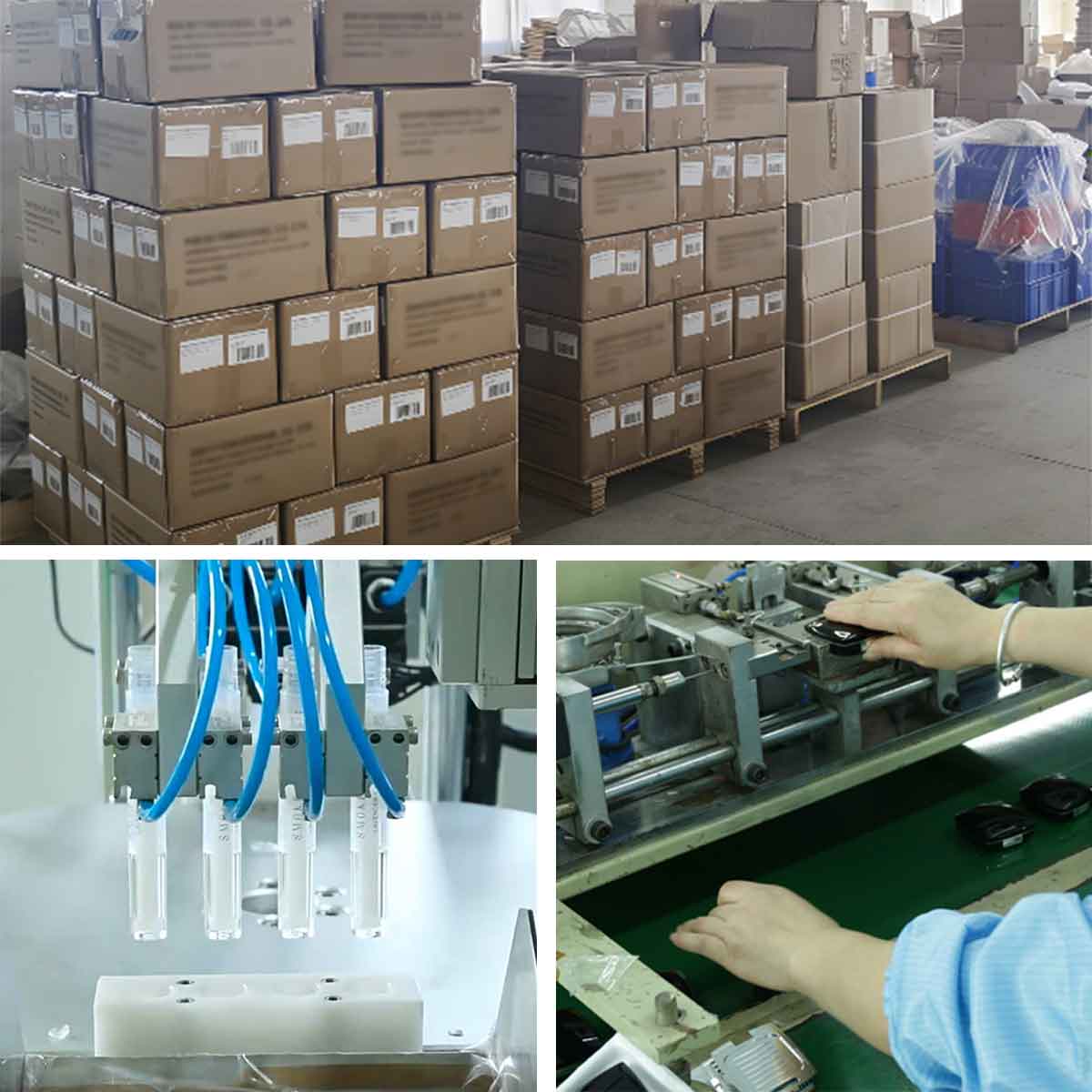
1.Cost Efficiency
Eliminate middlemen by working directly with our cosmetic factory for better margins.
2.Fast Delivery
Our facility handles large-scale wholesale makeup projects with rapid turnaround times.
3.Fabrication Capabilities
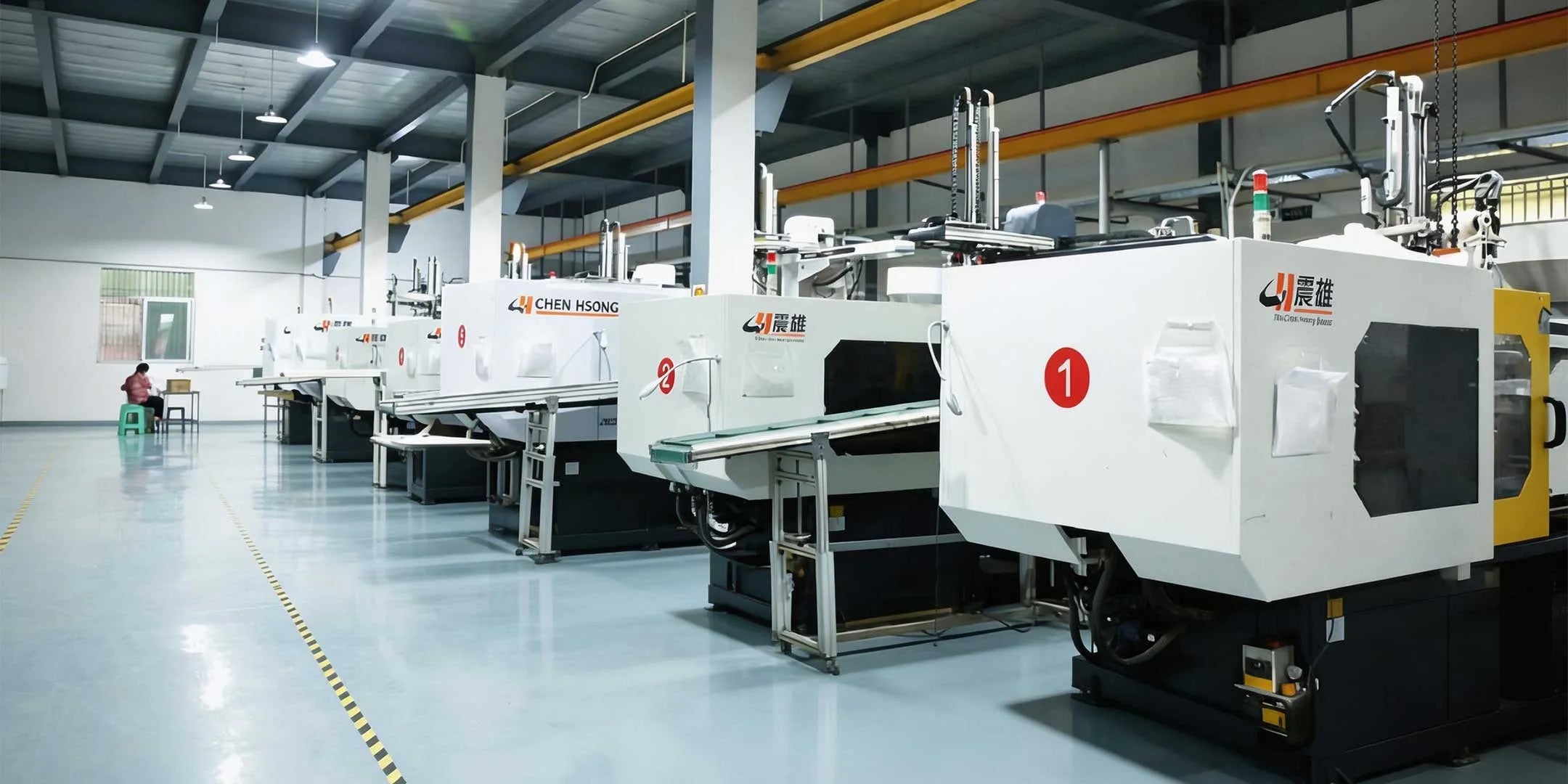
Equipped with automation for cosmetics manufacturing and high-precision molding.
Custom Design
1.From Concept to Design
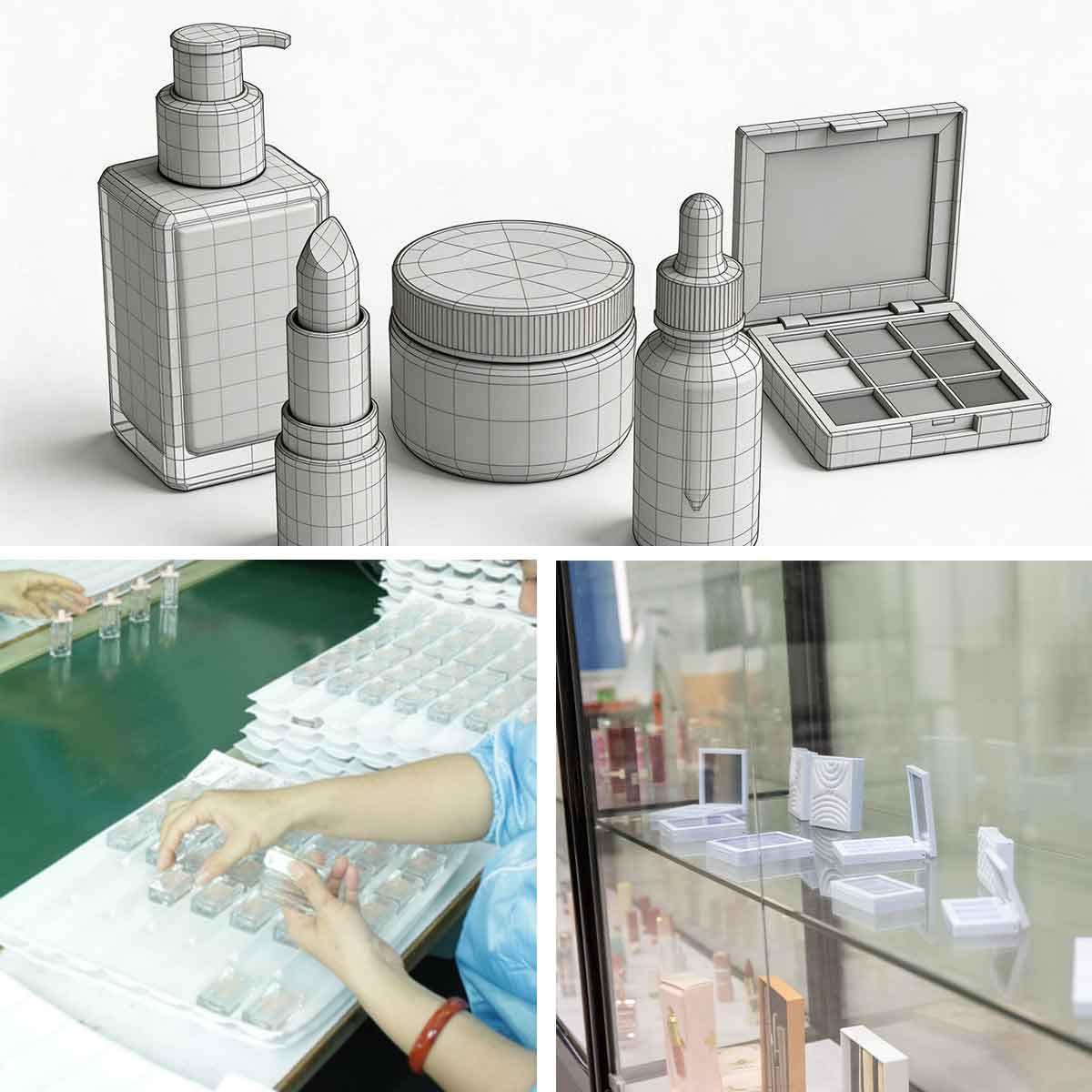
Turning sketches into detailed 3D models through our makeup packaging design service.
2.Tailored to Your Brand
Fully customizable features for private label makeup and versatile product requirements.
3.Complete Service
End-to-end turnkey cosmetics solutions from concept to final assembly.