A cosmetic jar can be the right packaging answer for makeup, but only when the jar matches the way the product is actually supposed to be used. That sounds obvious, yet many jar projects still start from appearance: a brand likes the look of a clear jar, a frosted jar, or a heavier glass jar, and only later asks whether the formula, size, closure, and transport logic really support that choice. In practice, that sequence creates avoidable revisions.
At KAIYA, a guide to choose cosmetic jar for make up starts with six practical checks: what formula is going into the jar, how much product the user is realistically expected to pick up each time, what size range makes sense for the category, whether clear or opaque walls are better, whether a spatula or applicator should be included, and how the jar will behave during shipping and repeat orders. When those six points are clear, the jar route becomes much easier to judge against tubes, sticks, compacts, or bottles.

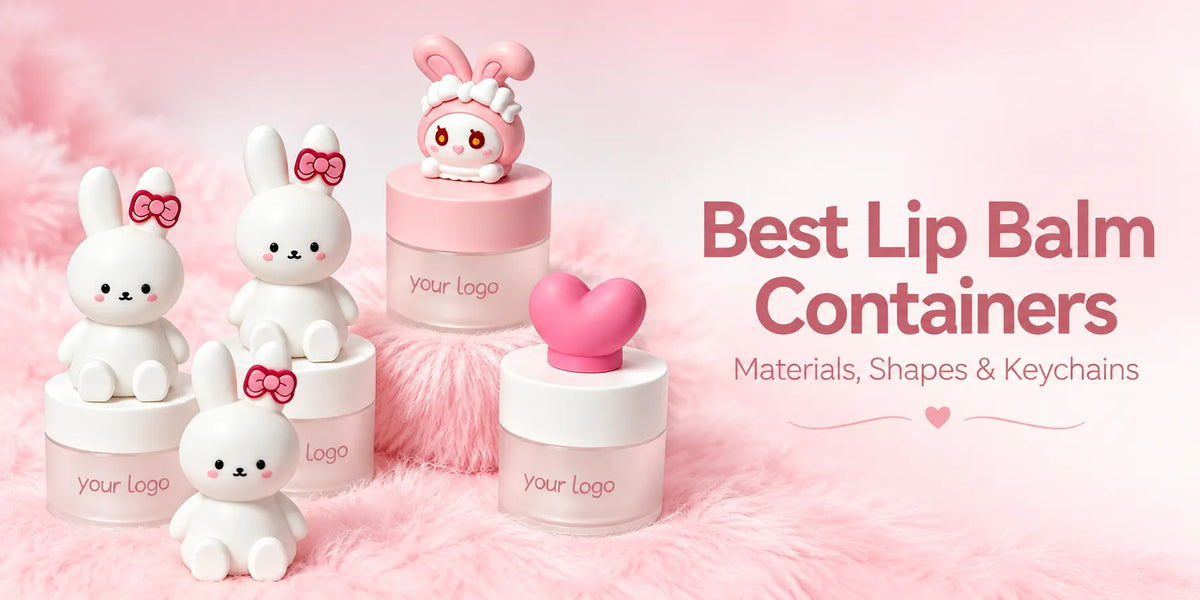
This article focuses on small-format color-cosmetics and lip-related makeup packaging, not on large skincare cream jars. In other words, the goal is to decide how a small cosmetic jar should work for lip balm, lip mask, lip scrub, loose powder, and selected makeup-adjacent concepts where jar access is part of the product logic.
- Quick screening framework:
- 1. confirm the formula really benefits from open access;
- 2. check whether the size still fits a small makeup category;
- 3. decide if the formula should be visible or visually hidden;
- 4. compare plastic and glass by transport reality, not by image alone;
- 5. decide whether a spatula improves the ritual;
- 6. check sealing and thread stability before the project moves too far into decoration.

1. First Decide Whether the Formula Truly Benefits from Open-Access Use
The first question is not size or color. It is whether the formula benefits from open access. Jars are most useful when the product is meant to be scooped, patted, or collected from a broader surface. That usually fits richer balm textures, mask textures, scrub textures, and selected loose powder systems more naturally than highly controlled liquid or direct-application categories.
This is why KAIYA normally compares a jar route against cosmetic jar packaging logic first. If the product needs open access to feel credible, the jar may be right. If the product needs clean dispensing, one-hand use, or direct skin application without finger contact, the project often becomes stronger in cosmetic tube packaging, cosmetic stick packaging, or even a compact route instead.

2. Size Range Usually Tells You Whether the Jar Route Is Realistic
- What to check first: does the jar still feel like a small-format makeup item, or has it already drifted toward a skincare-sized format?
Size is one of the quickest ways to tell whether a jar route is still in the right category. In small-format color cosmetics and lip-related makeup, many practical jar programs sit in relatively compact size bands such as 3g, 5g, 8g, 10g, or 15g. Those sizes usually feel believable for lip balm, lip mask, lip scrub, and some travel or mini concepts. Once the jar becomes much larger, the format often starts moving away from small color-cosmetics behavior and toward a skincare rhythm instead.

That does not mean a bigger jar is automatically wrong. It means the brand should ask whether the user expects a small, portable, frequent-use item or a slower, more treatment-led product. A lip product in a 5g or 10g jar often supports a realistic carry-and-reuse pattern. A much larger jar may feel less portable and less aligned with the buying expectation of the category. This is one reason KAIYA usually checks size very early instead of treating it as a later detail.
3. Match Jar Size to Product Pick-Up Behavior, Not Only Fill Weight
The same fill weight can behave very differently in different jar proportions. A wide, low-profile jar may feel more premium and easier to access, but it can also make the product feel “used up” visually more quickly. A taller and narrower jar may protect the formula better visually, but it can make finger or spatula access less comfortable. That is why KAIYA usually checks not only nominal fill weight, but also how the user is expected to pick up the formula.
For lip balm and lip mask routes, the jar should usually allow controlled small pick-up without making the user dig too deeply. For lip scrub, the opening often needs to feel slightly more generous because the texture is thicker and the pickup amount is usually higher. For a loose powder jar, the proportion has to work with the sifter architecture rather than with direct finger access. So the size discussion is really about product interaction, not just about how many grams can fit inside.

4. Clear, Frosted, or Opaque: Visibility Should Follow the Formula Story
- Ask one simple question: does seeing the formula help sell the product, or does it only create more visible wear?
Transparency is another decision that brands often treat too visually. A clear jar can be very effective when the formula itself is part of the selling point, such as a glossy lip mask, a tinted balm, a textured scrub, or a powder where seeing the product increases trust. In those cases, visibility becomes part of the retail value. But clear packaging also makes scratches, product residue, wall marks, and color inconsistency more visible, so it needs stronger finish discipline.

A frosted jar can soften some of that exposure while still keeping a more display-led look. An opaque jar is often stronger when the brand wants a cleaner premium appearance, less visible residue, or stronger visual consistency across a larger line. At KAIYA, this decision is usually made by asking whether the formula should be seen, suggested, or hidden. If visibility is not adding real selling power, the clear route may simply create more maintenance pressure without adding enough value.
This is one reason jar selection often overlaps with plastic cosmetic packaging and selected glass cosmetic packaging planning. The question is not just whether the jar looks attractive. It is whether the material and wall treatment support the formula story honestly in day-to-day use.
5. Plastic or Glass: Choose by Transport Logic as Well as Shelf Feel
For many small makeup jar projects, plastic remains the more practical route. It is easier to scale, easier to ship, and often more forgiving across multiple SKUs. It can also support clear, frosted, and opaque treatments without pushing transport risk too high. That is why plastic jars are often the stronger base route for lip balm, lip mask, lip scrub, and other small-format programs where reorder practicality matters.
Glass jars can still make sense, especially when the brand wants more tactile weight, a more serious premium cue, or a more elevated visual impression for a selected concept. But the commercial question should always be: does the product gain enough from glass to justify the extra transport sensitivity? In smaller color-cosmetics categories, the answer is often yes for some hero products and no for many routine products. A heavier jar may feel luxurious in hand and still be the wrong choice if it complicates shipping too much for the actual price position of the product.

6. Viscosity Should Shape Both Jar Choice and Closure Choice
One of the most practical jar questions is whether the formula is soft, semi-solid, thick, grainy, waxy, whipped, or powder-based. A thinner semi-fluid formula can look attractive in a jar and still become messy at the thread area if the closure route is not chosen carefully. A very thick balm may need a wider opening and more stable cap behavior. A scrub texture may require stronger residue tolerance at the neck and inside the lid. A loose powder jar may need a sifter-led system instead of direct product access.

This is why KAIYA usually treats viscosity as a structural question, not just a formula question. If the formula is highly viscous, the jar needs to feel easy enough to access without becoming messy. If the formula is softer or more flowable, the jar has to protect against migration around the cap area. When that match is wrong, brands often spend too much time trying to fix “messiness” through decoration or secondary packing rather than through the jar structure itself.
7. Decide Early Whether a Spatula or Accessory Is Necessary
Not every jar needs a spatula, but some jar categories become much more credible when one is included. For example, lip mask routes often benefit from a small spatula because it makes the product feel cleaner and more deliberate in use. Some richer balm or scrub products can also become easier to position when the user does not have to apply the formula directly with fingers from the first interaction. By contrast, some very small everyday balm jars may become less convenient if the accessory creates more complexity than value.

This is where the brand should decide what kind of user ritual it wants. If hygiene, premium feel, and cleaner pickup are important, a spatula or accessory should be considered early so the total pack layout can support it. If the product is meant to feel easy, casual, and highly portable, the jar may be better without extra tools. The key is that the accessory should improve the use story, not just make the product look more luxurious in a sample photo.
8. Check Sealing, Thread Fit, and Transport Risk Before Sampling Too Far
Do not treat the jar as “simple” just because it has fewer moving parts.
Jar formats are often underestimated in logistics because they look mechanically simple. In reality, smaller cosmetic jars still depend on thread fit, cap consistency, neck cleanliness, liner or sealing strategy where relevant, and how the finish behaves after carton movement. A jar that looks fine in one hand sample can become less convincing once it is packed in volume, moved in transit, and reopened after transport.
This is one reason KAIYA usually brings jar decisions back to delivery and repeat-order logic quite early. A small jar should not only look correct for the category. It should still arrive cleanly, open cleanly, and support a stable second or third order without changing how the product feels in use. That matters as much for a small lip mask or scrub jar as it does for any larger concept.

9. Final Guidance: Use a Jar Only When It Solves a Real Product Need
A good guide to choose cosmetic jar for make up should end with one practical rule: use a jar only when the product genuinely becomes more believable, more usable, or more commercially clear because of it. If the formula benefits from open access, richer texture logic, visible product display, or a slower treatment-like ritual, the jar may be the right route. If the product needs stronger dispensing control, faster portability, or cleaner one-hand use, another format may still be the better answer.
If your team is comparing jar formats for lip balm, lip mask, lip scrub, loose powder, or other small-format makeup projects, KAIYA can help review the route before sampling goes too far. That usually saves more time than trying to correct the wrong jar size, wrong closure, or wrong material direction after line planning and decoration have already advanced.