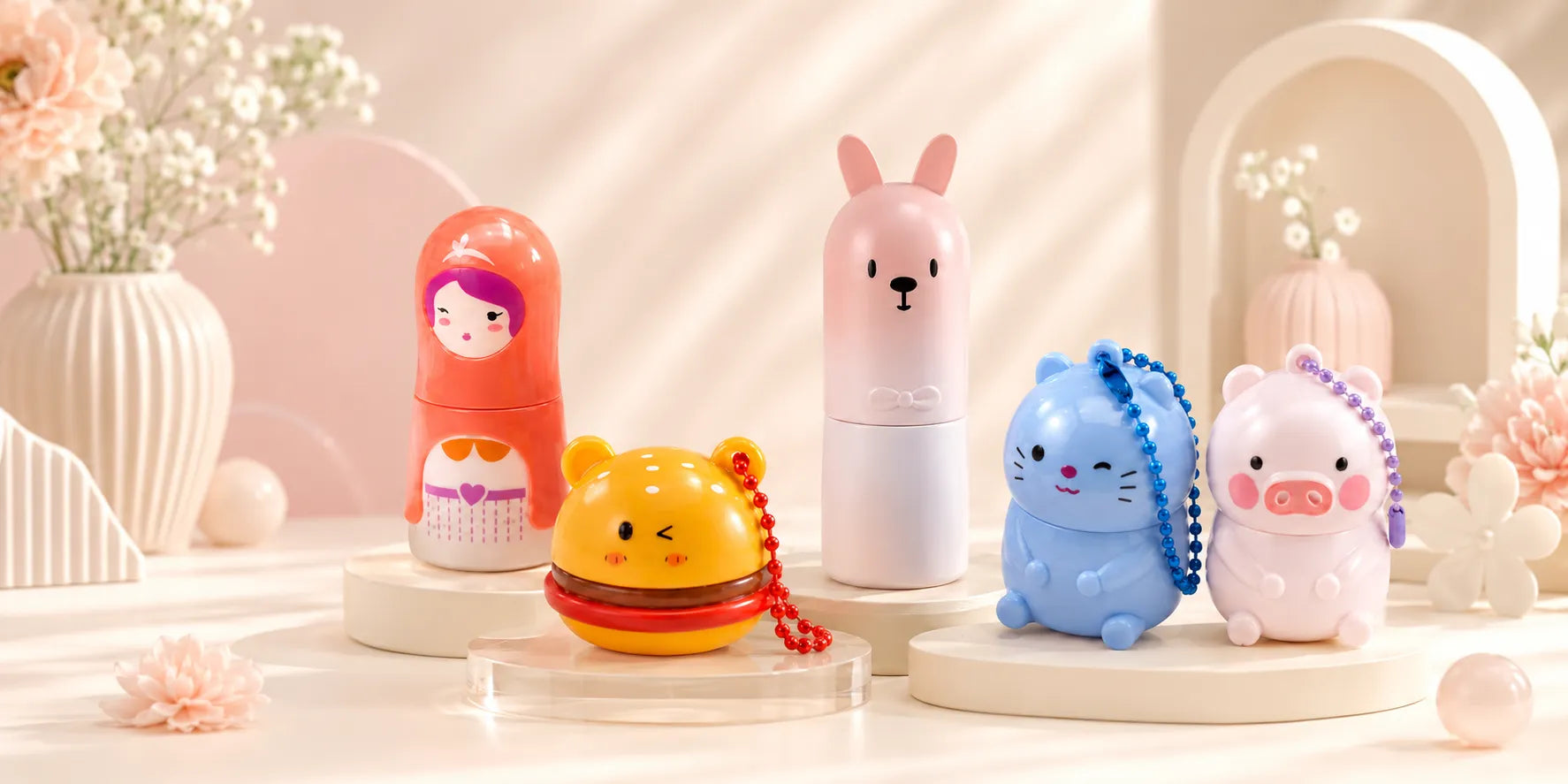
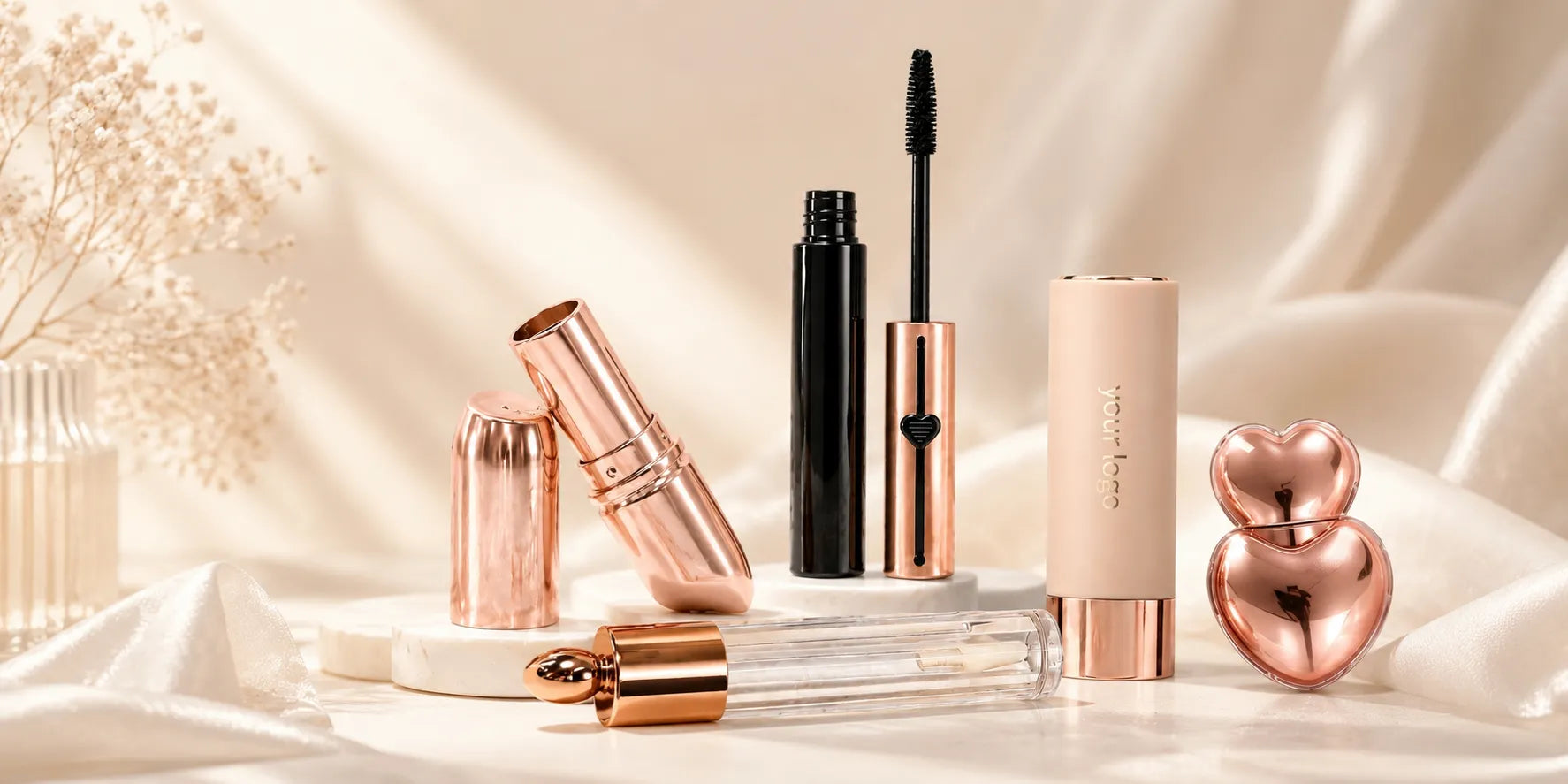
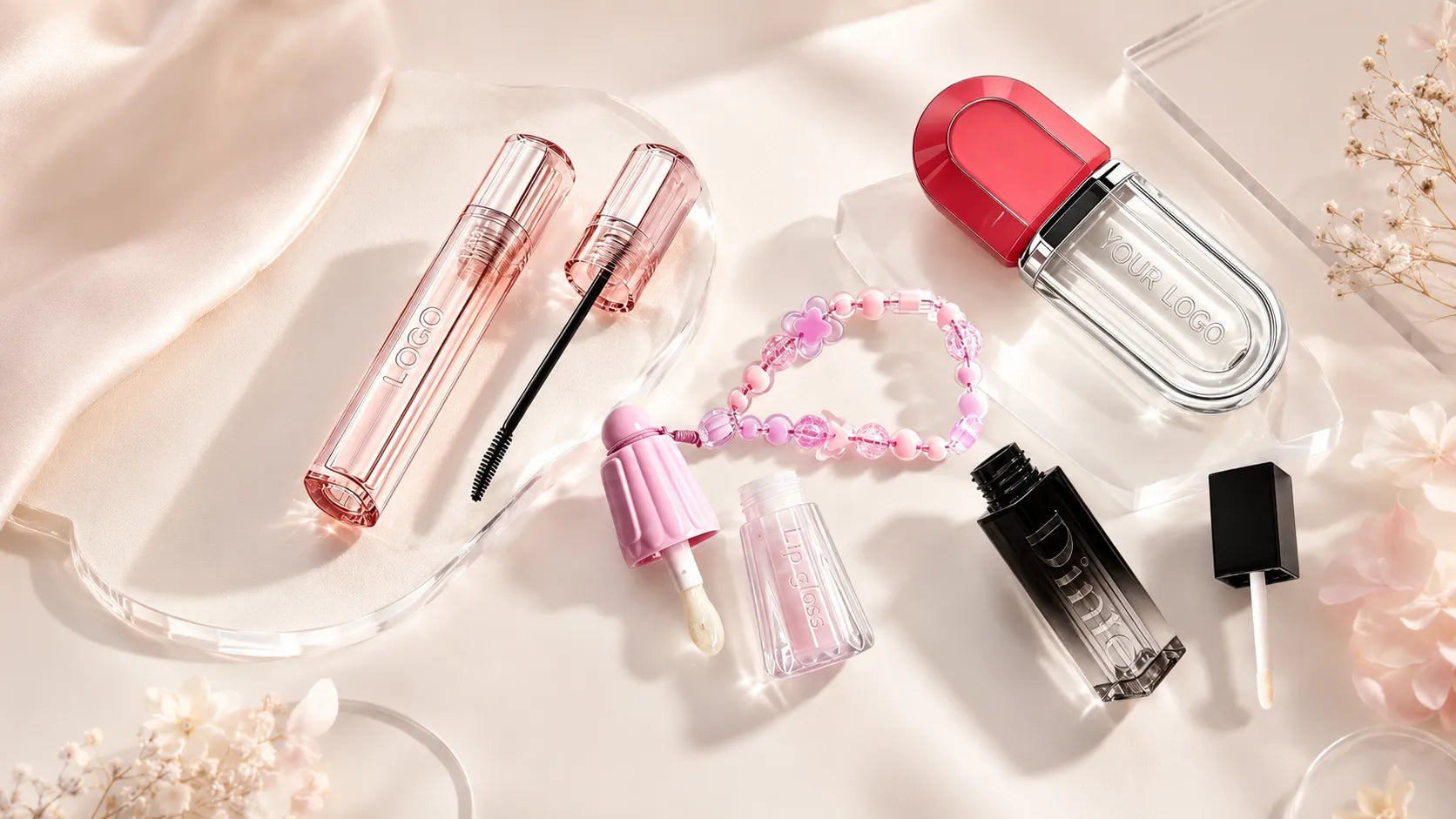
Lip care packaging bulk decisions are rarely just about ordering a large number of containers. At KAIYA, bulk lip care work is usually a line-building decision. The brand is not only asking how many pieces to buy. It is asking how balm, mask, scrub, oil, and serum should relate to each other, which formats should stay routine-led, which should feel treatment-led, and where customization actually improves the assortment instead of making it less disciplined.
This is why KAIYA does not treat bulk lip care packaging as a simple sourcing shortcut. A strong bulk program still needs category hierarchy, structure logic, and repeat-order consistency. If the bulk route is chosen only through surface appearance or fast availability, the lip line often becomes uneven very quickly. One SKU may feel commercially clear while the others feel like packaging compromises.
That is also why higher-volume decisions around lip care packaging are usually reviewed beside the wider application-based makeup packaging plan. Bulk only becomes useful when the packaging system still explains the product family clearly.

1. Why lip care packaging bulk should be planned as a category system
Lip care packaging bulk usually covers more than one lip product type. A brand may want balm tubes, mask jars, scrub pots, oil containers, or serum-led support SKUs in the same development cycle. If those decisions are made separately, the line can quickly lose coherence. KAIYA therefore treats bulk planning as a category system first and a quantity decision second.
This is especially important because different lip care formats carry different behavioral expectations. Balm usually needs routine credibility. Mask needs stronger treatment authority. Scrub needs texture access. Oil needs visibility and softer hybrid positioning. Serum may need a cleaner, more dosage-led identity. A bulk program only works well when each package still makes those roles easier to understand rather than flattening everything into one repeated shell family.
That is where a stronger container-type packaging system becomes useful. The right bulk route is usually the one that keeps the family connected while still allowing different structures to carry different category jobs.

2. When custom lip care packaging bulk is worth the extra effort
Custom lip care packaging bulk becomes worthwhile when the brand is trying to build a recognizable lip family, not merely fill inventory. At KAIYA, customization is usually justified when it improves category distinction, product hierarchy, or shelf consistency across multiple SKUs. If custom work only changes the surface but leaves the line strategy weak, the value is limited.
This is why KAIYA usually separates structural customization from decorative customization. A custom balm route may need a different tube proportion. A custom mask route may need stronger jar presence. A custom scrub route may need better access language. A custom oil route may need more controlled transparency and applicator logic. The point is not to make every item unusual. The point is to make each one more defensible inside the line.
In practical terms, that is where custom cosmetic packaging service becomes more valuable than random variation. Bulk programs benefit when customization is used selectively and tied to real product roles.

3. Why lip gloss care package thinking can still help lip care development
The phrase lip gloss care package may sound unusual, but the logic behind it is useful. Some lip care projects, especially oil-led or shine-led lip products, sit close to the visual language of gloss even when they are positioned more clearly as care. KAIYA therefore sometimes reviews whether a gloss-adjacent display route is helping the lip care line or quietly pulling it in the wrong direction.
This matters most in oil and hybrid lip-care projects. A clear, attractive package may improve shelf appeal, but it can also make the product feel too cosmetic and not treatment-led enough if the applicator and shell language are not controlled carefully. KAIYA usually compares these routes beside both lip gloss containers and broader lip care structures to see whether the product still reads correctly once the line expands.
In other words, gloss-adjacent thinking can be commercially helpful, but only when it remains subordinate to the real care identity of the product. Bulk lip care planning should not let one attractive display-led format distort the whole family.

4. Why packaging solutions for lip care should differ by product role
Packaging solutions for lip care should not be written as if one solution fits every SKU. At KAIYA, the stronger decision usually starts by asking which products are the category anchors and which are support products. A balm that carries daily repeat purchase may need different structural discipline from a lip mask that is sold as slower treatment care. A scrub may need a more tactile jar route. An oil or serum may need a clearer display and applicator logic. These differences should be visible in the packaging decisions.
This is also why KAIYA rarely treats a lip care package as a single object problem. We treat it as a family architecture problem. The brand has to decide what should feel quick, what should feel heavier, what should feel cleaner, and what should feel more giftable. Once that hierarchy is set, the correct structure choices usually become clearer, and the bulk program becomes easier to scale without making the assortment look random.
In practice, that often means reviewing lip care routes beside lip balm containers, cosmetic tube packaging, and cosmetic jar packaging rather than forcing one package family to do every job equally well.
5. How KAIYA handles custom unique form factor lip care packaging bulk without making the line unstable
Custom unique form factor lip care packaging bulk can be attractive because it promises stronger shelf identity. But KAIYA treats unusual form factors carefully. A unique shell can help a lip line stand out, yet it can also damage clarity if the format becomes too novelty-led, too awkward in use, or too hard to scale consistently. That is why unique form factor decisions are usually reviewed through repeat handling, family fit, and long-term reorder logic before they are approved as a bulk route.
The stronger unique route is usually the one that still feels commercially rational after the initial visual novelty fades. If the shell continues to make the product easier to recognize, easier to position, and easier to remember, it may be worth the extra effort. If it only creates momentary difference without improving product reading, then the format may be too expensive in line discipline terms even if it looks interesting at launch.
KAIYA therefore supports unique lip care bulk programs only when the packaging stays believable, usable, and scalable as part of the broader lip assortment rather than behaving like an isolated special object.

6. How KAIYA supports bulk lip care packaging programs
KAIYA supports lip care packaging bulk by comparing category roles, structure families, customization priorities, and repeat-order realism together. The goal is not only to source containers in larger volume. It is to build a lip line that still feels coherent after balm, mask, scrub, oil, and serum routes all begin to sit beside each other in the market.
For brands planning custom lip care packaging bulk, the best first step is to define which products should behave as daily anchors, which should carry more treatment authority, and which deserve stronger visual distinction. Once that is clear, KAIYA can help compare packaging solutions for lip care through structure, hierarchy, and scale instead of treating bulk as only a quantity decision.