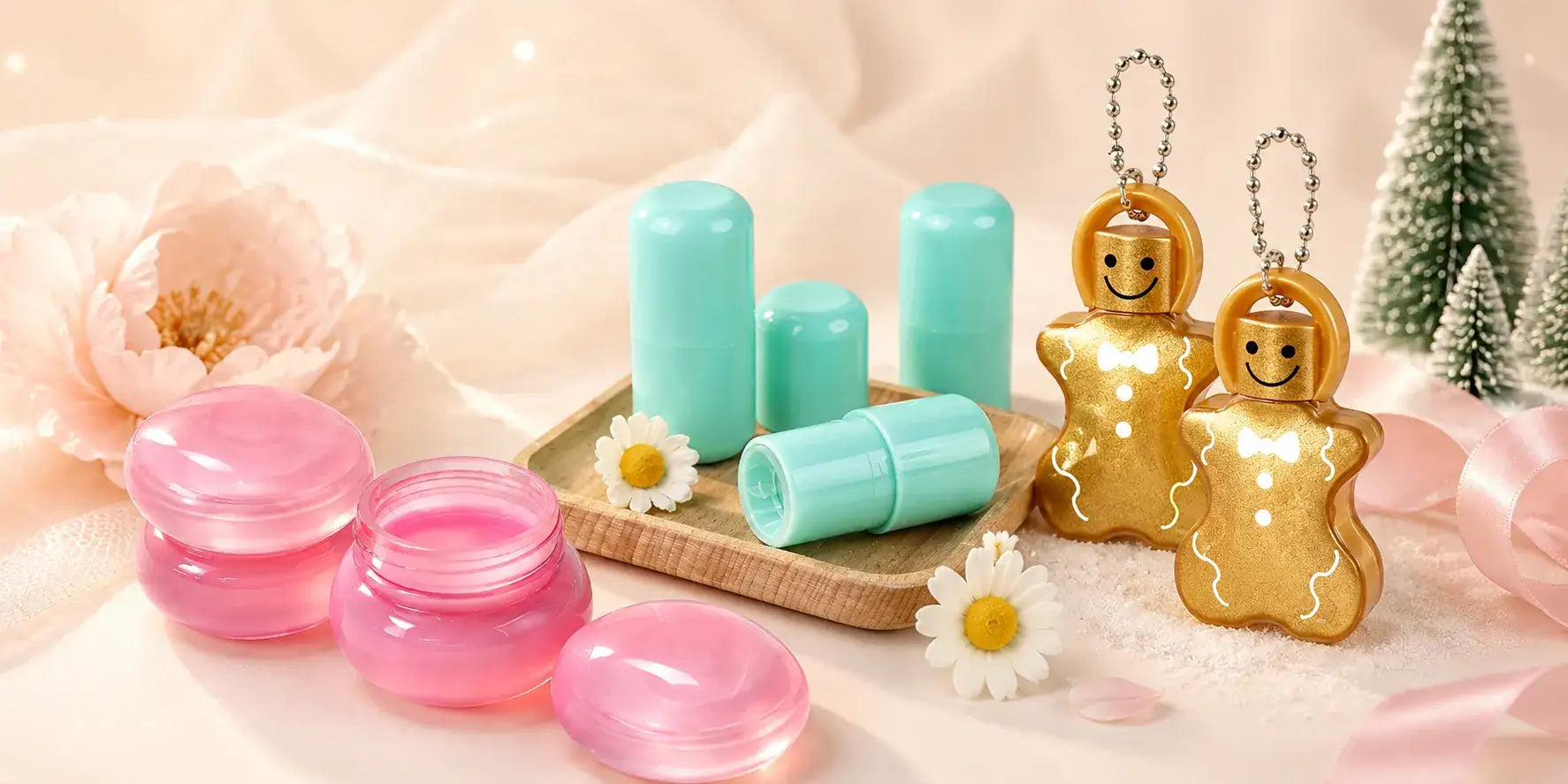
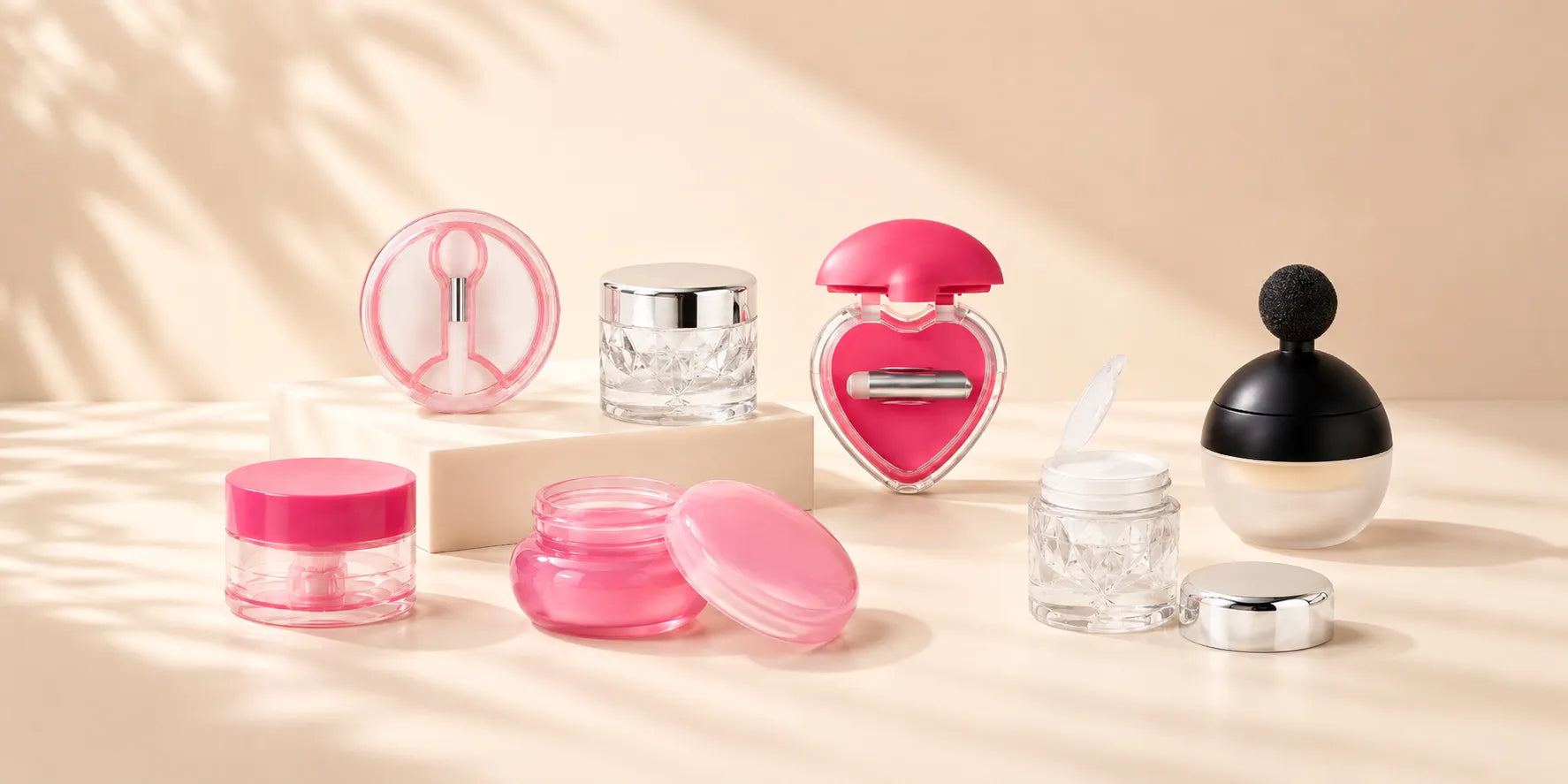
Lip gloss containers are one of the most visible and commercially sensitive packaging formats in color cosmetics. For beauty brands, the right container affects product appearance, applicator performance, daily usability, and how premium the finished product feels at first touch. A lip gloss package is not only a vessel for the formula. It is part of the product identity itself.
That is why choosing lip gloss containers should involve more than comparing a few tube shapes or cap colors. Brands usually need to evaluate structure, transparency, applicator compatibility, decoration options, and whether the selected component can remain stable in repeat production. The stronger the packaging fit, the easier it is to build a more consistent and commercially convincing lip line.

Why Lip Gloss Containers Matter for Beauty Brands
Lip gloss is a category where packaging is judged immediately. Consumers notice the tube clarity, cap fit, wiper performance, wand feel, and overall visual finish before they have fully judged the formula. If the container looks cheap, leaks easily, or feels imprecise in use, the perceived value of the product drops quickly.
This is why many brands review lip gloss containers as part of a broader Cosmetic Packaging strategy rather than as a small standalone purchase. A well-developed lip gloss container should work not only for one SKU, but also within the wider brand system across lip balm, lipstick, and other lip product formats.
What Brands Should Check in Lip Gloss Container Development
The first point is structural suitability. A supplier should be able to discuss the relationship between the tube body, wiper, stem, applicator, and cap fit rather than treating the component as a generic container. A good lip gloss package depends on how these parts work together, not just on how the exterior looks.
The second point is visual presentation. Many lip gloss products rely on clear or semi-clear packaging to showcase the formula, which makes component quality even more visible. Clarity, wall consistency, decoration sharpness, and surface finish all matter. A supplier should be able to support the desired look in bulk production, not only in one attractive sample.
The third point is collection fit. Brands often want lip gloss containers to align visually with related Lip Gloss Packaging direction and broader lip category packaging. This helps create stronger shelf recognition and a more intentional collection identity.
Lip Gloss Containers vs Standard Lip Gloss Packaging
In practice, buyers often search both lip gloss containers and lip gloss packaging, but the decision logic is slightly different. Lip gloss packaging is the broader category, while lip gloss containers focus more directly on the physical component itself: the tube, applicator system, cap, and overall usability of the primary package.
This distinction matters for B2B sourcing. A beauty brand may like the overall idea of lip gloss packaging, but when moving into purchasing and sampling, they often need to get more specific about which lip gloss container structure actually fits the formula, target look, and price positioning.

Material Direction for Lip Gloss Containers
For many lip gloss container projects, plastic remains the most practical material direction. It supports clear presentation, flexible decoration, broad structure options, and efficient mass production. This is especially important in gloss products because packaging often needs to balance appearance, cost control, and repeat production consistency all at once.
KAIYA's broader Plastic Cosmetic Packaging capabilities are highly relevant here because plastic remains the main material direction across many lip gloss container projects. The right material choice should support the intended look, decoration method, and structure stability rather than following trend language alone.
Customization and Supplier Capability
Most brands do not want a lip gloss container to feel generic. They often need custom colors, clear or frosted effects, logo printing, hot stamping, metallized caps, or applicator adjustments so the finished package matches the collection direction more closely. These decisions are commercially important because lip gloss is often a visually led category.
That is why strong Custom Service support matters. A supplier should help the brand decide which structure and decoration ideas can scale well in sampling and production, rather than only presenting a visually appealing concept.
How KAIYA Supports Lip Gloss Container Projects
KAIYA supports beauty brands looking for practical, customizable, and production-ready color cosmetics packaging from a China-based supplier. In lip gloss container development, we focus on structure fit, decoration quality, transparency performance, and stronger consistency across the broader lip packaging line.
Our broader experience across Lip Gloss Packaging, Cosmetic Packaging, and other lip product formats helps brands evaluate lip gloss containers in a more commercial and system-based way. The best starting point is to define formula style, applicator direction, decoration target, and order expectations early so the selected container can support both the product concept and production reality.