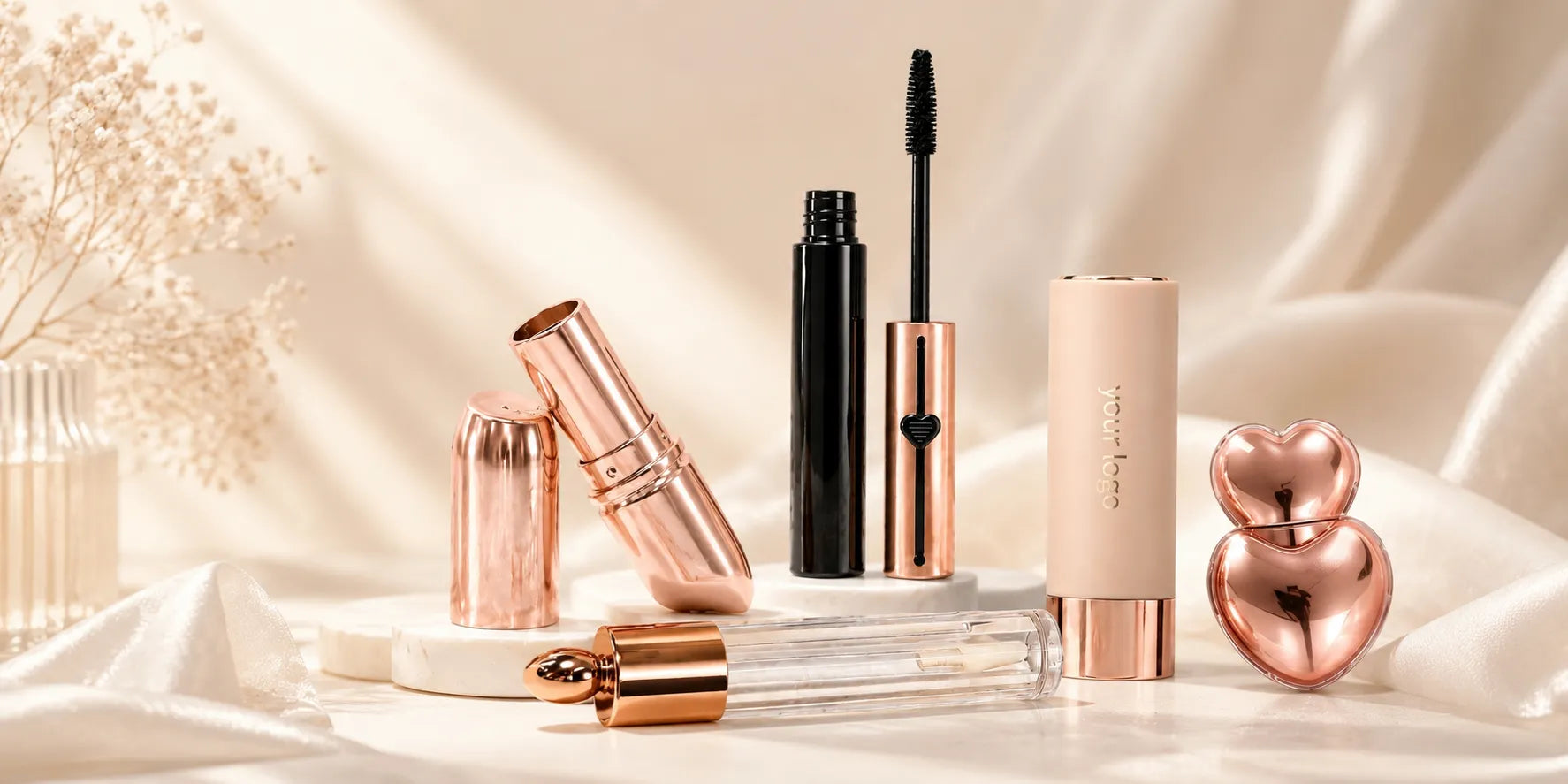
Mascara tubes are one of the clearest examples of why cosmetic packaging cannot be judged by appearance alone. In mascara, the user feels every weakness immediately. If the brush overloads, if the wipe-off is poor, or if the closure feels unreliable, the whole product suffers. At KAIYA, mascara tube projects are usually decided by internal fit first and outer styling second.
This is why a mascara tube, mascara tubes, and even an empty mascara tube should be evaluated as performance components rather than only branding surfaces. The structure actively shapes how the formula behaves on the lashes, and small internal mismatches can become visible almost immediately once the user starts applying the product.

1. Why Mascara Tubes Are Really an Internal Fit Decision
Many buyers react first to cap style, silhouette, or decorative finish. Those details matter, but they do not decide performance. In most mascara tubes, the real result comes from the relationship between the brush, stem, wiper, neck, and cap seal. If those parts are not aligned, a strong-looking component can still perform badly.
KAIYA usually treats these projects as system decisions. A mascara tube has to match the formula and intended lash effect, not just the visual language of the collection. That is also why we compare component choices against the needs of the wider mascara packaging line instead of judging one shell in isolation.
That wider comparison matters because not every mascara route is trying to create the same result. Some want cleaner definition, some want fuller lash payoff, and some want a more flexible everyday lash effect. The package has to support that specific promise, not just meet a general mascara look.

2. How an Empty Mascara Tube Helps Product Development
An empty mascara tube helps brands review structure, decorative direction, component size, and how the internal system should be matched before mass production decisions are finalized. It is useful because mascara performance depends on more than the outer look.
This is also why many teams compare several empty mascara tubes before deciding which route will support the intended lash result most convincingly in repeat use. In many cases, the right answer is supported by a reliable cosmetic tube packaging structure rather than a more decorative but less disciplined direction.
Empty-tube review is useful because it helps the team judge whether the shell already feels commercially disciplined before decoration and final filling are introduced. In mascara, that early discipline often tells you more than a polished render.
That is also where supplier quality starts becoming visible. If two mascara tubes look similar on a board but one already feels cleaner in tolerance, more stable in closure, or more believable in internal match, KAIYA will usually treat that as a stronger long-term route even before decoration enters the conversation.

3. Why Brands Still Review Multiple Mascara Tubes Before Committing
Different mascara tubes can create very different commercial outcomes even when they look close on the surface. A component that feels more disciplined may better support clean definition, while another may suit a fuller lash story. The right route depends on what the product is promising.
KAIYA helps brands compare mascara tubes through internal behavior, closure confidence, decorative fit, and how well the structure supports the intended line positioning in repeated use. When the project becomes more finish-driven, it can also help to compare decoration routes through complete surface treatment solutions before locking the shell.
This matters because the most attractive shell is not always the one that will scale best. A supplier may show a tube that looks more exciting visually, but if the internal system behaves less reliably, the whole line can feel weaker once production starts repeating.

4. How KAIYA Supports Mascara Tubes
KAIYA supports beauty brands that need practical, production-ready mascara tubes from a China-based supplier. We work across mascara tube, mascara tubes, empty mascara tube, and empty mascara tubes with attention to internal fit, wipe-off control, closure reliability, and repeat production consistency across broader plastic cosmetic packaging development.
For teams comparing mascara tube suppliers, the best starting point is to define the intended lash effect first. Once that is clear, KAIYA can help match the right mascara tube route to the formula and the collection.

5. Why Empty Mascara Tubes Are Useful Before Decoration Is Finalized
Empty mascara tubes help brands compare more than just silhouette. They make it easier to review how the structure feels in hand, how the neck and closure route may behave, and whether the component supports the intended lash effect before the full decorative route is locked. In mascara, these checks matter because the final product is so sensitive to internal mismatch.
KAIYA uses empty mascara tubes this way: as a way to test whether the project is moving in the right direction before visual finish starts taking too much attention away from the internal system.
That early comparison often prevents a common mistake: treating decoration as proof of quality before the performance logic has really been confirmed. In mascara, the inside of the component still decides whether the packaging earns trust.

6. How Mascara Tube Suppliers Affect Long-Term Product Consistency
Mascara tube suppliers matter because the category is so unforgiving in repeated use. If the internal fit shifts, if closure confidence drops, or if neck cleanliness becomes inconsistent across production, the formula can feel weaker even when the exterior still looks acceptable. That is why supplier choice affects long-term brand trust more than buyers sometimes expect.
At KAIYA, this is one reason we evaluate mascara tube suppliers through repeat production stability and system consistency rather than only through attractive sample styling. In mascara, a supplier who can explain how the internal system will hold up in repeated runs is usually more valuable than one who only shows a visually stronger first sample.