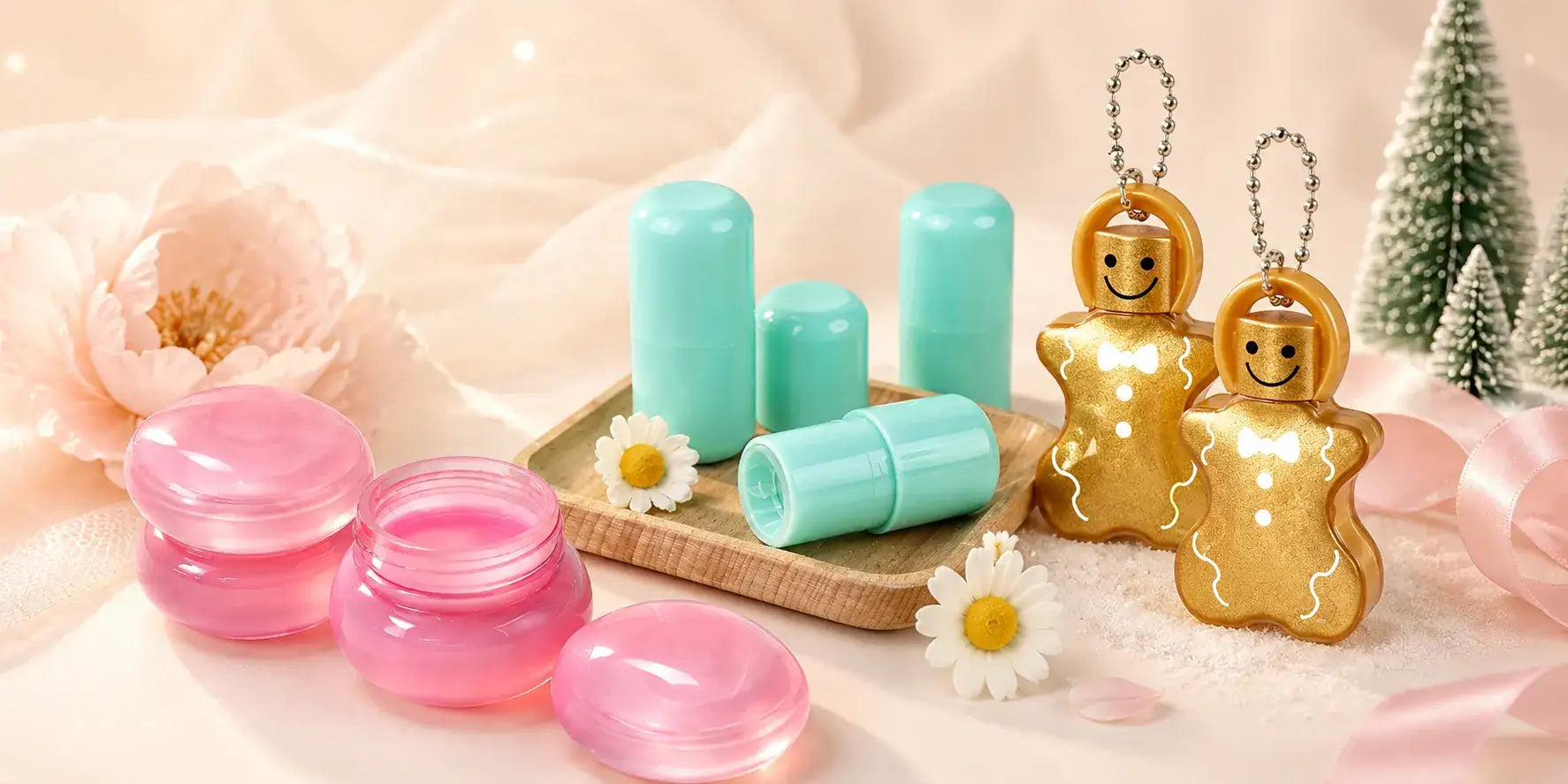
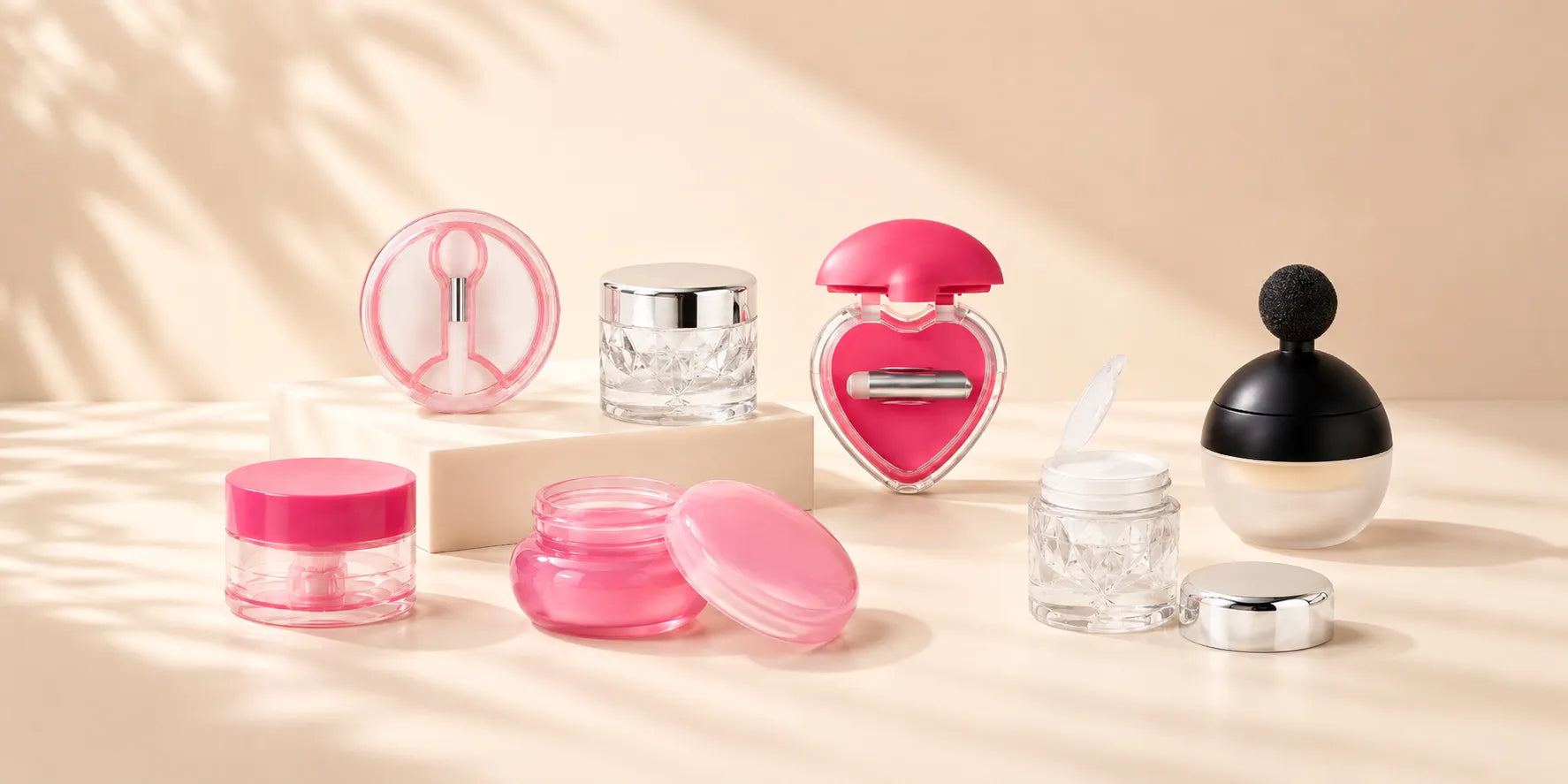
Plastic cosmetic packaging remains one of the most practical choices for makeup brands because it supports design flexibility, stable production, decoration variety, and cost control. In color cosmetics, packaging has to do more than look attractive. It must protect the formula, support daily use, match the brand's visual identity, and remain feasible for repeat production.
For products such as lip gloss, mascara, foundation, powder compacts, lip balm, eyeliner, and cushion formats, plastic packaging gives brands a broad range of structure and finishing options. That is why many beauty brands continue to use plastic as the foundation of their packaging system, even while exploring more sustainable material directions.

1. Why Plastic Is Still Widely Used in Makeup Packaging
Makeup packaging often requires a careful balance between appearance, function, cost, and manufacturability. Plastic materials can support transparent components, opaque color matching, lightweight structures, durable closures, and a wide range of surface treatments. This makes plastic especially useful for brands developing a complete color cosmetics collection.
For example, a brand may need clear plastic cosmetic packaging, stable cosmetic packaging materials, and a well-finished cosmetic packaging by container type within the same product launch. Plastic allows these different formats to be customized while keeping production more practical.
2. PP vs PET vs PETG vs AS vs ABS
Not all plastic cosmetic packaging materials perform in the same way. Choosing the right resin affects appearance, cost, structure, decoration compatibility, and how the packaging feels in hand.
PP is one of the most practical materials for cosmetic packaging because it supports stable production, broad structural use, and cost control. It is often suitable for functional components, caps, and packaging parts that need reliable performance in bulk production.
PET is useful when brands want a cleaner and more transparent look in selected packaging formats. It is often considered when visual clarity matters but the project still needs a commercially practical material direction.
PETG is often chosen for projects that require stronger clarity and a more elevated transparent appearance. It usually comes at a higher cost than more basic plastic options, but the final visual effect can be significantly better for premium-looking collections. For brands developing transparent lip gloss tubes or visually refined bottle formats, PETG can create a much more attractive result.

AS is another material that can offer a good visual presentation in selected components. It is often considered when appearance and clarity matter, but the final decision still depends on the exact structure, decoration plan, and product brief.

ABS is commonly selected where stronger structure, better surface treatment compatibility, or a more substantial outer-shell feel is needed. It can be a practical direction for components that require spray finishing, metallization, or a more structured decorative result.
3. How to Choose the Right Plastic Material for Different Packaging Formats
The right material depends on the format. A lip gloss tube, compact case, foundation bottle, and mascara component may all require different plastic directions, even if they belong to the same collection.
Transparent packaging usually places more focus on clarity, color stability, and overall visual impact. That is why materials such as PET or PETG may be considered more often in these projects. Structural outer components, however, may place more emphasis on molding stability, decoration performance, and finished feel, which is where PP, ABS, or other materials may become more practical.
For B2B packaging development, the goal is not to choose the most expensive material by default. The goal is to match the packaging material to the product positioning, target price level, and production requirements. The resin decision should make sense not only in a sample room but also at real purchasing scale.

4. Plastic Cosmetic Tubes, Bottles, and Compacts
Plastic cosmetic packaging can be developed across many structure types. Tubes are commonly used for lip gloss, lip balm, mascara, eyeliner, and selected squeeze formats. Bottles are often used for foundation and selected liquid makeup products. Compacts are widely used for powder, blush, cushion, and other face makeup formats.
Because each structure has different performance needs, brands should not evaluate plastic packaging as one generic category. A plastic lip gloss tube needs different design priorities from a plastic foundation bottle or a plastic powder compact. The more specific the packaging brief, the easier it is to match material, decoration, and structure correctly.
KAIYA's broader foundation packaging capabilities support multiple color cosmetics formats, helping brands develop packaging that is practical for both launch and repeat production.

5. Customization Options for Plastic Cosmetic Packaging
One reason plastic remains popular in makeup packaging is its customization flexibility. Brands can develop custom colors, transparent or opaque effects, logo decoration, metallized finishes, spray coating, hot stamping, and other surface treatments depending on the project requirements.
Customization should always be evaluated together with production feasibility. A finish that looks strong in concept still needs to be stable in sampling, decoration testing, transport, and bulk production. For B2B packaging projects, the goal is not only to create an attractive sample, but also to make sure the final packaging can be produced consistently.

6. Plastic Packaging and Sustainability: A Practical View
Sustainability is now part of many beauty packaging discussions, but it should be handled carefully and realistically. Plastic packaging can support selected sustainable directions, but claims should always be based on the actual material, structure, and target market recycling conditions.
Depending on the project, brands may explore PCR materials, reduced material usage, or selected recyclable structures. PP and PET are widely considered recyclable in many markets, although actual recycling depends on local collection and recycling infrastructure. PETG, ABS, and AS should be discussed more carefully, as recyclability may vary significantly by region and structure.
For brands exploring more sustainable options, KAIYA's cosmetic packaging materials page provides a better starting point. In practice, sustainability decisions should be matched to the specific product format, appearance requirements, and commercial goals.
7. How KAIYA Supports Plastic Cosmetic Packaging Projects
KAIYA works with makeup brands looking for custom, production-ready plastic cosmetic packaging from a China-based supplier. Our product scope covers lip gloss tubes, lip balm tubes, lipstick packaging, mascara tubes, eyeliner packaging, foundation bottles, powder compacts, cushion cases, and other color cosmetics components.
For plastic packaging projects, we focus on balancing material selection, structure, decoration, and manufacturing practicality. When needed, KAIYA can discuss the usual MOQ range around 12,000 pieces while still reviewing specific products case by case, so material discussions stay tied to what can be produced cleanly and consistently at commercial volume. Whether a brand is developing a new product line or refining an existing packaging system, the best starting point is to define the product format, target appearance, preferred material direction, and order expectations early.
Explore KAIYA's sustainable cosmetic packaging and makeup packaging by application solutions to discuss a custom project for your makeup brand.