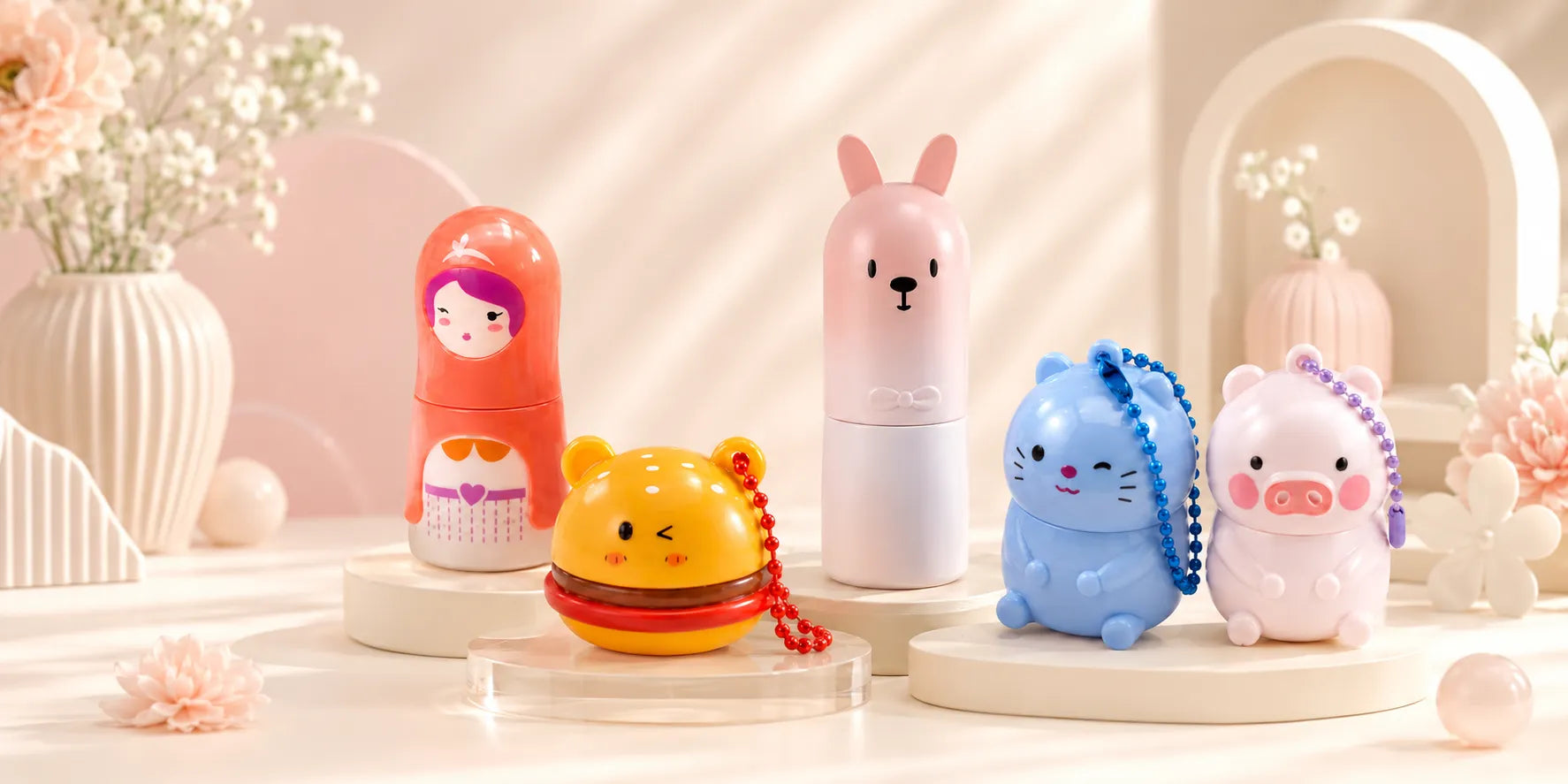
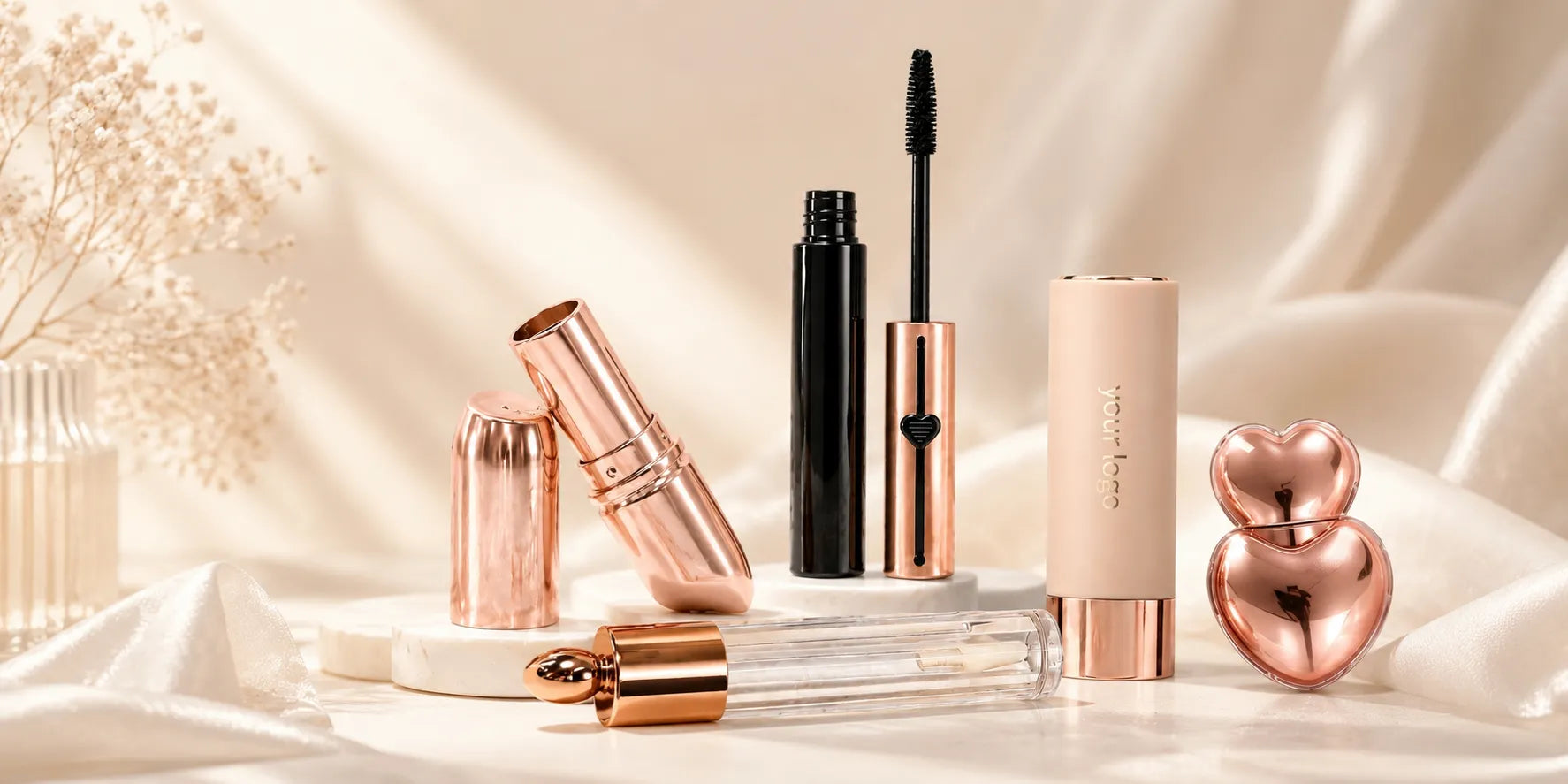
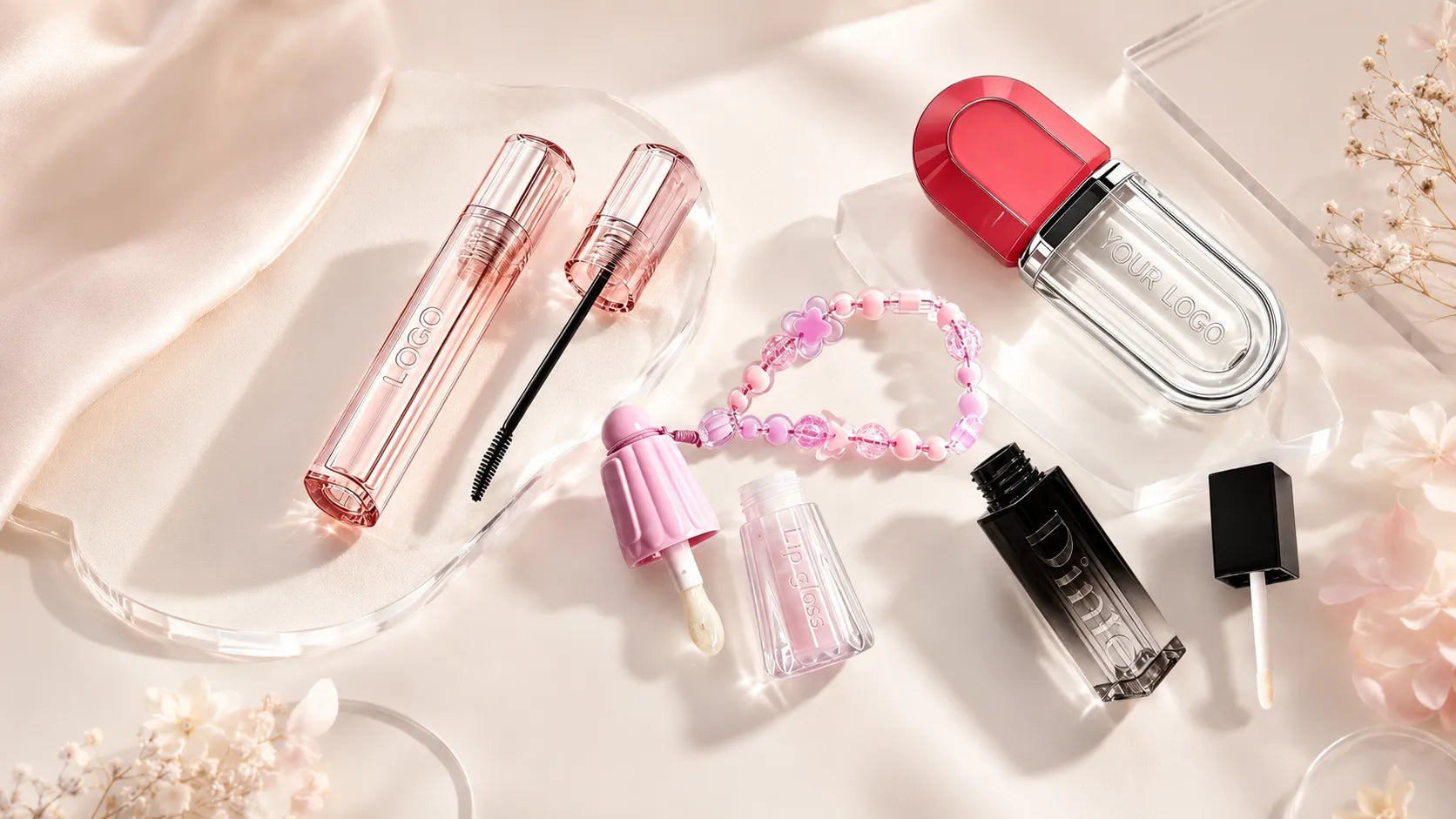
Custom makeup packaging projects usually fail because execution logic is weak, not because design ambition is low. At KAIYA, custom programs are managed as an operating system: category strategy, structure route, validation gates, and expansion controls are planned as one framework. This approach is built for teams that want commercialization speed without sacrificing line coherence. In execution terms, this is treated as custom cosmetic packaging with measurable controls, not only as a design discussion.
In practice, brands often define visual direction first and process discipline later. That sequence creates avoidable resets when pilot results expose unresolved structure assumptions. KAIYA therefore uses a reverse sequence: lock product logic, lock structure rules, then add decorative complexity once route stability is proven.
This article focuses on execution governance for custom makeup packaging, especially for multi-SKU color-cosmetics lines that need repeat-order reliability and consistent brand hierarchy over time. Teams comparing custom cosmetic packaging supplier options and broader cosmetic packaging manufacturers usually get better outcomes when they evaluate governance discipline as rigorously as visual output.

1. Phase-One Scope Design: Define What Is Fixed and What Is Variable
Before any custom styling decision, teams should define fixed packaging rules and variable design zones. Fixed rules typically include core structure family, closure behavior, key dimensions, and baseline finish standards. Variable zones can include colorway, decorative accents, and campaign adaptations. This separation prevents custom programs from becoming structurally unstable when line extensions begin.
KAIYA typically maps this phase through makeup packaging by application and cosmetic packaging by container type so lip, eye, and face categories are developed with consistent logic but without forced uniformity.

2. Phase-Two Route Architecture: Build a Category-Correct Component System
Custom makeup packaging is strongest when structure architecture follows category behavior. Lip formats may prioritize visibility and tactile identity, eye formats often require tighter precision controls, and face formats typically need stronger shell authority and lineup consistency. If one component language is forced across all categories, user perception and merchandising clarity both weaken.
At KAIYA, route architecture includes component sharing rules: which parts can be standardized across SKUs and which should remain category-specific. This reduces unnecessary mold proliferation while protecting category clarity where it matters most commercially. It also helps convert broad custom packaging for cosmetics intent into a practical structure map that sourcing and production teams can execute.
When a program also includes private label cosmetic packaging routes, KAIYA typically separates decision depth by category. For example, private label lipstick packaging may prioritize closure feel and tube silhouette authority, while private label eyeshadow palette packaging usually prioritizes pan layout logic, mirror ratio, and hand-feel during multi-use touch-up scenarios.

3. Phase-Three Pilot Governance: Validate with Measurable Gates
Pilot rounds should not be treated as aesthetic checkpoints only. They should validate structure fit, handling consistency, finish repeatability, and cross-SKU coherence. KAIYA usually uses measurable pilot gates so changes are traceable and decision quality is auditable through each round.
Where route complexity is high, this stage is linked to custom service with version control and explicit acceptance criteria. This reduces subjective approvals and prevents late-stage drift, especially in custom cosmetic packaging with logo projects where brand-detail consistency must be preserved across batches.
4. Phase-Four Scale Control: Convert Approved Samples into Repeatable Output
Sample approval is not completion. Scale readiness must verify process stability, lot-to-lot consistency, and extension compatibility. KAIYA therefore aligns scale planning with cosmetic packaging materials and production control checkpoints before PO expansion.
In this phase, teams should pre-define escalation logic for finish variance, mechanism drift, and category-specific defects. This ensures custom routes remain defensible under commercial pressure, not only in pilot conditions.

5. Operational KPIs That Keep Custom Programs Commercial
KAIYA recommends KPI sets that track both creative quality and execution quality:
1) Brief-to-approval cycle time.
2) Pilot pass rate by category.
3) Repeat-order variance by structure family.
4) Extension SKU onboarding speed.
5) Revision frequency caused by preventable scope drift.
These KPIs make custom packaging a controllable operating program rather than a design-only workflow.
6. Final Guidance for Brands Scaling Custom Makeup Packaging
Brands that scale custom packaging successfully usually separate identity ambition from structural risk early. They define what cannot move, what can adapt, and how new SKUs must inherit established standards. This creates a line that can evolve without losing commercial coherence.
KAIYA supports this model by combining category architecture, pilot governance, and production discipline so custom makeup packaging remains both expressive and reliably scalable.