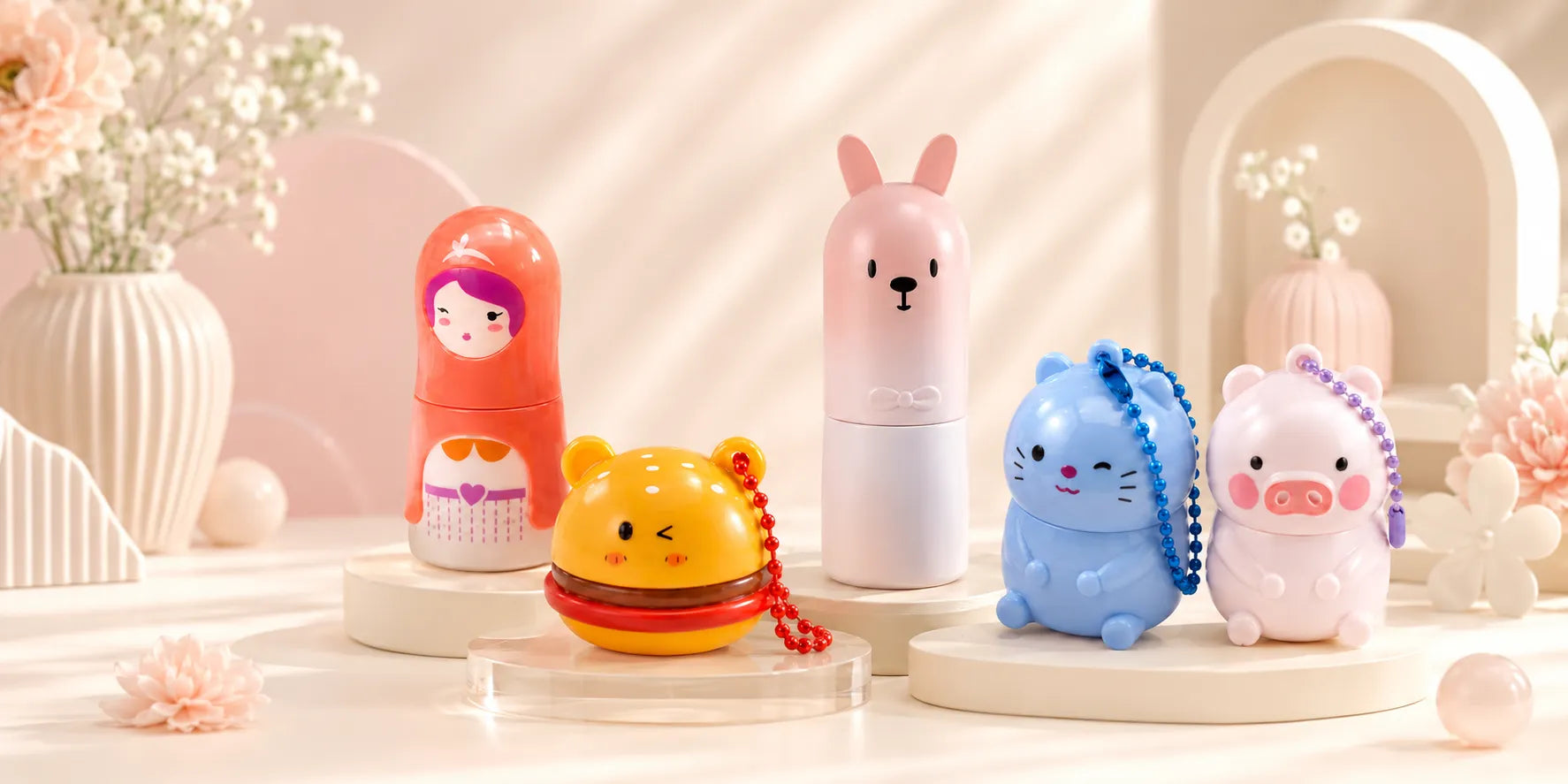
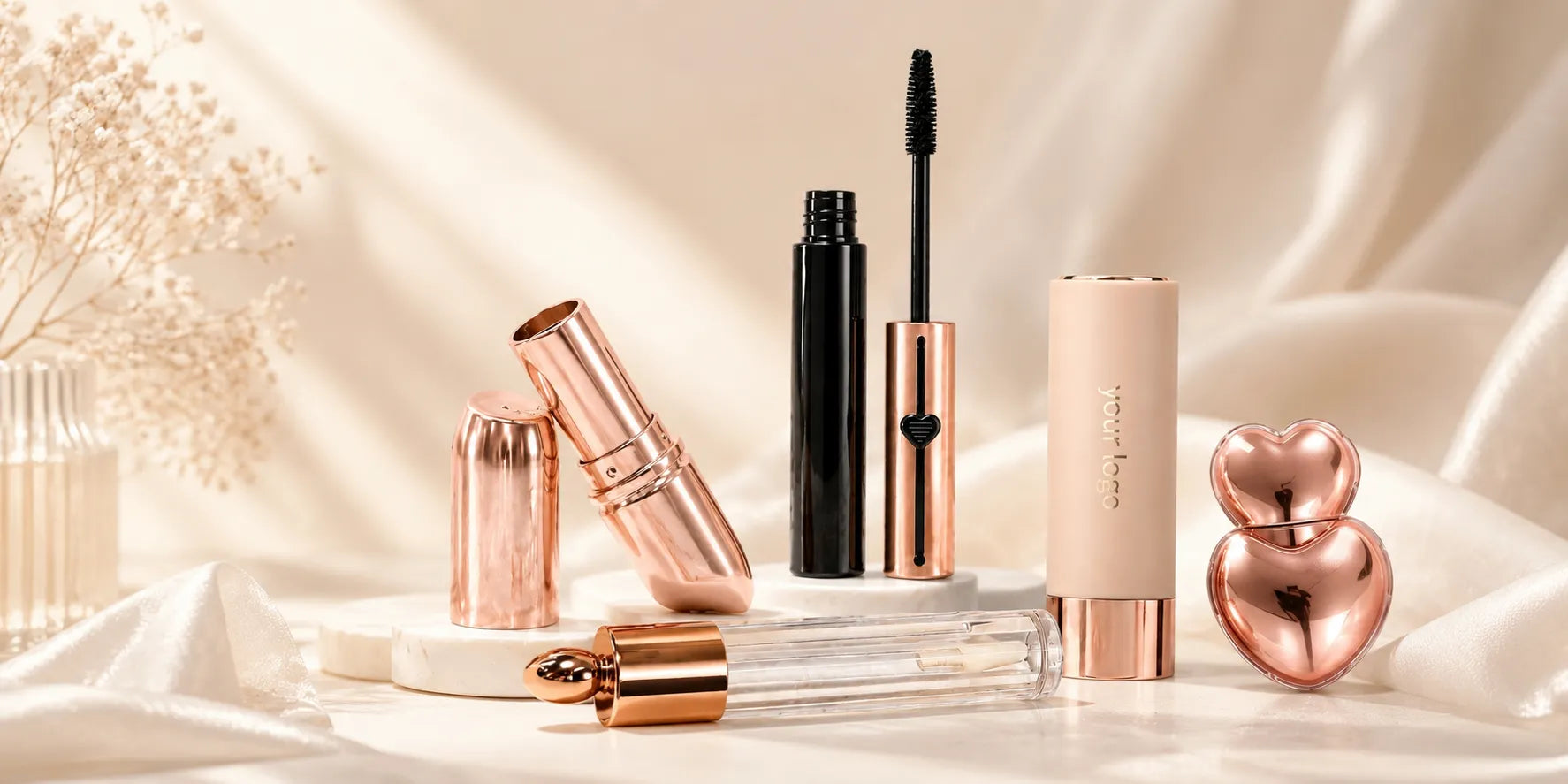
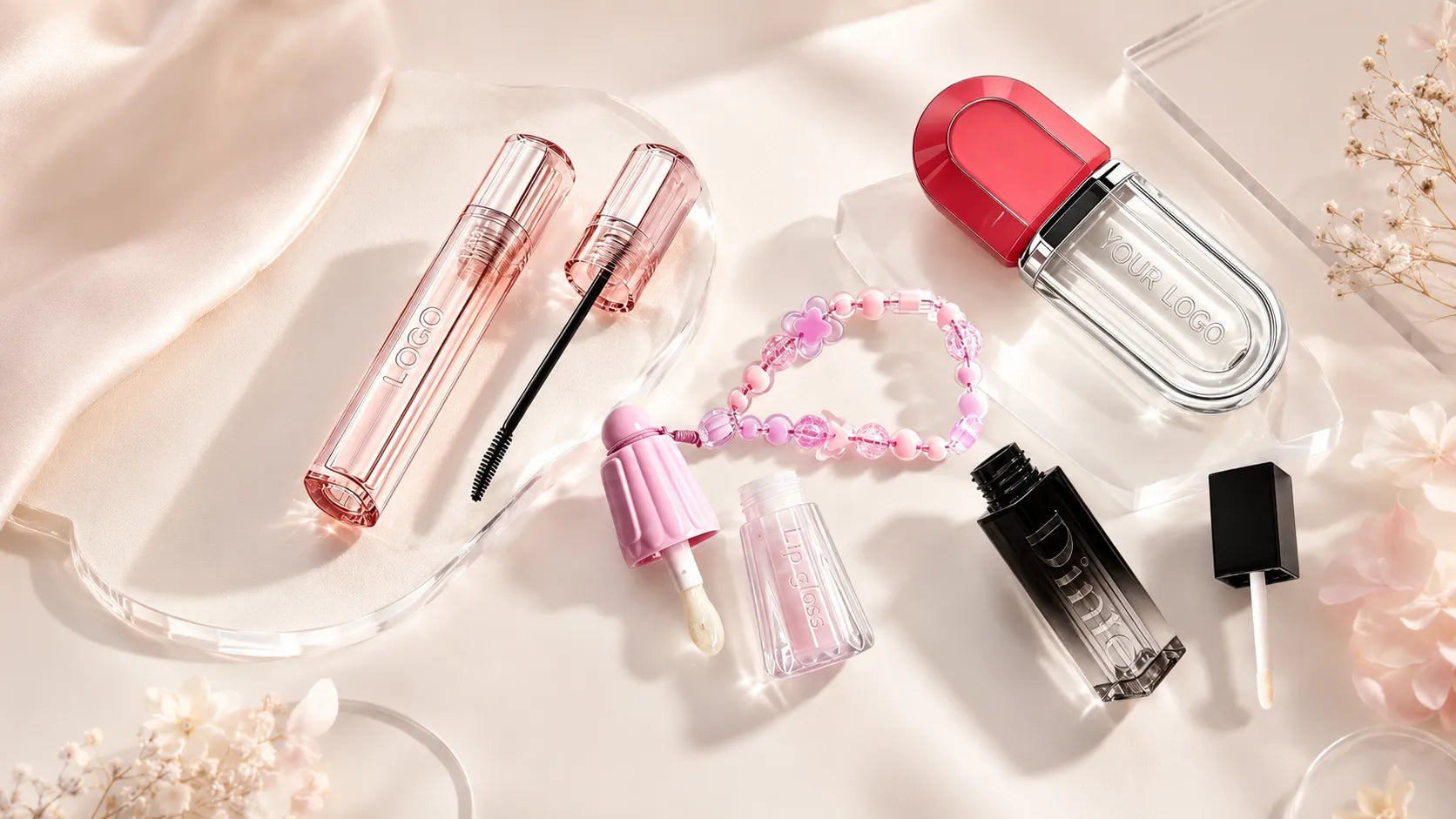
Private label cosmetic containers are often chosen to accelerate launch timing, but speed only creates value when customization boundaries are set correctly. At KAIYA, private label planning is not treated as a yes-or-no custom question. It is treated as a sequencing question: what should stay standardized to protect execution stability, and what should be customized to create visible brand distinction. This is where private label cosmetic packaging becomes an operational framework rather than a simple catalog choice.
Most project slowdowns come from the same pattern: teams spend early cycles on low-impact visual differences while high-impact structure and process decisions remain unresolved. A stronger route does the opposite. It locks stable foundations first, then applies targeted customization where customer perception and commercial differentiation are highest.
This is why KAIYA usually maps private label cosmetic containers through a layered framework linked to private label service, custom service, and category-level structure planning.

1. What Should Usually Stay Standard in Early Private Label Stages
In first-wave launches, standardized core structures often provide the best tradeoff between timeline and reliability. Proven shell platforms in tube, compact, and stick categories usually reduce tooling uncertainty, shorten validation cycles, and improve first-lot consistency. This is especially important for brands launching multiple SKUs in parallel, where one unstable component can delay the whole line.
Standard does not mean generic. It means using validated structural logic as a stable base while preserving room for controlled differentiation later. KAIYA usually recommends this route when launch timing and repeat-order predictability are both priorities.
2. What Should Be Customized First for Maximum Commercial Return
The highest-return custom layer is usually visual-system definition: color architecture, finish tone strategy, logo placement discipline, and cap/detail hierarchy. These elements are visible to buyers quickly and can shape line identity without forcing complex mechanical redevelopment in early stages.
This is where private label makeup packaging becomes strategically useful. Instead of customizing everything, teams can customize what customers notice first while keeping underlying execution stable. Done correctly, this improves shelf impact and protects schedule at the same time.
In category practice, private label lipstick packaging often needs stronger tactile and closure authority, while private label eyeshadow palette packaging usually depends more on layout readability and mirror-use behavior. Treating both with the same customization depth often slows progress without improving commercial results.

3. When Deeper Structural Customization Is Worth It
Advanced customization should be introduced when there is clear commercial justification, not just creative preference. Typical triggers include hero SKU performance that warrants stronger structural differentiation, portfolio expansion requiring clearer category separation, or premium-positioned launches where baseline platforms cannot support target experience.
KAIYA generally phases this step after first-wave stability is proven. Moving to deeper structural modifications too early can increase sampling rounds, widen tolerance risk, and slow procurement decisions without proportional brand benefit.
4. Why  and Process Routes Decide Real Customization Feasibility
Customization feasibility is not defined by shape alone. Material compatibility, finish process limits, and repeat-order process stability determine whether a private label concept can scale. Teams that ignore this layer often approve attractive concepts that become difficult to reproduce consistently.
For this reason, KAIYA aligns private label planning with cosmetic packaging materials and complete surface treatment solutions before variant expansion. This usually reduces late-stage redesign and protects quality consistency across batches.
5. How to Use Custom Cosmetic Containers Without Overengineering the Line
Custom cosmetic containers are most effective when assigned by product role. Hero SKUs can carry deeper differentiation, while support SKUs should inherit standardized architecture to keep sourcing and reorders efficient. This role-based allocation helps lines stay coherent, scalable, and commercially disciplined.
In practical terms, a line performs better when customization depth is intentional rather than evenly distributed. Equal customization across all SKUs often increases complexity without improving customer perception proportionally.

6. Practical Rollout Sequence for Private Label Programs
KAIYA usually uses a phased sequence. Phase one locks stable structures and core visual language. Phase two adds targeted upgrades for hero products and category anchors. Phase three optimizes portfolio-level consistency using first-wave reorder data and market feedback. This progression keeps private label programs fast while allowing differentiation to expand in a controlled way.
7. Final Guidance
The strongest private label cosmetic containers strategy is not “minimal customization” or “maximum customization.” It is prioritized customization applied at the right time and depth. KAIYA supports brands in building this balance so launch speed, line identity, and repeat-order stability can work together rather than against each other.