Blush, contour, and highlighter packaging should never be treated as one generic face-color category, because the correct structure depends heavily on the formula route. At KAIYA, this family is usually reviewed by asking a simple but important question first: is the product a stick, a pressed powder, or a liquid format? Once that is clear, the packaging logic becomes much easier to judge.
This matters because a blush stick, a powder contour compact, and a liquid highlighter tube do not need the same package behavior even if they all sit in the same face-color collection. The outer shell has to support how the formula is picked up, applied, stored, and understood by the customer. That is why KAIYA reviews blush as the lead category first, then checks how contour and highlighter should align around it without forcing every SKU into one structure family.

Why Blush Usually Leads the Face-Color Packaging Family
Blush usually becomes the lead route because it is the easiest face-color category for customers to understand quickly. It can be soft, everyday, portable, and easy to position in both younger and more polished makeup lines. That flexibility makes blush the best starting point when a brand is trying to decide whether its face-color system should lean more toward stick, compact, or liquid packaging.
At KAIYA, once the blush route is clear, it becomes easier to judge whether contour should feel more controlled, whether highlighter should feel more display-led, and whether all three categories can share enough shell language to stay coherent. The family can overlap, but the lead category still helps define the packaging mood.
How Stick Packaging Works for Cream or Solid Face Color Products
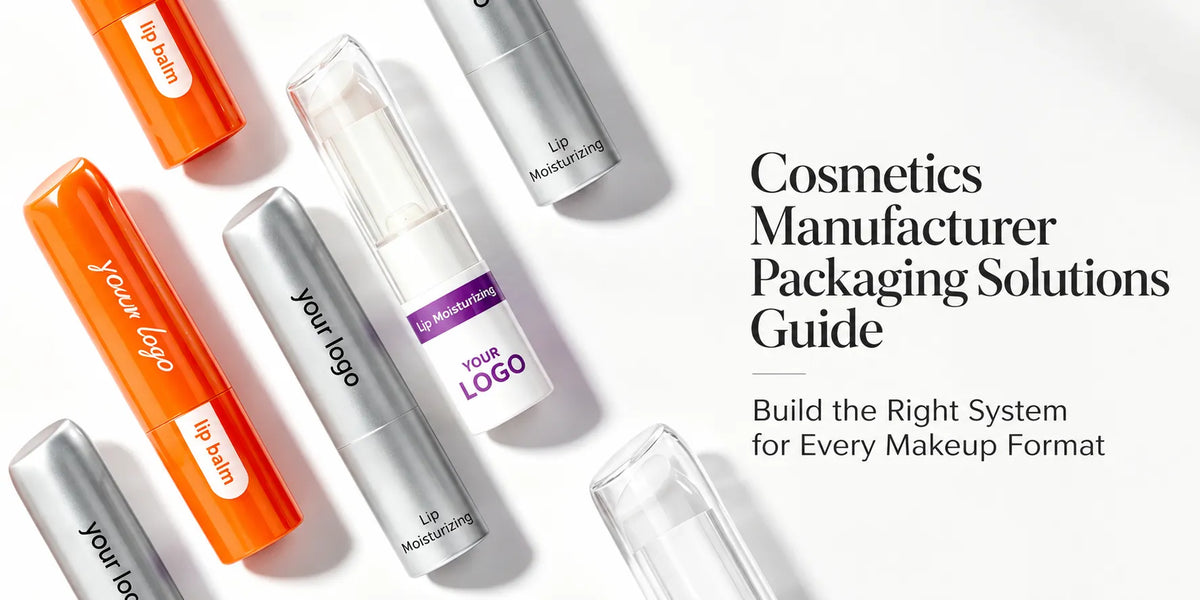
Stick packaging usually makes the most sense when the formula is creamier, more direct-application-led, or designed for quick on-the-go use. In that format, the package is judged through cap fit, rotation behavior, shell stability, and whether the product feels easy enough for repeated contact with the face. That is why blush stick packaging often becomes one of the strongest routes for portable face color.
Contour and highlighter can also fit into the same broad stick family, but they usually need a slightly different message. Contour stick packaging should feel more controlled and more sculptural, while highlighter stick packaging may need a cleaner or more glow-led finish language. This is where KAIYA often compares face-color stick routes beside the broader Cosmetic Stick Packaging system, because the shared shell family only works when each category still feels believable in use.

Why Compact and Palette Routes Still Matter for Powder Formulas
When blush, contour, or highlighter are pressed or powder-based, the logic shifts toward compact and palette packaging. In these cases, pan stability, brush practicality, mirror behavior, and closure feel matter more than twist-up movement or direct-application handling. That is why KAIYA usually reviews powder blush, contour palette, and pressed highlighter routes beside Powder Packaging and the broader Cosmetic Compact Case system.
This route is especially useful when the product needs to feel more classic, more brush-led, or more visibly organized in the face category. A pressed blush compact should not behave like a highlighter palette, but both still belong to a family where the shell supports powder handling rather than liquid flow or stick advancement.

How Tube and Bottle Packaging Fit Liquid Face-Color Products
Liquid blush, liquid contour, and liquid highlighter usually belong to a different rhythm again. Here the package has to support formula flow, dosage control, portability, and how visibly the product communicates its identity in the hand. In many cases, a tube route feels more compact and more casual, while a bottle route can feel more display-led or more product-visible depending on the line.
At KAIYA, liquid face-color routes are reviewed more carefully when the brand is trying to decide whether the product should feel playful and portable or more refined and hero-led. This is where a liquid blush tube may create a very different market message from a bottle-led highlight format, even though both are technically face-color liquids. The correct route depends on how the formula should live in the customer's routine, not only on appearance.
How KAIYA Keeps the Family Coherent Across Different Formula Types
The challenge is not simply choosing one good package. The real challenge is making stick, compact, and liquid formats still feel related enough to belong to one face-color line. KAIYA usually solves this by comparing category leadership, finish language, structural discipline, and how much visual overlap the family should carry. The shell families may differ, but the line should still feel intentional.
This is also why blush, contour, and highlighter packaging is usually reviewed inside the broader Cosmetic Packaging system instead of as a one-off grouping. The stronger the line architecture, the easier it becomes to let each formula type use the correct package without making the overall collection feel fragmented.

How KAIYA Supports Blush, Contour & Highlighter Packaging Projects
KAIYA supports face-color packaging projects by comparing formula type first and shell family second. We review whether blush should lead the family, whether contour needs a more controlled signal, whether highlighter needs stronger surface appeal, and whether stick, compact, or liquid routes are best for the actual product story.
For brands evaluating blush, contour, and highlighter packaging, the best first step is to define the formula route for each category before trying to force the whole family into one structure. Once that is clear, KAIYA can help compare the right combination of stick, compact, and liquid packaging with much more confidence.