The physical state of the formula is the first and most important factor when selecting a cosmetic container. A flowable liquid must move through a pump, outlet, wiper, roller, or applicator system. A solid stick formula needs a cup and mechanism that can support it during filling and application. Pressed and loose powders require completely different inner structures even when both products belong to the same face or eye category.

Once the formula state is clear, buyers can compare the filling route, dispensing method, application experience, and component system. Material, color, finish, and custom shape should follow this structural decision. KAIYA uses this sequence to compare tubes, sticks, compacts, jars, and bottles for lip, eye, and face products.
Quick selection framework:
- First—formula state: flowable liquid, semi-fluid cream or gel, soft balm, wax-based solid, pressed powder, or loose powder.
- Second—filling route: neck filling, open-tail filling and sealing, top filling, direct stick filling, mold filling, or powder pressing.
- Third—dispensing and application: pump, wand, squeeze tip, roller, direct stick, puff, brush, or fingertip access.
- Fourth—component system: wiper and stem, cup and mechanism, pan and closure, reservoir and inner lid, sifter and cap, or bottle and pump.
- Finally—visual design: material, transparency, color, shape, logo, and surface finish.
1. Formula State Is the First Filter for Container Selection
The product name alone does not determine its container. Foundation may be a flowable liquid, a cushion-compatible formula, or a solid stick. Lip care may be a firm balm, soft mask, oil, or scrub. The buyer should first describe how the formula behaves during filling and at room temperature, then compare the structures that can support it.

- Flowable liquids and emulsions: selected pump bottles, wand-and-wiper containers, squeeze tubes, roller systems, or other controlled outlets may be suitable. Viscosity, target output, formula pickup, and leakage resistance help determine which route works.
- Semi-fluid creams, gels, and soft balms: flexible squeeze tubes, wide-mouth jars, and selected applicator-led containers can provide different levels of dispensing control and direct access. The opening or applicator must allow the formula to move without excessive force or uncontrolled release.
- Wax-based and solid formulas: lipstick, lip balm, foundation, blush, contour, highlighter, and sunscreen may use a stick structure when the formula can remain supported during filling, cooling, raising, and direct application.
- Pressed powders: eyeshadow, blush, highlighter, contour, and face powder are pressed into a compatible pan or mold, then fitted into a compact or palette.
- Loose powders: the powder is filled into a jar and paired with a fixed sifter, mesh, inner cover, puff, or another controlled-release structure.
- Cushion-compatible formulas: the formula must work with the selected reservoir and provide suitable impregnation and puff pickup before the inner lid, puff, and outer compact are finalized.
This first classification removes many unsuitable formats before appearance development begins. KAIYA can then connect the formula direction with the appropriate makeup packaging by application. Brands preparing filled trials can also use KAIYA's guide to formula and packaging compatibility testing.
2. Choose a Tube When Dispensing or an Applicator Leads the Product
Makeup tube packaging is not one structure. Its main forms use different ways to contain, dispense, and apply the formula:
- Wand-and-wiper containers: lip gloss, liquid lipstick, mascara, eyeliner, brow products, and selected face products can use a rigid reservoir with a neck, wiper, stem, applicator, and cap. The formula is filled through the neck, while the final assembly sequence depends on the component and production route. The wiper controls the product removed on the stem and applicator.

- Flexible squeeze tubes: selected lip, face, sunscreen, and care formulas can be moved through a nozzle, slanted outlet, brush, silicone surface, sponge surface, or another confirmed tip by pressing the flexible body. Plastic or laminated tubes are commonly filled through the open tail, then sealed and trimmed.

- Twist-dispensing tubes or pens: rotation advances formula through an internal path toward a fixed outlet or applicator. Some models use a sponge surface, while others use a smooth rigid or metal tip; the correct option depends on the formula and selected package.

A tube is a strong route when controlled dispensing, targeted application, and portability are important. Buyers should compare formula flow, outlet size, applicator load, wiper fit, cap clearance, and filling access instead of treating every elongated package as interchangeable.
3. Choose a Stick for a Solid Formula That Can Support Direct Application
Cosmetic stick packaging is designed around a formula that can hold its shape while being raised, applied, and retracted. Lipstick and lip balm usually use slimmer mechanisms, while foundation, blush, contour, highlighter, and selected sunscreen products may require wider cups and more support.

The product cup, guide, rotation mechanism, inner body, outer shell, and cap work as one system. Cup diameter and depth should suit the product dimensions, while mechanism travel and cap clearance must allow the formula to rise without rubbing or breaking during normal use.

The filling route also matters. A molded lipstick bullet is cooled outside the final tube and then inserted into the mechanism. Selected balm and makeup-stick formulas can be filled directly into a compatible cup or component and cooled in place. Formula hardness, shrinkage, product support, cooling orientation, and application pressure help determine which combination is suitable.

4. Choose a Compact for Pressed Products or a Cushion Reservoir System
A cosmetic compact case provides a broad inner area for a pan or reservoir and can also hold a mirror, puff, or small tool. The outer case may look similar across categories, but the internal structure determines which formula route it supports.
- Pressed-product compacts: powder, blush, highlighter, contour, and eyeshadow use pans or molded areas that match the product quantity and pressing route. Pan dimensions, tray fit, lid depth, hinge movement, and closure stability should be confirmed together.

- Cushion compacts: use a compatible reservoir, inner lid, puff area, and outer case. Formula impregnation, puff pickup, inner-lid sealing, and repeated opening are more important than the exterior shell alone.

Compacts are especially useful when the product needs a mirror-assisted touch-up experience or a wide application surface. The selected case must follow the pan or reservoir system rather than forcing different formulas into one generic compact structure.

5. Choose a Jar When the Formula Benefits from Wide-Mouth Access
Cosmetic jars allow the formula to be filled and accessed through a broad top opening. They work well for selected lip balms, lip masks, lip scrubs, cream products, and loose powders, but each category needs a different inner arrangement.

A balm, mask, or cream jar may use a liner, inner cover, or small applicator according to the formula and product positioning. A scrub formula also needs an opening large enough for practical pickup. A loose-powder jar requires a fixed sifter or mesh and may need room for an inner cover or puff so the powder can be released more gradually.

The jar opening, usable depth, wall shape, cap engagement, and applicator access should match the formula. Wide-mouth access can display texture and make filling easier, but it should provide a genuine use benefit rather than simply replacing a tube or stick with a different appearance.
6. Choose a Bottle for Fluid Formulas That Need a Rigid Body and Pump
Cosmetic bottles suit selected fluid products that benefit from a rigid container and a neck-mounted dispensing component. KAIYA's clearest bottle-led route is the foundation bottle with a compatible pump and cap.

The formula is filled through the bottle neck before the pump and closure are assembled according to the selected production setup. Formula viscosity, bottle-neck dimensions, pump fit, target output, priming, recovery, residue, and cap protection influence the final choice. The rigid body also preserves its exterior shape while the pump is pressed.

A flexible squeeze tube can hold selected fluid or creamy formulas as well, but it dispenses through pressure on the body and is filled and sealed differently. When both routes are technically possible, the buyer should compare pump-controlled output with squeeze-controlled output instead of separating the formats only by formula thickness.

7. Use the Application Method as the Second Filter
After the formula qualifies for more than one package, the intended application method usually becomes the second deciding factor:
- Precise placement: a wand, narrow outlet, roller, or fixed applicator can place formula on a controlled area.
- Direct broad application: a wider stick can apply foundation, blush, contour, or sunscreen directly before blending.
- Measured dispensing: a compatible pump provides a repeated press action for a fluid formula.
- Adjustable dispensing: a flexible tube allows the user to vary output through squeeze pressure.
- Wide access: a jar allows fingertip, spatula, brush, or puff pickup according to the product.
- Touch-up use: a compact can integrate a mirror, puff, brush space, pan, or cushion reservoir into one portable case.
Capacity, portability, formula visibility, tool storage, and cleaning around the outlet can then be compared within the qualified routes. This keeps secondary preferences from overriding the basic formula requirement.
8. Connect Different Container Formats through One Visual System
A makeup collection can combine tubes, sticks, compacts, jars, and bottles without looking fragmented. Each formula should retain the structure it needs, while shared visual elements connect the line.

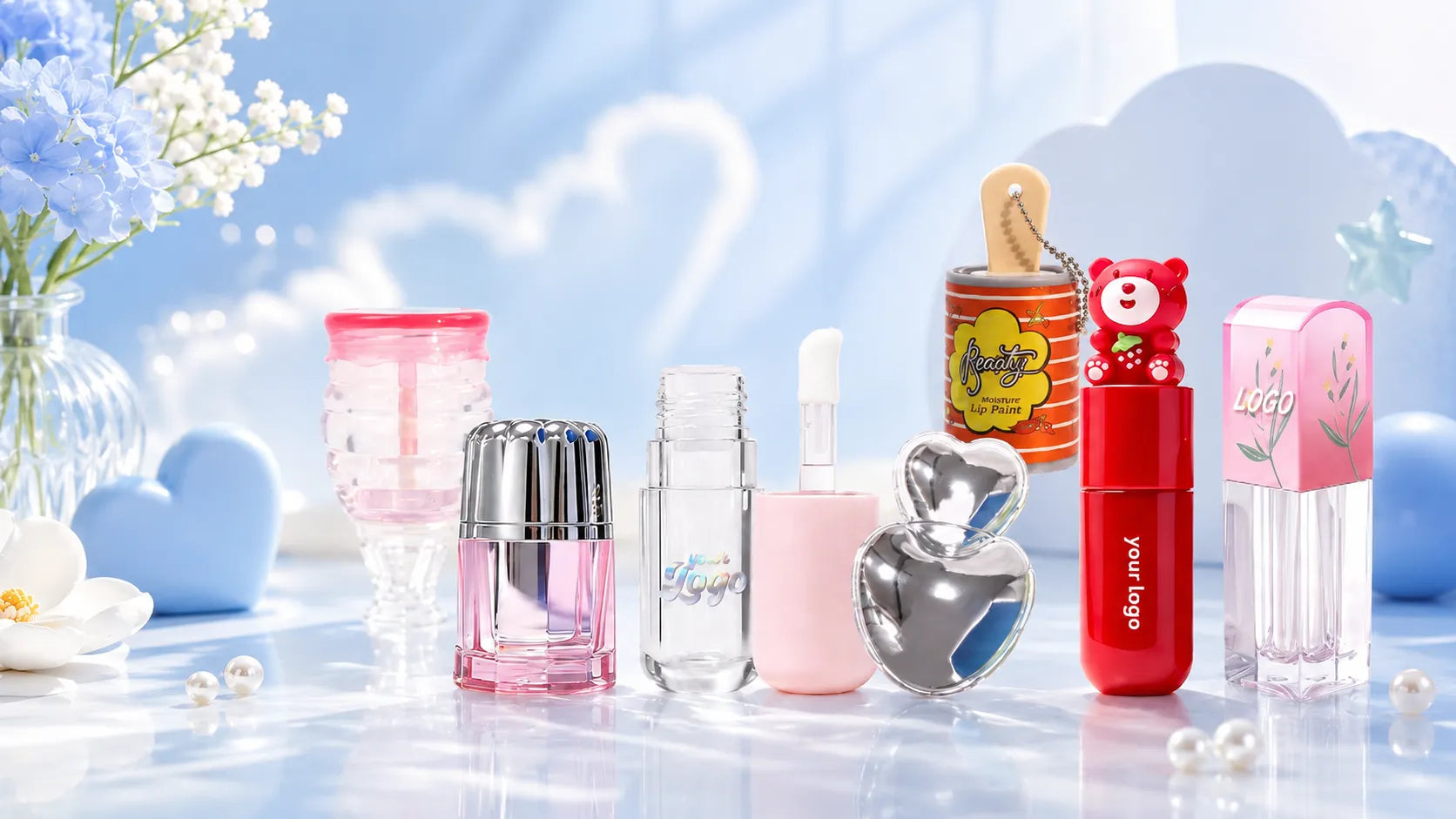
For example, a lip gloss tube, blush stick, and powder compact can use a coordinated body color, logo scale, surface texture, or metallic accent. Their shapes and component systems remain different, but the repeated visual language makes the products recognizable as one collection. KAIYA can compare material response, decoration area, and confirmed finish options across the selected container families.
9. Select the Right Cosmetic Container Format with KAIYA
KAIYA supplies and develops tubes, sticks, compacts, jars, bottles, palettes, and applicator systems for color-cosmetic projects. To narrow the format, provide the formula state during filling and normal use, target capacity, filling route, dispensing or application method, required tools, preferred visual direction, quantity, and launch plan.
KAIYA can compare suitable existing containers, component combinations, compatibility samples, appearance customization, and original-development requirements before the project moves into production.