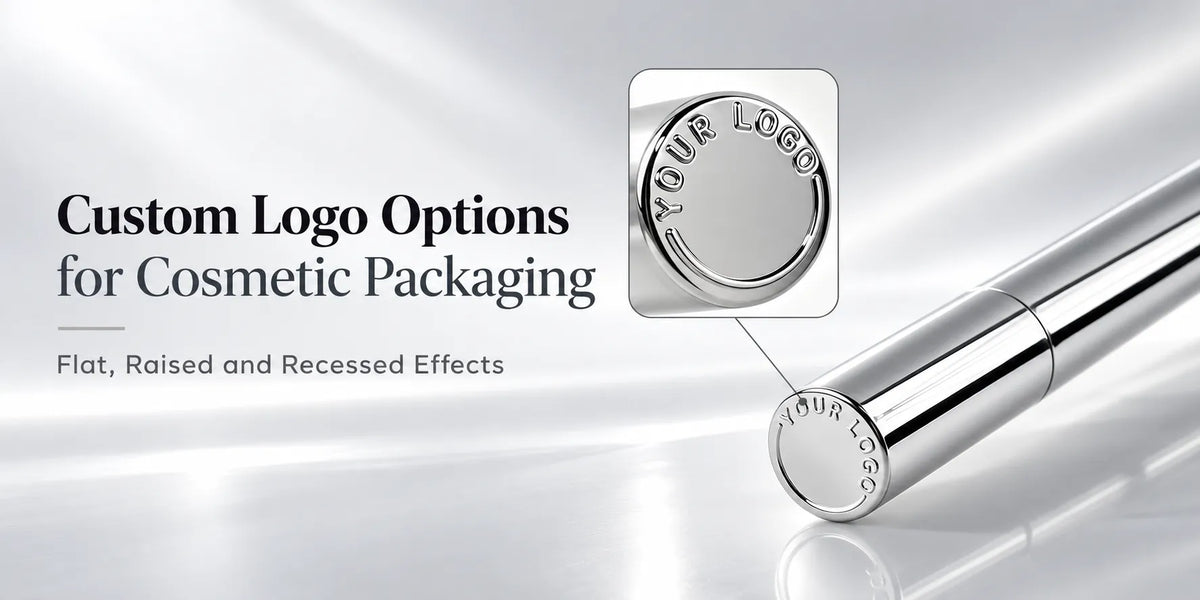
Hot stamping remains valuable in color cosmetics because it can add emphasis without taking over the entire package. At KAIYA, hot stamping is usually reviewed as a controlled highlight rather than a full-surface strategy. The point is not simply to add shine. The point is to direct attention to the part of the package that should carry the strongest visual signal.
This is especially useful in small-format makeup packaging where decoration has to stay disciplined. A compact lid, lip component, mascara shell, or stick package may only need one strong accent to feel more intentional. That is why KAIYA treats hot stamping as a hierarchy-building process rather than as a default premium shortcut.
- Quick screening framework:
- 1. decide whether the shell needs one metallic focal point or a broader reflective finish;
- 2. confirm whether the accent should sit on a logo, rim, shoulder, or naming zone;
- 3. compare gold, silver, and holographic foil by collection message;
- 4. check whether direct printing or metallization would solve the job more honestly;
- 5. only then lock foil placement and scale.

1. Why Hot Stamping Still Matters in Makeup Packaging
In many categories, the shell does not need a completely transformed surface. It may simply need a stronger brand mark, a more visible naming zone, or one metallic accent that makes the component feel more finished. Hot stamping works well in those cases because it can create visual hierarchy without overcomplicating the shell.
At KAIYA, this is why hot stamping is often discussed together with the dedicated hot stamping process page. The finish is not useful only because it shines. It is useful because it helps tell the customer what to notice first.

2. How KAIYA Reviews Hot Stamping on Small Components
Small-format makeup packaging can become visually messy very quickly if too many finishing ideas are combined at once. That is why KAIYA reviews hot stamping through restraint. The accent should have a clear job. It may strengthen the logo, frame the category name, or give the shell a more polished focal point, but it should not compete with everything else on the package.
This is especially true on lip packaging, compacts, and stick formats where the available surface area is limited. A well-placed hot stamp can strengthen the whole component. A poorly planned one can make the package feel crowded and less premium instead of more premium. In practical reviews, KAIYA usually asks whether the foil is helping the customer notice the brand mark first, the category name first, or the silhouette first. If the answer is unclear, the hot-stamped zone is often too decorative and not disciplined enough.

3. Where Hot Stamping Fits Best in the KAIYA Process System
KAIYA usually uses hot stamping where the package already has the right structure and only needs a more intentional highlight. That may happen in lip gloss or balm projects, face compacts, mascara-related components, or selected stick packaging where the shell benefits from a more visible detail without requiring full metallization or coating. This is especially useful in lines that are already being planned through a broader gold cosmetic packaging direction and only need selective metallic emphasis rather than full-surface shine on every SKU.
That is why hot stamping often sits beside the broader process direction on luxury cosmetic packaging, the wider complete surface treatment solutions page, and, where relevant, alongside material routes like lipstick container. The better decision is not to add as much finish as possible. It is to add the right visual emphasis in the right place.
This becomes especially useful when a shell already feels structurally right but still lacks one memorable focal point. In those situations, hot stamping can provide that emphasis without pushing the product into a heavier or more visually crowded finish strategy.

The harder judgment is whether that emphasis will still look deliberate once the line grows. A hot-stamped gloss cap, lipstick shell, or compact lid may feel precise in one approved sample and then become visually inconsistent if placement, foil sharpness, or hierarchy drift across later runs. KAIYA therefore treats hot stamping as a hierarchy-control decision, not just a quick premium accent.
KAIYA also checks foil direction very deliberately. Gold stamping can create a warmer premium signal, silver stamping can feel cleaner and sharper, and holographic or iridescent stamping may work when the brand wants more expressive novelty without moving into full-surface metallic finish. The right route depends on whether the product should feel classic, modern, playful, or gift-led. In practice, hot stamping becomes much more useful when the team is clear about whether the accent should support a gold cosmetic packaging direction, a cooler silver makeup packaging route, or a more statement-led special edition accent.
4. Why Hot Stamping Works Best as Controlled Emphasis
In KAIYA's process review, hot stamping is strongest when it supports visual hierarchy. It may make the logo read more clearly, highlight the category name, or define a premium accent zone on the shell. The process is not automatically valuable because it adds shine. It is valuable because it helps the customer notice the right thing first.
- Gold foil: usually feels warmer, more classic, and more visibly premium.
- Silver foil: usually feels cleaner, cooler, and sharper on modern lines.
- Holographic or iridescent foil: usually works better when the line wants playfulness, novelty, or a more expressive special-edition signal.

This is why hot stamping should be selected like a language choice, not just a finish add-on. The foil itself is already communicating something before the customer even reads the logo.
5. Compare Hot Stamping with Direct Printing and Metallization Before Committing
- Hot stamping: strongest when the package needs a selective metallic focal point rather than a fully transformed shell.
- Direct printing such as silk screen printing: stronger when the package mainly needs clean brand communication without metallic emphasis.
- Vacuum metallization: stronger when the visual plan needs a broader reflective shell direction rather than one precise foil hit.

In practical terms, brands should not ask which process sounds more premium in theory. The more useful question is what kind of emphasis the shell actually needs. If one logo ring or one naming zone is enough, hot stamping is often the cleaner answer. If the whole shell needs to turn reflective, metallization usually makes more sense. If the project only needs stable readable branding, direct printing may be the better route.
6. How KAIYA Supports Hot Stamping Projects
KAIYA supports hot stamping through placement review, category comparison, and broader line consistency checks. The goal is not only to make the package look more premium. It is to make sure the stamped accent gives the shell stronger hierarchy and clearer product identity.
For brands evaluating hot stamping, the best first step is to define what should stand out most on the package. Once that is clear, KAIYA can help compare the right stamping direction with more confidence. If you are reviewing a logo zone, naming zone, rim accent, or selective foil detail on a lip, eye, face, or stick component, KAIYA can help judge whether hot stamping is the right route or whether another finish would solve the job more cleanly.