Spray coating is a surface-finishing process in which liquid paint or a specialty coating is atomized into fine droplets, deposited over a prepared cosmetic packaging component, and then cured to create a controlled color, gloss, transparency, texture, or hand feel while the underlying packaging material and structure remain unchanged.
For B2B buyers, this is not only a color decision. The finish must suit the material, shape, assembly areas, later decoration, and handling conditions. A useful sample should confirm both appearance and assembled performance.

Quick screening framework:
- Confirm the base material and which components need to be coated.
- Define the target color, gloss level, transparency, texture, and hand feel.
- Decide whether the coating covers the full component or only a selected area.
- Mark threads, hinges, snap-fit areas, cap-contact zones, and other surfaces that may need to remain uncoated.
- Review the complete decoration sequence if printing, hot stamping, or UV processes will follow.
- Approve color, coverage, touch, assembly, and normal handling performance on a physical sample.
1. How Spray Coating Creates the Finished Surface
Spray coating atomizes liquid paint or a specialty coating into fine droplets, deposits it over the prepared component, and then cures the coating. The process changes the outer surface; it does not turn a plastic component into another material or alter the package mechanism by itself.

This distinction is important when buyers compare a coated sample with raw plastic cosmetic packaging. Molded plastic color is part of the component itself, while spray coating adds a separate surface layer. The coating can hide more of the base-material appearance and provide greater control over gloss or touch, but its adhesion, thickness, and wear performance must be checked as part of the finished system.
2. The Practical Advantages of Spray Coating
Spray coating is useful when the selected package structure works well but its uncoated surface cannot deliver the required color or tactile direction. It allows the brand to keep the existing component while changing how the exterior looks and feels.
- Controlled custom color: Pantone references can guide development when a brand needs a specific pink, blue, red, black, white, or another custom color rather than the natural appearance of the substrate.

- Broad surface coverage: the atomized coating can cover larger curved or irregular surfaces more continuously than a process intended mainly for a logo or small graphic.
- Multiple gloss directions: matte, satin, and glossy coatings allow the same component shape to support different visual styles.

- Tactile adjustment: selected soft-touch coatings can give the surface a smoother, softer, or more velvety hand feel, which is especially noticeable on packaging held during application.

- Series color coordination: a shared coating direction can connect tubes, caps, bottles, and compact cases that use different shapes or base materials.
- A base for further decoration: after compatibility testing, a coated surface can receive a logo, foil detail, or selected printed artwork.
3. Choose the Spray Effect According to the Design Goal
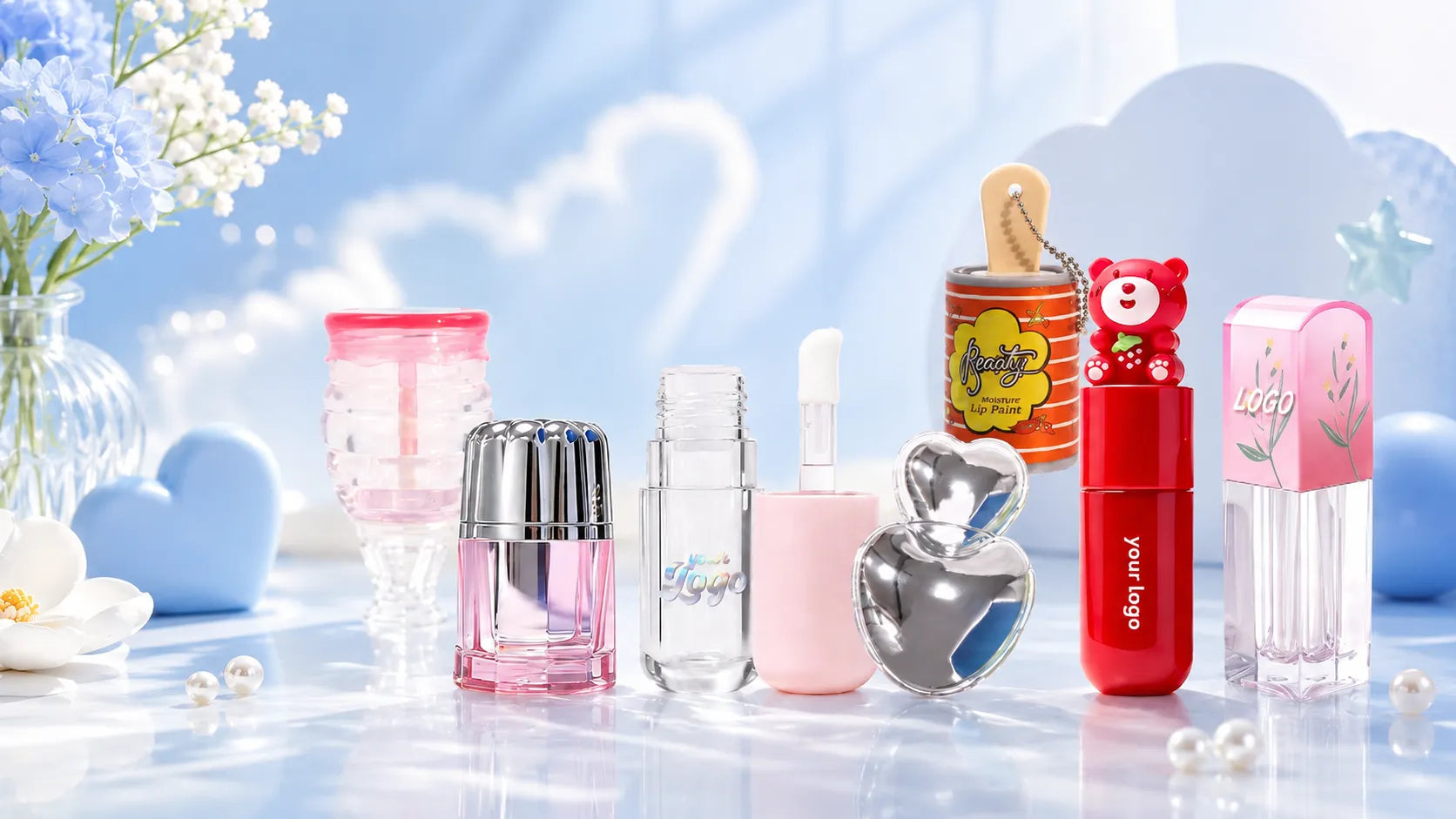
“Spray coating” does not describe one fixed appearance. The effects below are established coating directions and are also included in KAIYA's current spray-coating range. Pearl, gradient, and soft-touch projects normally require more exact sampling because their visual or tactile result depends strongly on the complete coating system and substrate.
- Solid opaque color: covers most of the visible substrate and gives the component a more uniform custom color.
- Matte, satin, or glossy: controls the level of reflection, from a restrained low-gloss surface to a brighter painted finish.

- Soft-touch: uses a specialty coating to make a hard packaging surface feel smoother, warmer, or more velvety; it does not mean the component itself becomes soft or padded. The exact touch, marking, and wear performance should be confirmed on the actual package.

- Pearlescent: introduces a softer light-reflecting effect. The pearl strength and base color should be approved under more than one lighting condition.

- Translucent or frosted-effect coating: keeps part of the underlying color or inner structure visible. This is a coating result and should not automatically be treated as the same construction as frosted material or sandblasted glass.

- Gradient: creates a controlled transition between colors or transparency levels. The sample needs to define the transition position, direction, and color depth.

KAIYA's frosted and matte finish page explains the difference between a translucent hazy effect and a low-gloss matte effect. This distinction helps buyers describe the result more accurately before selecting the production route.
4. Practical Spray-Coated Applications in KAIYA Packaging
Spray coating can be used across lip, eye, and face packaging, but the coating area and approval priorities change with the component.
- Lipstick and lip-care components: On lipstick tubes, coating can create pastel, opaque, matte, or soft-touch shells. The cap, base, and closure-contact areas should be checked together for color matching and rubbing.

- Mascara, eyeliner, and lip gloss components: Slim tubes and caps can share one coating direction across an eye or lip line. On an empty mascara tube, soft-touch coating can also change the grip and hand feel; long surfaces, fixture marks, threads, and cap-body color matching need attention.

- Foundation bottles: Matte or satin coating can reduce the reflection of selected foundation bottles. If visibility is required, the sample should define how much formula color or inner structure remains visible.

- Compact, cushion, and palette cases: Broad lids and distinctive shapes make color, gloss, dust, and thin coverage easier to see. On a powder compact case, the lid should be reviewed with the hinge, closure edge, recesses, and decorative trim.

- Stick packaging: Spray coating can coordinate the cap and body of cosmetic stick packaging for foundation, blush, contour, highlighter, or sunscreen products. Twist interfaces, cap-fit areas, and the base mechanism should remain functional after coating.
5. Spray Coating Compared with Other Surface Processes
Several decoration processes can appear on the same package, but they should not be treated as interchangeable.
- Spray coating: choose it when broad custom color, gloss, transparency, or hand feel is the main requirement.
- Vacuum metallization: choose it when a broad reflective metal-like surface is more important than a painted color or soft-touch effect.
- UV coating: choose it when a clear or tinted cured layer should add gloss, protection, or selective surface contrast. It may be applied over a spray-coated base after the complete layer sequence is tested; UV printing is a separate graphic-decoration route.

- Silk screen printing: use it for a solid-color logo, product name, or selected graphic rather than to change the whole surface.
- Hot stamping: use it for localized foil details such as metallic logos, lines, borders, or small accents.
6. Four Common Spray-Coating Problems and How KAIYA Controls Them
Spray-coating defects do not always have one fixed cause, so KAIYA reviews the visible problem together with the material, coating system, component shape, curing condition, and assembled package.
- Weak adhesion, lifting, or peeling: these problems may relate to component cleanliness, surface preparation, material compatibility, or curing. KAIYA reviews the actual substrate and coating route, keeps the sample material consistent with the proposed production component, and confirms adhesion after the coating has been cured.
- Orange peel, rough leveling, runs, or sags: these indicate that atomization, coating viscosity, wet film build, drying, or application conditions may need adjustment. KAIYA controls the spray and curing conditions around the approved sample and compares surface smoothness, gloss, and heavy-edge areas before bulk production.

- Thin corners, shadowed recesses, fixture marks, or uneven color: these are often connected to component geometry, holding position, spray angle, or film-thickness variation. KAIYA reviews fixture placement and coating coverage on edges, grooves, recesses, and irregular shapes, then retains the approved physical sample as the production reference.
- Scratches after assembly or failure of later decoration: coating at threads, hinges, cap-fit areas, or rotating interfaces may rub, while a logo or foil may not bond correctly to the coated surface. KAIYA marks reduced-build or no-spray areas where required, checks the assembled mechanism, and evaluates printing, stamping, or UV coating in the final production sequence.
The final approved standard should record color, gloss, touch, fixture position, no-spray areas, assembled operation, and the completed decoration result. This gives repeat production a more useful reference than a photograph of one attractive coated part.
7. Develop a Practical Spray-Coating Specification with KAIYA
KAIYA can review the packaging material, component shape, coating area, Pantone reference, gloss or tactile direction, functional contact zones, logo method, and decoration sequence before sampling. We can also compare spray coating with other cosmetic packaging surface treatments when the desired result may be better achieved through metallization, direct printing, hot stamping, or a combined process.
Buyers can send the selected packaging model, reference color or physical sample, finish description, components to be coated, artwork, order quantity, and any cross-SKU matching requirements. KAIYA can then coordinate the surface specification with sampling, assembly, decoration, and bulk production planning.