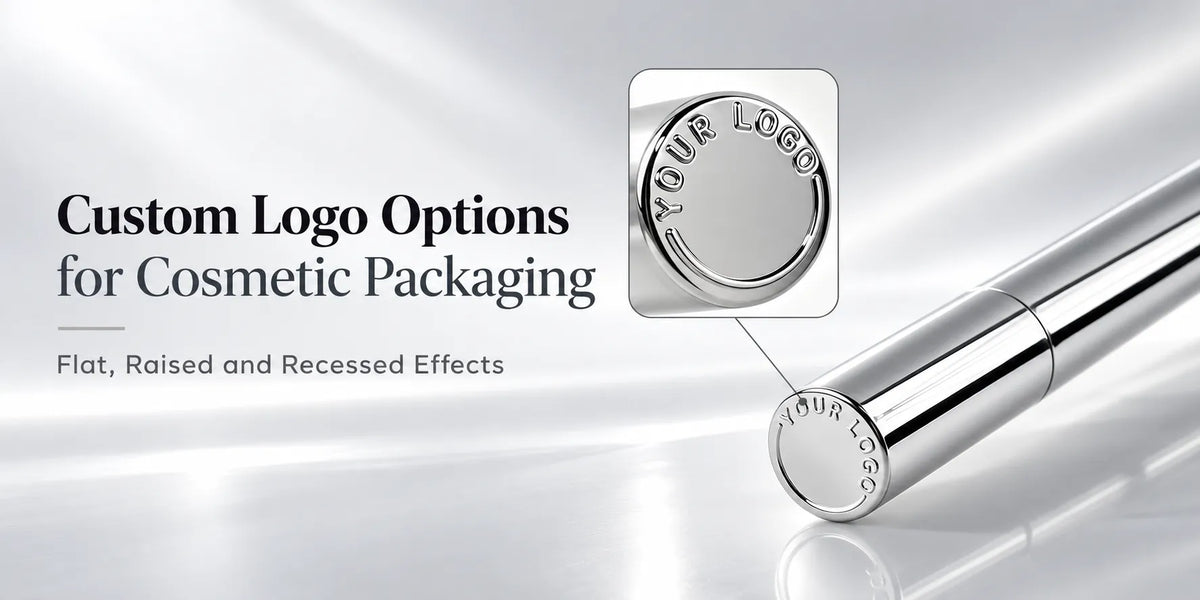
Vacuum metallization gives plastic and other suitable cosmetic packaging components a smooth, reflective metallic surface. It is commonly used to create silver, chrome, gold, and rose-gold effects, helping the package achieve a more polished and high-end appearance.
For B2B buyers, the key question is whether the project needs a broad metal-like surface, a localized metallic logo, a custom painted color, or an actual metal shell. These effects may look similar in photographs but come from different materials and processes. Understanding that difference helps brands select the right route before sampling.

Quick screening framework:
- Define whether the metallic effect should cover the full shell or only one component or accent area.
- Separate a metal-like finish on plastic from an actual aluminum component.
- Choose the target direction: chrome, silver, gold, or rose gold.
- Check corners, recesses, fixture points, assembly areas, and later logo decoration on the physical sample.
- Approve the color and reflection under more than one lighting condition before bulk production.
1. What Vacuum Metallization Changes

- Vacuum metallization is a surface-finishing process that gives a suitable packaging component a reflective, metal-like appearance. On a plastic lipstick shell, for example, it changes the outer surface while the base material remains plastic.
- Aluminum packaging, by comparison, uses aluminum as a metal material in the relevant component. Vacuum metallization can create a similar metallic look, but it does not reproduce the same natural metal texture and tactile quality as aluminum.
In simple terms, vacuum metallization is a finishing process, while aluminum is a material choice.
2. Why Brands Choose Vacuum Metallization
The main advantage of vacuum metallization is that it can give a plastic component a smooth, continuous metal-like appearance. Compared with ordinary color coating, its stronger reflection makes silver, chrome, gold, and rose-gold surfaces look more polished and visually refined. This is particularly useful for lipstick shells, compact cases, caps, collars, and other visible parts that need a more luxurious presentation.

- Stronger metallic effect: the reflective layer creates more convincing metal-like depth than a flat metallic color alone.
- High-end visual presentation: a clean, continuous reflective surface can make a standard plastic component look more polished without changing the original mold.
- Flexible color and coverage: brands can select silver, chrome, gold, or rose gold and apply the effect to the full shell or only specific parts.
- Product-line coordination: the same metallic direction can connect lipstick caps, mascara components, compact lids, and decorative collars across a collection.
- Compatibility with further decoration: selected metallized surfaces can be combined with logos or graphic details after the complete process sequence has been tested.
3. Select the Metallic Effect According to the Product Direction
Before sampling, the brand should decide which metallic tone it wants and how much of the component should carry the effect. A full chrome shell, a warm gold cap, and a narrow rose-gold collar create very different results even though all three may use vacuum metallization.
- Bright chrome or silver: creates a cooler, highly reflective and more forward-looking appearance. It can work across selected silver makeup packaging when the brand wants a clean, modern metallic direction.

- Gold or rose gold: gives lipstick shells, caps, compact frames, and other decorative parts a warmer visual direction. The approved sample should define whether the tone is pale, yellow, champagne, copper-led, or pink-led.

- Tinted metallic effects: a colored translucent coating can be combined with the reflective base to create blue, pink, green, or other colored metallic directions. The achievable color and consistency depend on the complete coating system and should be confirmed through physical samples.

- Iridescent effects: selected coating combinations can create a surface that shifts in color as the light or viewing angle changes. This is an iridescent or color-shifting effect and should not automatically be described as holographic or laser decoration, which may use a different visual structure or process.
- High-gloss or softer reflection: the final surface can be adjusted toward a brighter mirror-like result or a more restrained metallic appearance, depending on the confirmed coating direction.

4. Use Full Metallization or a Metallic Component with Purpose
A fully metallized shell creates a strong, continuous visual statement, but a project does not need to coat every part. Limiting the effect to the cap, collar, compact frame, or another component can establish hierarchy while leaving the remaining body transparent, matte, colored, or softly coated.
Full-shell direction: This works well when the package should read as one polished object, such as a lipstick tube or compact with a continuous silver or gold appearance. Because large reflective areas reveal dust, scratches, molding marks, and tone variation more easily, the underlying surface and protective finish become especially important.

Component-led direction: A metallized lip gloss cap, mascara cap, collar, or compact border can provide a metallic highlight without covering the product window or dominating the full package. This is useful when a brand wants the formula color or a custom body color to remain visible.

5. Practical Applications Across KAIYA Cosmetic Packaging
KAIYA applies metallized effects across lip, eye, face, compact, and stick components where a broad reflective finish supports the design. These applications have different practical priorities.
- Lipstick and lip balm shells: full or partial metallization can give a plastic outer shell a polished silver, gold, or rose-gold appearance. The cap and base should be assessed together so their tones and reflection levels do not look mismatched.

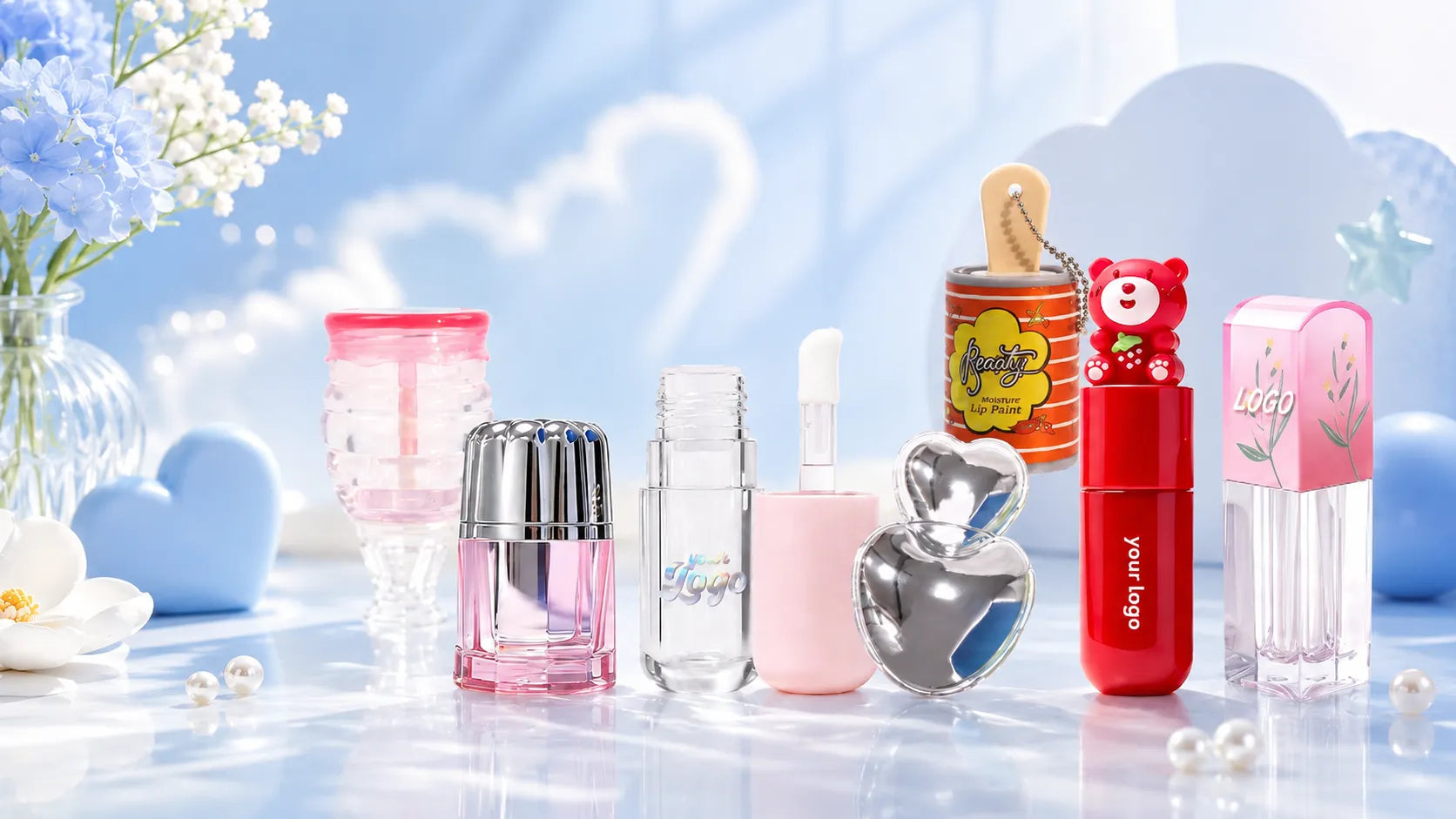
- Lip gloss and mascara components: metallized caps and collars can create a clear visual contrast against transparent or colored bodies. KAIYA also uses strong silver effects on selected heart-shaped lip gloss components, where the reflective finish follows a more expressive silhouette.

- Compact and cushion cases: a metallized lid, frame, or selected decorative area can add depth to a compact without requiring the whole case to use an actual metal shell. Broad flat areas make color consistency and surface cleanliness especially visible.

- Eyeshadow palette frames and cosmetic jars: selected borders, lids, and decorative parts can use metallic reflection to coordinate with the wider collection, provided the coating route suits the material and component geometry.

6. Vacuum Metallization Compared with Spray Coating, Hot Stamping, and Aluminum
These four routes are often grouped together because they can all create a premium-looking package, but they solve different design and material requirements.
- Vacuum metallization: creates a broad, continuous metal-like surface over a suitable component. Choose it when reflection across the part is central to the design.
- Spray coating: changes overall color, gloss, transparency, or hand feel and can create matte, glossy, pearlescent, translucent, gradient, or soft-touch effects. It is the stronger route when custom color or texture matters more than mirror-like reflection.
- Hot stamping: transfers foil to a localized logo, border, line, or decorative accent. It is more suitable when the metallic element should remain small and graphic rather than cover the full shell.

7. Combine Metallization with Logos and Other Surface Details
A reflective base often needs a second process to carry the logo or product information. Silk screen printing can add solid-color text over selected metallized surfaces, while hot stamping, laser engraving, UV processes, or knock-out screen printing may be considered where the material and decoration sequence allow.

The order of operations must be reviewed before production. Ink that adheres well to untreated plastic may behave differently on a protective top coat, and a later process may scratch, heat, or mark the reflective layer if the system is not compatible. KAIYA therefore evaluates combined finishes through an actual layered sample rather than approving each process in isolation.
8. What Buyers Should Check on the Metallized Sample
A useful approval sample should show more than the target color. Buyers need to review how the effect behaves across the complete component and after assembly.

- Coverage: inspect corners, grooves, recesses, edges, and fixture areas for weak coating, shadows, or exposed substrate.
- Reflection and tone: compare parts under neutral daylight and normal indoor lighting, especially for gold and rose-gold effects.
- Surface quality: check dust points, roughness, orange-peel appearance, scratches, fingerprints, and visible molding defects.
- Adhesion and wear: confirm that the complete surface finish remains stable under the agreed handling and rub checks.
- Assembly: make sure coated parts still fit, rotate, close, and align correctly, with no damaging friction at contact areas.
- Decoration compatibility: check the logo position, adhesion, contrast, and edge quality after all additional printing or stamping steps are complete.
- Repeat production: retain an approved physical standard because metallic tone and reflection are difficult to control from a screen image alone.
9. Develop a Controlled Metallized Finish with KAIYA
KAIYA can review the base material, component shape, full or partial coverage, metallic tone, gloss level, logo method, assembly areas, and durability expectations before sampling. We can also compare vacuum metallization with other cosmetic packaging surface treatments so the selected process matches the actual design goal.
Buyers can provide the packaging model, preferred metallic reference, target components, logo artwork, order quantity, and any collection-matching requirements. Through KAIYA's custom cosmetic packaging service, the finish can then be coordinated with decoration, assembly, sampling, and bulk production.