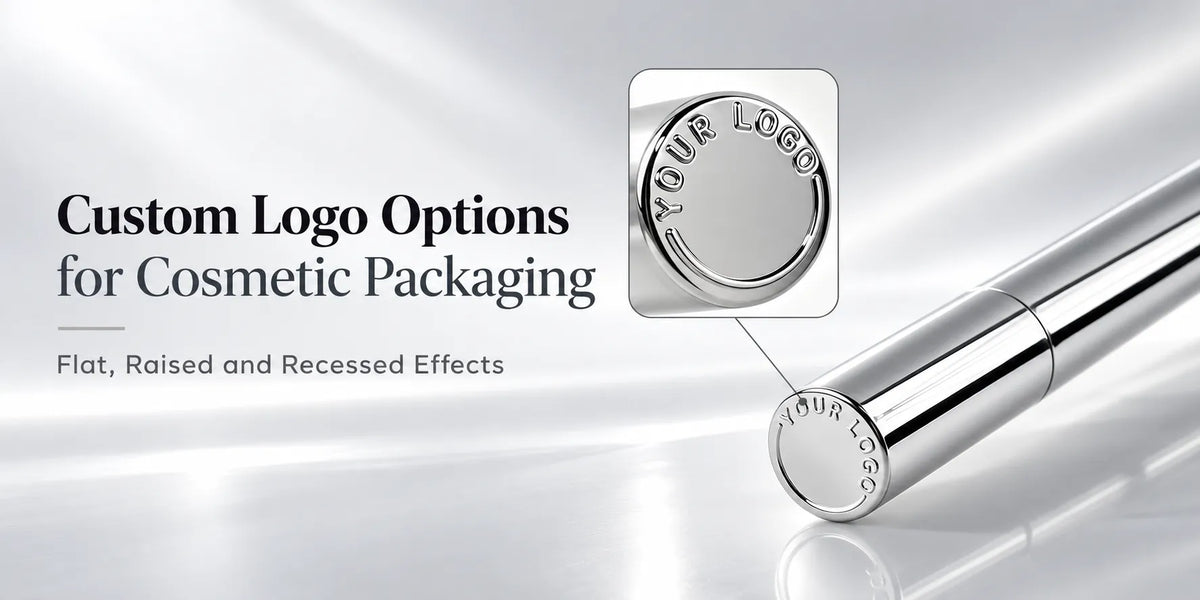
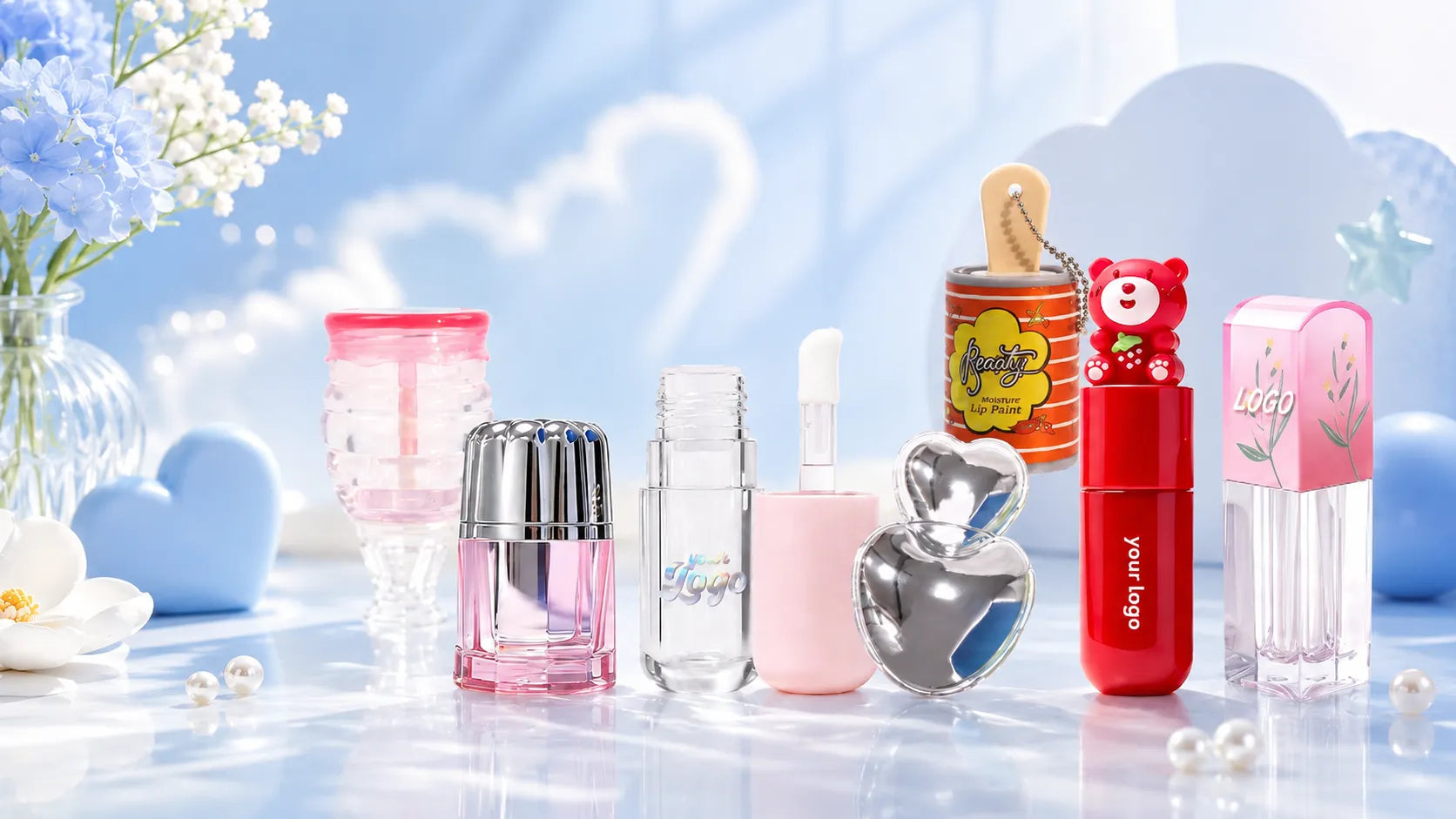
Silk screen printing can do more than place a small logo on cosmetic packaging. It can add product names and shade information, create clear solid-color graphics, cover selected components with a fuller color layer, or use unprinted negative space to reveal the surface underneath. Its value comes from matching the artwork and package shape to what the process can reproduce cleanly.
This article explains the advantages of silk screen printing, KAIYA's practical applications, its limits, and how it compares with nearby decoration routes.

Quick screening framework:
- Choose silk screen printing for solid colors, clean text, logos, and simple graphic blocks.
- Check whether the print zone is flat, evenly cylindrical, or too irregular for stable screen contact.
- Count the colors: each color normally requires its own screen, positioning, printing, and curing step.
- Confirm the packaging material, existing surface finish, ink system, and curing route together.
1. How Silk Screen Printing Works on Cosmetic Components
In silk screen printing, ink is pushed through the open areas of a mesh screen and deposited onto the component. The printed ink is then cured by the process selected for the material and ink system. Because the artwork is separated by color, a two-color logo requires more registration control than a one-color logo.

The final print depends on the mesh and artwork opening, ink selection, package surface, fixture, and curing conditions. A digital artwork file shows the intended design, but the physical sample reveals whether the ink layer, edges, and registration work on the real component. This is especially important when cosmetic screen printing uses more than one color or follows a cylindrical surface.
2. Why Brands Choose Silk Screen Printing
Silk screen printing is often chosen because it can place a clean, solid ink graphic directly onto the packaging component. When the surface, ink, and curing route are properly matched, the result can provide clear branding without adding a separate label or changing the underlying package structure.
- Clear solid-color printing: logos, product names, shade codes, and simple graphics can retain strong edges and visible color coverage.

- Useful opacity: the deposited ink layer can help light-colored artwork remain visible on dark packaging and give solid graphics more presence on transparent or colored components.
- Direct integration with the package: the artwork sits on the component itself, helping the logo and product information feel like part of the finished surface rather than an added label.

- Flexible levels of coverage: the same process family can support a small logo, a wider cylindrical print, selected full-coverage color, or a knock-out design where the base surface remains visible.
These advantages are most useful when the design remains suitable for the process. Adding more colors, very fine details, or difficult curves increases the need for registration and surface control, so the print route should be considered before the artwork is finalized.
3. Match the Artwork to What the Process Does Well
Silk screen printing is particularly suitable when the artwork has clear boundaries and does not depend on continuous color transitions. A brand does not need to remove all visual character, but it should design within the practical range of an ink-and-screen process.
- Good matches: one- or two-color logos, product names, shade codes, short text, lines, icons, and solid graphic blocks.

- More demanding: several closely registered colors, very small reverse text, fine lines across a seam, or artwork close to a component edge.
- Better handled by another route: photographs, detailed illustrations, smooth gradients, or broad multi-color patterns may be more suitable for heat transfer printing or another confirmed full-color process.

The package background also changes the result. A white logo may need enough opacity to remain clean over black plastic, while the same ink on a frosted or translucent tube creates a softer contrast.
4. What Changes When Screen Printing Cosmetic Bottles, Tubes, and Compacts
Component geometry directly affects the printing route. For regular cylindrical packaging, such as selected mascara tubes or lip gloss containers, the component can rotate as the screen and squeegee transfer the design. This makes a wider print area possible, but the printable circumference, seam position, cap orientation, and start-and-stop point still need to be defined.

Flat compact lids and palette covers provide a more stable print zone, while a square bottle may require separate passes for the front, back, or side faces. Tapered shoulders, deep curves, raised details, and irregular novelty shapes reduce consistent screen contact. In those cases, artwork may need to be reduced or moved, or pad printing may be the more reliable option.
5. Three Practical Silk Screen Applications from KAIYA
KAIYA uses silk screen printing in different ways according to how much of the surface the ink needs to occupy. The following applications show why the process should not be treated only as a standard logo method.
- Clear logo printing on tubes and bottles: A lip gloss tube, mascara tube, foundation bottle, or lip balm container may need only a logo, product name, or shade information. Silk screen printing keeps this information directly on the shell without introducing a separate label. On transparent packaging, the logo position should also be checked against the fill line and internal components.
- Full-coverage printing on an eyebrow gel cap: KAIYA has applied full-coverage screen printing to eyebrow packaging caps. Instead of printing a small mark, ink covers the visible surface to create a solid color effect. This requires more control over ink density, curing, edge cleanliness, and pinholes than a standard logo because uneven coverage becomes much easier to see.

- Knock-out printing over a decorative base: In a knock-out design, the surrounding area is printed while selected logo or pattern areas are left open. The metallic, translucent, or base-color surface then shows through the unprinted areas. This can create a layered result without adding another printed color, but the negative-space edges must remain sharp and correctly positioned.

6. Silk Screen Printing Compared with Other Decoration Processes
The closest alternative depends on what the buyer is trying to achieve. The following comparison is more useful than asking which process is universally better.
- Silk screen printing vs. pad printing: choose silk screen printing for a stable flat or regularly cylindrical print zone and a broader, more opaque ink area. Choose pad printing for small logos or details on curved, recessed, tapered, or irregular surfaces.

- Silk screen printing vs. hot stamping: silk screen printing creates a solid ink graphic in custom colors. Hot stamping transfers foil and is usually selected for localized gold, silver, holographic, or other foil accents.

- Silk screen printing vs. heat transfer printing: silk screen printing is more suitable for disciplined spot-color graphics. Heat transfer printing becomes relevant when the package needs gradients, illustrations, repeated patterns, or several colors within one larger artwork.
- Silk screen printing with a surface finish: printing can be added over selected spray-coated, frosted, or metallized surfaces when the ink and process sequence are compatible. A combined sample is important because adhesion on a finished surface may differ from adhesion on the original material.
7. What Buyers Should Check During Sampling
A silk-screen sample should be reviewed as a finished component, not only as a correct logo. Buyers should check whether the print remains legible, aligned, and securely attached through handling, assembly, packing, and normal product use.
- Ink opacity and color: check whether the base material shows through and whether the approved color still looks correct on the real surface.
- Artwork position: confirm distance from the cap, base, seam, window, and other components, especially when the package has a fixed front direction.
- Registration: examine the alignment between colors and the clarity of small reverse areas.
- Edges and coverage: look for pinholes, broken lines, ink buildup, blurred edges, or incomplete printing around curves.
- Adhesion and wear: the ink, material, surface preparation, and curing conditions should be checked together through suitable handling and rub tests.
- Bulk repeatability: keep an approved physical sample and agreed color reference for later production and repeat orders.

8. Develop the Printing Route with KAIYA
KAIYA can review the component material, shape, print area, artwork, color count, existing finish, and order direction before the screen is prepared. If silk screen printing is not the most suitable option, we can compare it with pad printing, hot stamping, heat transfer printing, or other cosmetic packaging surface treatments.
For a more accurate recommendation, buyers can provide the selected packaging model, vector artwork, Pantone reference, target print position, number of colors, order quantity, and any reference sample. KAIYA can then connect the decoration plan with sampling and bulk production through its custom cosmetic packaging service.