Choosing beauty stick packaging for makeup projects should not begin with silhouette preference or trend language alone. It should begin with product role, handling rhythm, mechanism pressure, and how the stick is expected to function inside the wider line. This is especially important when a brand is comparing foundation stick packaging, blush stick packaging, and beauty stick packaging for highlighter inside one face collection. The outer family may look related, but the commercial expectations are usually different.

At KAIYA, stick selection becomes much easier when the team works through a clear order:
- 1) define what the product is supposed to do,
- 2) confirm which mechanism behavior is acceptable,
- 3) choose the material route,
- 4) decide what kind of finish the route can honestly support, and
- 5) validate the component in a pilot stage before the project is treated as production-ready.
This sequence is useful because it prevents decoration from becoming a distraction from structural fit.
That is why we usually treat stick packaging as a real B2B evaluation problem rather than a quick styling choice. Even when the project begins from a simple brief, the final decision still needs to account for cap feel, twist consistency, filling tolerance, transport behavior, reorder stability, and whether the component can support line expansion later. Those are the issues that decide whether the route stays commercially useful after launch.

Quick screening framework:
- 1. define whether the stick is foundation, blush, highlighter, or contour;
- 2. confirm the mechanism expectations before discussing decoration;
- 3. compare plastic and aluminum by category pressure, not by prestige alone;
- 4. test whether the finish can stay stable in pilot and repeat production;
- 5. judge the supplier by validation discipline, not by catalog size.
For current structure references, brands can start with cosmetic stick packaging. But the real work begins after that, when the team has to decide which stick route actually belongs to which category and which material system can support the target position without creating unnecessary complexity.
1. Define the Product Role Before Choosing a Structure
The first step is to decide whether the stick is supposed to be a hero complexion SKU, a portable touch-up format, or a support item within a wider face line. Without that clarity, teams often compare structures using the wrong standard. A foundation stick, for example, is usually expected to feel more grounded, more credible, and more stable in repeated use than a lighter highlighter or blush stick. If those products are evaluated through one identical checklist, the result is often a structure that is too heavy for one route and too weak for another.

KAIYA therefore usually brings the discussion back to makeup packaging by application first. A foundation stick packaging route should normally be assessed against broader complexion expectations, while a blush stick packaging or beauty stick packaging for highlighter route may be judged more through touch-up rhythm, portability, and collection balance. This sounds obvious, but it is one of the most common places where sampling starts going in the wrong direction.
2. Lock Mechanism Priorities Before Decoration Discussion
- Ask the mechanical questions first: does the twist feel stable, does the cap close with enough authority, and will the shell still feel convincing after repeat opening and transport?
In stick packaging, the mechanism is the real quality layer. The consumer may notice color and finish first, but what they trust over time is the twist feel, cap security, fit consistency, and whether the shell still feels controlled after repeated use. That is why KAIYA usually asks brands to lock mechanism priorities before spending too much time discussing decoration.

This is also the point where teams should decide whether the route needs a basic twist-up system, a heavier premium-feel turn, a more compact portable format, or a refill-oriented concept. If this logic is unclear, later decoration can easily polish the wrong shell. A visually strong sample may still become a weak commercial answer if the cap feels loose, the twist response drifts by lot, or the overall shell balance feels underbuilt for the category.

For B2B projects, mechanism validation is what most clearly separates a commercially useful component from a presentation-friendly sample. A stick that cannot hold stable behavior through pilot testing rarely becomes easier to manage after branding is added.
3. Choose Materials by Category Pressure and Channel Target
- Do not ask only which material looks more premium. Ask which one makes the route easier to scale honestly.
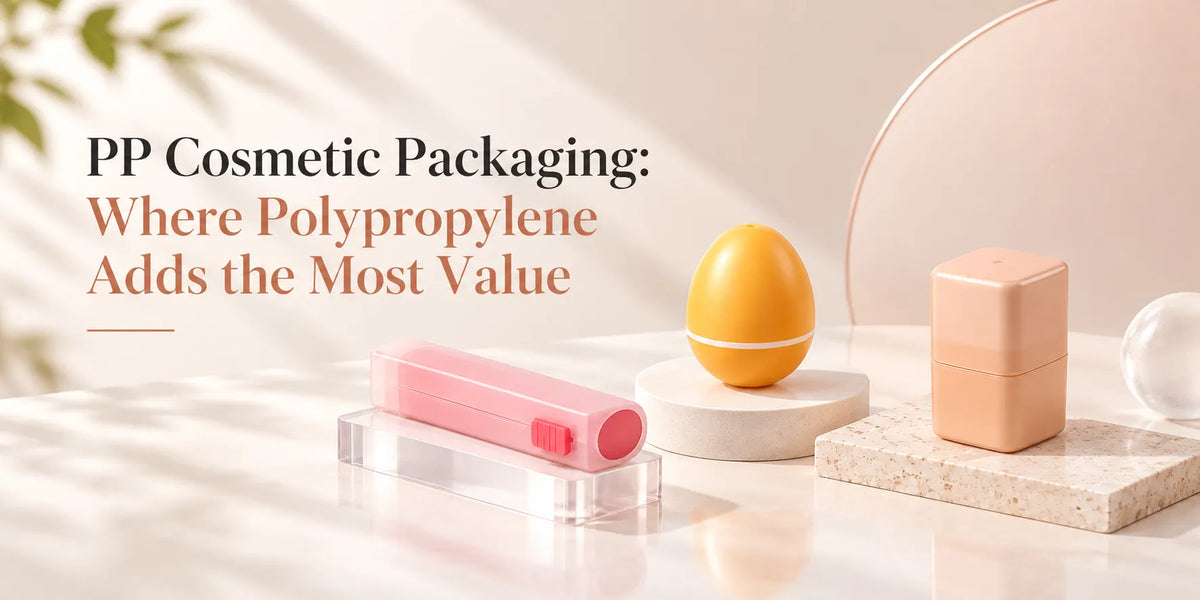
Plastic remains the main route in many color-cosmetics stick programs because it supports repeatable molding, flexible decoration, and scalable assembly.
At KAIYA, we usually compare PP, ABS, AS, and PETG according to what the stick is being asked to do.
- PP often remains practical in more functional inner or structural roles.
- ABS is often more relevant when the outer shell needs clearer definition or stronger finish support.
- AS can help in selected components where cleaner visual clarity or more rigid feel is useful.
- PETG may be relevant when teams need a different balance of toughness and appearance.

- KAIYA also checks when an aluminum route becomes stronger.
Aluminum is not automatically better, but it can be much more useful when the outer shell needs stronger premium authority, cleaner metallic discipline, or a more reusable impression. This is especially relevant in selected aluminum cosmetic packaging programs and refill-oriented concepts where the shell itself is part of the long-term value story. If the project is more price-sensitive, more promotional, or built for faster shade expansion, a plastic-led route may still be commercially smarter.

4. Size Selection Should Match Formula Coverage and Product Role
- Do not treat all beauty sticks as one diameter family.
One of the most practical selection points is size.
A foundation stick usually needs a more believable complexion scale, because the user expects broader coverage and stronger hand feel. A blush or highlighter stick can often work in a smaller or more touch-up-oriented size because the product is being applied in more focused zones. If the stick is too slim, a foundation route may start feeling underbuilt. If it is too heavy, a highlighter or blush route may lose portability and feel slower than the category needs.

KAIYA therefore usually checks diameter, exposed formula width, and total shell proportion before decoration moves too far. The point is not to make every stick larger. The point is to make the size feel correct for how much of the face the product is expected to cover. This is especially relevant when one line includes foundation stick packaging alongside blush stick packaging or broader blush, contour and highlighter packaging routes.
In practical B2B review, a foundation stick normally benefits from a fuller shell presence because it is expected to cover larger facial areas and feel stable in the hand during repeated direct application. A blush stick can often move into a slimmer or shorter format because it is working on more focused cheek placement and is often used in a more portable touch-up rhythm. Highlighter and contour routes may sit between those two extremes depending on whether the brand wants a stronger sculpting feel or a lighter glow-led applicator. What matters is that the shell scale feels correct for the job. If a blush stick is oversized, it can feel slow and wasteful. If a foundation stick is undersized, it can feel like a support SKU rather than a real complexion format.

5. Finish Direction Must Support the Product Role
Beauty stick packaging often enters discussion through words such as clean, premium, sleek, modern, or portable. Those words are only useful when they are translated into actual process choices. A complexion-led stick may need stronger restraint, tighter proportion, and a cleaner shell language. A highlighter or blush stick may allow a more expressive color route, but it still has to remain coherent enough for repeat production and the intended retail level.
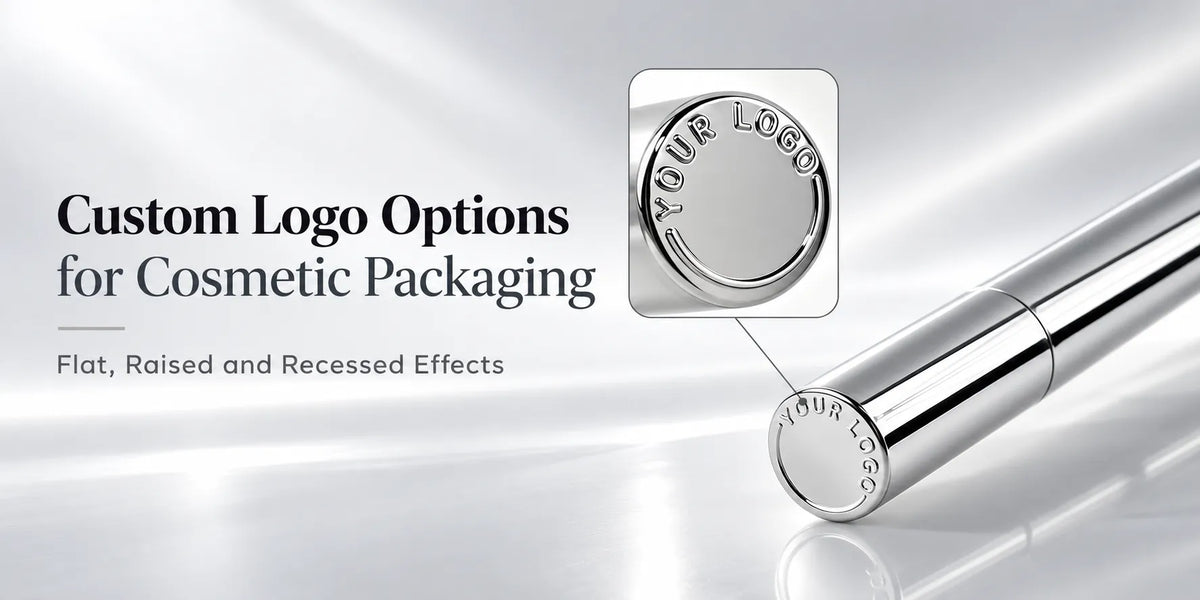
That is why KAIYA normally checks finish direction against cosmetic packaging materials and complete surface treatment solutions together. If the target is a glossy beauty stick packaging route with stronger reflective impact, vacuum metallization may be the more relevant process direction. If the brand wants a softer painted shell, clearer color expression, or a more tactile matte message, spray coating often becomes more useful. For tighter logo hierarchy or smaller accent work, hot stamping and silk screen printing often matter more than broad finish language alone.

6. Dual-Ended Applicator Structures Are Becoming More Relevant
- Some stick projects now need application help built into the package itself.
In current color-cosmetics development, dual-ended beauty stick packaging is becoming more common. One side carries the formula stick, while the other side may include a soft brush, a soft silicone tip, or another blending aid that helps spread, soften, or detail the product after direct application. This is especially relevant when the brand wants a faster routine story around blush stick packaging, contour correction, or a more polished highlighter route.

The advantage of this kind of structure is not novelty alone. It gives the brand a clearer use story and can make the package feel more complete in travel, touch-up, or on-the-go makeup use. But it also means the cap logic, hygiene logic, and balance of the full shell need to be reviewed together from the beginning rather than treated as an afterthought.
7. Charm-Led Stick Packaging Is Growing in Portable Makeup Programs
Hanging features are no longer limited to novelty projects.
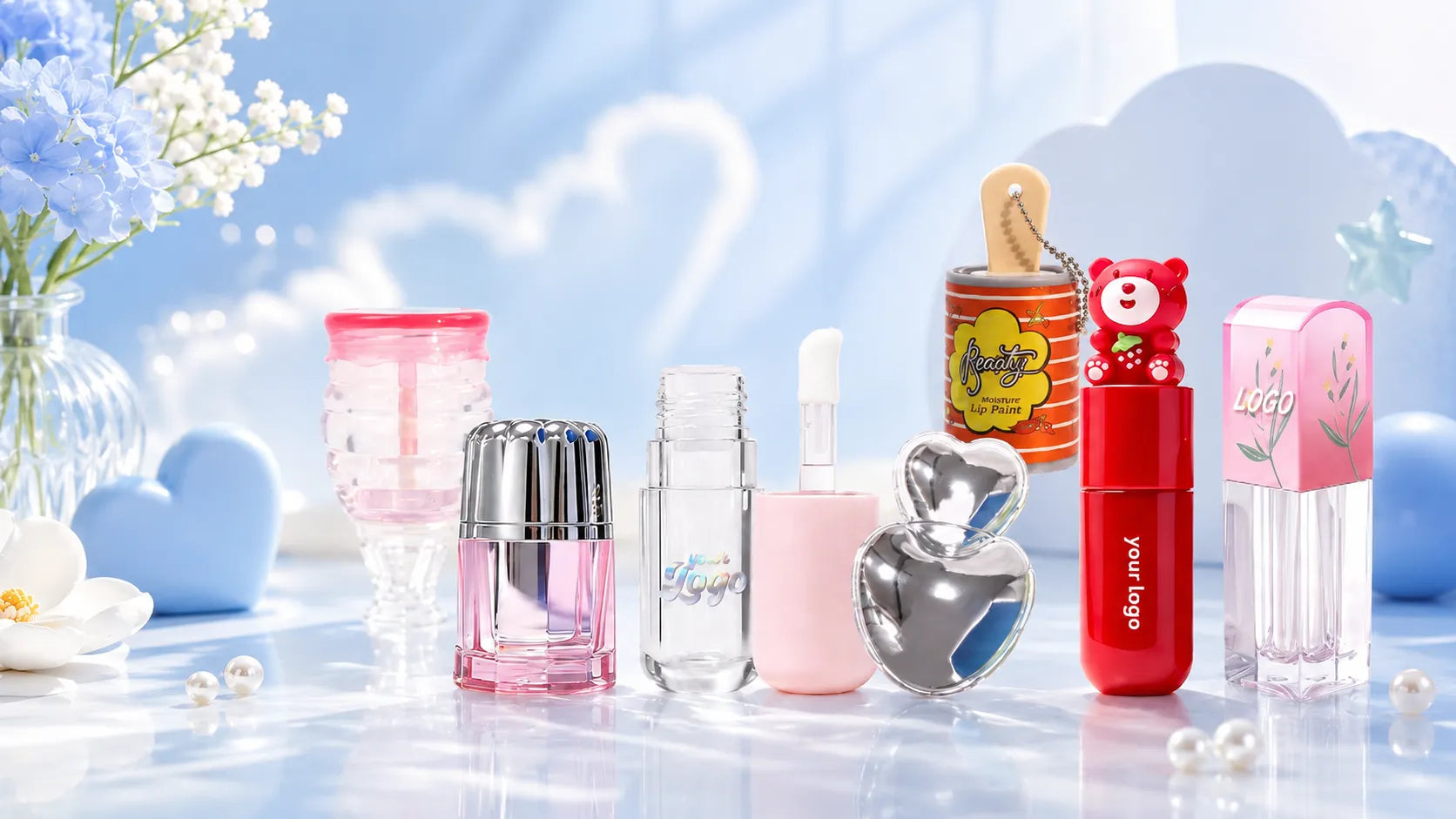
Another direction becoming more visible is charm-led or hanging beauty stick packaging. In portable makeup programs, a decorative ring, hanging attachment, or keychain-style detail can make the stick feel easier to carry, easier to clip into accessories, and more obviously designed for movement and convenience. This is one reason some brands now treat charm features as part of the product story rather than as a purely decorative extra.
At KAIYA, this kind of route is usually reviewed against portability, cap security, and overall collection fit. If the charm feature is integrated well, it can strengthen the package’s travel identity. If it is treated only as ornament, it can make the shell feel busy instead of useful. The stronger route is usually the one where portability and appearance reinforce each other.

8. Map the Stick to the Right Makeup Use Case
- Application mapping should be explicit, not implied.
Beauty stick packaging becomes much easier to choose when the intended makeup use case is named clearly. At KAIYA, the most common face-stick routes usually connect to foundation stick packaging, blush stick packaging, sunscreen stick packaging, and the broader family of contour and highlighter packaging. Those categories can sometimes share a structural family, but they still need different standards for size, shell authority, and accessory logic.
A foundation stick normally has to feel more complete as a complexion product. A blush stick can allow a lighter and more portable rhythm. A highlighter or contour stick may need a more focused application identity and may be the category where an auxiliary blending feature is most worth discussing. Once those roles are separated clearly, the component decision usually becomes much cleaner.
9. Pilot Validation Is Where the Real Decision Happens
- A good-looking first sample is not the same as a production-ready stick route.
How to choose beauty stick packaging effectively depends on what is validated between sample and PO scale. Teams should not only approve the shell visually. They should test mechanism consistency, cap retention, shell fit, finish durability, and the route’s behavior after basic transport simulation. If one stick family may later extend from foundation to blush or highlighter, that expansion pressure should already be considered in the pilot stage.
This is where many projects either become stronger or become expensive. If pilot review is weak, the project often shifts avoidable correction cost into mass production. In stick packaging, even a small cap-fit drift or twist inconsistency becomes more visible once several SKUs share one component family. KAIYA therefore prefers a staged validation sequence: mechanism first, fit second, finish third, repeat-order assumptions last.

10. Supplier Quality Is About Governance, Not Catalog Size
The strongest supplier is not always the one with the biggest stick catalog. It is usually the one that can explain what should be sampled first, what should remain standard, what can safely be customized later, and how repeat-order consistency will be protected. A supplier that only presents attractive first samples may still be a weak long-term partner if the project lacks validation discipline.
KAIYA usually recommends asking for process evidence: tolerance control logic, pilot criteria, repeat-lot expectations, and how the supplier handles category differences between foundation, blush, and highlight sticks. These are more predictive than assortment breadth alone. For brands building a real stick line, governance is often the difference between a product that launches attractively and a product family that remains stable over time.
11. Final Guidance
A strong beauty stick packaging decision is not about finding the most decorative shell. It is about selecting the most defensible route for the product role, the material pressure, and the scale plan. That means defining the category first, locking mechanism logic second, choosing material and finish third, and validating the result before the route is treated as ready.
KAIYA supports this process so brands can compare foundation stick packaging, blush stick packaging, and highlighter-led stick routes through real commercial logic rather than trend language alone. In practical B2B work, that is what keeps the stick family convincing from launch to reorder.