Innovative cosmetic packaging attracts attention quickly, but in color cosmetics the stronger question is not whether the package looks unusual. It is whether the innovation improves something commercially useful: easier carrying, clearer category identity, better refill value, stronger giftability, or a more memorable use story.
At KAIYA, this is why innovative makeup packaging is reviewed as a packaging-strategy decision rather than as a novelty decision. A special format should still make sense as real lip, eye, face, brow, or stick packaging before it tries to become collectible or trend-led.

That is also why KAIYA places these routes inside the wider innovative cosmetic packaging direction early. The goal is to decide what the difference is actually doing for the product line, not just whether the sample photographs well.
- Quick screening framework:
- 1. identify whether the innovation is solving portability, use convenience, material mood, modularity, or refill value;
- 2. keep the cosmetic category recognizable before adding special features;
- 3. check whether the concept can work across more than one SKU;
- 4. confirm whether the structure can survive sampling, assembly, shipping, and reorders;
- 5. decide whether the innovation should act as novelty only or connect to longer-term shell value and sustainability.
1. Innovation Should Improve Product Role, Not Only Outer Appearance
At KAIYA, innovative cosmetic packaging is strongest when it gives the product a more specific role. A special structure may help a lip item feel more collectible, a face stick feel more premium, or an eye package feel more modular. But if the innovation only adds visual complexity without improving category clarity, the commercial value usually stays weak.
This is one reason KAIYA usually compares special-format decisions against the broader makeup packaging by application logic. The route still has to make sense as lip, eye, or face packaging first. A special shell that weakens category readability can create short-term interest while making the collection harder to scale later.

2. The Best Innovative Routes Usually Start from a Familiar Category Base
Most successful innovative projects do not begin from a completely unfamiliar structure. They begin from a recognizable format and then push one part of the experience further. That may mean a more distinctive cosmetic stick packaging route, a more modular compact direction, or a more visible package that still stays usable in daily handling.
This matters because color-cosmetics customers still expect the category to feel familiar enough to trust. If a stick no longer feels like a believable stick, or a palette no longer feels like a usable grouped product, the innovation starts fighting the product instead of supporting it. KAIYA therefore prefers innovation that builds on known use behavior instead of trying to replace it completely.
In practice, this is why many of KAIYA's more useful innovation routes still start from familiar cosmetic behaviors. A 3-in-1 magnetic eye package still keeps recognizable mascara, brow, or gloss-style modules. A phone-stand-compatible cream package still behaves like a small cream or balm compact. A dual-ended eyebrow package still supports real brow application and grooming. The innovation becomes useful because the product remains understandable while the experience becomes more distinctive.
3. Six Innovation Directions Are Becoming More Relevant in Color Cosmetics
Innovative packaging is not one commercial story. At KAIYA, the more useful routes are now clustering into six clearer directions rather than one vague “special packaging” category.
- 1. Portability-led innovation: keychain, charm-led, and hanging formats that make makeup easier to carry and easier to remember.
- 2. Material-expression innovation: routes such as wood caps with clear PETG bodies, where the value comes from natural contrast, tactile warmth, and a more handcrafted-feeling product identity.
- 3. Use-simplifying innovation: structures such as one-hand push compacts or phone-stand-compatible packs that solve daily use friction from the consumer side.
- 4. Multi-function and long-life structure innovation: dual-ended brow formats, 3-in-1 modular packs, and refill-oriented stick systems that make one component do more work over time.
- 5. Refillable innovation linked to sustainability: routes where the shell is intentionally built for reuse so the refill story supports a more credible environmental and long-term value message.
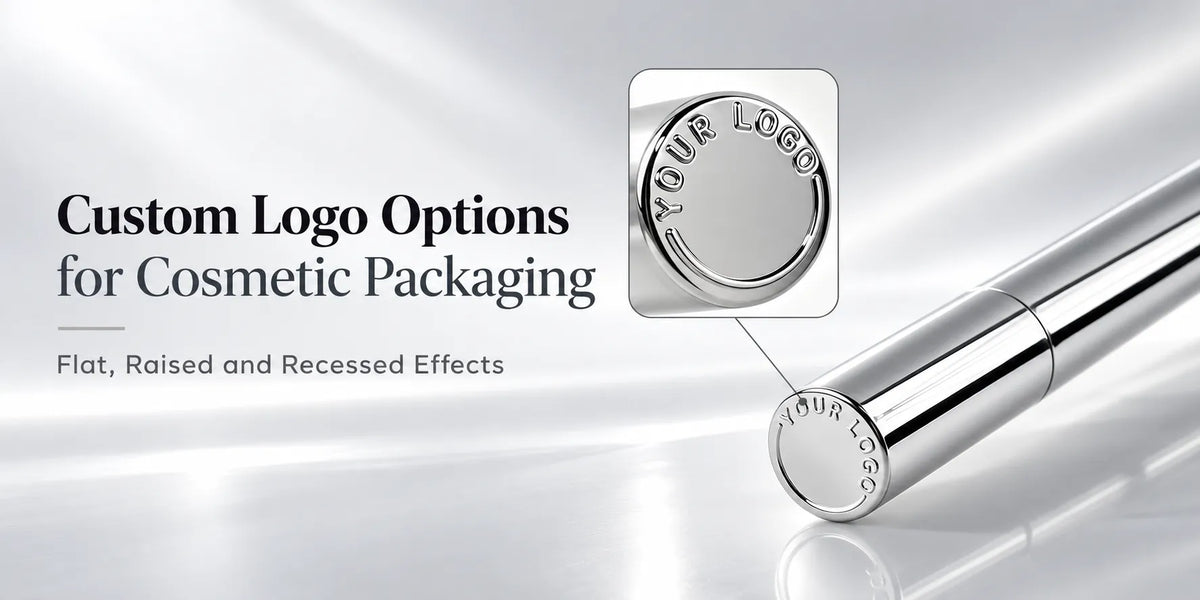
- 6. Aluminum-led innovation: routes where aluminum becomes important not only for metallic appearance, but also for shell authority, perceived durability, and stronger premium structure in refill-aware or hero products.

Those directions should not be treated as interchangeable. Some innovations are about emotional memorability. Some are about material mood. Some are about easier handling. Others are about modularity or longer shell value. KAIYA usually keeps those commercial jobs separate so the brand is not buying a special feature without knowing exactly what problem it is solving.
4. Keychain and Charm-Led Packaging Now Deserves Its Own Innovation Category
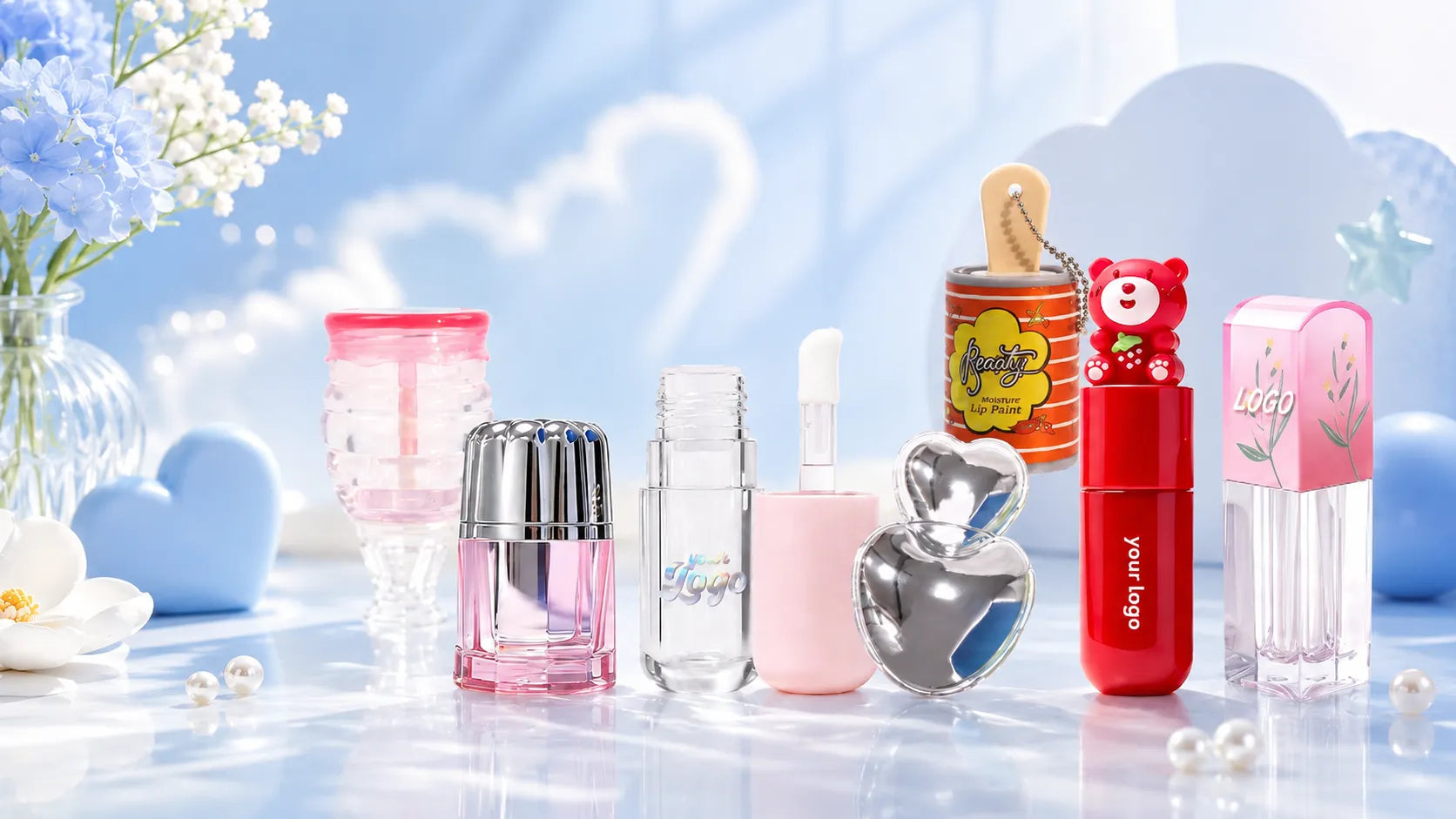
Keychain makeup packaging is now important enough to be reviewed as its own innovation lane rather than a minor novelty sub-feature. In lip-led categories especially, KAIYA is seeing stronger interest in hanging, clipping, and charm-led formats that make the product easier to carry and more collectible at the same time. This is especially relevant to small lip formats where the package can function both as makeup packaging and as a polished accessory-like object.

That is also why the keychain direction should not be reduced to one standard loop. Different projects may need different hanging options, such as more polished metal-like rings, sweeter decorative charm directions, or more refined cute hardware choices depending on whether the line should feel gift-led, playful, or more fashion-adjacent. When handled carefully, these options can make the product feel much more complete than a standard stock shell with a ring added late in the process.

From a commercial point of view, this keychain route connects directly to both keychain makeup packaging and cute makeup packaging. It is one of the clearest examples of how innovative makeup packaging can create a more memorable product story while still staying grounded in a real lip-led cosmetic format.
5. Wood Cap Plus Clear PETG Body Is a Material-Language Innovation, Not Just a Transparent Bottle
A wood cap combined with a clear PETG body deserves separate attention because the value is not simply “transparent packaging.” The more useful innovation is the contrast between natural and polished materials. The wooden cap gives the product a more organic, handmade, and quietly premium feeling, while the clear PETG body keeps the formula visible and the whole package lighter and cleaner in the hand.

That combination matters because it creates a more grounded aesthetic story. Instead of looking clinical or purely glossy, the package can feel more natural, more textured, and more tactilely memorable. In B2B terms, that is important when the line wants a softer natural-beauty impression without giving up color visibility or small-format cosmetic clarity.
6. One-Hand Push Compacts Solve a Real Consumer Use Problem
One-hand push packaging should be judged as a use-behavior innovation. The value is not only that the mechanism looks different. The stronger point is that it simplifies opening and touch-up during real use. In small compacts, especially for portable face products, that one-hand action can make the package feel quicker, cleaner, and more considered from the consumer side.

This is the kind of innovation that matters because it removes friction instead of only adding style. If the package can be opened more smoothly in real carrying and real touch-up situations, the innovation has practical value even before decoration enters the conversation.

7. A Compact That Can Attach to a Phone Stand Is a Different Type of Convenience Innovation
A compact or cream package that can attach to the back of a phone stand is a different kind of innovation again. Here the value is not just in opening or closing. It is in linking the package to current mobile habits. That makes the product feel more integrated with the way many users already carry, place, and reach for small daily objects.

At KAIYA, this route becomes more believable when it still behaves like real face packaging while adding a clearer placement story. It can be especially relevant for cream blush, contour, balm, or other touch-up-led formats where convenience and repeat access are part of the product's daily rhythm.

8. Tool-Integrated Eyebrow Packaging Is Functional Innovation, Not Decoration
KAIYA's tool-integrated eyebrow packaging is another route where the innovation is functional rather than purely decorative. One side supports brow application, while the other side supports shaping, grooming, or blending, so the format feels more complete in actual use. That is usually a stronger innovation story than adding outer complexity without improving handling.
This kind of route matters because brow products are judged heavily through daily convenience. If the package can make application and touch-up feel more complete without forcing the customer into a larger format, the innovation becomes commercially useful rather than just visually interesting.

9. A 3-in-1 Magnetic Format Needs to Be Judged as a Modular Product System
The 3-in-1 magnetic route is one of the clearest examples of innovation that creates a real system benefit. It gives brands a modular format where different makeup sections and tools can be combined, separated, and carried more flexibly. That is very different from calling a package innovative only because it has an unusual silhouette.
What matters here is not only the magnetic close. It is the fact that several functions can live in one organized format without the product becoming visually chaotic. In B2B terms, this is important because the innovation has to improve assortment logic, not just create a complicated sample.

10. Refillable Magnetic Stick Routes Link Innovation with Long-Term Value
Refill-oriented magnetic stick routes matter because they connect visual distinction, reuse value, and clearer long-term shell worth in one system. This is one of the places where innovation and sustainability meet most credibly in color cosmetics, because the outer shell is supposed to stay valuable for longer rather than being replaced every time.
But this kind of innovation only works when the refill logic is easy to understand and the shell is strong enough to deserve reuse. If the route is hard to explain or awkward to handle, the refill story weakens very quickly. That is why KAIYA treats refillable magnetic or refill-aware stick concepts as long-life packaging systems rather than as trend decoration.

11. Aluminum Routes Matter When the Material Itself Is Part of the Innovation
Aluminum deserves separate attention because in some projects the innovation comes partly from the material itself. An aluminum shell can make a package feel more structured, more substantial, and more premium in the hand, especially when the route is tied to refill use or a more hero-led stick format. In those cases, the innovation is not just shape or mechanism. It is also the stronger shell authority that the material brings to the product story.
This is particularly relevant for refill-aware stick routes where the outer shell is supposed to stay valuable for longer. When the aluminum direction is used well, it helps the reuse logic feel more believable because the shell no longer looks disposable. That is why KAIYA treats aluminum innovation not only as a finish choice, but also as a long-life packaging decision in selected projects.

12. Innovation Becomes Stronger When It Can Expand Across More Than One SKU
One of the most common weaknesses in innovative packaging projects is that the concept only works on one hero item. The shell may look impressive in isolation, but it has no useful relationship to the rest of the line. At KAIYA, the stronger test is whether the innovation can stay meaningful once the brand adds adjacent SKUs, support items, or second-phase variations.
This is why KAIYA often reviews special-format concepts beside broader custom cosmetic packaging planning. If the package can only survive as a one-off novelty, it may still be useful for a campaign launch. But if it can also create a repeatable visual language, a refill story, or a recognizable family logic, it becomes much more valuable as a long-term packaging asset.

In practical B2B terms, that is also what separates strong creative cosmetic packaging from packaging that is only visually unusual. The stronger route is the one that can move from one special SKU into a wider assortment logic without losing control of category fit, tooling discipline, or repeat visual identity.
This is particularly relevant in keychain and charm-led concepts. A single lip gloss with a hanging detail may look attractive on its own, but the stronger route is the one where the brand can extend the idea into several charm options, several lip-led SKUs, or a wider gift-ready family without losing visual control. That is where accessory-led innovation becomes commercially useful instead of remaining a one-off novelty.
13. Special Packaging Still Has to Survive Sampling, Assembly, and Reorders
A format does not become commercially innovative just because it photographs well. It has to survive sample review, assembly control, decoration consistency, and reorder discipline. This is especially important in color cosmetics, where many components are small, highly visible, and judged directly in the hand. A weak hinge, unstable insert, inconsistent plating result, or poorly controlled closure will damage the whole effect quickly.

That is why KAIYA usually treats innovative packaging as a production-readiness question as much as a design question. The more distinctive the structure becomes, the more carefully the project has to be checked for repeatability. In practical terms, this means the brand should define very early whether the special route is meant to be decorative, modular, refill-led, collectible, or category-signaling. Each direction changes what has to be validated before the concept becomes commercially safe.
It also explains why many of the latest innovations in cosmetic containers are not judged by shape alone. The commercial test is whether the special route still holds up after decoration, assembly, shipping, and later replenishment. For KAIYA, innovative cosmetic packaging is only convincing when the special feature survives real execution pressure rather than only looking new in concept review.
14. KAIYA Uses Innovation to Strengthen Color-Cosmetics Lines, Not Distract from Them
At KAIYA, innovative cosmetic packaging is most useful when it helps a product line feel more intentional. That may mean a refill-oriented stick route, a more collectible magnetic compact, a gift-ready novelty package, a more refined keychain concept with multiple charm choices, or a clearer showcase format for lip and face products. The key is that the innovation should strengthen the line's meaning rather than interrupt it.
For brands evaluating innovative cosmetic packaging, the best first step is to define what the special format should improve: category clarity, giftability, refill value, modularity, visibility, or collection memorability. Once that is clear, KAIYA can help compare which special route is more likely to remain commercially useful through sampling, production, and later assortment growth. In selected projects, that can also overlap with sustainable cosmetic packaging, eco-friendly cosmetic packaging, and biodegradable cosmetic packaging goals, especially when refill value and longer shell life are part of the project logic from the beginning.