Cute cosmetic packaging is not defined by one pink color or a cartoon graphic. The most memorable designs normally begin with a recognizable shape, then use proportion, color, transparency, surface finish, and functional details to strengthen that visual identity.
For a beauty brand, the first decision is therefore not simply “how cute should it look?” but what the package should be recognized for. KAIYA develops cute primary packaging across lip, eye, face, nail, stick, jar, tube, and compact formats, giving buyers both existing molded designs and original-development routes to compare.

Quick overview:
- Shape: the main source of recognition, product storytelling, and first visual impact.
- Mini proportion: makes many designs feel more delicate, portable, and collectible.
- Color and finish: determine whether the same shape feels soft, energetic, candy-like, polished, or premium.
- Keychain structure: turns selected small containers into visible accessories that can travel outside a makeup bag.
- Category fit: keeps the cute idea connected to the actual filling, opening, and application method.
1. Cute Packaging Needs One Recognizable Design Idea
The strongest cute packages can usually be recognized before the buyer reads the logo. That recognition should come from one clear visual idea rather than several unrelated decorative details competing on the same container. Shape normally carries the idea, while color, finish, artwork, and accessories help complete it.

The level of expression can change by product category. A small lip product may support a stronger character shape, while a face compact may use one softer outline or lid detail. What matters is that the package looks intentional and remains identifiable when it is photographed, displayed, or extended into a wider collection.
2. Shape Is the Strongest Driver of Cute Cosmetic Packaging
Shape creates the first visual impression and gives the package a story before color or artwork is added. It can turn an ordinary tube, jar, stick, or compact into a recognizable product object, help a hero SKU stand out, and provide a visual cue that can be repeated across a collection. KAIYA's cute makeup packaging range includes several distinct shape families:
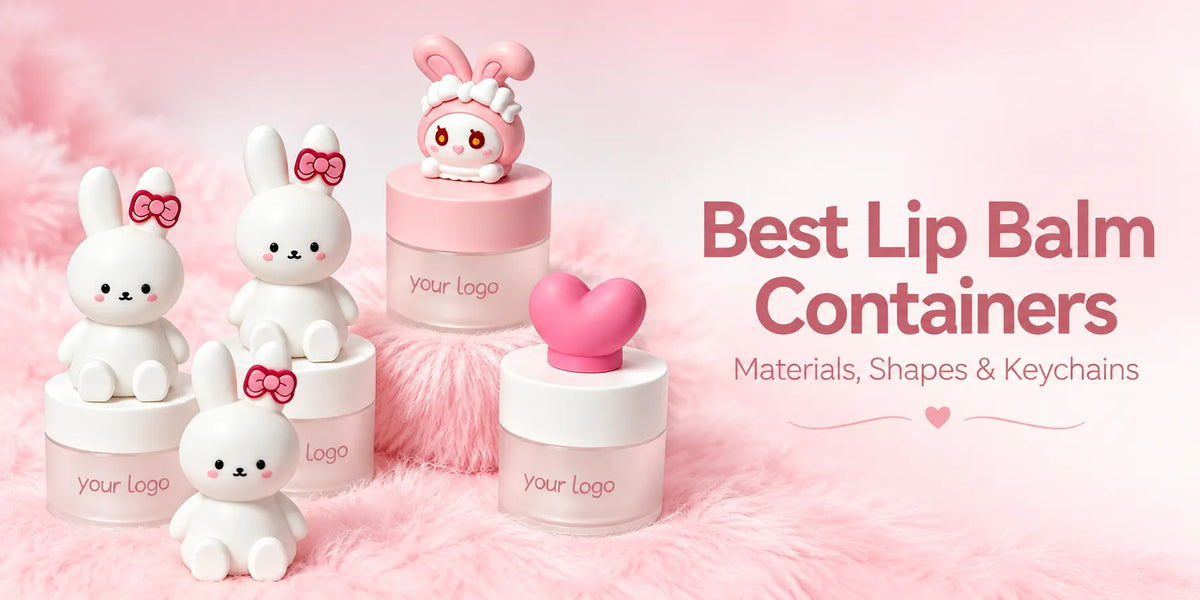
- Animal and character shapes: rabbit, bear, cat-like, and other simplified animal forms create a friendly personality. The animal may define the complete container, appear as a cap, or become one recognizable feature on a more conventional body.


- Flower and plant-inspired shapes: flower silhouettes, petal-like lids, fruit forms, and leaf details can connect the package with softness, freshness, flavor, or a botanical product story.

- Heart and romantic shapes: heart-shaped bottles, cases, caps, or hanging details work especially well for lip, blush, gift, and seasonal projects because the symbol is immediately recognizable.

- Food, dessert, and object shapes: honey-pot forms, cake-like modular containers, candy or lollipop ideas, and small object-inspired packages make the product concept visible through the container itself.

- Rounded sculptural shapes: egg, ball, peach-like, and other smooth three-dimensional forms create a soft hand feel and a more delicate appearance without relying on a literal character.

- Irregular and artistic shapes: waves, asymmetrical curves, stacked structures, and other sculptural outlines give cute packaging a more fashion-led or design-focused direction.
The outer shape also changes how the package is held, opened, displayed, and packed. Some designs keep a familiar internal bottle or mechanism inside a more expressive outer shell; others require a completely new component system. KAIYA continues to develop new cute shapes and molds, supporting concept evaluation, appearance and structural design, 3D rendering, prototyping, tooling, and engineering samples when a brand needs an original silhouette.
3. Mini Sizes Make Cute Packaging More Delicate and Collectible
Mini size has a strong relationship with cute packaging because reduced proportions can make a tube, stick, jar, or compact feel more delicate and easy to hold. The smaller scale also strengthens the appeal of rounded caps, character details, and coordinated color sets. A design that may feel visually heavy at full size can look balanced and refined when its proportions are carefully reduced.

Mini packaging is not limited to a sample or free gift. Brands can develop it as a complete retail product, a travel format, a collectible shade series, a multi-product set, or a portable accessory. KAIYA's mini makeup containers range covers selected tubes, sticks, jars, compacts, and other small color-cosmetic formats.

Smaller packaging still needs a complete working structure. Buyers should confirm usable fill volume, opening grip, cap security, twist-up movement, applicator length, wiper fit, available logo area, decoration precision, and packing protection according to the format. KAIYA balances the compact outer appearance with the internal space needed for filling, application, and assembly so the finished product remains practical rather than simply small.
4. Color, Transparency, and Surface Finish Strengthen the Shape
Once the silhouette is established, the surface direction decides what kind of cute character the package expresses. The same rabbit, heart, flower, or rounded form can feel soft, energetic, candy-like, polished, or more premium depending on its color and finish.
- Pastel colors: pink, lavender, baby blue, pale yellow, mint, and cream soften the outline and suit gentle, romantic, or care-oriented collections.

- Bright colors: saturated red, orange, yellow, blue, or stronger contrasts make animal, fruit, candy, and character concepts feel more energetic.

- Transparent and translucent effects: a clear body lets the formula color participate in the design, while a translucent shell creates a softer candy-like depth and partially reveals the inner structure.

- Pearlescent and glossy effects: pearl pigments and UV coating can add smooth light reflection and make rounded or sculptural surfaces appear fuller.
- Soft-touch surfaces: spray-applied tactile finishes can give selected shapes a softer hand feel and a more refined appearance.

- Printed and metallic details: silk screen printing, pad printing, heat transfer artwork, or restrained hot stamping can add facial details, patterns, logos, or small highlights without hiding the silhouette.
KAIYA can compare color matching, transparent effects, artwork placement, and compatible surface treatments on the selected component. The finish should reinforce the shape, and the final route should be confirmed through a physical decoration sample.
5. Keychain Structures Turn Cute Makeup into a Visible Accessory
Keychain packaging gives cute makeup a use beyond storage inside a makeup bag. A small lip gloss tube, squeeze tube, balm stick, or compact can hang from a bag, key ring, pouch, or other everyday-carry item, making the package visible and easier to reach. The chain, ring, strap, or integrated loop can also become part of the color and character design.

The most successful keychain makeup packaging treats the carrying point as part of the original structure. Buyers should review where the attachment sits, how it carries the filled weight, whether repeated movement affects the cap or closure, how the package hangs, whether the user can open and apply the product comfortably, and how exposed surfaces are protected from rubbing.

KAIYA supports selected keychain tubes, sticks, compacts, and other small cosmetic containers with different colors, compatible finishes, logo directions, and attachment options. For a completely new attachment position or silhouette, the project may require separate structural development and tooling rather than a simple chain added to an existing package.
6. Cute Design Works Differently Across Makeup Categories
The visual language should follow the way each product is filled, opened, and applied. A few common directions include:
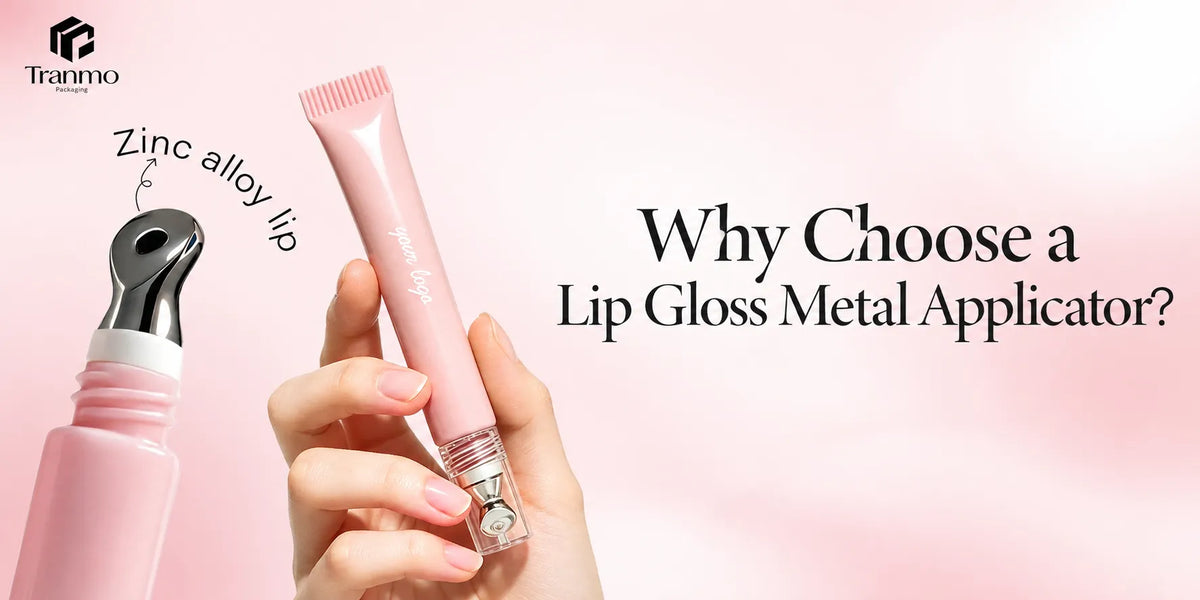
- Lip gloss and lip oil: cute lip gloss packaging may use compact tubes, heart or character details, transparent bodies, decorative caps, squeeze formats, or keychain structures while retaining a suitable applicator and closure.
- Lip balm and lipstick: cute lip balm containers and cute lipstick packaging can use mini sticks, rounded tubes, small jars, transparent cases, themed caps, or magnetic styles according to the formula and mechanism.

- Blush and face products: cute blush packaging may appear as a compact, cushion, stick, or small jar. A cute cushion foundation case can use a softer outline, playful lid, pastel color, pearlescent effect, or clear detail while keeping the inner compact structure practical.

- Eyeshadow: cute eyeshadow palette packaging can use small pan layouts, heart or themed outlines, printed covers, mirrors, and coordinated colors without losing clear access to the pans.

- Nail products: cute nail polish bottles often rely on bottle proportion, rounded or decorative caps, mini sizes, transparent formula display, and controlled graphic details.

The relevant product structure should be selected first, followed by compatible colors, components, artwork, and finishes that build the intended cute direction.
7. Cute Cosmetic Packaging Is Not Limited to Children's Makeup
Cute design can support teen-oriented beauty, seasonal collections, gift sets, collectible products, soft-aesthetic brands, travel formats, and adult makeup lines that want a more playful identity. The same design language can range from subtle to highly expressive.
Children's makeup packaging is a more specific positioning route and may use brighter colors, simplified characters, or additional child-oriented visual elements. A general cute collection does not need to imitate that style. Buyers should define the target market first so the package feels intentional rather than visually confused.
8. Choose Between an Existing Cute Design and Original Development
An existing KAIYA design can often be customized through compatible colors, logo artwork, printing, and surface finishes while preserving the established shape and internal structure. This route is useful when the brand wants a recognizable package with a clearer sampling and production path.

Original development is more suitable when the silhouette, dimensions, cap proportions, attachment point, opening method, or internal structure needs to be created specifically for the brand. KAIYA can support concept evaluation, appearance and structural design, 3D rendering, rapid prototyping, DFM review, tooling, and engineering samples. The route requires separate assessment of development cost, MOQ, sample revisions, and schedule.
9. Build a Cute Packaging Collection with KAIYA
KAIYA combines a growing range of cute containers with color matching, transparent effects, component selection, surface decoration, sample support, mold development, production, and packing. Brands can develop one hero package or coordinate several lip, eye, and face formats around a shared visual language without forcing every product into the same shape.
Send the product category, formula format, target capacity, preferred style references, colors, logo artwork, required functions, estimated quantity, and schedule. KAIYA can recommend suitable existing containers or discuss an original-development route for a more exclusive design.