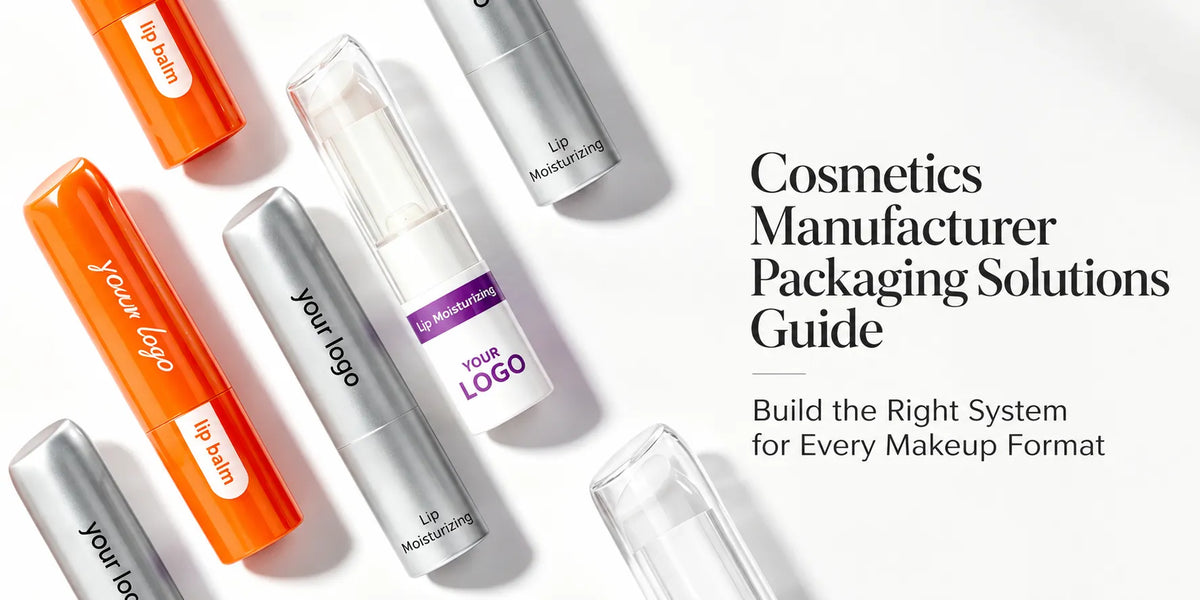
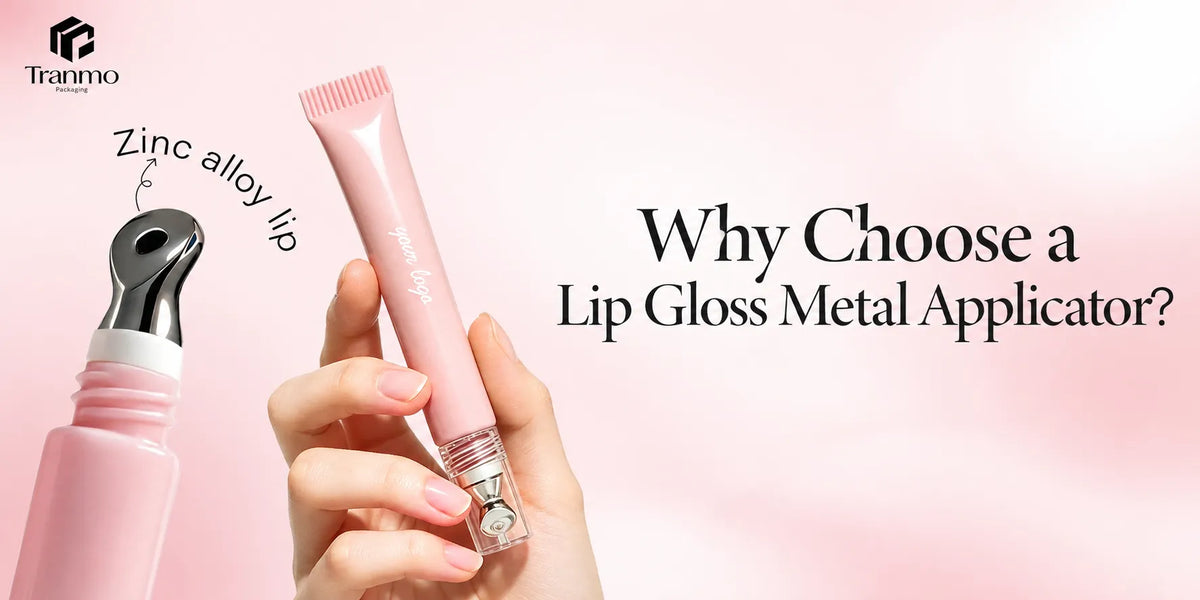
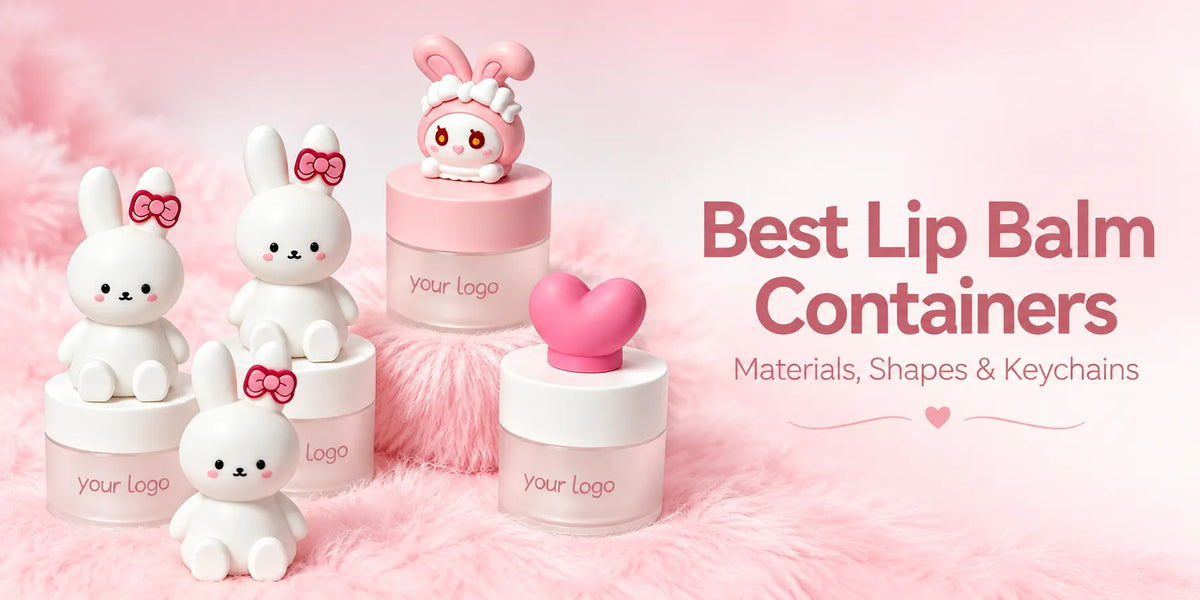
Private label cosmetic containers offer beauty brands a middle route between purchasing finished stock and developing completely new packaging. The project begins with an existing mold and established component structure, then adds confirmed brand elements such as color, logo, compatible surface finishes, and selected component combinations.
This model is useful because it shortens the path to a branded package without requiring every container to be engineered from the beginning. This guide explains how the cooperation works, what advantages it offers, how it differs from other sourcing routes, and how buyers can decide whether it suits their launch.

Quick model overview:
- Starting point: an existing mold and established container structure.
- Branding layer: confirmed colors, logos, artwork, and compatible surface finishes.
- Development work: product selection, appearance samples, specifications, and production approval.
- Not included automatically: freely changing the established shape, dimensions, closure, or internal mechanism.
- Best suited to: brands that need a recognizable package with less tooling work and a clearer route to launch.
1. What Are Private Label Cosmetic Containers?
In a packaging project, the private label model normally starts with containers that already have an available mold, confirmed component relationships, and an established production route. The brand selects a suitable tube, jar, bottle, compact, palette, or stick, then develops its own visual identity on that base.

The package is therefore not necessarily an undecorated item taken directly from finished inventory. Components may still need to be produced in the approved colors, decorated with the brand artwork, assembled, inspected, and packed for the order. The defining point is that the core structure already exists, so the project does not begin with original tooling.
KAIYA's cosmetic packaging route uses existing molds and standard components while allowing confirmed adjustments in color, decoration, and branding details. The exact options depend on the selected container rather than applying equally to every product.
2. How the Cooperation Process Works
A practical private label container project follows a clear sequence:
- Define the product: identify the makeup category, formula direction, target capacity, sales channel, price position, quantity, and schedule.
- Select the container family: compare existing structures that fit the product, such as lip gloss containers, lipstick tubes, mascara tubes, compacts, jars, palettes, or cosmetic stick packaging.
- Review product fit: confirm the relevant capacity, opening, cup, applicator, wiper, pan layout, closure, or filling relationship according to the category.
- Develop the brand appearance: select confirmed component colors, transparency, logo position, artwork, and compatible surface processes.
- Approve samples and specifications: review the physical structure and the decorated result before confirming the order standard.
- Produce, assemble, and pack: manufacture the approved components, complete decoration and assembly, inspect the result, and prepare it for shipment.

This workflow gives the buyer clear approval points without adding an original mold-development stage. If the brand also needs formulas, filling, and finished cosmetics, that work belongs to the wider private label service and can be coordinated alongside the packaging decision.
3. The Main Advantages of the Private Label Container Model
The first advantage is a shorter development route. Because the mold and core component system already exist, the project can focus on product fit, visual customization, sampling, and production instead of beginning with structural design and tooling.

- Lower initial development burden: the buyer does not need to fund an entirely new package structure when an existing model already supports the product.
- More predictable structure: physical samples can show the established mechanism, closure, dimensions, and handling before appearance work is finalized.
- Visible brand differentiation: approved colors, logos, printing, metallic details, matte or gloss effects, and other compatible finishes can substantially change the same base container.
- Easier range expansion: brands can select related existing formats for additional lip, eye, or face products without developing every component from zero.
- Clearer repeat-order reference: the approved container, artwork, component colors, processes, and packing standard can be recorded for later production.
These advantages do not mean that every project has the same MOQ or lead time. A container that is physically in stock differs from an existing mold that still requires component production, custom color, decoration, assembly, and packing.
4. Private Label Containers Are Not the Same as Finished Stock
Finished stock means the containers have already been produced and are available in a particular material, color, specification, and quantity. This is normally the fastest route when the available item already meets the requirement, but branding and component choices may be more limited.

A private label container normally uses an existing mold but may be produced specifically for the project. The brand can review available colors, develop a confirmed custom color, add its logo, and select compatible decoration. This takes longer than shipping available stock because production and approval work are still required, but it gives the brand a more intentional appearance.
The buyer should therefore ask two separate questions: Is the finished container currently in stock, or is only the mold available? This distinction affects quantity flexibility, sampling, production planning, and delivery timing.
5. Private Label Containers Are Different from Original Custom Packaging
The private label route retains the established physical design. It may change how the container looks, but it does not automatically change the molded silhouette, dimensions, cap proportion, attachment point, mechanism, or internal component relationship.

Original custom cosmetic packaging becomes relevant when the package itself must be exclusive: a new outline, an original cap, a special attachment, a different internal layout, or another structural function that existing molds cannot provide. That route requires additional appearance design, engineering, tooling, trials, revisions, and approval work.
This article does not treat one route as universally better. Private label is valuable when an existing structure already solves the main product need. New development is valuable when the original structure is central to the brand concept and justifies the additional investment and schedule.
6. When Private Label Cosmetic Containers Are a Good Choice
This model usually makes sense when the brand wants meaningful visual control but does not need an exclusive physical structure. It is especially suitable when:
- an existing container already fits the formula, application method, and target capacity;
- the launch schedule does not allow a full new-mold development cycle;
- the brand identity can be communicated through color, transparency, logo, artwork, and surface finish;
- the buyer wants to test a new category before investing in an exclusive package;
- a retailer, distributor, online seller, or growing beauty brand needs a coordinated branded range;
- future SKU expansion and repeat supply are more important than owning a unique container shape.

Private label is not only for a first launch. Established brands may also use it for seasonal products, secondary categories, faster market extensions, or projects where the formula and brand presentation matter more than an original package structure.
7. When This Model May Not Be Enough
A different development route may be needed when the brand cannot accept an existing silhouette or when the requested function changes how the package operates. Examples include a completely original shape, a proprietary closure, a new magnetic relationship, an unusual applicator system, or dimensions developed around a specific internal component.
The same applies when the formula, filling method, or application behavior cannot be supported by the existing container family. In that situation, forcing the product into a private label structure only to save development time can weaken the final result. The package must first work for the category; branding comes after that basic fit is established.
8. What Buyers Should Provide Before Requesting Options
A clear brief helps the supplier recommend a focused group of containers instead of sending an oversized catalog. Buyers should provide:
- makeup category and formula direction;
- target capacity or relevant component dimensions;
- preferred container type, material, transparency, and closure;
- reference images and intended visual position;
- logo artwork, color references, and preferred surface effects;
- estimated order quantity and number of SKUs;
- required packing, destination market, and launch schedule.

These details allow KAIYA to separate suitable existing structures from requests that require deeper development. They also make the quotation clearer because the selected components, colors, processes, quantities, and packing work can be assessed together.
9. How KAIYA Supports Private Label Cosmetic Container Projects
KAIYA supports private label container projects across lip, eye, face, powder, compact, jar, tube, bottle, palette, and stick formats. The process can include product selection, material and component comparison, color planning, artwork placement, compatible surface-treatment choices, physical and decorated samples, production specifications, assembly, packing, and repeat-order records.

The cooperation begins by determining whether an existing structure genuinely suits the product. KAIYA can then help the buyer develop a branded appearance on that foundation or explain when the concept has moved beyond private label and requires a separate custom-development route.
Send the product category, formula direction, reference package, capacity, brand colors, logo, target quantity, and schedule. KAIYA can use this information to recommend a practical private label route and prepare the appropriate sample and quotation plan.