Reliable lip balm container manufacturers should do more than supply one familiar twist-up tube. A complete lip balm range can include solid-balm tubes, squeeze tubes, plastic or selected glass jars, paper structures, aluminum-shell options, mini sizes, and more distinctive shapes. The manufacturer needs to understand which route suits the formula and how that choice affects customization, filling, samples, production, and repeat orders.

For B2B buyers, the strongest partner is not necessarily the company with the longest catalog. It is the manufacturer that can understand the product idea, narrow relevant options, explain practical trade-offs, develop original components when necessary, and preserve the approved result through bulk production.
Quick manufacturer screen:
- Can the manufacturer compare twist-up tubes, squeeze tubes, and jars according to the formula and application?
- Can it explain plastic, aluminum, paper, and selected glass routes accurately?
- Can it distinguish existing packaging, semi-custom development, and a genuinely new mold?
- Can its samples answer structural, visual, filling, and production questions at the correct stage?
- Can it execute the required processes and preserve the final specification for repeat orders?
1. The Manufacturer Should Understand the Complete Lip Balm Container Range
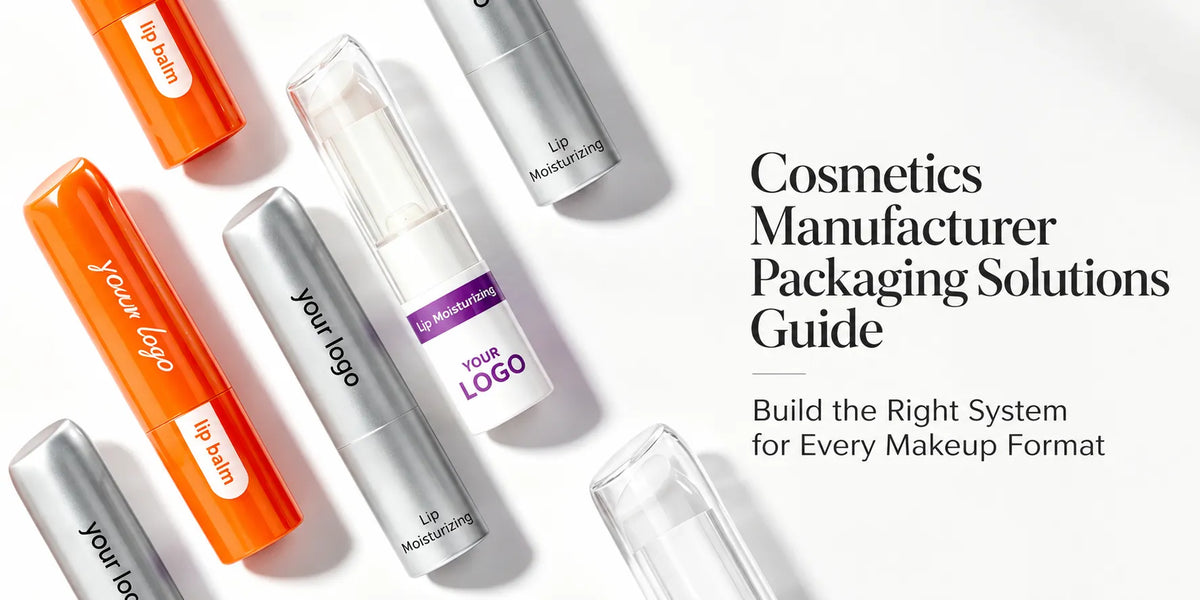
A capable manufacturer should know that different balm textures require different package structures. A firm stick normally needs a cup or platform and a dependable raising mechanism. A softer formula may be better suited to a flexible squeeze tube with controlled dispensing. A richer balm, lip mask, or selected textured formula may need the wider access of a jar.

The manufacturer does not need to recommend every format for every project. It should explain why a smaller group is relevant by connecting formula texture, target capacity, filling route, application, portability, material, and visual direction. This ability is more valuable than sending many products that differ only in shape or color.

KAIYA's lip balm containers include tube and jar routes, allowing the selection to begin from the product requirement rather than from one fixed packaging assumption.
2. Service Experience Should Translate the Buyer's Idea into Practical Options
Buyers often begin with partial information: a reference image, a preferred style, an approximate capacity, a target material, or an idea such as “small and playful,” “clean and treatment-led,” or “premium with a real-metal feel.” Experienced manufacturers should identify the useful requirement behind the reference and turn it into several workable directions.
- A portable solid balm: compare suitable twist-up diameters, proportions, cap profiles, and mechanism routes instead of recommending a jar because it looks similar.

- A rich overnight treatment: compare jar opening, capacity, lid, material, and optional tool rather than forcing the formula into a standard stick tube.

- A metallic reference: explain the difference between an actual aluminum shell and a metal-like surface finish on plastic before the buyer selects the material route.
Good guidance should also identify when a concept can be simplified without losing its visual intention. This reduces unsuitable samples and helps the brand spend development time on changes that produce a meaningful result.
3. Material and Structural Guidance Must Be Specific to Each Format
Material knowledge should extend beyond describing one option as economical and another as premium. The manufacturer should explain how the material changes the structure, hand feel, visual freedom, decoration, and component composition.
- Plastic tubes and jars: provide the broadest range of molded shapes, lightweight structures, colors, clear or translucent effects, and coordinated closures.

- Aluminum-shell tubes: create a genuine metal exterior and firmer tactile identity, while selected inner cups or mechanisms may still use plastic.

- Paper tubes: include a paper-led push-up route and a paper shell combined with a plastic twist mechanism; their operation and material composition are not the same.

- Selected glass jars: add clarity, weight, and a more substantial feel for suitable balm and treatment projects, but follow a different handling and transport direction from lightweight plastic jars.
A useful recommendation connects these material characteristics with the formula, closure, filling condition, desired use, quantity, and claim rather than choosing from appearance alone.
4. Custom Development Should Cover Existing Packaging and Original Components
Professional manufacturers should clearly separate three development routes:
- Existing packaging: use an available tube or jar with its confirmed structure and standard appearance.
- Semi-custom development: retain the existing structure while changing suitable colors, transparency, logo, surface process, cap, lid, or coordinated component details.
- New mold development: create an original body, jar, cap, lid, base, dimensions, connection, or internal component when existing tooling cannot deliver the concept.

When a new part is required, the manufacturer's custom cosmetic packaging support should extend beyond accepting a sketch. Appearance and structural design, 3D rendering, rapid prototyping, DFM optimization, mold quotation, tooling, trial parts, revisions, and production preparation help convert the idea into a manufacturable package.
The manufacturer should also explain which components can remain standard. A custom project does not become more valuable simply because every part uses new tooling.
5. Innovation Capability Should Be Visible in Shapes, Functions, and Structures
A capable factory should not rely indefinitely on the same standard cylinder. Continuing innovation gives brands more ways to build recognizable products and shows that the factory can respond when the market moves toward smaller formats, stronger visual identities, more convenient use, or new material combinations.
- Shape innovation: develop new proportions, geometric outlines, compact forms, individual jar silhouettes, and more distinctive caps or lids instead of changing only the printed artwork.

- Functional innovation: explore portable details, more controlled squeeze outlets, convenient application-tool arrangements for selected jars, and other features that improve how the package is carried or used.
- Structural innovation: refine internal holders, closures, cap-and-body relationships, paper push-up and twist routes, mixed-material constructions, or newly engineered components that create a different operating experience.

6. Process Capability Should Be Demonstrated on Relevant Components
The required surface process must suit the selected material and geometry. A small curved cap, flexible squeeze tube, flat jar lid, aluminum shell, and paper body cannot be decorated in exactly the same way.
- Silk screen printing: review logo edges, text clarity, position, and spot-color coverage on the actual component.

- Hot stamping: confirm foil placement, edge definition, curvature, and the relationship with the base surface.
- Spray coating: confirm the intended matte, gloss, gradient, or selected tactile direction, including areas touched during opening.

- Vacuum metallization: confirm the reflective metal-like result while keeping it distinct from an actual aluminum shell.
- Laser engraving: confirm that the material and finished surface support the intended permanent detail.
Buyers should request physical examples or decorated samples that are relevant to the intended package. A long process list does not prove that a manufacturer can execute the required design on the selected component.
7. The Manufacturer Should Understand Filling and Formula-Container Fit
A packaging manufacturer does not replace the brand's formulation or filling team, but it should understand the production information that affects the container.
- Twist-up tubes: formula hardness, stick diameter, cup or platform, filling or molding route, cooling, anchoring, rotation, and cap clearance.

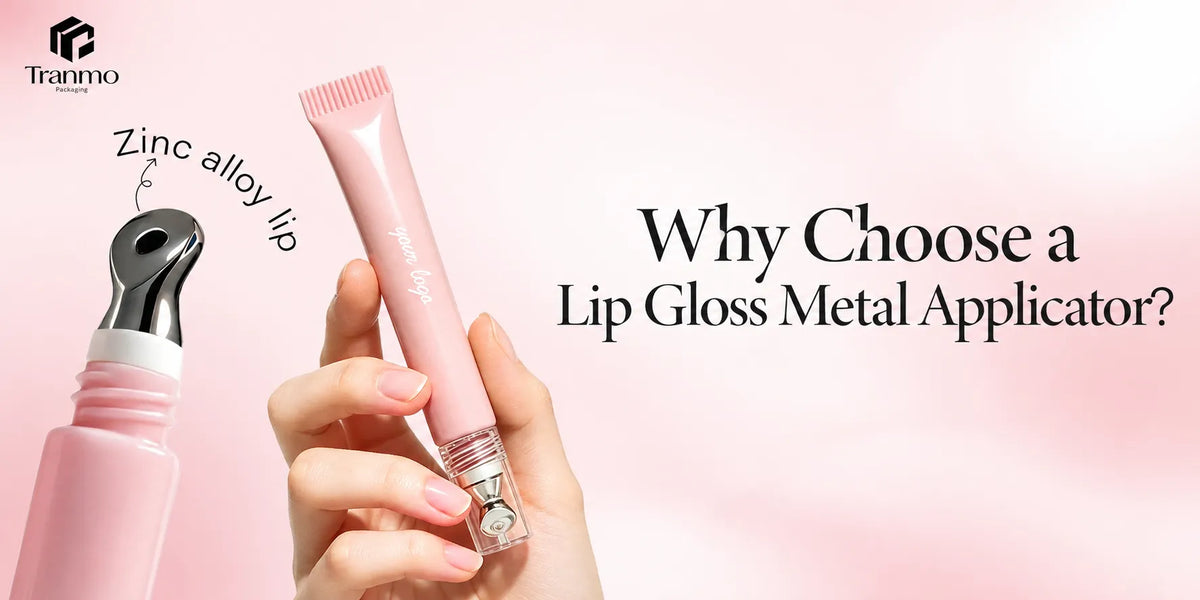
- Squeeze tubes: formula movement, outlet size, fill condition, open-tail filling, seal area, and final tube length.

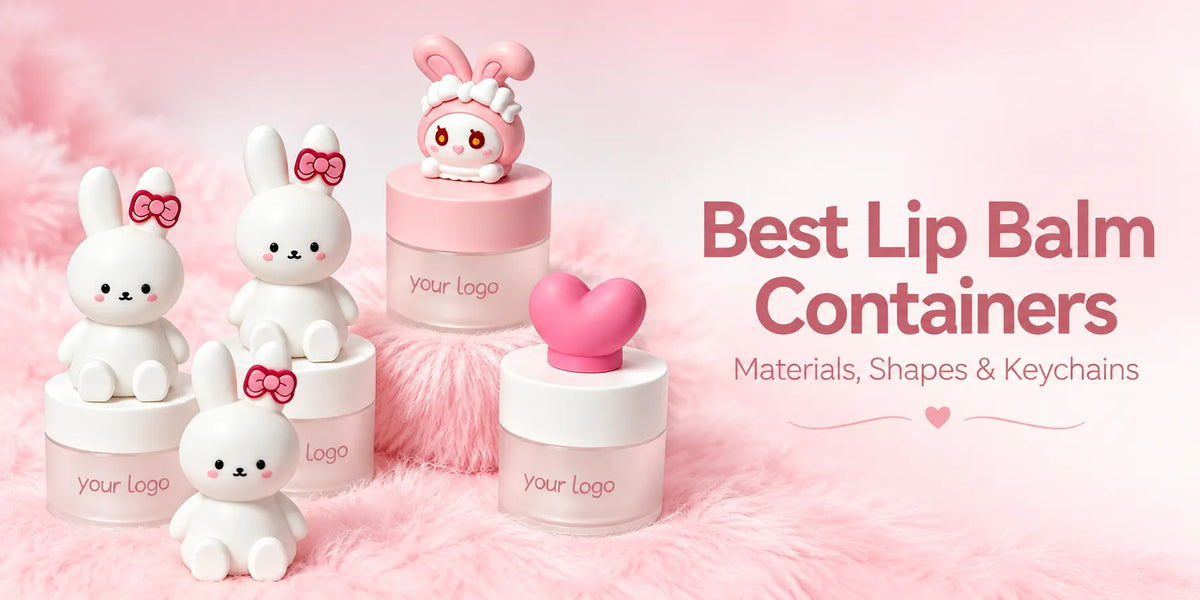
- Jars: top opening, filling temperature where relevant, fill height, cooling or settling, inner components, lid, and intended pickup method.

The manufacturer should request these details early and provide complete components for filling review. When the formula or production route changes, the selected package may need to be assessed again rather than assumed suitable.
8. Samples Should Match the Decision Being Made
One sample cannot confirm every part of a custom lip balm project. The manufacturer should provide the sample stage that answers the current question:
- Existing empty sample: confirms size, basic structure, cap or lid, mechanism, opening, and hand feel.
- 3D render or rapid prototype: helps review an original concept's proportion, shape, and component relationship before tooling.
- Engineering mold sample: confirms the dimensions, connection, operation, and assembly of a newly developed component.
- Decorated sample: confirms the real color, logo, finish, coverage, and visual relationship among parts.
- Filled sample: helps evaluate product support, dispensing or pickup, clearance, closure, leakage, and appearance after formula contact.

A final approved physical reference should represent the complete production standard, not an earlier concept sample.
9. Quotations and MOQ Must Describe the Actual Development Route
Buyers should compare quotations that cover the same scope. The document should identify the container and complete component set, materials, capacity, mold status, colors, artwork versions, processes, sample work, assembly, protective packing, MOQ basis, tooling, production timing, and freight terms.
Ready stock, an existing mold that requires new production, semi-custom decoration, and original mold development have different quantity and timing implications. The manufacturer should explain which requirement is driving the MOQ rather than presenting one unexplained number. This is especially important when a line combines several tube and jar SKUs.
10. Repeat Production Depends on Specifications, Packing, and Problem Solving
Reliable repeat orders require more than remembering the previous product. The manufacturer should retain component codes, approved drawings where relevant, material and color standards, artwork files, process position, finish, assembly, packing, physical references, and revision history. Each SKU needs a clear identity so components are not mixed during later production.
Packing should reflect the final surface and shape. Clear, glossy, coated, metallized, hot-stamped, glass, and irregular components may require different protection against rubbing, scratching, movement, or breakage. An experienced team should also be able to identify whether a problem comes from the component, decoration, filling, assembly, packing, or transport and propose a targeted solution.
11. KAIYA Supports Complete Lip Balm Container Projects
KAIYA is a color cosmetic packaging factory supporting twist-up and squeeze tubes, plastic and selected glass jars, aluminum-shell tubes, paper structures, clear and opaque packaging, mini and individual shapes, surface processes, and original mold development.
Our team can help brands interpret early product ideas, compare materials and structures, evaluate feasibility, prepare relevant samples, develop new components, review filling requirements, execute decoration, protect finished packaging, and preserve the approved specification for repeat production. Share the formula route, preferred container type, capacity, material, design references, quantity, and timing so KAIYA can recommend a practical development path.