Mini containers for makeup should deliver a complete product experience in less space. The challenge is not simply reducing capacity; it is preserving the dispensing route, application tool, mechanism, closure, branding, and hand feel that make each color-cosmetic category work.
KAIYA develops mini formats across lip, eye, and face products. This guide shows where each category can become smaller, which internal relationships still require space, and how brands can build a coherent mini collection without forcing every formula into the same container.

Quick overview:
- Commercial role: define whether the mini is a retail SKU, discovery size, gift, set component, or portable product.
- Lip systems: preserve the correct wand, squeeze, stick, or open-jar application route.
- Eye systems: balance reservoir, wiper, stem, brush, and grip within the shorter package.
- Face systems: allow enough space for the pan, stick, puff, mirror, tray, or other pickup method.
- Visual control: use proportion, color, transparency, and one or two precise details instead of crowding the surface.
- Development route: customize a compatible mini mold or develop a new structure when the concept requires it.
1. A Mini Format Is a Product Strategy, Not a Shrunken Sample
A paid miniature, trial size, gift-with-purchase, discovery-set component, portable accessory, and permanent small retail SKU serve different purposes. Their expected capacity, decoration, application quality, durability, packing, and reorder plan are therefore different.

A trial may prioritize an efficient introduction to the formula, while a retail mini needs stronger shelf identity and repeated-use comfort. A coordinated set also needs a clear relationship among the SKUs. Defining this role first prevents the project from choosing a very small container that cannot support the intended product experience.
Best starting point: write one sentence explaining what the mini is expected to do commercially. That decision gives KAIYA a clearer basis for comparing capacity, component structure, customization level, and packing.
2. Mini Lip Containers Need a Complete Dispensing Route
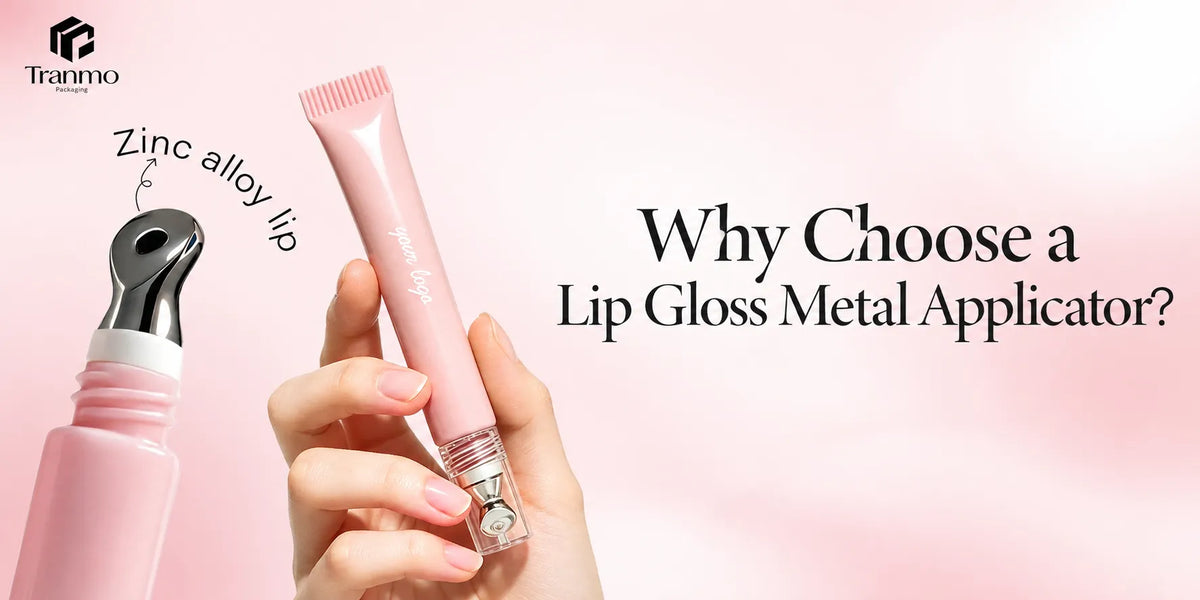
Mini lip products can use several structures, but each one moves and applies formula differently. A short wand-style lip gloss container still requires a compatible bottle neck, wiper, stem, applicator, and cap. A flexible squeeze tube needs a controllable outlet and cap, while a mini stick needs a cup and raising mechanism that support the formula.

Open-access jars can suit selected balm, mask, or scrub textures when the opening remains comfortable for a finger or tool. The category should therefore determine the mini architecture: mobile gloss, firm balm, grainy scrub, and molded stick formulas should not be placed into one small container simply because their fill weights appear similar.

The filled sample should confirm product access near the bottom, applicator reach, wiping, outlet control, cap clearance, grip, and usable formula quantity. Brands developing this specific format can also explore the design evolution of mini lip gloss tubes, while a cross-category program must still coordinate lip structures with eye and face containers.

3. Mini Eye Containers Are Limited by Brush, Stem, Wiper, and Grip
A mini mascara or liquid-eye package cannot be judged by reservoir length alone. The mascara tube, wiper, stem, brush, cap, and handle form one working system. Shortening one part changes the space available for formula, brush travel, withdrawal, application control, and comfortable grip.

Mini eyeliner containers and selected brow tubes also need usable applicator reach and enough cap area for controlled handling. A very short cap may look delicate but feel awkward during precise application. The formula, brush or tip, stem length, wiper behavior, and reservoir geometry should be tested together.

Important distinction: the brush applies the product, while the wiper remains fixed in the neck and controls the load left on the brush or stem. Both components remain necessary decisions in a mini wand system.
4. Mini Face Containers Need Space for Pickup and Application Tools
Face products often need more pickup area than lip or eye products. A mini blush or highlighter stick can reduce the body size while preserving a usable product diameter and exposed height. Selected cosmetic stick packaging may therefore become shorter without making the application face too narrow.

A mini compact must hold the pan or tray, closure, hinge, and any mirror, puff, or brush space required by the routine. Reducing only the outer diameter can make powder pickup uncomfortable. Likewise, a small cushion format still needs a reservoir, inner lid, puff tray, closure, and enough depth for the complete assembly.

Small jars can support selected cream or balm face formulas when the opening provides practical access. For every face route, compare the area needed to pick up the formula with the area saved by miniaturization.

5. Capacity, Proportion, and Mechanism Must Be Balanced Together
Nominal capacity does not explain the complete size of a mini package. Wall thickness, closure engagement, applicator displacement, product cup, wiper, hinge, mirror, tool tray, and headspace all use internal volume. Two containers with the same fill weight may therefore have very different outside proportions.

Cap height and body height also influence appearance. If the cap dominates the reservoir, the package may look top-heavy; if the grip becomes too short, opening or application becomes uncomfortable. KAIYA compares the actual component drawing or sample, not only the stated milliliters or grams.
A practical mini should still be easy to identify, open, hold, operate, and close. These actions matter more than reaching the smallest possible dimension.
6. Closure and Carrying Conditions Define Real Portability
Mini size makes a product easier to carry, but portability depends on the closure and complete filled assembly. Threads, snaps, clasps, inner lids, wipers, plugs, and caps must remain secure after repeated use and movement in the intended pack or bag.
Review the filled sample upright and sideways, then open it after movement to inspect the cap, neck, rim, applicator, pan, or inner compartment. The test should follow the actual product route rather than assuming every mini container needs the same handling check.

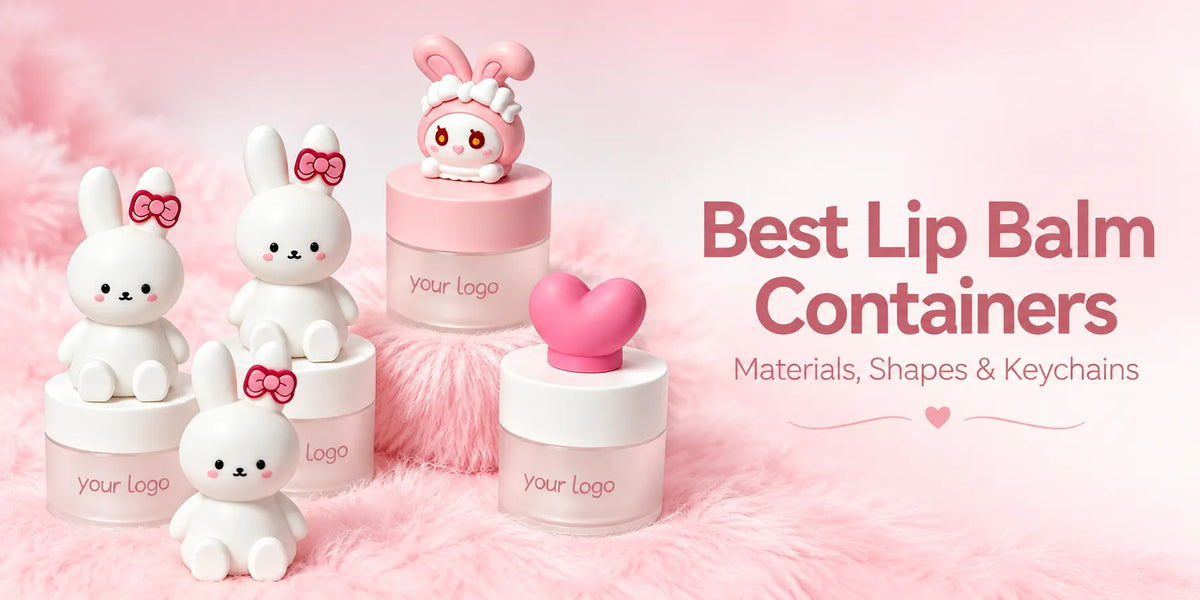
Selected keychain makeup packaging adds an attachment point, clip, chain, or loop to the carrying system. In those projects, retention, surface contact, filled weight, and access to the opening require separate review. The wearable concept should be chosen intentionally rather than added to every mini SKU.
7. Mini Visual Design Works Best with Controlled Detail
A smaller surface magnifies proportion and decoration decisions. Clear walls can showcase formula or internal color, but they also reveal wipers, stems, fill variation, scratches, dust, and residue. Opaque molded color gives stronger coverage, while translucent color can create a lighter, playful effect.

Spray coating can refine compatible parts through color, gloss, matte, or tactile direction, and hot stamping can add a controlled metallic logo or accent. Logo size, line thickness, position, curvature, and cap orientation need to suit the reduced printable area.

One recognizable detail is often enough: a carefully proportioned cap, a clear viewing window, a contrasting collar, a metallic edge, or a concise logo can make a mini feel deliberate. Cute or character-led projects can go further through the shape, proportion, color, and finish principles explained in KAIYA's cute cosmetic packaging guide.
8. A Mini Makeup Containers Set Needs Category-Specific Coherence
A mini makeup containers set may include lip gloss, mascara, blush, powder, or balm, but those products should not be forced into identical structures. Coherence comes from selected shared signals—color, finish, cap profile, logo hierarchy, transparent detail, or repeated proportion—while each SKU keeps the component system its formula needs.

Plan the set side by side. Identify the hero item, common colors, changing shade codes, logo scale, orientation, and the height or visual weight of each package. Then review how the units sit inside the gift set, discovery kit, or retail display.
The B2B lesson: the collection should look related before the outer box is added. This makes the primary containers recognizable individually as well as together.
9. Existing Mini Molds and Original Development Serve Different Ideas
An available mini structure provides the most efficient starting point when its formula chamber, applicator, mechanism, closure, and capacity already fit. Compatible colors, logos, transparent parts, and surface finishes can then create a distinctive result without changing the established silhouette or internal interfaces.

Original development is more suitable when the idea depends on a proprietary outline, a new applicator layout, an unusual tool compartment, a new attachment point, or a component relationship that existing molds cannot provide. This route may include design review, structural engineering, 3D communication, rapid prototypes, tooling, engineering samples, filled trials, and production preparation.
10. Develop Mini Makeup Containers with KAIYA
KAIYA's color-cosmetic packaging experience helps the team understand whether a mini project should begin with a category-specific existing model, a coordinated set of available molds, or original development. We can compare structures by formula, application route, capacity, closure, visual direction, quantity, and packing rather than presenting small containers as one undifferentiated catalog group.

When the structure is confirmed, KAIYA can support compatible colors, logos, finishes, decorated samples, filled reviews, assembly planning, protective packing, and bulk production. For new concepts, our custom cosmetic packaging route can extend into engineering, prototypes, tooling assessment, and trials.
Share the product categories, formulas, target capacities, application tools, commercial role, design references, SKU plan, quantity, and schedule. KAIYA can turn that information into a focused mini-container recommendation.