Paper is becoming a practical option for selected color cosmetics because it can reduce the use of conventional plastic in suitable structures, keep the package lightweight, and provide a broad surface for custom printing. Its value depends on matching the paper structure to the formula and the way the package needs to operate.
KAIYA applies cardboard cosmetic packaging to four main product directions: lip balm tubes, lipstick tubes, eyeshadow palettes, and selected larger stick containers. This article explains the role of paper in each format and the main points buyers should understand before choosing a route.

Quick application overview:
- Lip balm: push-up and twist-up paper tube routes for suitable solid balm formulas;
- Lipstick: paper outer structures developed around bullet support and the selected mechanism;
- Eyeshadow: lightweight board palettes with flexible pan layouts and large artwork areas;
- Larger sticks: selected paper tubes for firm sunscreen, blush, contour, or highlighter formulas.
1. Why Brands Choose Paper for Selected Cosmetic Packaging
The environmental value of paper begins with its ability to replace selected molded plastic parts with a fiber-based structure. This can support a lower-plastic material direction in suitable formats, especially when the paper body forms a substantial part of the package. Paper is also made from renewable fiber resources, although sourcing, coatings, assembly materials, and the end-of-life system still affect the final result within a broader sustainable cosmetic packaging plan.

Paper also brings practical design advantages that are particularly visible in color cosmetics:
- Lower package weight: board and wound-paper structures can feel lighter than many rigid molded cases, which can benefit sets and larger multi-pan formats.
- Large printing area: custom colors, illustrations, patterns, product information, and full-surface artwork can be integrated directly into the visible body.
- Distinct material feel: natural kraft, smooth printed paper, and textured paper directions can create a different hand feel from standard plastic packaging.
- Flexible format development: paper tubes can be adjusted around diameter and height, while cardboard palettes can support different shapes and pan layouts.
These benefits do not mean that paper is automatically biodegradable, recyclable, moisture-proof, or suitable for every formula. The environmental description and performance expectation should always match the finished structure.
2. Push-Up and Twist-Up Paper Lip Balm Tubes
KAIYA supplies paper lip balm tubes through two clearly different routes. The choice is not simply about appearance: it determines how much paper is used, how the balm moves, and which points the buyer needs to confirm during filled sampling.
- Push-Up Paper Lip Balm Tubes
The push-up route can use a complete 100% paper structure without a plastic lifting mechanism. The user raises the balm by pressing the paper base from below, making this the more direct option for brands that place material simplicity ahead of a conventional rotating action. These paperboard lip balm tubes are best reviewed with firm balm formulas that can hold their shape as the product is pushed upward.

- Twist-Up Paper Lip Balm Tubes
The twist-up route uses a paper outer tube around a plastic rotating mechanism and product holder. Its advantage is a more familiar rising and retracting movement, not an all-paper construction. It is suitable for buyers comparing cardboard lip balm containers who want a visible paper direction while retaining controlled mechanical operation.

For paper tube lip balm packaging, the decision is therefore a practical trade-off: push-up provides the more complete paper route, while twist-up retains plastic where it is needed for the rotating mechanism.
3. Paper Lipstick Tubes Need the Right Bullet Support
Paper lipstick tubes use paper to create the visible tube body or outer shell while supporting a lipstick bullet that must remain aligned and protected. Compared with a simple balm tube, lipstick places more pressure on bullet stability, opening feel, and cap fit because the product is often narrower, more exposed during use, and more sensitive to movement.

Depending on the selected cardboard lipstick tubes, the internal holder or lifting mechanism may still use plastic or another supporting material. Buyers should therefore confirm the construction rather than assuming that a paper outer surface makes the complete package all-paper.
4. Cardboard Eyeshadow Palettes Combine Low Weight with Layout Freedom
Cardboard eyeshadow palette packaging is well suited to pressed powder because a board shell can hold mono, duo, and multi-pan arrangements without requiring the entire outer case to be molded from plastic. The broad lid and base surfaces also give brands more room for color, illustrations, shade information, and collection artwork.
A paper eyeshadow palette can be developed in rectangular, square, slim, book-style, or other custom profiles. Inside, the layout can be adjusted around the number and shape of pans. If the selected palette includes a mirror, the lid structure, mirror size, adhesive position, and shipping protection should be confirmed on the physical sample.

For B2B buyers, the main decision points are:
- Pan layout: confirm pan count, dimensions, spacing, and the method used to hold each pan.
- Board strength: the lid, spine, and base should remain stable through filling, packing, and transport.
- Opening and closing: review whether the lid aligns correctly and the selected closing method remains practical after repeated use.
5. Larger Paper Tubes Extend the Material into Stick Categories
Paper tube structures are not limited to lip balm. KAIYA can also review selected larger stick packaging for firm sunscreen, blush, contour, highlighter, or other solid stick products. This type of paper tube cosmetic packaging uses a wider diameter and higher product capacity, so the wall structure, base movement, and formula support need to be matched to the specific stick.

The formula should hold its shape when pushed upward and applied directly. A very soft, oily, or heat-sensitive stick may stain the paper, move unevenly, or require additional protection. Buyers should provide formula hardness, filling temperature, stick diameter, target capacity, and expected use pressure before the paper structure is finalized.
When the formula and tube are well matched, a larger paper stick can create a strong material story without limiting the product to lip care. It also gives the brand a continuous printable surface for category instructions, illustrations, and collection graphics.
6. Paper Supports Both Natural and Highly Printed Visual Directions
Paper packaging does not need to look plain. Its visual character depends on the base paper, ink coverage, artwork detail, and selected finishing process.
- Natural kraft: kraft lip balm tubes can retain the warm brown tone of kraft paper and combine it with black graphics, color printing, or a simple logo.
- Clean color: white or colored paper can support precise brand colors and a more minimal presentation.
- Full-surface artwork: floral, illustrated, patterned, and multi-color designs can cover most of the tube or palette surface.
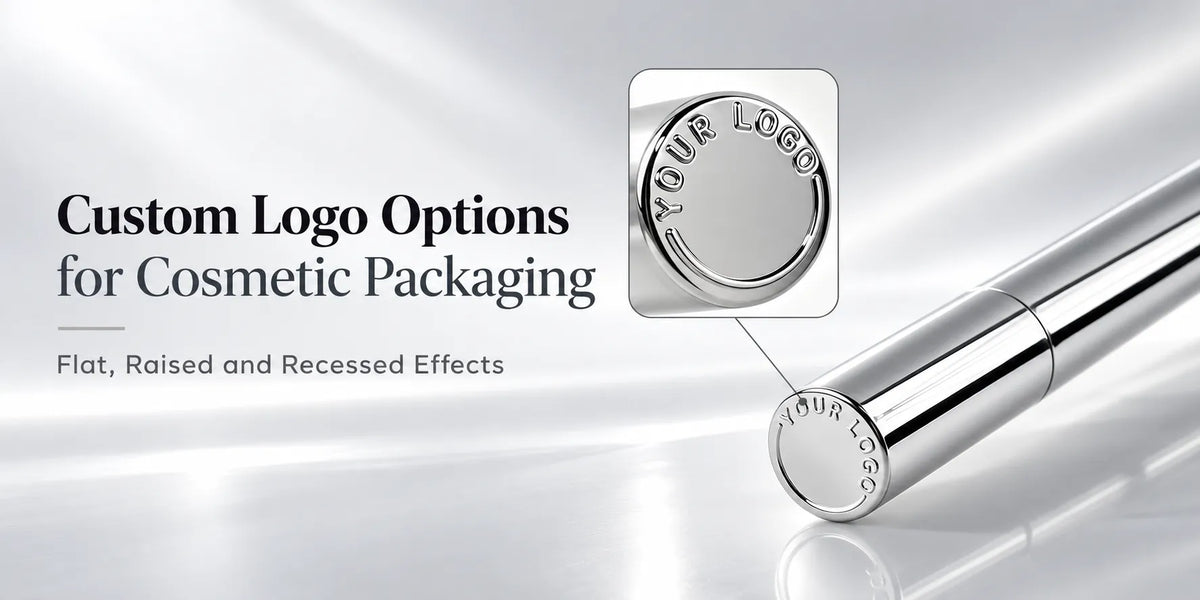
- Hot stamping: gold- or silver-colored hot-stamped logos and details can add visual contrast without describing the effect as a metal component.
- Embossing or debossing: selected projects may use raised or recessed details when the paper structure and artwork make the process practical.

Decoration should be confirmed on the finished three-dimensional sample. Tube seams, curved surfaces, palette edges, cap overlap, and repeated handling can change how artwork appears compared with a flat digital proof.
7. Wholesale Paper Packaging Requires Consistency Beyond the First Sample
For cardboard lip balm tubes wholesale and other bulk paper projects, the approved sample should establish more than the general appearance. Buyers need stable references for tube dimensions, cap fit, board color, print position, seam condition, edge quality, mechanism operation, and packing method.
A practical order review should cover:
- formula type, filling method, filling temperature, and target capacity;
- push-up, twist-up, lipstick, palette, or larger stick structure;
- complete material composition and any specific paper or environmental requirement;
- artwork files, color references, printing coverage, and confirmed finishing processes;
- sample quantity, production quantity, delivery schedule, and carton protection;
- the approved physical sample or signed specification used as the repeat-order standard.

Projects described as eco friendly lip balm tubes wholesale should also define exactly which environmental attribute is being requested. Paper-based, 100% paper structure, reduced-plastic, recycled-content, biodegradable, and compostable are different requirements and should not be used as interchangeable purchasing terms.
8. Develop Paper Cosmetic Packaging with KAIYA
KAIYA is a color cosmetic packaging factory and supplier providing paper lip balm tubes, paper lipstick tubes, cardboard eyeshadow palettes, and selected larger paper stick containers. Through our custom packaging development, we can help buyers compare push-up and twist-up structures, review formula and size requirements, confirm material composition, prepare artwork for the selected format, and develop samples before bulk production.
Send us the product category, formula type, filling method, target capacity, preferred paper structure, artwork, decoration requirements, order quantity, and launch schedule. KAIYA can then recommend a practical paper route and coordinate the project from component selection through sampling and production.