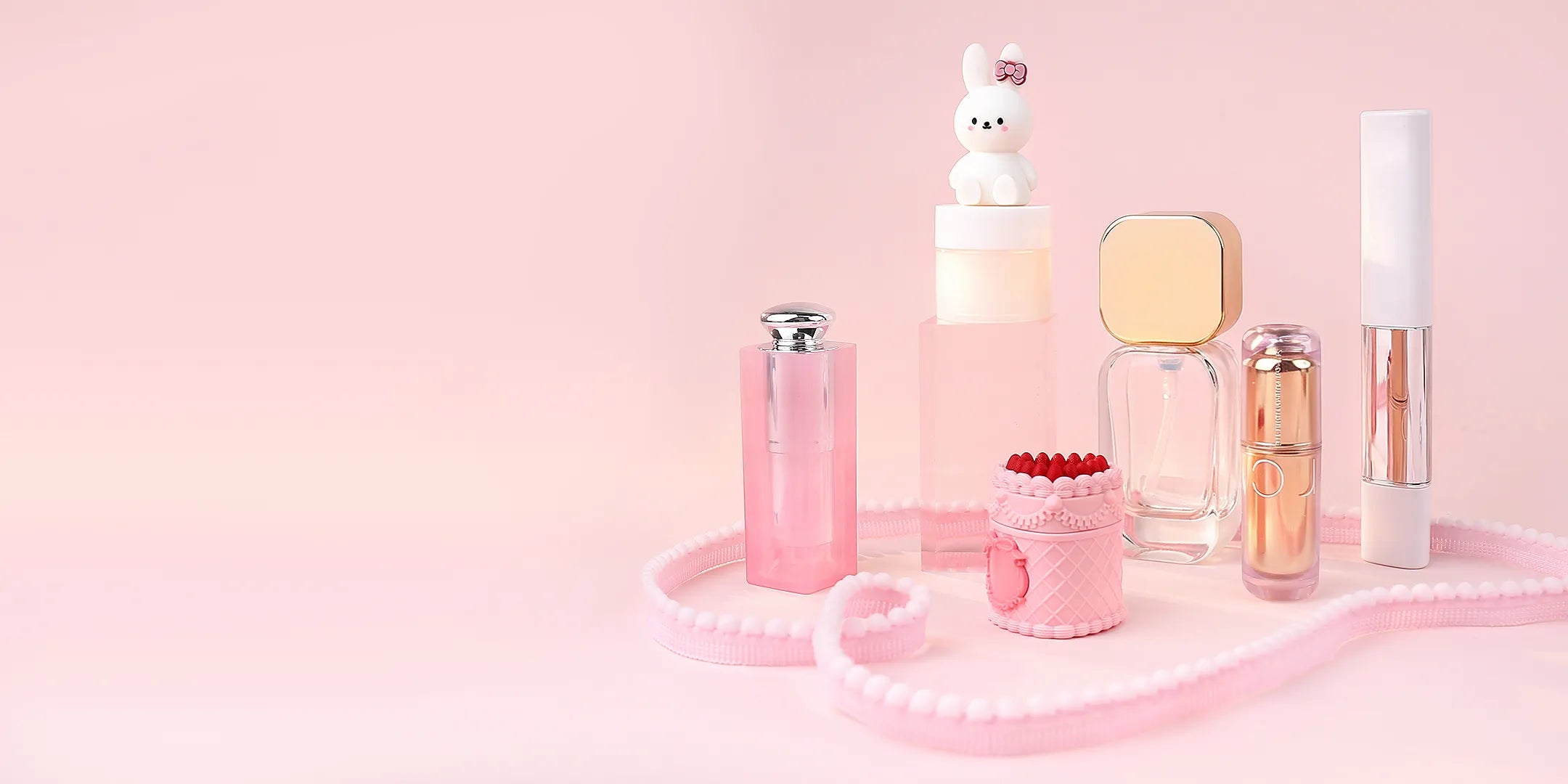
Plastic cosmetic packaging remains one of the most commercially practical directions in beauty packaging because it supports structure variety, finish flexibility, and broad product compatibility across lip, eye, and face categories. At KAIYA, plastic packaging projects are usually judged by how well the material and component route support actual product behavior, not by a generic idea that plastic is only the low-cost option.
This is why plastic cosmetic packaging should not be discussed as one single packaging answer. Plastic cosmetic containers, plastic cosmetic bottles, plastic cosmetic tubes, and plastic cosmetic jars all solve different problems. The right route depends on what the product needs to do in use, how it should look in the line, and how consistently the component can be produced as the project scales.

Why Plastic Cosmetic Packaging Still Leads So Many Color Cosmetic Projects
Plastic cosmetic packaging is still widely used because it gives brands a broad working range across shape, clarity, finish, and component behavior. In many categories, plastic offers the best balance between practical structure development and visual flexibility. This is particularly useful in lines that need to coordinate lip, eye, and face products inside one broader Cosmetic Packaging system.
KAIYA usually treats plastic packaging as a category-strength decision rather than a fallback material. If the brand needs a route that is commercially adaptable and easier to standardize across multiple product types, plastic is often still the most efficient answer.
How Plastic Cosmetic Containers, Bottles, Tubes, and Jars Solve Different Jobs
Plastic cosmetic containers are a broad structural family, but their product logic differs a lot. Plastic cosmetic bottles often matter most in dosage-led or bottle-led face products. Plastic cosmetic tubes support direct handling, squeeze logic, and more portable routines. Plastic cosmetic jars can work where a richer or more open-use pattern is needed. Each direction changes how the product is perceived before the formula is even judged.
KAIYA therefore compares plastic routes through product rhythm rather than shape alone. A tube may make the product feel more direct and repeatable. A bottle may feel more structured or more dosage-controlled. A jar may shift the category into a slower, more treatment-led use pattern. The material is the same, but the packaging logic is not.

Why Plastic Cosmetic Tubes and Bottles Need Different Evaluation Standards
A plastic cosmetic tube is often judged through squeeze behavior, handling simplicity, portability, and whether the product feels easy to use repeatedly. A plastic cosmetic bottle is usually judged more through closure confidence, dosage behavior, and whether the component feels stable in the hand. Those are not small differences. They change how the customer experiences the product category itself.
This is why KAIYA usually does not let teams choose a plastic route only by appearance. If the structure logic is wrong, the material choice does not save the product. A good material still needs the right component family around it.
Why Plastic Cosmetic Packaging Matters in Wholesale and Repeat Production
Plastic cosmetic packaging often becomes even more important when a brand starts thinking about scale. A structure that looks acceptable in a sample still has to remain consistent through production, decoration, and reorder cycles. This is where broader commercial planning begins to matter, including how the project may later connect to Cosmetic Packaging Wholesale decisions.
KAIYA usually treats plastic packaging routes through this long-term lens. The strongest project is not only the one that looks good now. It is the one that can stay stable enough to support future volume, repeatability, and a wider product family without drifting in feel or finish.

How KAIYA Supports Plastic Cosmetic Packaging Projects
KAIYA supports beauty brands looking for practical, production-ready plastic cosmetic packaging from a China-based supplier. We work across plastic cosmetic containers, plastic cosmetic bottles, plastic cosmetic tubes, plastic cosmetic jars, and wider category planning with attention to structure fit, finish logic, and how the component should behave in real use.
For teams evaluating plastic cosmetic packaging, the best first step is to define what the product should do in the customer's hand. Once that is clear, KAIYA can help narrow the right plastic route by structure, finish, and commercial fit so the final package stays strong in both development and scale.