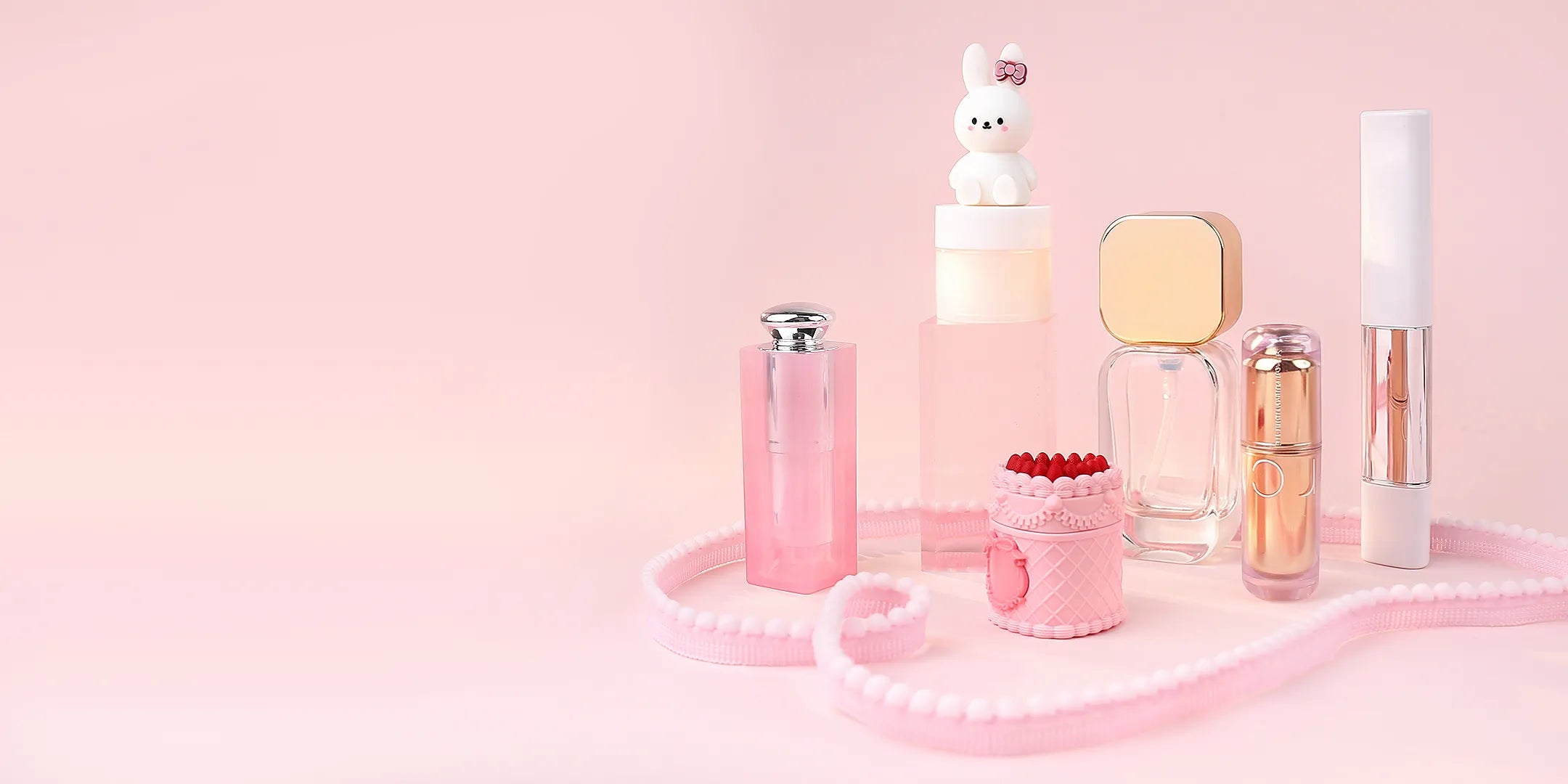
Plastic cosmetic tubes remain one of the most practical packaging families in color cosmetics because they support small-format products that need portability, repeat opening, fast handling, and consistent decoration. At KAIYA, tube-led development is still one of the strongest parts of the business because so many core makeup categories depend on tubes more than on bottles. Lip gloss tubes, mascara tubes, lip balm tubes, lipstick tubes, and empty eyeliner tubes all belong to this commercial logic, even though their structures should never be treated as interchangeable.
That is why KAIYA does not review plastic cosmetic tubes as one generic category. A gloss tube is judged through visibility, sellability, and formula presentation. A mascara tube is judged through opening behavior and component control. A lip balm tube is judged through portability and convenience. A lipstick-adjacent tube route is judged through identity and product fit. An empty eyeliner tube is judged through discipline and precision. Plastic is the shared material family, but the packaging standards change with the application.

Why Lip Gloss Tubes Still Lead Many Plastic Tube Programs
Lip gloss tubes remain one of the clearest examples of why plastic works so well in color cosmetics. The package has to help the formula look attractive, feel easy to carry, and support a clean repeated-use routine. At KAIYA, gloss tube projects are usually compared through presentation, transparency, squeeze logic where relevant, and how convincingly the tube supports the whole lip story.
That is why gloss tubes are often reviewed beside Lip Gloss Packaging rather than as random tube shells. The right gloss tube should help the product feel sellable, not just functional. Plastic remains useful here because it can support multiple gloss directions while staying commercially scalable inside the wider Plastic Cosmetic Packaging line.

How Mascara Tubes and Empty Eyeliner Tubes Need More Structural Control
Mascara tubes and empty eyeliner tubes are still plastic tube categories, but the review logic becomes stricter. In these projects, the package is not judged mainly through shelf clarity or casual portability. It is judged through how controlled the full interaction feels. Opening force, closure discipline, component fit, and repeat handling matter far more once the product moves into the eye category.
That is why KAIYA checks mascara tubes against the wider Mascara Packaging route, while empty eyeliner tubes are reviewed through precision, line control, and whether the shell helps the final product feel clean and technically believable. Plastic remains the dominant route because it supports these small formats efficiently, but efficiency alone is not enough. Eye packaging needs more discipline.

Why Lip Balm Tubes and Lipstick Tubes Still Belong in Plastic-Led Planning
Lip balm tubes and lipstick tubes help show why plastic tube planning cannot be reduced to one simple formula. Lip balm tubes usually need to feel easy, portable, and routine-friendly. The shell should support daily carry and repeated use without adding unnecessary friction. That is why KAIYA often compares balm tube work beside the broader Lip Balm Containers direction before the structure is finalized.
Lipstick tubes, by contrast, bring stronger identity pressure. Even when the route remains plastic-led, the component still has to feel category-correct and visually credible. A lipstick tube cannot behave like a balm tube and still communicate the right message. At KAIYA, this is where plastic remains commercially useful: it can support different lip categories efficiently, but only when the product logic is kept separate.

How KAIYA Compares Plastic Tube Categories Across a Real Makeup Line
KAIYA rarely reviews plastic tube formats one by one without looking at the line around them. A brand may need gloss tubes, mascara tubes, lip balm tubes, lipstick tubes, and empty eyeliner tubes all within one broader color-cosmetics system. The goal is not to force them into the same shell family. The goal is to make sure each tube type supports the product category correctly while still feeling commercially coherent across the line.
This is also why plastic tubes remain more central than many bottle routes in color cosmetics. Tubes dominate because they support more categories that depend on fast handling, controlled use, and small-format portability. But tube leadership does not mean sameness. The stronger the application logic, the more convincing the whole plastic tube program becomes.
How KAIYA Supports Plastic Cosmetic Tube Projects
KAIYA supports plastic cosmetic tube development across gloss, balm, eye, and selected lip-color categories with attention to product handling, structure credibility, decoration fit, and broader line planning. Plastic remains central because it gives brands the most practical route across many small-format makeup applications, but the right solution always depends on the product category being matched properly.
For teams evaluating plastic cosmetic tubes, the best first step is to define which category the tube really belongs to. Once that is clear, KAIYA can help compare the right gloss, balm, mascara, eyeliner, or lipstick-adjacent route with much more confidence.