Glass can give color cosmetic packaging visible clarity, a substantial weight, and a clean surface for decoration. It is most useful when these material characteristics support the formula and product positioning, not when glass is added only to make a package sound premium.
KAIYA's glass cosmetic packaging range is focused rather than broad. Our selected glass cosmetic containers are mainly foundation bottles and small jars for lip-care and care-style formulas. This article explains the advantages of glass in those formats, the limitations buyers should consider, and the information needed before sampling.

Quick screening framework:
- Use glass where clarity, weight, surface finish, or a rigid container body adds real value.
- For foundation bottles, match the glass neck, pump, dip tube, and closure to the liquid formula.
- For small jars, match the opening, capacity, lid, liner, and product access to the care formula.
- Include shipping weight, drop protection, and secondary components in the material decision.
- Approve decoration and function on a filled package rather than on an empty glass body alone.
1. What Advantages Does Glass Bring to Cosmetic Packaging?
Glass gives the package a different material experience from plastic. Its rigid wall does not need to flex during use, and a thick base can create more visual depth and weight in the hand. Clear glass shows the foundation shade or formula color directly, while frosted or coated glass can create a softer and more controlled presentation.

The main advantages are practical as well as visual:
- Clarity: clear glass can show the formula color and fill level without relying on a separate window.
- Weight and rigidity: the material creates a substantial feel and retains its shape during normal handling.
- Surface quality: a smooth glass body can support frosting, screen printing, and other selected decorative effects.
- Formula-contact potential: the glass body can suit many liquid, cream, balm, and gel formulas, although compatibility still needs to include the pump, gasket, liner, coating, and closure.
- Visual depth: wall and bottom thickness can make a small fill volume appear more substantial without changing the actual capacity.
These benefits are strongest when the structure remains simple. A glass body is often combined with a plastic pump, dip tube, cap, liner, or decorative shell, so the finished package should be described as a complete multi-component system rather than as an all-glass structure.
2. Glass Foundation Bottles Pair Material Weight with Pump Dispensing
Among the glass makeup bottles relevant to KAIYA's color cosmetic range, the main route is a glass foundation bottle for liquid foundation that can move through a pump system. The glass bottle provides the reservoir, while the pump, neck finish, dip tube, actuator, and cap control how the formula is sealed and dispensed. Buyers therefore need to select the bottle and pump as one working package.

For an empty glass foundation bottle, the main matching points are:
- Formula flow: the foundation must be able to enter the dip tube and move through the pump without excessive resistance or separation.
- Pump output: the amount released per press should suit the expected application amount and should remain reasonably consistent through repeated use.
- Neck and closure fit: the pump must match the bottle neck securely so the finished package can resist leakage during storage and transport.
- Dip tube length: it should reach the appropriate position inside the bottle without bending in a way that restricts product flow.
- Residual product: the bottle shape, shoulder, base, and dip tube influence how much foundation remains difficult to dispense near the end of use.

KAIYA's glass foundation bottle range is not limited to one standard cylinder. Brands can compare round, square, and other distinctive or customized bottle shapes according to the required visual style and capacity. A round profile creates a softer presentation, while a square or more geometric bottle provides clearer front-facing areas for logos and decoration. More distinctive shapes can strengthen product recognition, but the bottle profile should still be coordinated with pump and cap alignment, carton protection, packing layout, and the way the bottle sits on a surface. KAIYA can compare selected foundation bottle structures with the formula viscosity, target capacity, pump direction, shape, and decoration brief before the final bottle is approved.
3. Small Glass Jars Suit Selected Care and Lip-Care Formulas
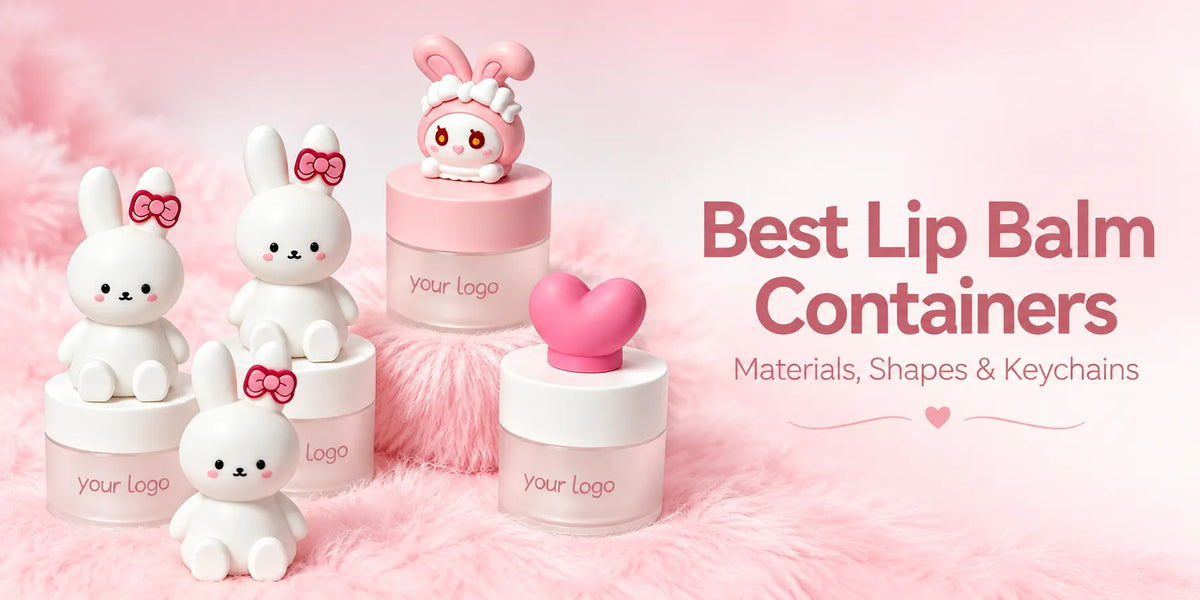
KAIYA's selected glass cosmetic jars include glass lip balm jars and other small care-oriented formats rather than a full range of large skincare jars. These small glass lip balm jars and compact care containers can suit lip masks, solid or softer lip balms, lip scrubs, selected creams, gels, and other formulas that are picked up through a wide opening.
The main advantage of a jar is direct product access. The buyer can adjust the opening diameter, jar depth, and capacity according to how the formula is filled and removed. A dense balm may need enough opening space for a finger or spatula, while a softer cream or gel needs a lid and liner combination that keeps the closure area clean and limits leakage.

- Opening size: should allow practical filling and product pickup without making the jar unnecessarily wide.
- Jar depth: affects how easily the product can be reached as the fill level drops.
- Lid and liner: need to match the neck and formula so the jar closes securely and the contact surface remains clean.
- Capacity: should reflect the actual product dose and category; a thick glass wall can make the outside dimensions larger than the internal fill volume suggests.
- Tool option: if a spatula is included, its size and storage method should be considered with the jar and carton.
Buyers searching for cosmetic glass jars should still confirm whether the available model is intended for their formula and filling process. A visually suitable jar may have the wrong opening, liner, or internal capacity for the planned product.
4. Clear and Frosted Glass Create Different Results
Glass decoration can change the same bottle or jar from transparent and formula-led to softer and more diffused. The finish should be selected with the formula color, logo contrast, and closure design in view.
- Clear glass: keeps the formula visible and works well when shade presentation or fill visibility is part of the design.

- Frosted glass: diffuses the view through the wall and creates a softer surface. Printed artwork should be sampled because frosting changes contrast and transparency.

- Screen printing: places logos and simple graphics directly on suitable glass areas.
- Decorated closures: a metallized, sprayed, printed, or hot-stamped cap can coordinate with the bottle without covering the complete glass body.
The decoration area may be smaller on curved shoulders, thick bases, and compact jars. Artwork should therefore be checked on the actual container shape, including how the logo aligns with a square bottle face, pump, cap, or jar seam.
5. Glass Also Adds Weight, Breakage Risk, and Structural Limits
The same weight that gives glass a substantial feel also increases finished-product and shipping weight. Export cartons, e-commerce parcels, inner trays, dividers, and retail cartons may need more protection than a comparable plastic package. Buyers should include this packaging and freight impact when comparing total project cost.
Glass can break under impact. Finished performance varies with container shape, wall distribution, base thickness, formula weight, closure assembly, and protection during shipping. Drop and transport checks should use the filled package and intended carton rather than an empty bottle alone.

Glass also offers less freedom for integral hinges, squeeze walls, twist mechanisms, and complex internal functions. This is why most color cosmetic applications still rely on plastic, while glass is selected for narrower bottle and jar routes where its clarity, rigidity, and weight create enough value to justify the tradeoffs.
6. Compare the Complete Package Before Ordering
A glass container is only one part of the final package. For a pump bottle, the buyer should confirm the bottle neck, pump output, dip tube, cap, formula, decoration, and shipping protection together. For a small jar, the jar opening, lid, liner, formula pickup, fill volume, and carton need to work as one system.
Useful information to prepare before sampling includes:
- formula type and viscosity;
- target fill volume and filling method;
- pump output or jar opening requirement;
- preferred clear, frosted, or coated appearance;
- logo and decoration files;
- target order quantity and sales channel;
- expected transport and drop-protection requirements.

7. How KAIYA Supports Selected Glass Packaging Projects
KAIYA supplies selected glass foundation bottles and small cosmetic jars for compatible liquid, cream, balm, gel, and lip-care formulas. Our glass range is not intended to cover every color cosmetic category. We focus on the bottle and jar formats that fit our actual product and customization capabilities.
Based on the formula, capacity, pump or lid requirement, shape, finish, artwork, and order plan, KAIYA can recommend available glass structures, coordinate compatible closures and decoration, and prepare samples for the buyer's filled-package review.