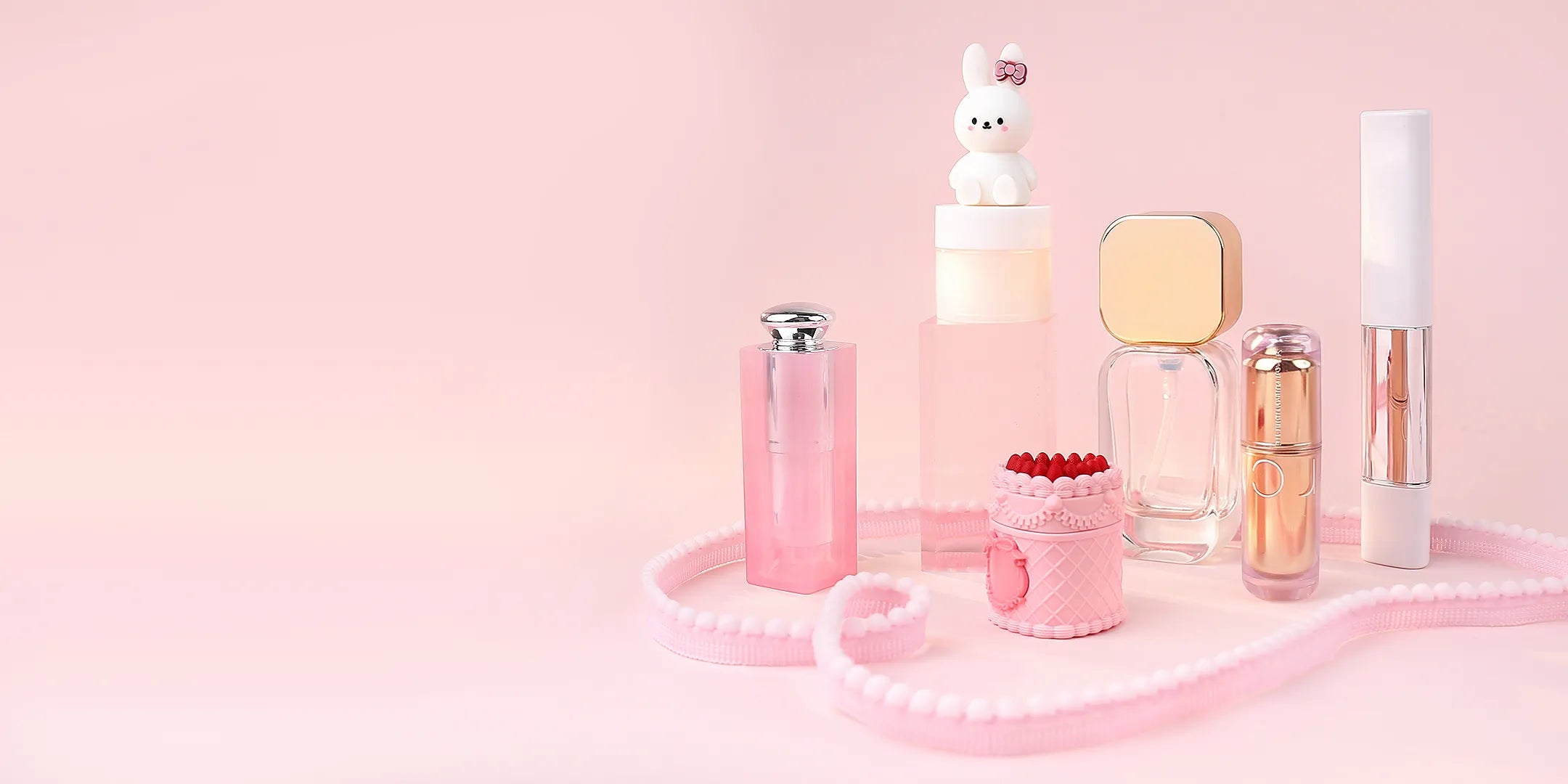
Wholesale lip gloss tubes are often compared by price and lead time first, but in real color-cosmetics scaling programs the decisive factor is repeat stability. At KAIYA, bulk gloss sourcing is treated as a quality-governance decision as much as a procurement decision, because gloss is highly visible and small shifts in clarity, finish, or fit can immediately affect perceived product value.

This is why KAIYA evaluates wholesale gloss routes through lifecycle performance rather than first-order impression alone. A route that looks strong in the initial sample stage can still become expensive if it drifts in reorders, creates repeated correction cycles, or loses family coherence as SKU count expands. In practice, the strongest wholesale answer is the one that remains visually and technically stable when the line moves from launch to repeated replenishment.
To keep this process practical, our review usually connects lip gloss containers planning with cosmetic tube packaging logic and complete surface treatment solutions, so shell behavior, finish consistency, and scale-up controls are aligned from the beginning instead of patched later.

1. Why Wholesale Lip Gloss Tubes Need More Than a Bulk Price Comparison
In wholesale gloss programs, unit price is only one layer of cost. The more consequential cost exposure usually appears in lot-to-lot finish variation, inconsistent fit behavior, delayed corrections, and replenishment instability. For this reason, KAIYA does not treat supplier comparison as a price-table exercise. We compare whether the route can hold a consistent standard across first lot and follow-on orders without forcing repeated technical resets.
This approach is particularly important in gloss because packaging is part of product display, not only product containment. If cap finish, tube clarity, or decorative quality drifts across lots, the line can look fragmented even when formula quality is stable. A wholesale decision should therefore protect both purchasing efficiency and visual continuity of the range.

2. How KAIYA Reviews Technical Stability Before PO Expansion
Before expanding purchase volume, KAIYA focuses on a controlled set of technical checkpoints that are directly tied to gloss usability and repeat quality. These include assembly feel consistency, thread and closure behavior, applicator-fit stability, and practical leakage resistance under expected handling conditions. On the visual side, we check clarity behavior, finish repeatability, and logo/print control against a defined reference set rather than against subjective acceptance.
The goal is to prevent the common wholesale pattern where the first sample passes but large-volume execution becomes inconsistent. By defining measurable references early and validating against them before scale, brands can reduce correction loops and avoid preventable disruptions during replenishment cycles.

3. Tube Family Discipline in Multi-SKU Gloss Programs
Wholesale success in lip gloss is not one SKU success multiplied. Once more shades, seasonal variants, and sub-lines are added, the family can lose coherence unless structure and finish language are managed as a system. KAIYA usually reviews tube family discipline through cap language, transparency behavior, finish hierarchy, and how gloss SKUs sit within the broader lip assortment.
This is where phased expansion often performs better than simultaneous variant explosion. Stabilizing one core gloss family first, then expanding complexity after reorder behavior is proven, usually gives stronger visual control and lower operational risk. In clear cosmetic packaging and semi-clear routes, this discipline becomes even more important because minor variance is easier for customers to notice.
4. Total Cost Control: Why Lifecycle Metrics Matter More Than First Quotes
For brands evaluating wholesale lip gloss tubes, total cost should be read across the full cycle: quoted unit cost, correction cost, delay cost, and replacement exposure. Routes that seem inexpensive at the quotation stage can become costly when finish drift or fit inconsistency triggers repeated interventions. KAIYA therefore recommends comparing suppliers with lifecycle metrics such as first-lot stability, reorder variance, and correction responsiveness, not quotation alone.
This also helps procurement teams defend better decisions internally. When supplier comparison includes repeatability metrics, it becomes easier to choose a route that protects launch rhythm and long-term line credibility, rather than one that only optimizes first-order optics. For scaling teams, this evaluation usually sits close to broader cosmetic packaging wholesale planning.

5. How KAIYA Supports Brands as a Professional Lip Gloss Packaging Supplier
KAIYA supports wholesale gloss programs with a gloss-focused execution model built around structure-fit discipline, finish repeatability, and scale-ready delivery control. Our role is not limited to supplying components. We help brands maintain packaging stability as SKU count grows and reorder pressure increases, so the gloss line stays commercially attractive and operationally controlled over time.
Depending on project requirements, this can be aligned with custom service or private label service routes while still preserving a unified gloss family standard. For teams that need a reliable wholesale lip gloss supplier relationship, the strongest starting point is to define the non-negotiable quality references first, then scale volume on a controlled technical basis.