Plastic is used across more color cosmetic packaging formats than any other material direction. It can form lightweight bottles, rigid compacts, clear applicator tubes, twist-up sticks, jars, caps, wipers, and detailed internal parts. This combination of structural flexibility, material choice, decoration range, and production practicality explains why plastic cosmetic packaging remains the main route for many makeup brands.
This does not mean every plastic or every container performs the same way. The advantage of plastic is that buyers can match different resins and structures to the formula, application method, brand style, target price, and order scale. The following sections explain where those advantages become useful in real B2B packaging projects.

Plastic cosmetic packaging at a glance:
- Supports a wide range of bottles, tubes, sticks, compacts, palettes, jars, and internal components.
- Offers lower package weight and good impact resistance for shipping and daily handling.
- Can be clear, translucent, opaque, color matched, metallized, sprayed, printed, or hot stamped.
- Allows the material and wall structure to be adjusted for different functional requirements.
- Works well for both standard molds and more distinctive custom shapes.
1. Plastic Supports the Widest Range of Makeup Container Structures
The strongest advantage of plastic is not one isolated property. It is the number of structures that can be produced from it. A color cosmetic line may need a reservoir, cap, applicator, wiper, mechanism, mirror frame, pan holder, hinge, and decorative shell. Plastic can be used for many of these parts while allowing each part to have a different level of flexibility, rigidity, clarity, or surface finish.
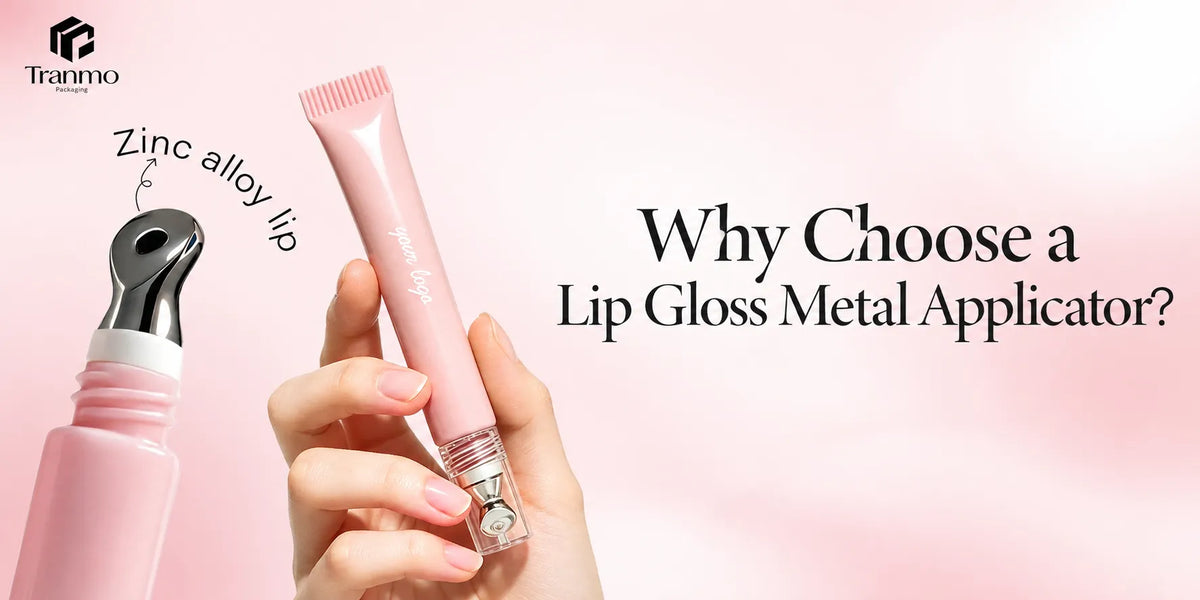
- Lip products: lip gloss tubes, lip oil containers, lipstick containers, lip balm tubes, squeeze tubes, and small jars.

- Eye products: mascara tubes, eyeliner tubes, eyebrow gel containers, wipers, caps, and wand components.

- Face products: foundation bottles, applicator-led tubes, cushion cases, loose powder jars, powder compacts, blush cases, and palettes.

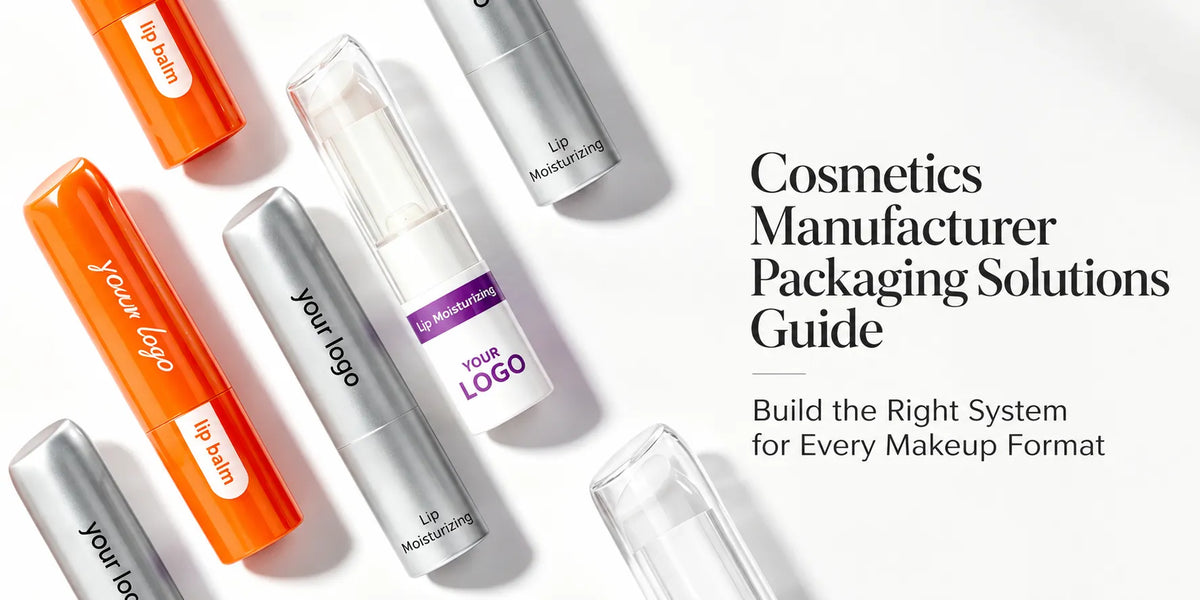
- Stick formats: foundation, contour, blush, highlighter, balm, and selected sunscreen stick components.
This range lets brands use plastic makeup containers across several SKUs without forcing every product into the same shape or dispensing method. Each formula can use an appropriate structure while color, finish, and design details maintain a coordinated collection.

2. Lower Weight and Impact Resistance Support Practical Distribution
Plastic cosmetic containers are generally lighter than comparable glass packages. Lower component weight can reduce the weight of finished cartons and shipping cases, which matters when a brand is planning e-commerce orders, export cartons, retail distribution, or a large multi-SKU launch.

Many plastic structures also offer useful toughness during normal handling. They are less likely than glass to create sharp fragments if a package is dropped, although finished drop performance still depends on the resin, wall design, molded part, assembly, formula weight, and test conditions. The practical benefit for buyers is a wider range of lightweight structures that can be reviewed for the expected distribution route.
Weight should still be matched to product positioning. A lightweight package can feel efficient and portable, while thicker walls, metal-look decoration, or an ABS outer shell can create a more substantial presentation when the line needs a stronger premium impression.
3. Different Plastic Materials Solve Different Packaging Requirements
“Plastic” is a material family, not one resin. A buyer sourcing empty plastic cosmetic containers should first identify which parts touch the formula, which parts provide structure, and which parts mainly create the visual finish. The same package may use more than one resin because the bottle, cap, wiper, mechanism, and decorative shell do different jobs.
- PP: commonly used for functional components and selected containers that need a practical balance of flexibility, chemical resistance, and production stability. Formula compatibility still needs to be confirmed for the specific grade and product.
- PET: often considered for clear or translucent bottle and jar structures when lower weight, visibility, and commercial efficiency are priorities.
- PETG: provides high clarity and can create a thick-wall, glass-like visual effect. It also offers good toughness, while finished performance depends on the component design and actual testing.

- ABS: a rigid material frequently used for outer shells, caps, compacts, and decorative components that need a firm feel and good support for surface treatments.
- AS: used in selected rigid clear components where gloss and product visibility are important. Its suitability depends on the formula-contact structure and complete package design.

The resin should follow the package function. Choosing PETG only because it looks clearer, or ABS only because it feels rigid, can create unnecessary cost or an unsuitable formula-contact route if the full component has not been considered.
4. Plastic Makes Distinctive Packaging Shapes Easier to Develop
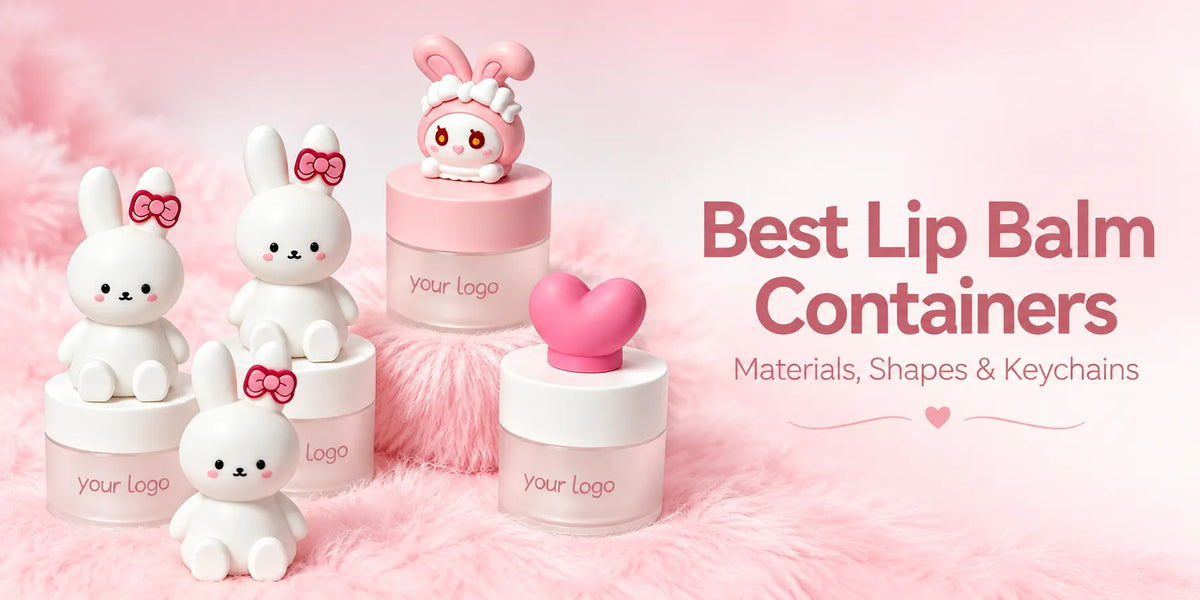
Plastic is well suited to creating both standard containers and more imaginative molded shapes. In addition to cylinders, squares, slim tubes, and rounded compacts, brands can develop cute and compact mini packages in heart or star shapes, simplified animal-inspired forms, and more artistic silhouettes. These designs allow the shape itself to become a recognizable part of the product line while keeping the package lightweight and suitable for portable makeup formats.
- Heart and star shapes: add an immediately recognizable outline to mini compacts, lip products, and other small makeup containers.

- Animal-inspired shapes: use simplified ears, faces, or body outlines to create a cute character without making the component unnecessarily complicated.

- Artistic shapes: use sculptural curves, irregular outlines, or distinctive proportions to move the package beyond a conventional round or square container.

- Mini formats: combine a compact scale with a distinctive shape for portable collections, gift sets, limited editions, and selected keychain-style products.

The shape still needs to leave enough space for the formula, closure, mechanism, logo, and decoration. An existing mold can provide a faster route when a suitable design is available, while a proprietary silhouette may require custom tooling and additional development time.
5. Plastic Also Supports More Shapes and Surface Finishes
Plastic can be molded in standard cylinders, squares, slim profiles, thick-wall clear shapes, rounded compacts, and more distinctive custom silhouettes. This flexibility is useful for color cosmetics because the package often needs to express the product category before the label is read. A mascara tube can be slim and elongated, a powder compact can use a recognizable outline, and a lip product can use a transparent wall to show the shade.
Surface treatment adds another design layer:
- Spray coating: supports matte, gloss, gradient, soft-touch, or custom color effects on suitable parts.

- Vacuum metallization: creates silver, gold, or other metallic-looking surfaces without changing the base component to metal.

- Silk screen or pad printing: adds logos and controlled graphics to flat or curved areas.

- Hot stamping: applies metallic accents to logos, rings, and selected decorative areas.

The finish must be matched to the resin and component geometry. Sharp edges, flexible walls, cap friction areas, and parts handled repeatedly may need different decoration solutions. KAIYA can place the finish review inside the actual component sample rather than treating decoration as a separate artwork decision.
6. Color Gives Plastic Cosmetic Packaging a Clear Brand Identity
Plastic can be produced in opaque, translucent, or transparent color directions, giving brands broad control over the first visual impression of a makeup product. Color can identify the target customer, separate product families, support shade ranges, or coordinate lip, eye, and face packaging within one collection.
- Pink cosmetic packaging: gives molded or coated plastic containers a soft, playful, or youthful visual direction.

- Rose gold cosmetic packaging: adds a warm metallic appearance to plastic components for refined or premium makeup collections.

- Gold cosmetic packaging: gives plastic tubes, cases, caps, and decorative details a stronger luxury impression.
- Silver makeup packaging: creates a clean, modern, or futuristic metal-look surface on suitable plastic parts.

- Black cosmetic packaging: strengthens the outline of a plastic container and provides clear contrast for logos and metallic details.

- White cosmetic packaging: gives plastic makeup containers a clean, minimal base for colored logos and coordinated collections.
- Blue cosmetic packaging: can make plastic components feel fresh, premium, or futuristic depending on the shade and finish.

-
Clear cosmetic packaging: uses the transparency of selected plastics to show the formula shade, fill level, or internal structure.

For color sampling, buyers should provide a reference color or Pantone direction and confirm whether the target is opaque, translucent, transparent, matte, glossy, or metallic. The same color can appear different on PP, PETG, ABS, and other plastic components, so approval should be based on the selected resin and finished sample.
7. Plastic Can Be Matched to Formula and Application Behavior
The wide use of plastic containers for cosmetics comes partly from their ability to support very different dispensing and application systems. The buyer still needs to match the complete structure to the formula:
- Liquid products: bottles, squeeze structures, and applicator-led tubes need suitable outlets, pumps, wipers, or applicators for the formula viscosity.
- Powders: compacts, palettes, and loose powder jars need stable hinges, pan or sifter fit, and closures that keep the package clean.

- Solid and semi-solid products: lipstick, balm, and foundation sticks need a cup and mechanism that support the formula without excessive wobble, scraping, or breakage.

- Clear packages: the formula, colorants, and decoration should be reviewed with the selected clear resin because clarity and color appearance can change after filling.
A material description alone cannot confirm compatibility. Filled samples should be used to check leakage, product pickup, dispensing, closure, formula appearance, and repeated use in the final component combination.
8. Standardization Makes Plastic Practical for Wholesale and Repeat Orders
Plastic is well suited to molded components that need consistent dimensions and repeated assembly. This is important for caps, wipers, threaded closures, twist mechanisms, hinges, and other parts that must work together across a production batch. Established molds also give buyers a practical starting point when they need to reduce development time compared with creating a fully new custom structure.

For plastic cosmetic containers wholesale projects, the approved standards should cover molded color, visible surface quality, dimensions, closure feel, mechanism operation, decoration position, and assembly. When the same package returns in a repeat order, these standards help the factory and buyer compare the new batch with the approved direction.
Custom tooling is still possible when the brand needs a proprietary shape or structure. The decision should be based on expected volume, launch schedule, development budget, and how much functional difference the new mold will create—not only whether the outline looks unusual.
9. Recycled Content Is an Option, Not a Universal Replacement
Selected projects can consider PCR plastic cosmetic packaging or other recycled-content routes. PCR can reduce reliance on virgin material, but the available percentage, color, clarity, odor, surface appearance, and mechanical performance depend on the resin, supplier stream, component, and project requirements.

Buyers should decide where recycled content makes the most sense in the package and request supporting material information for the actual component. A PCR outer part may be more practical than a clear formula-contact reservoir when the brand requires precise transparency or color. Recycling claims also depend on the complete construction, including mixed resins, metal parts, mirrors, springs, labels, and decoration.
10. How KAIYA Supports Plastic Cosmetic Packaging Projects
KAIYA is a color cosmetic packaging factory and supplier with plastic as its broadest material direction. We supply plastic bottles, applicator tubes, jars, sticks, compacts, palettes, cushion cases, and eye-product components across lip, eye, and face categories.
Brands can provide the formula type, application method, capacity, target material, transparency, shape, finish, order quantity, and launch schedule. KAIYA can then compare suitable standard components or custom-development routes, prepare samples, coordinate decoration, and support the move from an approved package to bulk production.