In modern lip balm packaging, tubes and jars solve different product needs. Tubes are familiar, portable, and convenient for direct swipe application. Lip balm jars provide wider access to the formula, making them useful for softer balms, richer lip treatments, textured products, and formulas applied with a fingertip or separate tool.

KAIYA develops lip balm containers across tube, jar, squeeze, stick, and specialty formats. This guide explains when a jar is the practical choice, how formula and application affect the structure, and what buyers should review when comparing transparency, surface processes, shapes, and applicator options.
Quick screening framework:
- choose a jar when the formula benefits from a wider opening and controlled pickup;
- match the jar mouth and depth to the balm, mask, or scrub texture;
- decide whether the product will be applied by fingertip or with an applicator stored inside the jar design;
- treat transparency, material, surface process, and shape as separate packaging decisions;
- approve the filled and decorated sample before confirming bulk production.
1. Why Lip Balm Jars Still Matter Beside Tube Packaging
A twist-up tube protects a solid balm bullet and supports quick, direct application. It is usually the more convenient route for frequent reapplication during the day because the formula can be swiped onto the lips without being touched. A jar creates a different relationship between the formula and the package: the wider opening exposes more product and allows the user to pick up only the amount needed.

That access becomes useful when the formula is too soft to hold a stable stick shape, too rich for a conventional twist-up mechanism, or intended to be scooped rather than swiped. A jar can also show the texture of a lip mask or scrub more clearly and support a slower, treatment-led routine. Its value therefore comes from formula access and application behavior, not simply from looking different from a tube.
For buyers planning a wider lip care packaging line, jars and tubes can work together. A portable daily balm may use a tube, while an overnight mask, richer repair balm, or textured scrub uses a jar. Assigning each structure a clear product role makes the collection easier to understand and avoids forcing several formula types into one package.
2. Match the Jar Opening to Formula Texture and Pickup
The formula should determine how wide and deep the jar needs to be. Buyers should review the actual bulk texture rather than choosing from an empty sample alone, because viscosity, firmness, particles, and temperature response all affect pickup.

- Soft or butter-like balm: a wider mouth allows a fingertip or small tool to collect the formula without pressing against a narrow edge.
- Rich lip mask: a shallow or moderately deep jar can make repeated scooping easier while supporting a treatment-style presentation.
- Lip scrub with visible particles: the opening needs enough access for the textured formula and the selected applicator without creating excessive residue around the rim.
- Firm direct-swipe balm: if the formula is designed to remain as a defined stick, a twist-up tube may still provide the cleaner and more convenient route.
Capacity should also match expected use. A small treatment product may not need a deep jar, while an unnecessarily wide package can make a low fill look visually incomplete. Filled samples help the buyer judge product level, pickup comfort, rim cleanliness, and whether the package feels correctly proportioned.
3. Integrated Applicators Make Jar Application Cleaner and Easier to Store
More lip balm jar designs are moving beyond a loose spatula packed separately in the carton. The applicator can be fitted into the cap, placed in a dedicated holder, or combined with the upper part of the jar so that the tool and formula stay together. This makes the package easier to carry and store while reducing repeated direct finger contact with the balm.
A lip balm jar with applicator is especially useful for richer balm, lip mask, or treatment-style formulas that are picked up in small amounts. A mini spatula supports controlled scooping, while a small brush or another purpose-designed tool can place the formula more accurately along the lips. The benefit comes from keeping the tool accessible and protected within the complete package—not merely adding an applicator beside the jar.

Buyers should compare:
- Integrated storage: the applicator should sit securely in the cap, holder, or confirmed storage position without interfering with closure.
- Easy removal: the user should be able to take out the tool comfortably without touching the application tip.
- Tool size: the tip should fit the jar mouth and reach the formula without scraping awkwardly against the wall.
- Pickup amount: the applicator should collect enough product for practical use without carrying an excessive load.

KAIYA can compare jar and applicator combinations for selected projects, but the final decision should be made with the actual formula and filled package. A tool that looks proportional beside an empty jar may behave differently once the formula viscosity and pickup amount are tested.
4. Why Transparent Lip Balm Jars Are So Common
Many brands choose a transparent jar because the formula itself carries visual value. A clear wall can reveal a soft tint, gel-like clarity, shimmer, suspended particles, scrub texture, or layered appearance without relying on an illustration to explain the product. This makes transparency especially useful when the contents are distinctive enough to become part of the packaging design.

For clear cosmetic packaging, the final evaluation should include clarity, molding marks, scratches, wall consistency, and the way the filled formula appears under normal lighting. A perfectly clear empty jar may show air pockets, uneven product surfaces, or residue more visibly after filling, so the filled presentation must be approved rather than assumed.
5. Plastic and Glass Create Different Material Directions
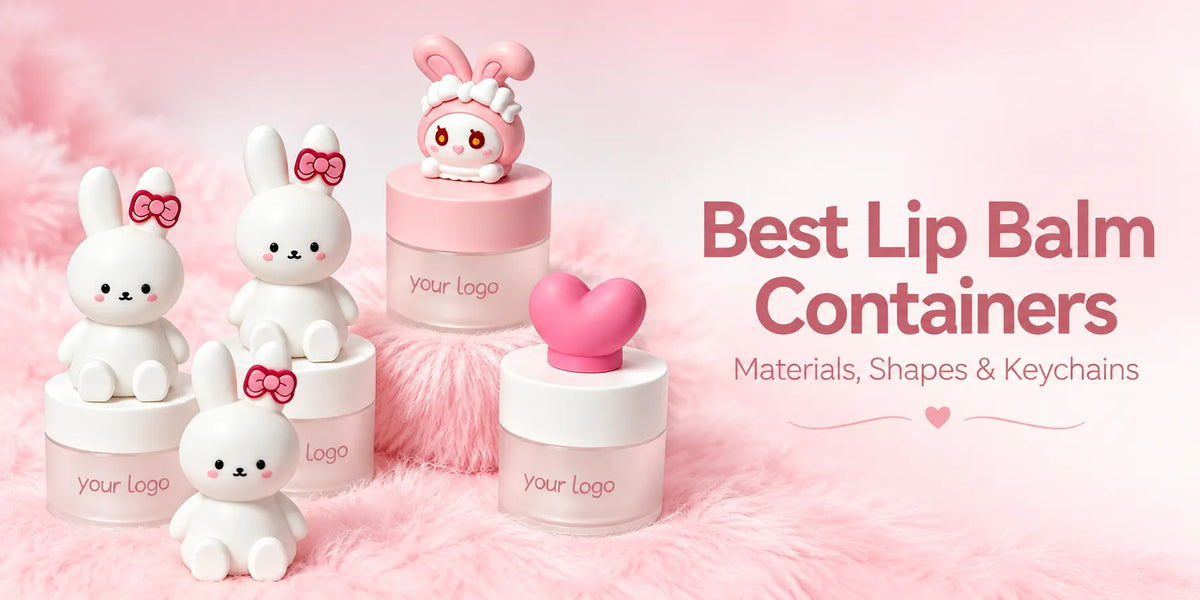
Plastic is the main material route for many lip balm jar projects because it offers a practical balance of cost, low weight, color flexibility, and shape development. It can support standard round or square jars as well as compact and more playful molded forms. Plastic also gives brands more freedom to coordinate transparent, translucent, or opaque components across a larger lip care series.

Some brands choose small glass lip balm jars when the product needs a heavier hand feel and a more refined material presentation. Clear glass can show the formula with stronger visual depth, while a carefully matched cap and decoration can make the jar feel more premium. Buyers should still consider shipping weight, breakage risk, protective packing, and the fact that the cap, liner, or other fitted parts may use different materials.

The material decision should follow the product position and distribution plan. Plastic is often the more flexible and cost-effective choice for larger programs or custom shapes, while glass is better reserved for selected projects where its weight and appearance provide a clear value.
6. Use Surface Processes to Build a Different Jar Style
Surface processes change the outer character of a jar without serving the same role as transparency. A frosted or matte effect can soften the appearance and reduce the sharp gloss of a clear surface. Colored or coated components can create stronger brand recognition, while printing and logo processes add controlled graphic detail.
- Frosted or matte finish: creates a softer, more treatment-led appearance while partially diffusing the view of the formula.
- Spray coating: supports selected custom color and surface directions according to the jar material and project.

- Silk screen printing: adds a clear logo or simple graphic on a suitable flat or gently curved area.
-
UV printing or UV coating: can add sharper graphic detail, selected color effects, or localized gloss when the jar surface and design are suitable.

The best process plan depends on the jar shape and material. Buyers should review color, logo scale, edge definition, abrasion resistance, and appearance on the actual component instead of approving the effect from a digital rendering alone.
7. Choose a Shape That Supports the Product Role
Shape should have a practical reason. Round jars are familiar, easy to handle, and suitable for many standard balm and treatment projects. Square or more geometric jars provide flatter visual areas and a more structured appearance. Small lip balm jars can suit trial sizes, travel sets, gifts, or targeted treatments where compactness is part of the product plan.

Special shapes can make a line more recognizable, but they require closer review of cap alignment, standing stability, usable logo area, carton fit, and molded detail. Shape should remain one part of the package-selection decision here; more experimental honey pot, egg, ball, fruit, flower, animal, and other forms belong to the broader direction of lip balm jar design innovation.

8. Jar Structures Can Extend to Lip Masks and Scrubs
A lip balm jar can also support nearby care categories when the formula and application method fit. A lip mask jar often suits a richer overnight or treatment-style formula that is collected in a small amount. A scrub jar may benefit from a wider opening when the product contains visible particles or needs to be mixed and picked up with a tool.

This does not make jars suitable for every lip care formula. Very fluid oils generally need a more controlled dispensing system, while firm swipe-on balms may work better in a tube. Buyers should select the container according to how the product moves, how it is collected, and how it should be applied—not merely because several products belong to the same lip care line.
9. Confirm the Basic Package in a Filled Sample
Before production, buyers only need to confirm a few practical points: the cap opens and closes smoothly, the jar mouth gives comfortable access, an integrated applicator stores securely, and the filled formula remains presentable around the rim. The sample should also sit steadily and fit its carton without unnecessary movement.
Reviewing empty lip balm jars helps compare size and appearance, but the filled and decorated sample gives the more useful decision. It shows how the formula, color, applicator, cap, and jar work together in the finished product.
10. Develop Lip Balm Jar Packaging with KAIYA
KAIYA can support lip balm jar projects by comparing capacity, material, wall appearance, transparency, cap structure, applicator option, color, surface process, shape, and decoration. We can also coordinate jars with tubes, squeeze formats, sticks, and other lip care components when a brand needs a consistent packaging family across several formulas.
For an efficient quotation or sampling discussion, buyers can provide the formula type, target fill, preferred material and shape, applicator requirement, transparency or finish direction, logo artwork, estimated quantity, and reference images. KAIYA's custom cosmetic packaging service can then compare an existing jar route with a more distinctive custom direction and identify the checks needed before production.