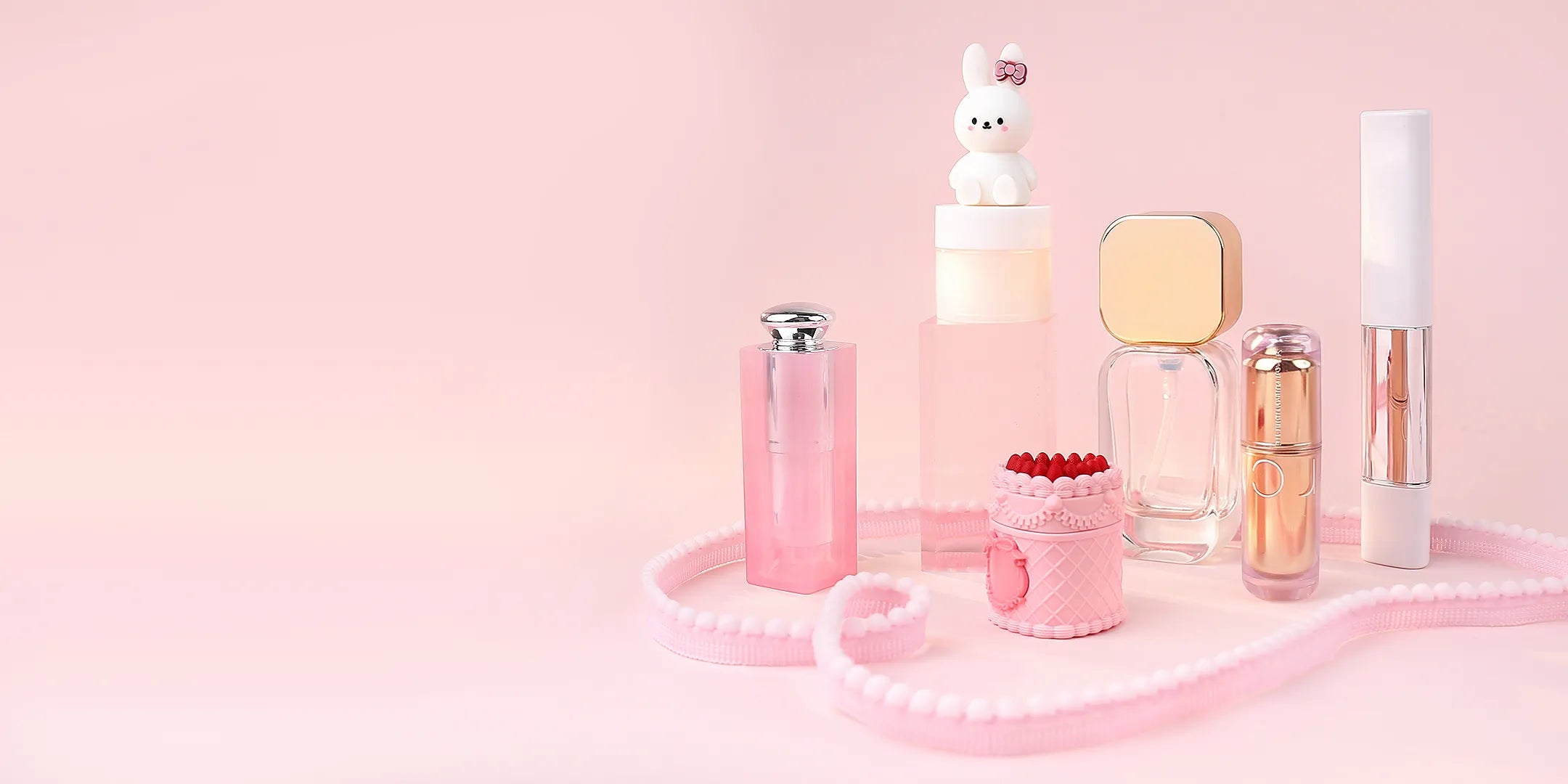
1. In real color-cosmetics programs, cardboard cosmetic packaging should start from high-fit categories, not from broad material ambition. At KAIYA, the first priority is usually lip formats where structure logic can be controlled clearly: paper lip balm tubes, paperboard lip balm tubes, and paper lipstick tubes.
2. This sequencing matters because paper routes are easier to scale when daily-use behavior, closure routine, and product role are already well defined. If brands start with complex categories first, sampling rounds increase and line consistency often weakens.
3. For this reason, we align early planning with paper cosmetic packaging, lip balm containers, and lipstick tubes so paper decisions stay category-correct and commercially scalable.

1. Why Lip Formats Are the Core Entry Point for Cardboard Routes
Paper entry in color cosmetics is strongest when the package role is explicit and user behavior is predictable. Lip categories usually meet this condition better than many other categories, so KAIYA often starts with cardboard lip balm tubes and paper lipstick packaging before expanding to wider paper deployment.
In practical sourcing terms, lip balm paper packaging should be evaluated through three controls: closure repeatability, edge durability in daily handling, and lot-to-lot print consistency. These controls directly determine whether the route can move from concept sample to reorder program.
Where brands need stronger environment-led communication, eco friendly lip balm tubes can be introduced as a phased route, but only after mechanical behavior and logistics stability are validated. Sustainability messaging should follow product stability, not replace it.

2. Paper Lip Balm Tubes vs Paper Lipstick Tubes: Different Control Priorities
Although both are paper routes, control points are not identical. For paper lip balm tubes, the emphasis is usually on everyday handling rhythm and reliable closure behavior. For paper lipstick tubes, the emphasis expands to include shell authority, opening feel, and visual precision because lipstick has stronger hero-category pressure in most collections.
KAIYA therefore avoids treating all paper tube cosmetic packaging as one technical bucket. A route that works for balm does not automatically fit lipstick at the same commercial standard. This is one of the main reasons phased category rollout is more reliable than full-line paper conversion in one step.

3. Where Eyeshadow Paper Routes Fit in the Sequence
Eyeshadow should usually be the third step, not the first. After lip paper routes are stable, brands can expand to cardboard eyeshadow packaging where palette storytelling and visual identity become stronger business drivers. At this stage, paper structure decisions can be supported by proven process controls from earlier lip programs.
For eyeshadow, KAIYA checks hinge reliability, pan fixation consistency, and transport deformation risk before approving scale plans. This is why we connect expansion with eyeshadow packaging and broader cosmetic packaging materials planning instead of treating palette paper routes as decoration-only projects.
4. Wholesale and Scale-Up Discipline for Paper Programs
Bulk paper routes should be judged by repeatability data, not by first-order pricing only. Whether teams are reviewing paper lip balm tubes wholesale options or phased paper lipstick packaging rollout, the same question applies: can finish quality, closure behavior, and structural consistency hold across repeated production lots?
KAIYA usually maps this step through cosmetic packaging wholesale and sustainable cosmetic packaging so procurement speed and quality stability can be managed together.

5. Final Guidance
The most reliable cardboard cosmetic packaging strategy is sequence-based: first stabilize lip paper routes, then extend to eyeshadow paper formats, then scale with documented quality gates. KAIYA supports this path so brands can build paper programs that are commercially credible, operationally stable, and aligned with long-term line growth.