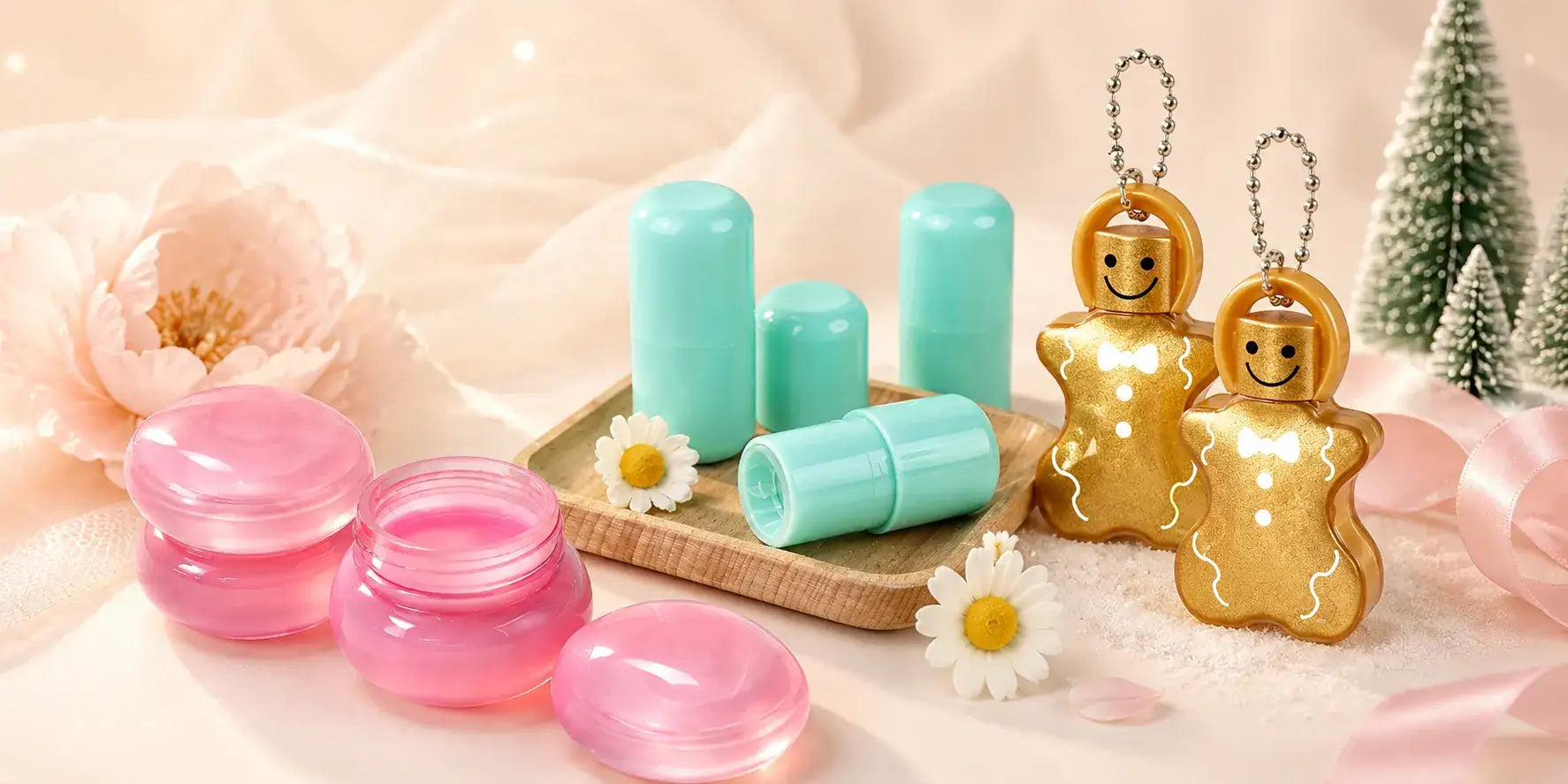
KAIYA empty lip gloss tubes in squeeze tube and wand tube styles for private label lip gloss packaging projects

Evaluating a Lip Gloss Packaging Manufacturer: Service, Custom Molding, and Production Readiness

Evaluate a lip gloss packaging manufacturer by project service, custom-mold capability, engineering, mold quotations, DFM, validation, logistics, and production.

Choosing a lip gloss packaging manufacturer is not only a comparison of available tubes and prices. The manufacturer must understand the formula and component system, respond accurately to the buyer's concerns, support standard and custom projects, and carry the approved package into stable production and repeat supply.

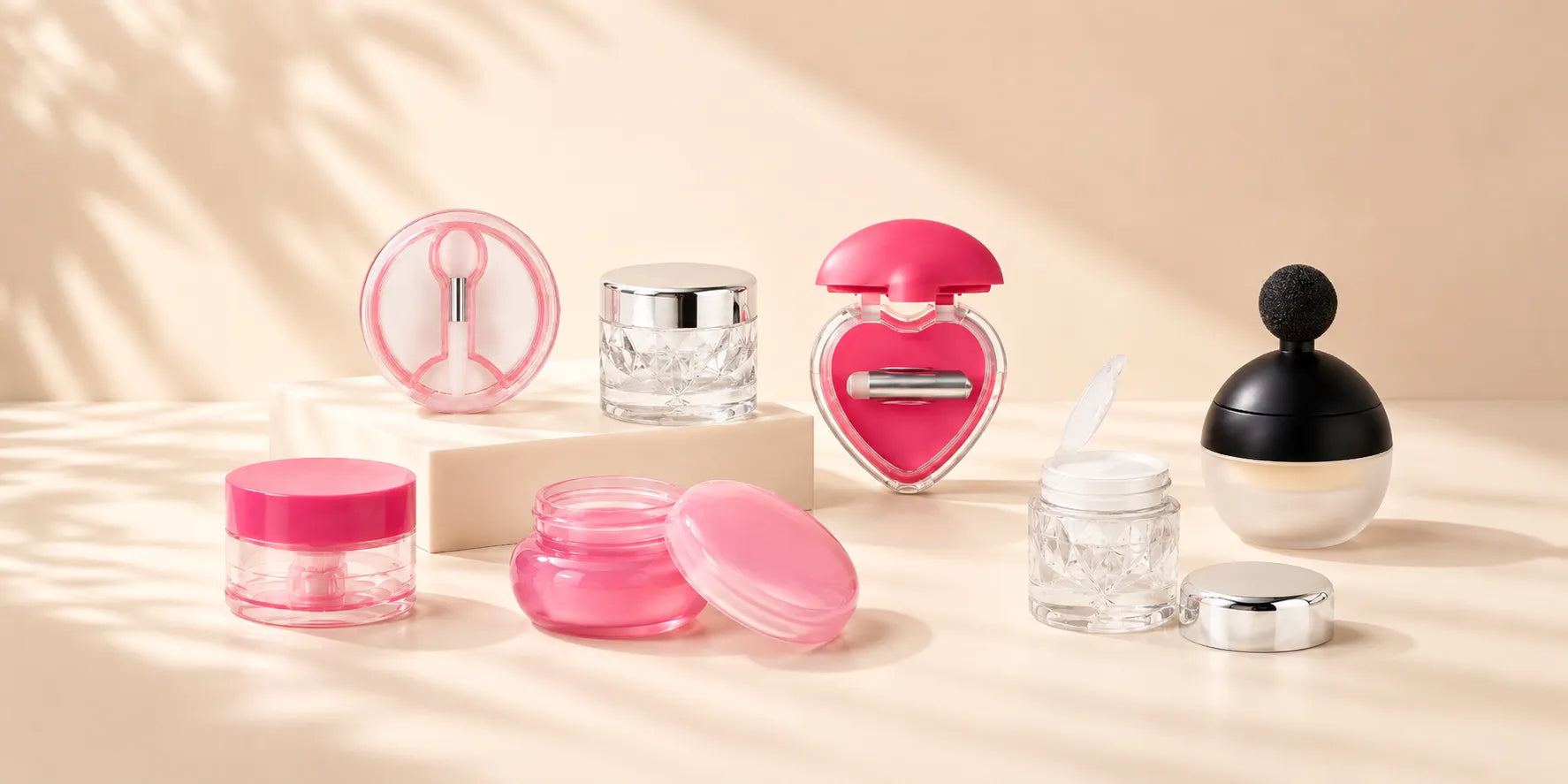
KAIYA lip gloss tubes and cute makeup packaging options, featuring assorted cosmetic containers for lip, face, and color makeup products.

Custom-mold capability deserves particular attention. Many brands approach a manufacturer with a creative concept, reference image, new cap idea, multi-function structure, or initial product architecture rather than a finished engineering drawing. The right partner should be able to evaluate the idea, explain its feasibility and cost, and provide a clear route from design through tooling and production.

Core capabilities to evaluate:

  • Project understanding: formula, application, components, capacity, appearance, quantity, cost, and buyer concerns.
  • Development choice: clear comparison of existing, semi-custom, and custom-mold routes.
  • Engineering: appearance design, structural and mechanical development, 3D communication, and DFM.
  • Custom execution: specific mold quotation, tooling, materials, surface finishes, and engineering samples.
  • Production support: validation, packing, logistics, mass-production readiness, and repeat-order records.

1. Fast Project Understanding Is the First Test

The first evaluation point is how accurately the manufacturer understands an incomplete or complex request. A buyer may provide a hand sketch, mood board, reference package, 3D concept and target capacity. An experienced team should separate the confirmed requirements from the points that still need engineering decisions.

Lip gloss tube containers by KAIYA, featuring cute lip tint packaging in a pastel portable style for custom makeup brands.

The initial review normally clarifies:

  • the formula type, dispensing route, and applicator idea;
  • the intended bottle, cap, attachment, or multi-function structure;
  • target capacity, dimensions, weight, and product positioning;
  • material, transparency, color, logo, and finish direction;
  • the client's main concerns about feasibility, tooling, leakage, appearance, assembly, or transport.

Years of project communication help KAIYA recognize the concern behind the request. If a client asks for a very thick transparent wall, the real priority may be visual weight. If the proposed shape is difficult to pack, the brand may care more about distinctiveness than the exact outline. 


2. A Professional Feasibility Review Should Produce a Clear Recommendation

A reliable manufacturer should not answer every creative request with a simple “yes” or immediately recommend a complete new mold. Its feasibility review should show how much of the idea can be achieved, which components can remain proven, what needs development, and how each decision affects the project.

  • Reuse what already works: identify the available bottle, neck, wiper, applicator, or closure that can remain unchanged and explain why it is suitable.
  • Modify only the parts that create value: define whether a new cap, attachment, outer piece, applicator combination, color, or finish can deliver the intended difference without rebuilding the complete package.
  • Open new molds where the structure truly requires them: name the original parts that need tooling and show how they affect engineering work, MOQ, cost, sampling, and timing.
  • Revise ideas that create avoidable risk: explain when a detail reduces capacity, interferes with the applicator, leaves no decoration area, complicates assembly, or creates unstable packing, then propose a workable alternative.

This response gives the buyer a real decision instead of three generic service labels. 

3. Look for Manufacturable Appearance Design

Appearance-design capability turns the brand idea into a controlled three-dimensional package. Buyers should look for support with the silhouette, proportion, bottle-to-cap relationship, visible formula area, grip, logo position, color balance, and surface expression of lip gloss packaging.

Kaiya custom lip gloss packaging with cute lip gloss containers in a bunny shape and decorative keychain design.

A good appearance proposal also recognizes production boundaries. A narrow waist may look elegant but reduce the internal chamber. A complex animal or object form may leave little room for the logo. A highly faceted body may require cap alignment and a defined front face. These issues are easier to adjust in the design stage than after the mold has been cut.

Lip gloss bottle with red packaging and cute bear cap design for custom lip gloss products

KAIYA can present alternative directions when needed—for example, preserving a recognizable outer contour while simplifying a small detail that is difficult to mold, decorate, or protect during transport. The objective is to retain the visual idea without creating an unnecessary production problem.


4. Structural and Mechanical Engineering Matter for Complex Packs

A custom gloss package is not only an exterior shell. In a wand tube, the bottle neck, wiper, stem, applicator, and cap must fit and operate together. Squeeze packages need a controlled flow path and protected outlet. Keychain, dual-ended, twist, magnetic, or other functional concepts introduce additional connections and moving parts.

Lip gloss bottles with colorful packaging and round cap designs for custom lip gloss collections

A manufacturer with structural and mechanical engineering experience should be able to address:

  • the internal chamber and target capacity;
  • neck, thread, snap, or other closure interfaces;
  • wiper position, stem length, applicator clearance, and reach;
  • cap alignment, opening force, and repeat operation;
  • attachments, hinges, rotating parts, or multi-component connections;
  • assembly sequence, filling access, and the way components are held during production.

This engineering stage explains why a concept that looks simple in a rendering may require several interdependent parts. It also gives the buyer a clearer basis for deciding whether a semi-custom modification is sufficient or a complete custom structure is justified.

5. A Clear Mold Quotation Shows Whether Tooling Is Under Control

Buyers should confirm that the manufacturer can create the required molds and provide a specific tooling quotation once the concept and custom parts are defined. KAIYA can develop new molds for custom lip gloss packaging and does not leave tooling as an undefined later expense.

The mold cost depends on the number of new components, their size and complexity, the required precision, the material and molding route, the mechanism involved, mold construction, and the expected trial or adjustment work. A new bottle, cap, inner holder, and functional attachment may each require separate tooling, while a semi-custom project may need only one new part.

Before tooling begins, the client should be able to see which parts are existing, which parts require molds, the quoted mold amount, the planned development stages, and the expected sample and production route. This allows the buyer to compare the investment with the order volume, product exclusivity, schedule, and commercial value of the custom design.


6. 3D Rendering and Prototypes Reduce Unnecessary Mold Changes

Fast 3D rendering helps the client and engineering team discuss the same object. It can show the package proportion, cap relationship, logo area, transparent and opaque sections, color direction, and major structural arrangement before physical tooling begins. Design changes can be reviewed visually instead of relying only on written descriptions.

A 3D-printed rapid prototype adds physical scale. It allows the team and client to examine size, grip, overall silhouette, cap proportion, component arrangement, and how the package sits inside a proposed gift box or transport insert. It can also reveal that a detail feels too small, too sharp, too heavy, or difficult to handle.

Custom lip gloss containers shown as 3D prototype models with wireframe structure for cosmetic packaging design

A rapid prototype does not reproduce the final molded material, transparency, surface finish, or production performance. Its role is to identify design and scale issues early, support communication, and reduce avoidable changes after the mold investment has started.

7. Material and Surface Development Should Follow the Actual Component

Material selection needs to support both the structure and visual goal. Clear PETG or AS directions may be considered for selected transparent and thick-wall bottle designs, while ABS, PP, PET, and other plastics can serve different caps, wipers, inner parts, and exterior components. The exact route depends on formula-contact position, rigidity, clarity, molding, weight, decoration, and cost.

Keychain lip gloss tubes with laser engraving detail and empty applicator packaging

KAIYA can also develop a coordinated or exclusive surface-finishing direction around the package. This may involve custom color, silk-screen printing, hot stamping, heat transfer printing, spray coating, vacuum metallization, or a selected combination on suitable parts.

Kaiya silver 15ml lip gloss squeeze tube containers with soft squeeze tube packaging.

The surface sample should be evaluated on the actual substrate. A color or finish can change when applied to clear, opaque, curved, soft-touch, or reflective parts. For a new mold, the logo area and surface geometry should be designed with the intended process in mind rather than decided only after tooling.


8. DFM Connects Creative Design with Stable Production

DFM, or Design for Manufacturability, reviews whether the proposed design can be molded, assembled, decorated, inspected, and repeated efficiently. The goal is not to remove the creative identity. It is to adjust details that could create unstable production or unnecessary cost.

Kaiya pink lip gloss tubes with heart-shaped applicator design for custom lip gloss packaging projects

DFM review may refine wall thickness, draft, small decorative features, parting-line position, component interfaces, tolerances, assembly direction, logo area, or the number of parts. For buyers, the practical result is a design that remains recognizable while becoming more stable to manufacture at volume.

KAIYA discusses necessary changes with the client through updated drawings or renderings. This makes the engineering reason visible and gives the brand a chance to approve how the change affects appearance and function before the project advances.

9. Engineering Samples Must Lead to Production Readiness

After the first tooling trial, engineering samples are used to compare the molded result with the approved design. The review may include dimensions, material appearance, component fit, opening and closing, applicator and wiper interaction, internal capacity, assembly, visible molding details, and the areas planned for decoration.

If adjustments are required, the relevant mold or component is corrected and sampled again. Once the structure is stable, decorated and filled samples can be used for broader pre-production validation. The final package should be reviewed for formula interaction, dispensing or pickup, closure, use, decoration, assembly, packing, and the appearance of the complete filled product.

Pink lip gloss squeeze tube containers with keychain for portable lip gloss packaging, ideal for beauty brands, travel cosmetics, and custom cosmetic packaging.

Production-readiness support then locks the component drawings or models, approved materials, colors, processes, artwork versions, assembly, inspection references, and packing method. These records give bulk production and later repeat orders a clear standard.


10. Packing and Logistics Need a Product-Specific Solution

Creative packaging can introduce practical transport concerns. Clear thick-wall bottles can show rubbing. Metallized caps may need separation from adjacent parts. Irregular shapes, keychain fittings, or protruding details may require trays, partitions, sleeves, or another protective arrangement.

Custom cosmetic packaging by KAIYA, featuring pink empty cosmetic tubes arranged in trays during production inspection.

KAIYA can discuss flexible packing routes according to the package, filling location, shipment method, and buyer workflow. Components may be packed assembled or separated where practical; cartons and internal supports can be planned to improve protection and pack density; SKU and component labels can make later filling or assembly easier to control.

Transport review can also influence the custom design itself. A small change to an outer protrusion, orientation, or component arrangement may preserve the visual concept while allowing the package to fit more securely and efficiently in its tray or carton.


11. Why KAIYA Is Prepared for Standard and Complex Lip Gloss Projects

KAIYA is a color cosmetic packaging factory and lip gloss packaging manufacturer able to support existing products, semi-custom development, and new molds. We combine appearance design, structural engineering, 3D communication, rapid prototyping, material and finish development, DFM, engineering trials, validation, volume production, and repeat-order support through our custom cosmetic packaging service.

Send the creative reference, initial product architecture, formula direction, target capacity, intended function, dimensions, quantity, visual requirements, budget priorities, and schedule. KAIYA can quickly identify the key concerns, discuss feasibility, provide the appropriate development route and mold quotation, and help move the concept toward production.

FAQ

Packaging Solutions

  • Evaluate formula and component understanding, response to buyer concerns, existing and custom product options, appearance and structural engineering, mold development, clear tooling quotations, 3D prototyping, DFM, engineering samples, production validation, packing, and repeat-order control.
  • A large tube range is useful, but it does not replace these project capabilities.
  • The manufacturer should identify the concept's main value and the unresolved engineering questions.
  • It should ask about formula, capacity, application, dimensions, material, appearance, quantity, budget priorities, filling, transport, and schedule, then propose a focused next step instead of sending unrelated products.
  • It should identify which proven components can remain, which selected parts need modification, which original parts require new molds, and which details should be revised.
  • The manufacturer should also explain the effect on function, appearance, capacity, MOQ, tooling cost, sample stages, schedule, assembly, and packing so the buyer can make a concrete decision.
  • Look for appearance and structural design support, 3D communication, clear identification of custom parts, a specific mold-cost quotation, DFM review, engineering trial samples, a correction process, and pre-production validation.
  • The manufacturer should be able to move the project from initial concept through tooling and stable production rather than stopping at a rendering.
  • After the structure and custom components are defined, the manufacturer should provide a specific tooling quotation and show which parts require new molds.
  • Cost depends on the number and size of tools, complexity, precision, mechanism, material and molding route, mold construction, and expected trials or adjustments.
  • General promises without a defined scope are not enough for project planning.
  • 3D rendering helps the buyer review proportion, component relationships, logo areas, and major visual or structural changes.
  • A 3D-printed prototype adds physical scale for checking grip, silhouette, cap proportion, assembly arrangement, and packing space.
  • Neither replaces the final molded engineering sample, but both can reduce avoidable mold changes.
  • DFM shows whether the manufacturer can connect creative design with repeat mass production. It reviews molding, assembly, decoration, inspection, tolerances, small details, parting lines, and process areas.
  • The objective is to preserve the core concept while improving production stability and controlling unnecessary cost.
  • Engineering samples should confirm molded dimensions, materials, component fit, capacity, opening and closing, applicator or mechanism operation, assembly, and visible details.
  • Pre-production samples add formula behavior, decoration, logo alignment, packing, and complete filled-package appearance before the production standard is locked.
  • The manufacturer should review whether parts are shipped assembled or separately and whether clear, coated, metallized, irregular, or protruding components need trays, partitions, sleeves, or other protection.
  • Packing should also consider carton efficiency, SKU identification, filling location, and later assembly workflow.
  • Provide the formula direction, desired application, target capacity and dimensions, preferred package route, creative reference or product architecture, quantity, SKU plan, material and finish requirements, budget priorities, filling location, main concerns, and schedule.
  • KAIYA can use this information to recommend an existing, semi-custom, or custom-mold route and the required sample stages.

Blog Posts

Small but Complete: Why Mini Cosmetic Containers Have Become a Makeup Category
Packaging Guide

Small but Complete: Why Mini Cosmetic Containers Have Become a Makeup Category

Mini cosmetic containers now serve retail, travel, gift, children's, and collection launches. See how small formats keep their natural charm while preserving complete structures, applicators, closu...
Where Should the Logo Go? Planning Decoration Areas on Curved and Irregular Cosmetic Containers
Packaging Guide

Where Should the Logo Go? Planning Decoration Areas on Curved and Irregular Cosmetic Containers

Plan cosmetic packaging logos around the real viewing angle, curvature, seams, movement, and decoration process. Learn how to keep branding readable on round, tapered, and irregular containers.
One Brand, Different Containers: How Cosmetic Packaging Design Creates a Coherent Makeup Collection
Packaging Guide

One Brand, Different Containers: How Cosmetic Packaging Design Creates a Coherent Makeup Collection

Learn how to connect lip, eye, and face primary containers through category-specific structures, shared colors, proportions, finishes, logo hierarchy, and hero products.

Leave a comment

All comments are moderated before being published.

This site is protected by hCaptcha and the hCaptcha Privacy Policy and Terms of Service apply.